
I saved my first $10,000 while working on cruise ships at the age of 22.
It was a uniquely perfect situation because I made a decent $45,000 salary for a recent graduate in 2009 and had zero expenses living and working on a cruise ship. No rent, no car payment, and free food. The only thing I typically spent money on was $1 beers and $2 packs of cigarettes thanks to deals in the crew bar found only in international waters.

Even back then, I knew enough to know I needed to invest that money for my future. I didn’t understand how impactful investing could actually be at the time, but I have to credit my stepdad for making sure I knew investing was required. He didn’t tell me how to invest, or what to invest in, or how much to invest, but whatever he said landed hard enough for me to actually dedicate energy in my 20’s to figuring it out.
When I asked other crew members what they knew about investing, most of them looked at me like I had 3 heads. Finally one crew member gave me a book about picking stocks and by the time I got 30% of the way through it the jargon was making my head spin and I gave up.
The right book can change everything. The wrong one in this case set me back years. This particular book taught me that investing required complexity to be effective. I know now that’s backwards. Solid long-term investing is anything but complicated when it’s taught in plain English and not obfuscated by the personal finance industrial complex.
Shortly thereafter I hired a financial advisor because I thought I wasn’t smart enough to invest on my own. It seemed like this magical skill only accessible to already rich people or professionals with decades of training.
This was wrong.
I ended up paying a 1.25% AUM (assets under management) fee for years plus other hidden fees. All in was sometimes paying over 2% to have my money “managed” which I eventually figured out over time would cost me north of $400,000.
Most financial advice isn’t wrong because it’s dumb, it’s dangerous because it’s incomplete. Outdated “advice” gets repeated so often it starts to sound like rules that we all just agree upon.
I unlearned four pieces of it on my way to financial independence, as a single woman in my 30s and each of these 4 bullets completely changed my life. Here’s what I believed and here’s what I can confidently tell you is true as someone that learned the hard way.
This is a perfect example of something that is not wrong, just incomplete. And this is the one everyone starts with.
Cancel the subscriptions. Skip the coffee. Meal prep like your life depends on it. Add water to your face wash so it lasts longer (no shame I still do this sometimes).
Cutting costs can absolutely be helpful if you’re like my friend Julia, who discovered she was spending $1,500 a month on coffee working remotely.
But if you cut out every little thing for starters it is not sustainable and you’ll eventually hate your life. It’s kind of like cutting out carbs completely, and then one Saturday you find yourself at 2am eating an uncut loaf of bread sub style. Not that I would know.
The first piece of real advice on this topic that is genuinely helpful is to pay attention to the big stuff first. If you really want to make progress by cutting expenses, the stuff that’s going to move the needle is things like cars, housing, dining out, etc.
The other issue is your spending has a floor. You can only cut so much. Your earning potential on the other hand, doesn’t have a ceiling.
Earning more and saving more in parallel is the best way to get ahead quickly but don’t only focus on cutting out your latte. Investing time learning how to negotiate, considering switching jobs if the timing and economy is right, or taking on a side hustle that pays for something in your life.
This is my hill to die on, the bedrock of all my frustration around the financial industry, and the whole reason I’ve been sharing financial education content on the internet for over 5 years now.
A good financial advisor can absolutely be worth it, in certain situations and with transparent pricing. But over decades, that 1% is not small and could end up costing you hundreds of thousands (or millions) of dollars. What people realize is the fees compound…just like your invested money.
And it’s not the only fee you’re paying. When you pay 1% to a financial advisor, you are also paying a fee for the funds they chose on your behalf. If you don’t know how to figure out what total fees you are paying, your money could grow incredibly slow compared to the market average and suddenly you’re not paying for market expertise you’re paying for a below average teenage babysitter that mostly has no idea where your kids are but checks in just enough to make sure things are okay.
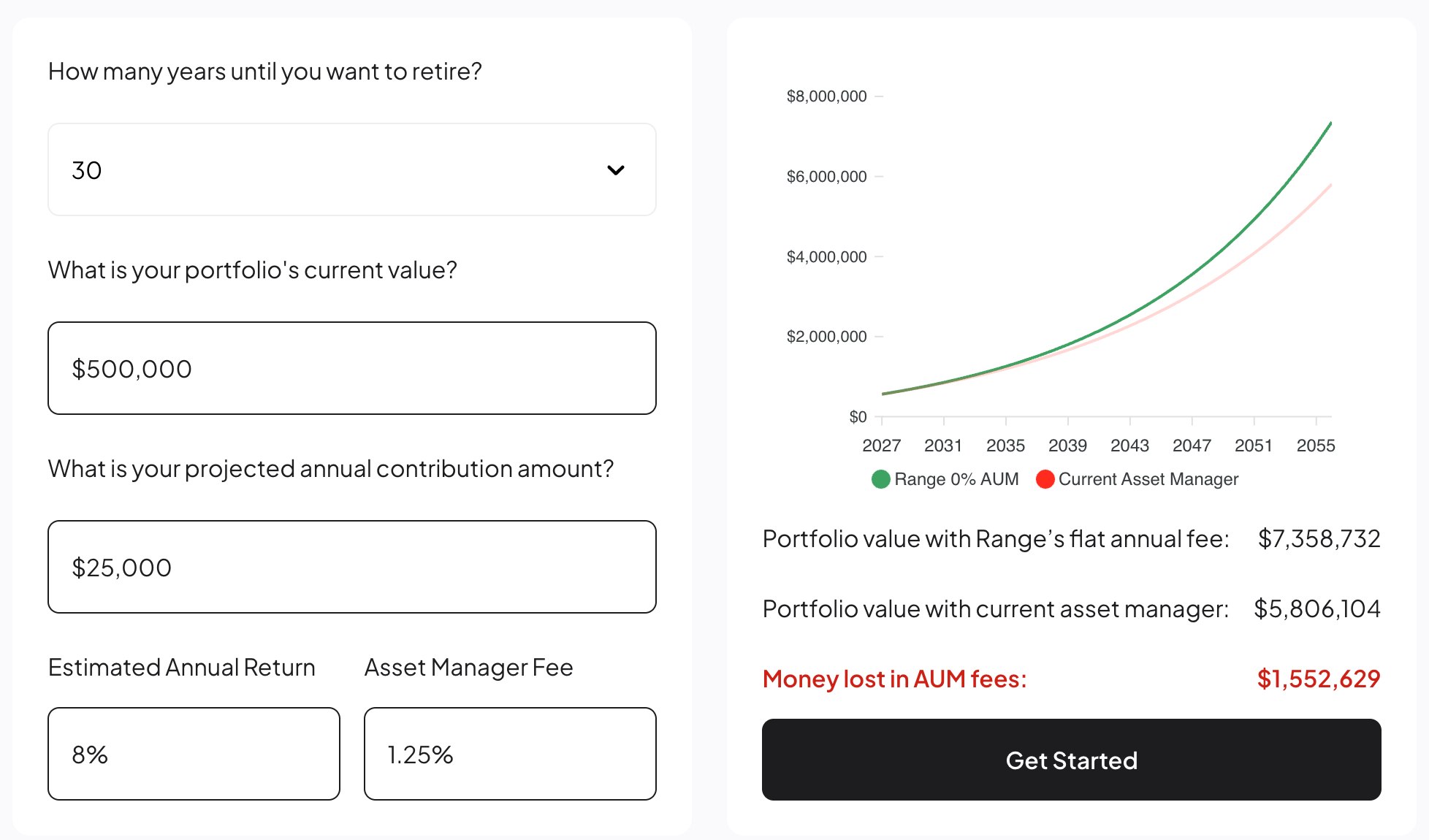
The question isn’t “should I ever hire an advisor?” It should be “do I understand what I’m paying, and what I’m getting for it?” Most people can’t answer that. That’s the actual danger.
There are also amazing options that aren’t totally opaque. There are sites like Hello Nectarine that let you hire professionals with specific expertise for an hour. There are flat-fee advisors who can help you come up with a plan for a one-time fee. Or affordable memberships that will teach you most of the basics on your own.
But even if you outsource your investing to someone good that is not ripping you off, you can’t outsource your day-to-day financial behavior. Most financial advisors aren’t going to help you budget so you can invest more. And none of them are gonna hold your hand every time you make a purchase or help you work through financial trauma or money mindset challenges that are preventing you from earning more or spending more thoughtfully.
This is work you need to do. You can do it by reading books, hiring reputable financial coaches, taking courses, or by asking a financially responsible friend for help (we do this here for less of the cost of a random Target run.)
And at the end of the day if you want to have agency over your life, you have to take ownership of your money. Once you start to feel confident with money, you start making better decisions in your day to day — finding ways to make more, invest more, spend money on things you value. A financial advisor isn’t making all your decisions for you, you are. You have to understand how it all works. A financial coach or advisor can help fill in the gap.
Just no. Nope. This advice sucks. It sucks so bad. You need to talk to people about money.
This advice is perfectly designed to keep you isolated from information that could change your life.
I want you to ask people how much they make. They might get uncomfortable. Some will happily tell you. Do it anyway. You’ll learn a lot.
Ask how rich people invest their money. Ask what things cost.
And for the love of God please assume that most people that look rich on the internet aren’t.
If you don’t talk about money, you won’t find out that you’re underpaid. You won’t learn from others. You won’t learn how to negotiate your salary. You won’t understand what things are actually supposed to cost.
Talking about money, joining a community or a group of people to talk about money with, will move your financial life faster than almost anything else on this list.
This one is nuanced. You can’t show up to a bank job interview looking like a slob no matter how good you would be on the job. Context matters.
I’m talking about people who think they are living this advice but are really using it to buy clothes and cars they can’t afford.
I won’t pretend that looking a certain way won’t open doors in some situations. You’ve at least got to look presentable in whatever industry or type of work you are in or aspire to be in.

But I’ve never not gotten a job because I shopped at TJ Maxx or second hand stores.
I’d bet money there’s someone in your life right now who looks rich and has nothing. In fact, I’d bet multiple. The new kitchen your neighbor won’t stop posting about? Probably financed. Looking wealthy and being wealthy are two entirely different bank accounts, and only one of them compounds.
I personally know dozens of people on the internet that look very wealthy, that people even envy their wealth, that are actually broke. How do I know that? Because I used to help people with their finances, and I promise you: that seven-figure business owner could be doing well. Or they could be taking home only $40,000 a year. Also a real example.
Some of this advice is partially true and in some cases genuinely well-intentioned. But when it’s incomplete, it can cost you a lot of money.
Effective investing is not complicated. What’s hard is believing you are capable enough to learn it and actually setting aside the time to do it.
The financial industry benefits from you believing it’s complicated. Confused people pay for help they don’t need, or worse, they do nothing at all.
The absolute best advice I’ve got? You’re never going to be ready so you just have to start. You’re never going to feel financially confident until you do things with your money that give you confidence.
Do you believe any of these 4 pieces of common advice right now? Which one has had the tightest grip on you? Hit reply or comment below, I read every one, and it might help me figure out exactly how to help you get past it.
Know someone who’s still following advice that isn’t serving them? Send this their way.
The nicest thing you can do is share this post or email with someone who could benefit.
No posts
Comments
Nothing yet. Say the first thing.
Sign in to join the conversation.