
Everyone has a different approach when it comes to choosing rugs. Some people start there, while others wait until later in the design process. We tend to fall into the second camp and usually select rugs after many of the larger decisions have already been made.
That said, there are a few “rules” we almost always follow when choosing rugs, and I thought they’d be worth sharing.
Rugs can be surprisingly tricky. They’re often one of the larger purchases in a room, and getting the size, material, or style wrong can have a big impact on how the space feels. So if you’re currently staring at a dozen rug options and feeling stuck, here are the guidelines we use when making selections for our projects.
1. Size matters more than style
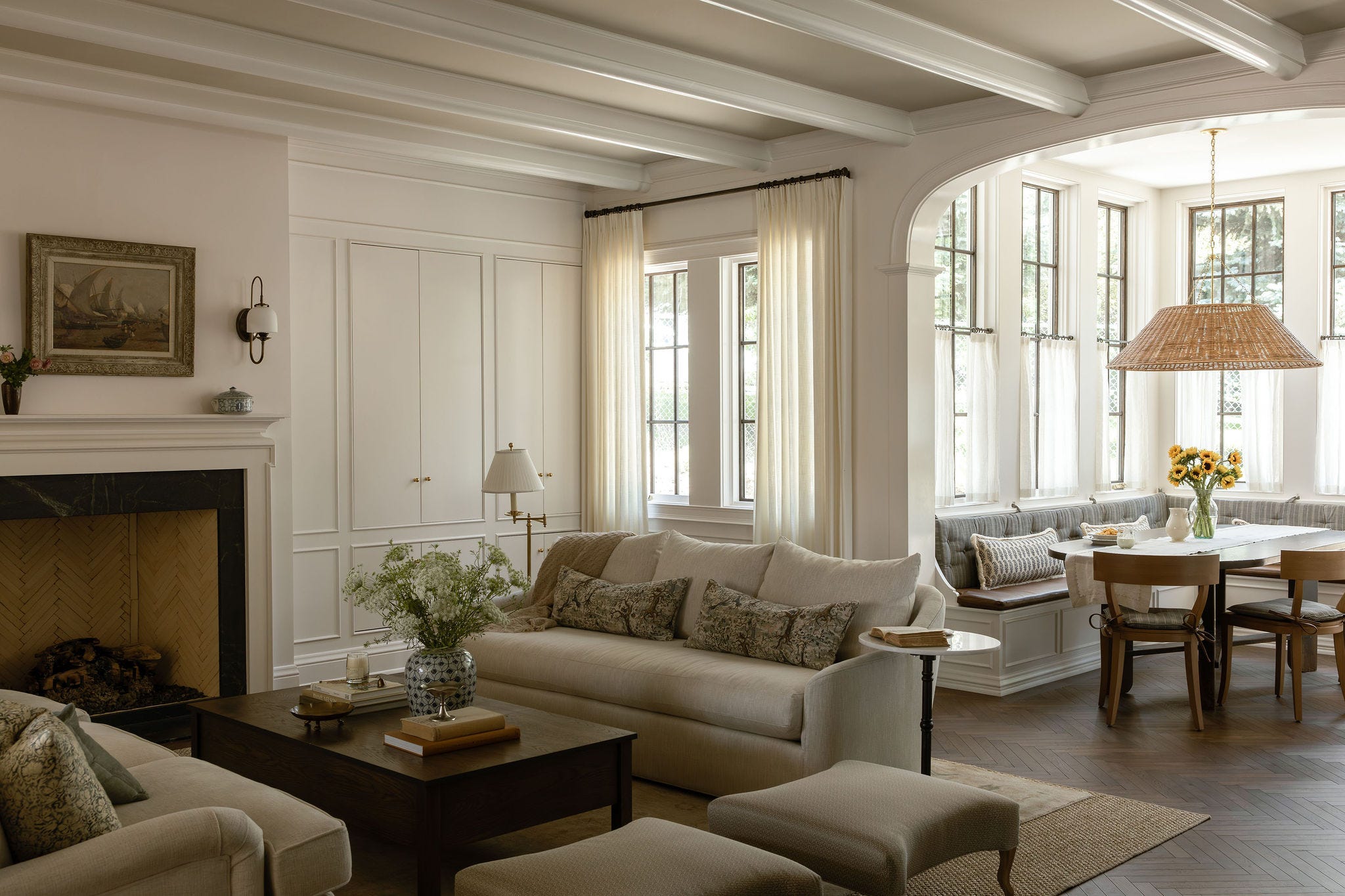
Always go bigger than smaller, think of the rug as defining the space. In an open floor plan, the rug is going to separate the living room from the kitchen or dining room. In a living room, the rug should extend beyond the sofa and anchor the furniture — defining that “this square” is the living room.
If you're deciding between a very stylish or detailed rug that's too small (and very expensive) and a simple rug that's the right size, choose the larger rug every time.
2. Dining rooms & eating areas need practical rugs
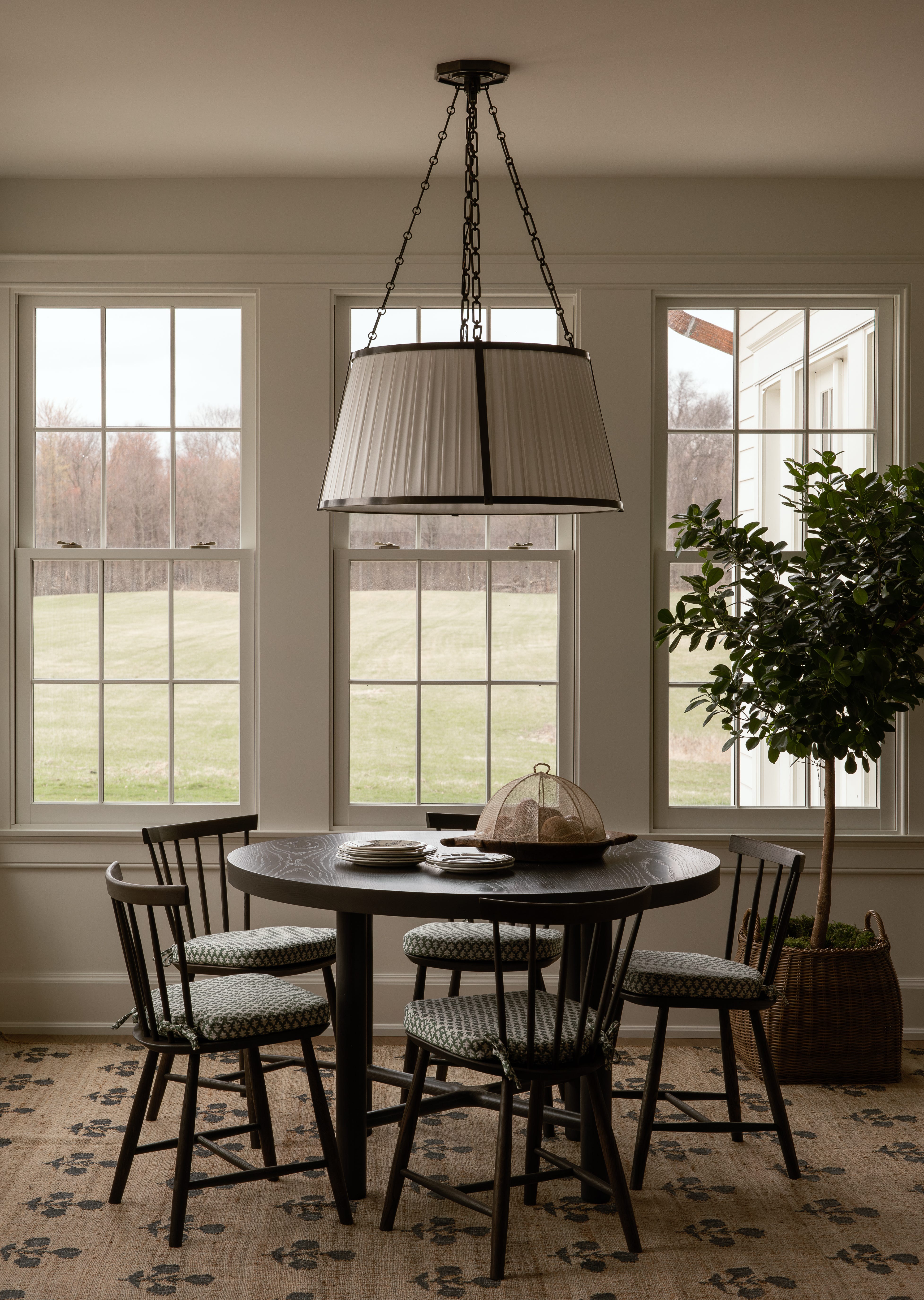
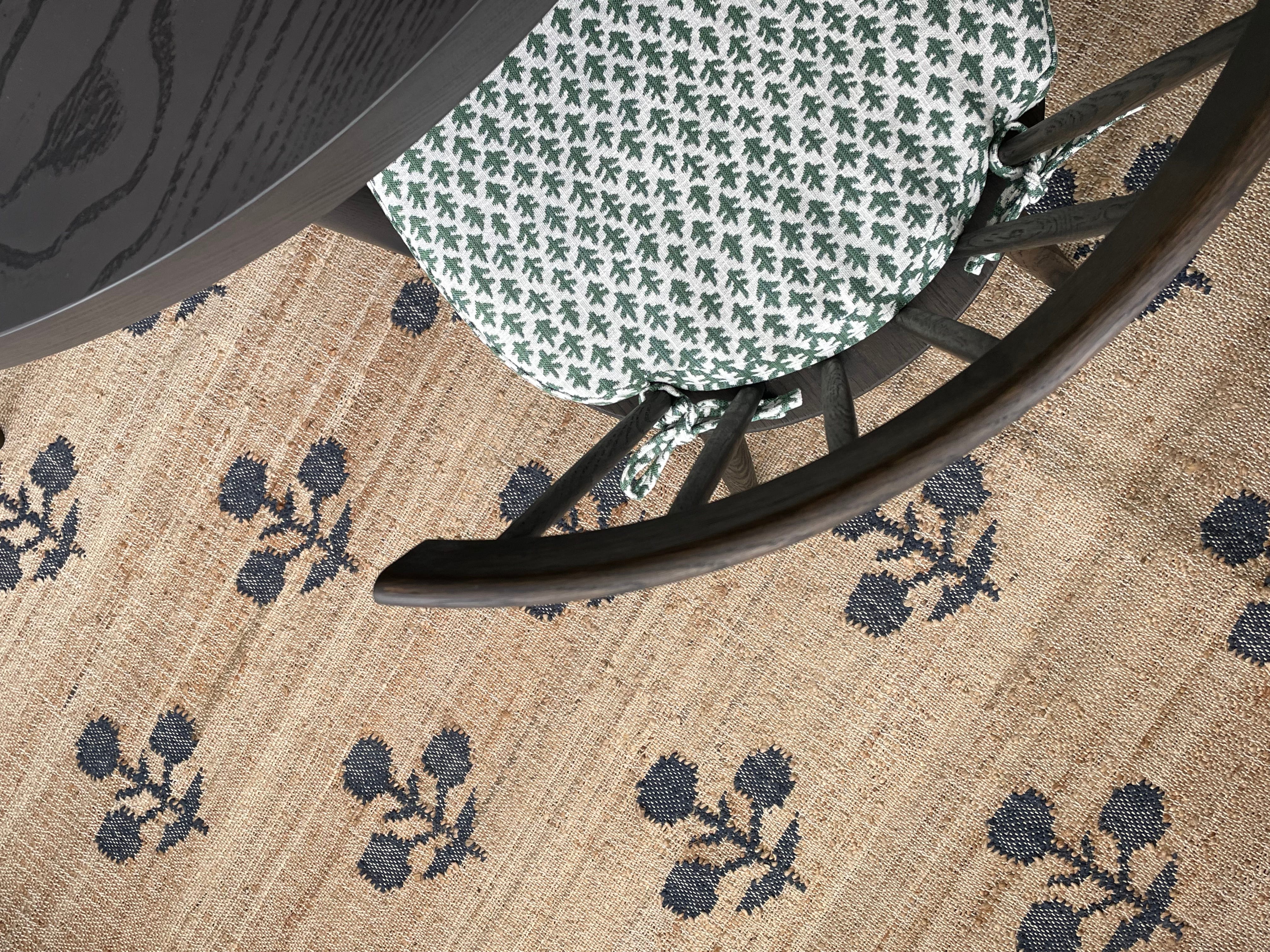
Under a dining table, a flat-weave wool rug is great. We also tend to use lots of pattern in these areas to cover all the sins.
Dining rooms see spills, crumbs, and constant chair movement, so a patterned rug can hide wear and stains really well. This can also be a great place to use a vintage rug. They can be more expensive, but they're incredibly forgiving and tend to age beautifully (foreshadowing my next tip).
3. Vintage rugs are the most forgiving
Comments
Nothing yet. Say the first thing.
Sign in to join the conversation.