
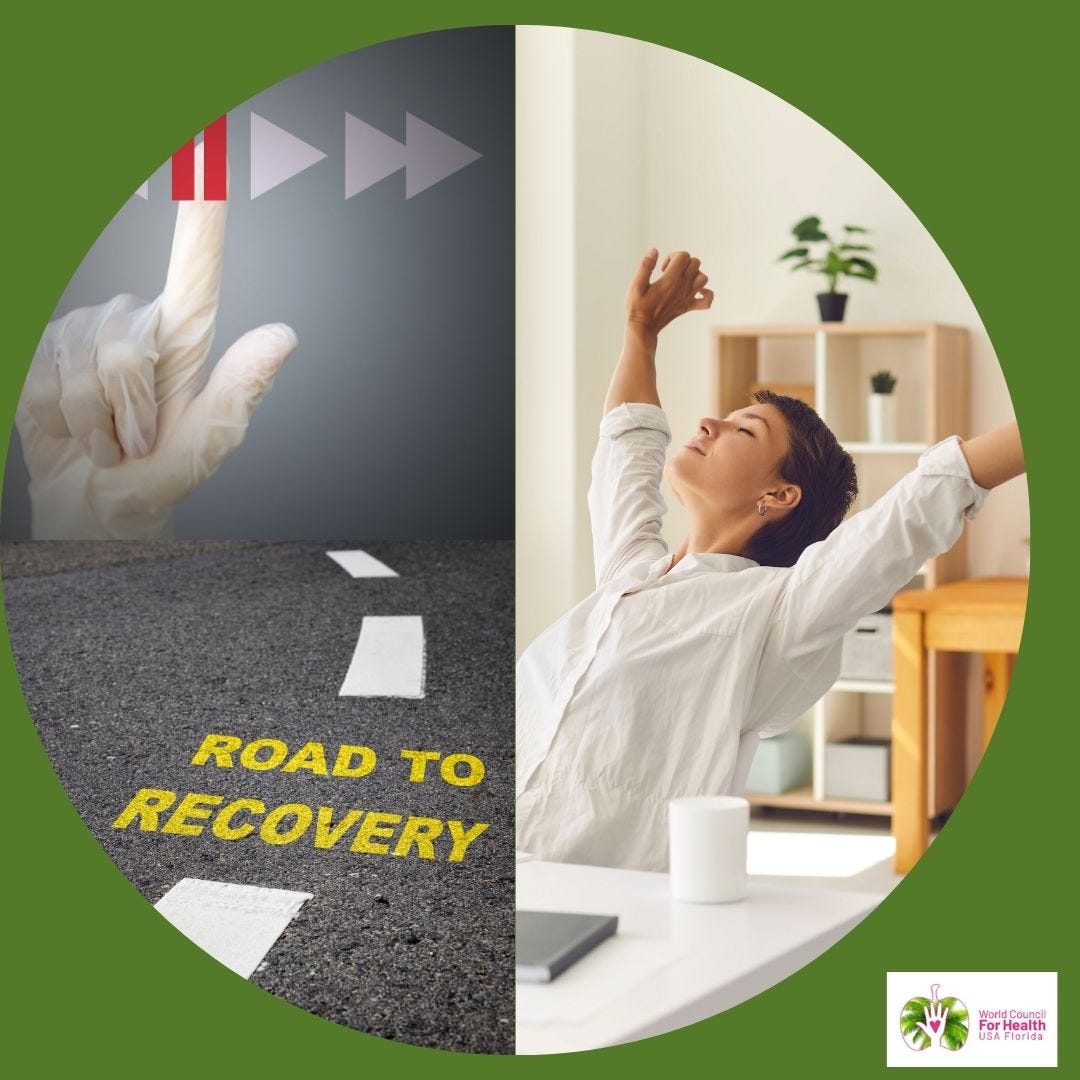
One of the most confusing aspects of Chronic Fatigue Syndrome is knowing how long it will last. Unlike a common cold or the flu, which has a predictable healing window, chronic fatigue operates on its own timeline.
Understanding this trajectory can help manage expectations and reduce anxiety during treatment.
Phase 1: Diagnosis and Stabilization (Months 0–6)
For many, the first six months are spent seeking answers. During this phase:
Symptoms fluctuate wildly: You may have streaks of mild energy followed by sudden crashes.
Goal: Rule out other conditions (like thyroid issues, anemia, or autoimmune diseases) and establish a baseline diagnosis.
Reality Check: Full recovery is rare in this stage. Focus shifts from “curing” to “managing” and preventing further deterioration.
Phase 2: The Plateau (Months 6–24)
Once the initial shock wears off, patients often enter a plateau period. This is where life settles into a “new normal.”
Learning Limits: You begin to understand exactly how much energy you have daily.
Slow Improvement: Some patients see slight improvements in stamina or reduced pain, while others remain stable.
Emotional Impact: Frustration, grief, or depression may peak here as the reality of a potentially long-term condition sets in.
Phase 3: Gradual Management or Remission (Years 2+)
Beyond two years, the prognosis varies significantly depending on individual biology, age at onset, and adherence to management strategies.
Partial Remission: Approximately 50% of patients experience some degree of improvement, allowing for slightly more activity and less reliance on medication.
Significant Recovery: About 15% to 20% of patients recover completely or near-completely, though relapse remains possible during times of high stress.
Chronic Stability: For others, the condition remains moderate to severe indefinitely. Quality of life improves not necessarily because symptoms vanish, but because the patient learns to adapt effectively.
Factors Influencing Recovery Speed
Several variables determine how fast or slow the journey forward goes:
1. Early Intervention: Starting pacing and lifestyle changes sooner rather than later prevents muscle deconditioning and worsened Post-exertional malaise (PEM).
2. Age: Younger patients tend to have more resilient immune systems and may recover faster than older adults.
3. Co-existing Conditions: Having asthma, fibromyalgia, or Postural Orthostatic Tachycardia Syndrome (POTS ) can complicate the timeline.
4. Support System: Strong emotional and practical support from family/friends correlates with better long-term outcomes.
If you have CFIDS, be patient with yourself and discover your pace.
Again, if you suspect someone you love has CFIDS, the most important thing you can do is listen.
Believe the fatigue. Seek medical advice early. And remember: while the road may be slower, it is still yours to travel.
***
Disclaimer: This article is for informational purposes only and does not constitute medical advice. If you are experiencing persistent symptoms, please consult a qualified healthcare provider.
If you liked this article, please consider sharing it and subscribing to our Substack. You may also want to be a member of the World Council for Health Florida.
No posts
Comments
Nothing yet. Say the first thing.
Sign in to join the conversation.