
What is your opinion of this common “Weed”
A weed is typically defined as, “A plant growing where it is not wanted.”
Originally, “weed” simply meant a plant. Not necessarily bad or invasive. Over time, especially with the rise of agriculture and lawn culture, it came to mean:
“A wild plant growing where it’s not wanted and in competition with cultivated plants.”
A plant becomes a “weed” based on context, not its biology. Even nutritious or medicinal plants like dandelions or nettles are considered weeds when they grow in places people don’t want them, like lawns, gardens, paving gaps or crop fields.
What were you taught about Dandelions?
As a small child dandelions were known as “wet the beds!” It was believed that if we touched a dandelion you would wet the bed! Dandelions were bad! Not to be touched and if you did others would often meanly shout “She wets the bed!” which was one way to suggest you were more of a baby which all children seem to learn that being a baby is a bad thing whilst they strive to be adult like. Great way to condition thinking for life!! So when it was first suggested to me that dandelions were good for you I had strong resistance to the idea of eating or making tea with it!
However, we did enjoy making a wish and blowing what we called the Sugars. Whilst doing that we ignored that the plant had urinary influencing powers. As an adult that changed knowing that those seeds would plant stubborn, resistant offspring “anywhere!”

A Natural Ally for Health and Healing
The dandelion (Taraxacum officinale) is in fact, a powerful plant brimming with health benefits and natural healing properties. From root to flower, every part of the dandelion has been used for centuries in herbal medicine and modern science is beginning to support what traditional healers have long known. Beyond its use as a health tonic, dandelions offer a sustainable solution for wellness, nutrition, and even ecological balance.
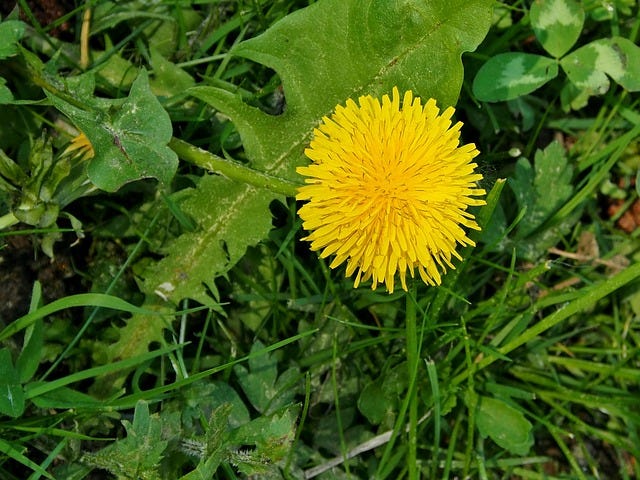
1. Nutritional Powerhouse
Dandelions are rich in essential nutrients. The leaves, often used in salads or teas, contain high levels of vitamins A, C, K, and several B vitamins. They’re also a good source of minerals like iron, calcium, magnesium, and potassium. This dense nutrient profile supports overall health, especially bone strength, immune function and energy metabolism.
Key Nutrients in Dandelions:
Vitamin A: Supports vision and immune health
Vitamin C: Antioxidant properties, promotes collagen and immune response
Vitamin K: Essential for blood clotting and bone health
Iron and calcium: Crucial for oxygen transport and bone density
2. Digestive and Liver Health
Dandelion root is a well-known liver tonic. It stimulates bile production, aiding digestion and promoting detoxification. Herbalists have traditionally used dandelion to support the liver and gallbladder, helping to relieve issues like sluggish digestion, bloating, and skin breakouts often linked to poor liver function.
The inulin fibre in the root also acts as a prebiotic, feeding healthy gut bacteria and improving digestive balance.
3. Natural Diuretic and Anti-Inflammatory
Dandelion acts as a natural diuretic, helping to reduce water retention and gently detoxify the body through increased urination. Maybe this is where the “Wet the Bed” nickname began and became distorted to frighten and ridicule children? Unlike synthetic diuretics, dandelion does this without depleting potassium, a crucial electrolyte that it naturally contains.
It is reported that the plant is rich in antioxidants, such as beta-carotene and polyphenols, which combat oxidative stress and inflammation, two major contributors to chronic diseases like heart disease, diabetes, and cancer.
4. Blood Sugar and Cholesterol Control
Preliminary research suggests that dandelion may help regulate blood sugar and cholesterol levels. Compounds in the plant improve insulin sensitivity and may lower blood lipid levels, making it a potential ally in managing type 2 diabetes and cardiovascular conditions.
5. Skin and Immune Benefits
Thanks to its antibacterial and antifungal properties, dandelion extracts are sometimes used to treat skin infections and acne. Wish someone had told me this in my teenage years! The antioxidants in the plant help protect skin cells from damage, while its detoxifying effects support clearer, healthier skin from the inside out. Isn’t that the best way, certainly better than the burning chemicals I was guided to put on my skin.
The immune system also benefits from dandelion’s rich array of nutrients and phytochemicals, which help the body ward off infections and reduce inflammation.
6. A Sustainable Health Solution
Dandelions grow abundantly and require no cultivation, pesticides, or special care, making them an eco-friendly source of food and medicine. They’re an excellent example of how natural, local resources can contribute to both personal health and environmental sustainability.
Rather than spraying them away, we can rethink the role of dandelions in our lives, as a resilient plant that offers resilience to our bodies.
How to Use Dandelions
Leaves: Eat raw in salads or cooked like spinach; brew into tea
Flowers: Make dandelion wine, syrup, or infused oil
Roots: Roast for a caffeine-free coffee substitute or use in tinctures and teas
Important Note: Always ensure dandelions are harvested from clean, pesticide-free areas.
2 Simple Recipes Using Dandelion
1. Dandelion Leaf Salad with Lemon-Garlic Dressing
Ingredients:
1–2 cups young dandelion leaves (washed, chopped)
1 cup baby spinach (optional, to soften the bitterness)
1 clove garlic (minced)
Juice of 1 lemon
2 tbsp olive oil
Salt and pepper to taste
Optional: cherry tomatoes, sunflower seeds, or feta cheese
Instructions:
In a large bowl, combine the dandelion leaves and spinach.
In a small bowl, whisk together lemon juice, olive oil, garlic, salt, and pepper.
Drizzle dressing over greens and toss.
Add optional toppings and serve fresh.
✅ Tip: Harvest leaves before the plant flowers for the mildest taste.
2. Roasted Dandelion Root “Coffee” (Caffeine-Free)
Ingredients:
2 cups dandelion roots (fresh or dried, scrubbed clean)
Water
Optional: cinnamon stick, nutmeg, or cardamom for flavour
Instructions:
Chop the roots into small pieces and roast them on a baking sheet at 350°F (175°C) for 30–40 minutes until dark brown and aromatic.
Let them cool, then grind in a coffee grinder.
Brew 1–2 tsp per cup in hot water (like coffee or tea) for 10–15 minutes.
Strain and serve hot. Add milk or sweetener if desired.
✅ Tip: This drink has a deep, earthy flavour and supports liver and digestive health.

Conclusion
Dandelions are far more than a backyard nuisance. They are a potent, natural remedy, nutrient-dense, health-boosting, and widely available. As interest in herbal and holistic healing grows, the humble dandelion stands out as a symbol of accessible, sustainable wellness. Whether incorporated into your diet or used as a natural remedy, this plant proves that sometimes, the best medicine really does grow at your feet.
I’m off now to harvest some dandelions, my garden is good at growing them. Even if I just cut off the leaves and flowers I know they will quickly grow back. I may even take some of the “Sugars” plant them and grow a dedicated crop.
Finding “Mother Nature” truth is a game changer in managing our best health!
🧪 Scientific References on Dandelion Health Benefits
Liver and Digestive Health
Clare, B. A., Conroy, R. S., & Spelman, K. (2009). The diuretic effect in human subjects of an extract of Taraxacum officinale folium over a single day. Journal of Alternative and Complementary Medicine, 15(8), 929–934.
https://doi.org/10.1089/acm.2008.0152
Anti-inflammatory and Antioxidant Properties
Hu, C., & Kitts, D. D. (2005). Dandelion extracts have antioxidant and anti-inflammatory activity in vitro. Journal of Ethnopharmacology, 102(1), 124–132.
https://doi.org/10.1016/j.jep.2005.05.035
Blood Sugar and Lipid Control
Oryan, A., Mohammadalipour, A., Moshiri, A., Tabandeh, M. R., & Rafati, A. (2015). Topical application of dandelion root accelerates diabetic wound healing in rats. Veterinary Research Forum, 6(2), 111–117.
Immune and Anticancer Potential
Sigstedt, S. C., Hooten, C. J., Callewaert, M. C., Jenkins, A. R., Romero, A. E., Pullin, M. J., & Christensen, M. J. (2008). Evaluation of aqueous extracts of Taraxacum officinale on growth and invasion of breast and prostate cancer cells. International Journal of Oncology, 32(5), 1085–1090.
We love to hear your thoughts and hope you pass on the wise words so more know how to take care of themselves in the way Mother Nature intended.
Thanks for reading! This post is public so feel free to share it.
No posts
Comments
Nothing yet. Say the first thing.
Sign in to join the conversation.