
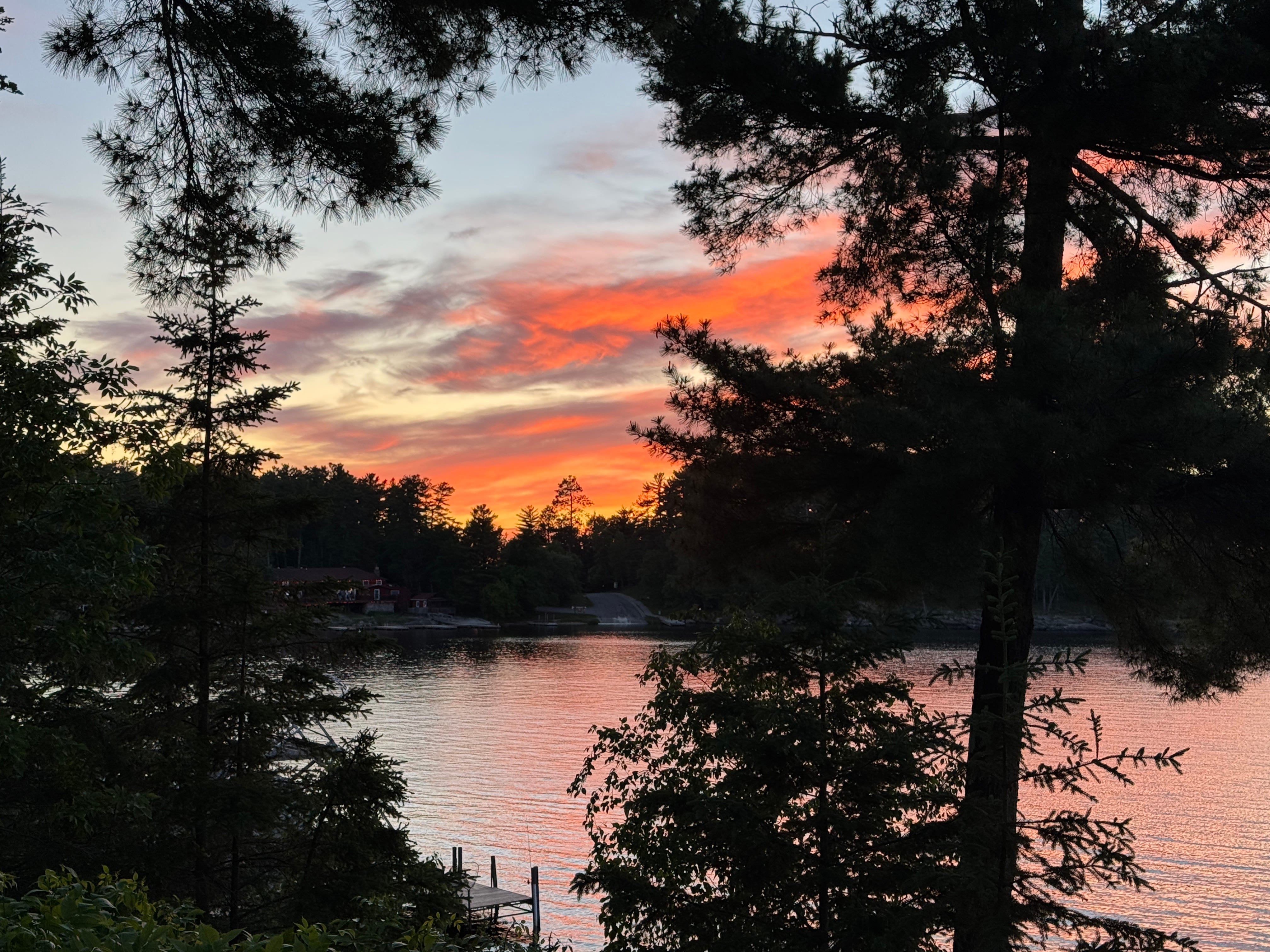
Who’s going to water the tomatoes?
We can’t not mow for a week.
What if the potato bugs come back while we’re gone?
And the weeds, oh, the weeds are going to be out of control after a week of neglect!
We were going to be gone for only one week. To a cabin. That we’ve been to before. And somehow, a handful of vegetable plants, a yard that needed mowing, and my indoor plant propagations had turned into a reason to second-guess the entire trip.
But it wasn’t really about the garden. It never is.
It’s our client work. The house chores. The pile of mundane stuff that’s just going to be sitting there waiting when we get back, except now it’s bigger, because I’m not going to be here to keep up with it.
And here’s the part that’s almost funny, if it weren’t a little sad: I was actually looking forward to that week away so I could finally get caught up on my own projects. Articles. Photos. Website updates. The stuff I never seem to have time for at home. I was planning to spend part of my vacation working, just on different work, because if I didn’t use that quiet time for it, the opportunity would be gone, and it would just pile up too.
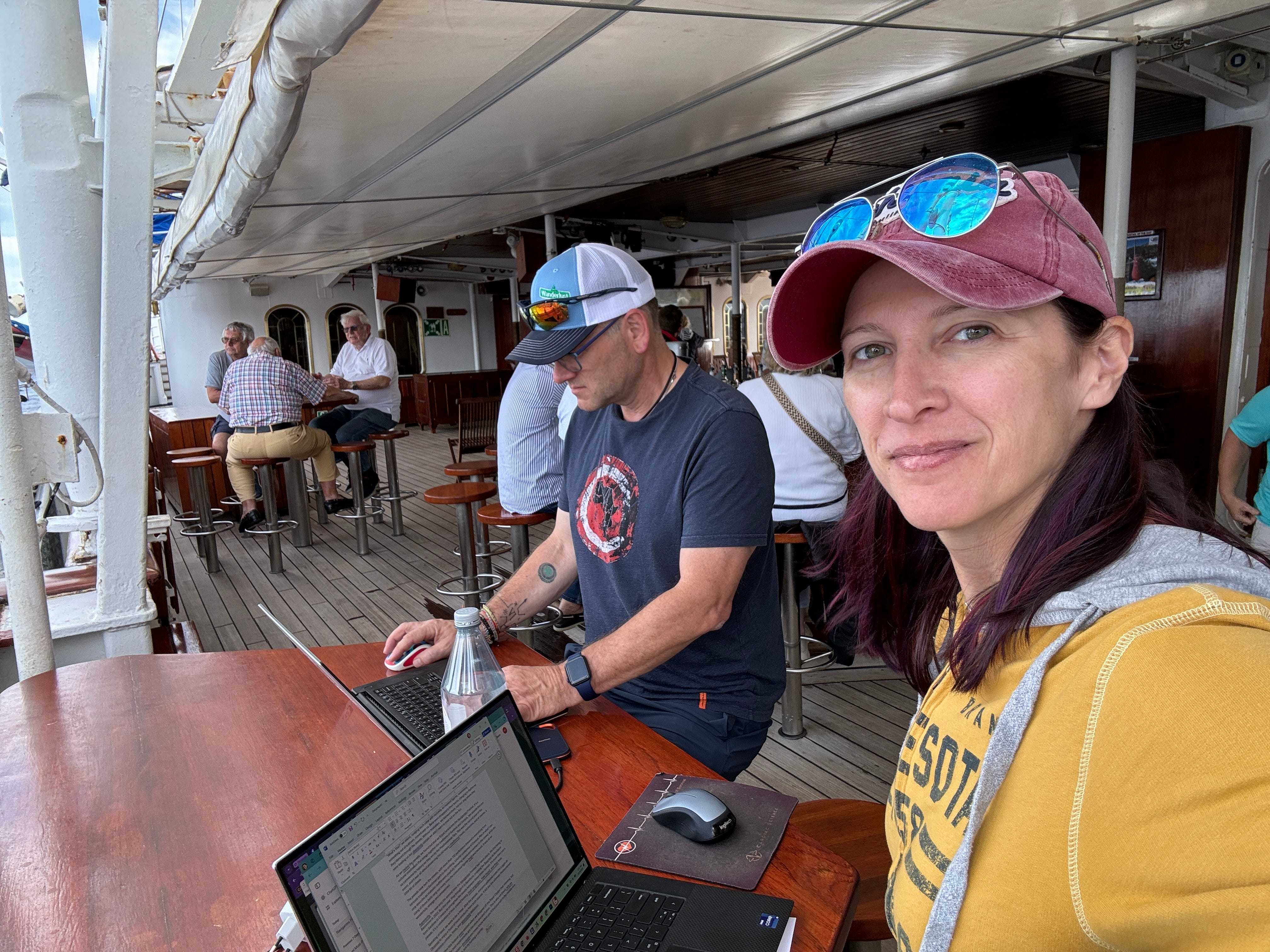
Why is that the default? Why does “getting away” so often mean bringing the to-do list with you, just a different version of it? Why can’t we just go, and let everything, the garden, the chores, the projects, wait until we’re back? Why can’t we allow ourselves a true and full vacation?
And the irony is, even once we get past all that and actually go, there’s a whole second voice waiting on the other side. The one that says: okay, you’re here. Now make it count.
For years, Mark and I tried to visit every state park in Minnesota. If you’ve never done this, here’s how it works: you look at a map, you pick one you haven’t been to, and you go. That’s the entire anchor. Which park haven’t we seen yet?
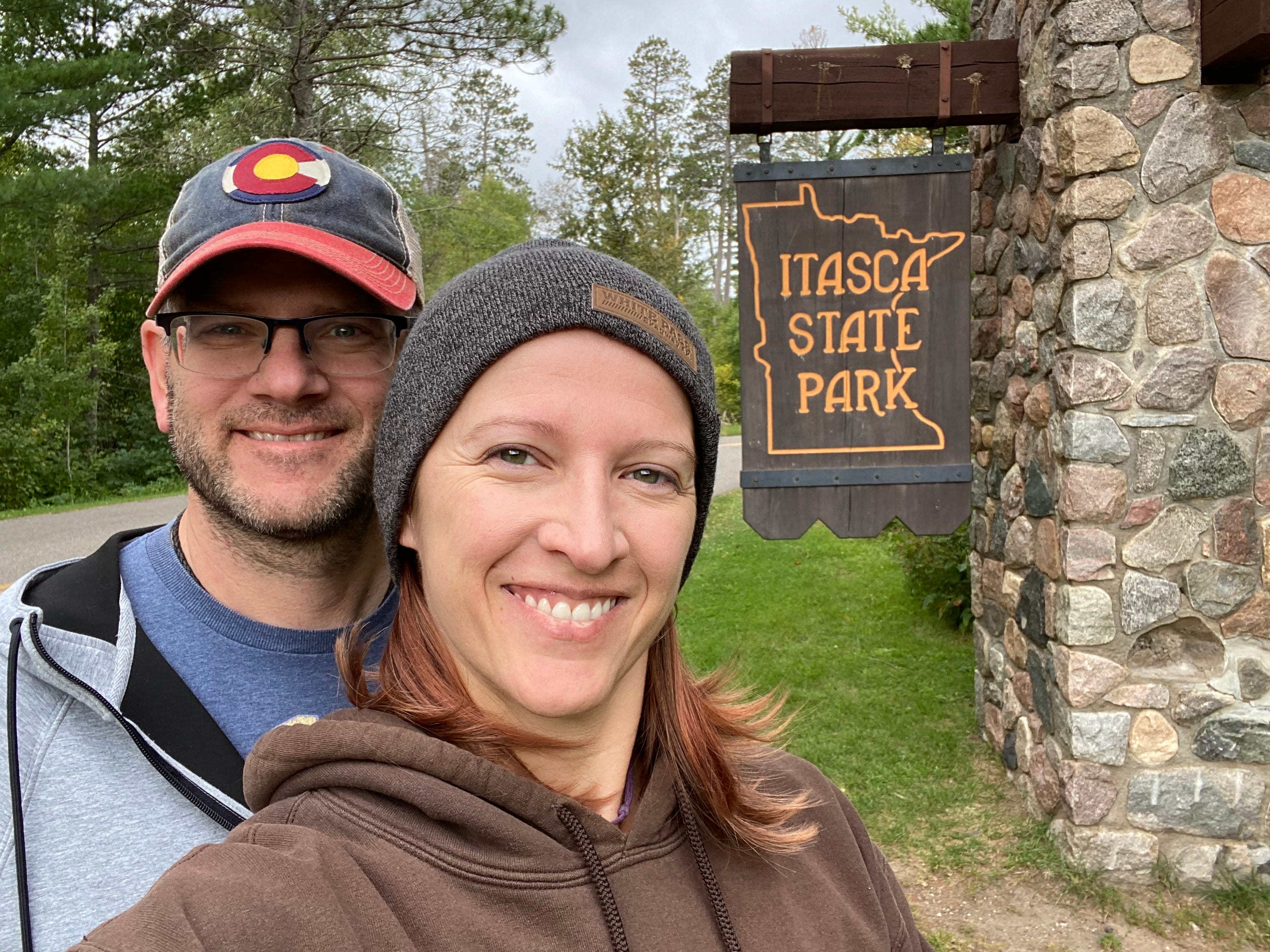
No itinerary. No “things to do in the area” research rabbit hole. Just: this park, this weekend, let’s see what’s there.
Somewhere along the way, though, even that started to feel like it needed more. Like a weekend trip to a state park wasn’t really a trip unless it came with a plan, a list, a reason it mattered. Like it had to earn its place on the calendar by being a Big Deal.
It doesn’t. It never did. The park was the anchor. Everything else was just whatever happened once we got there.
Here’s the thing nobody tells you about the mental load of travel: it’s almost never actually about the logistics.
It’s about the story the trip is supposed to tell, about making the most of the precious time we’ve taken off to be here. Somewhere along the way, “we took a few days and just walked around a new place” stopped being enough on its own. It needed to be a big deal. Once in a lifetime. Bucket list. Instagrammable. If you can’t sum it up in a single impressive sentence, the assumption is that it must not have been worth doing.
A long weekend at a state park you’ve never been to? But what are you actually going to do there? Hike for an hour and then just... sit? Relax? That’s it? Don’t sleep in, don’t waste daylight, you’ve got to make the most of every single day, you’re on vacation!
A day spent just walking around a new neighborhood with no agenda? That’s not really “doing” anything, is it?

None of this is about tomatoes, or potato bugs. It’s about the pressure to make rest look like it was worth the time off. And that pressure can turn a simple trip into something that feels like work before it even starts. To make it “worth it,” we end up packing in more than we need, more stops, more photos, more proof.
There’s another layer to this too.
Somewhere along the way, your trip stopped being just for you. It became something to document, something that needed to look a certain way to people who, if we’re honest, don’t actually matter that much to us. A short trip can feel like it needs a highlight reel to justify itself. A weekend at a state park can feel almost embarrassing to post about. That’s it? That’s the whole trip?
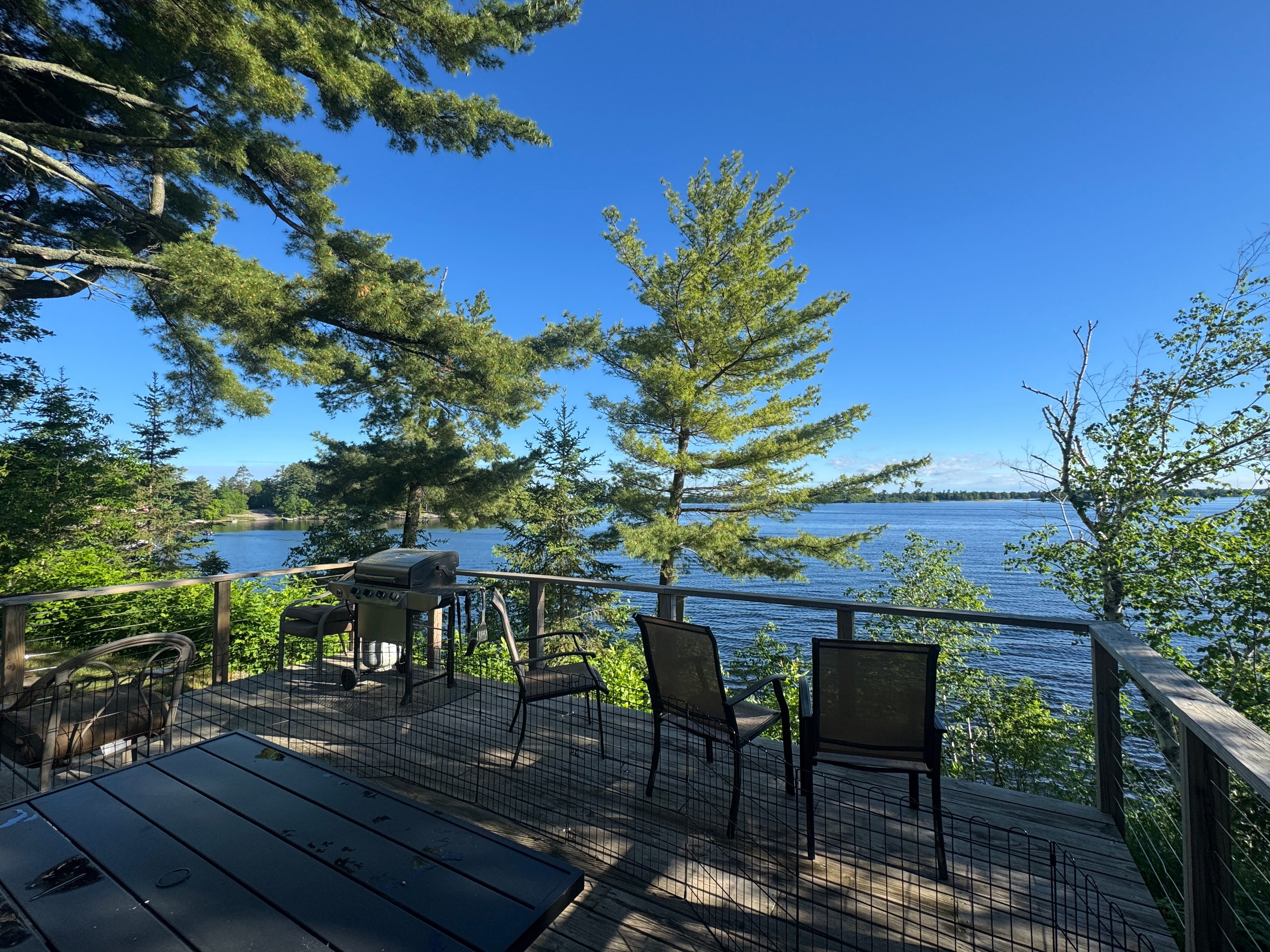
But nobody who matters is keeping score. The people scrolling past your photos for two seconds were never the point, and they were never going to be impressed enough to make it worth staying home instead.
So let’s add it up.
Before you even leave, there’s the version of you trying to outrun the garden, the chores, the inbox, the version of “rest” that secretly means “catch up on something else instead.” Then there’s the version of you standing at the destination, feeling like you have to hike AND relax AND see everything AND make it look like it mattered. And underneath both of those, quietly, the version of you wondering if anyone watching will think it was even worth posting about.
Three versions of you, all working against the actual point of the trip, all before you’ve taken a single real breath of it in.
That’s not rest. That’s just a different to-do list, with sand in it.
Here’s what we’ve learned, the hard way, more than once.
The trips that have stuck with us most, the ones we actually tell people about, almost never started with a big plan. They started with one small, specific thing.
A show we wanted to see. A country we hadn’t been to. A deal that landed in our inbox. A park we hadn’t seen yet.
That’s it. That’s the whole anchor. Everything else, the food, the walking, the weird and wonderful things that happen when you’re just out in the world paying attention, that’s not the plan. That’s just what happens when you go.
The planning isn’t the obstacle. The feeling that the trip needs to deserve the planning, that’s the obstacle. And it’s almost always lying to you.
Be okay with sitting still. Leave yourself room for something unexpected, the kind of thing there’s no way to plan for because you don’t even know about it until you’re standing right in front of it. Happiness rarely shows up because you scheduled it. It shows up because you left space for it. And if it doesn’t show up at all, be okay with that too. Sit in the stillness. Take in where you actually are, not the highlight reel version of it, but the version the people who live there see every day.
Sure, we've missed a reservation here or there because we found something on the fly instead of locking it in weeks ahead. But over time, the flexibility has outweighed every one of those missed opportunities, by a long shot.
The magic is realizing how many ways there are to live a good life. You start to see your own life a little differently once you’ve seen someone else’s. Not because theirs is any better or worse, but because it simply proves your way isn’t the only way, and that’s strangely freeing.
So here’s the actual suggestion, if you’ve got a free weekend, or three days, or even a whole week, and a nagging feeling that doing anything with it would be “too much”:
Pick one thing.
A show. A trail. A restaurant you’ve been meaning to try. A country you’ve never been to. A park an hour from your house that you’ve literally never been to, despite driving past the sign for it a hundred times.
Book that one thing, or just decide on it. Don’t build an itinerary around it. Don’t research “best things to do near” it. Don’t think about how it’ll look to anyone else. Just let that one thing be the whole reason, and let everything else be whatever it’s going to be.
And if a small voice tells you it’s not worth the effort for something so short, or that you should really use the time to catch up on something instead?
Let it talk. Then go anyway.
The tomatoes will be fine. The inbox will still be there. The garden will survive a week of weeds.
But you only get so many weekends. So many three-day windows. So many chances to just go.
Stop waiting for permission you’re never going to give yourself.
Go.
Comments
Nothing yet. Say the first thing.
Sign in to join the conversation.