

Red, white, or sparkling — whatever your preference, sipping American wine is the way to go on July 4th. Two hundred fifty years ago, the thirteen colonies sent Great Britain the ultimate breakup letter: the Declaration of Independence. From those bold beginnings, we’re now a nation of fifty states — and every single one produces wine. (Tasting a wine from all fifty is one of my personal goals!) There’s no shortage of great American wine, but for the 250th, I’m going back to where it all started: four picks from the original thirteen colonies. Behind each bottle is a different story — a small sip of the American experience. Cheers!
(Note: The date next to each state indicates the year it became a British colony.)
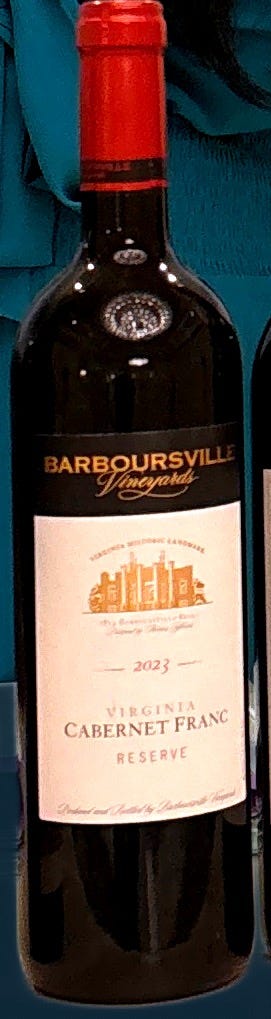
In 1607, Virginia (Jamestown) was the first permanent English settlement in America and became a colony in 1624. Thomas Jefferson, a native Virginian, author of the Declaration of Independence, and the third president of the United States, was also a wine lover. Not only did he stock his cellar with fine French and Italian wines, but he also attempted to plant European grape varieties in Virginia, only to fail miserably. In 2022, I visited Virginia wine country on assignment for Travel + Leisure; my itinerary included a tasting at Barboursville Vineyards, where charming Italian native Luca Paschina makes beautiful wines, including the superb Barboursville Vineyards Cabernet Franc Reserve 2023 ($25). I included this wine in my seminar at the Food & Wine Classic in Charleston last year, and it was a crowd-pleaser. Crafted from estate-grown grapes from vines originating in France (Loire Valley, Pomerol, and St Émilion), it is supple and balanced.

Jefferson looms large in American history and at Barboursville. The ruins of a building designed by Jefferson remain on the property. I recall a placard next to a portrait of him in the barrel room: “We could, in the United States, make as great a variety of wines as are made in Europe, not exactly of the same kind but doubtless as good.” As I chronicled in my article, being at Barboursville was emotional for me: “As a descendant of enslaved people, my feelings on Jefferson, a well-documented enslaver of human beings from Africa, are complicated — to put it mildly. I’m sure he could never have imagined that someone like me would one day be involved in sharing the beauty of wine.”

Yes, the Ocean State is our nation’s smallest, but my recent trips to Providence for the Rhode Island Wine Experience have shown me that it is a formidable culinary hotspot with a strong wine community. Since 1988, Greenvale Vineyards has been producing signature wines on a farm established in 1863 and in the family for eight generations.
I was surprised to see Albariño so far from Galicia, Spain, and northern Portugal, but the variety is well-suited to Rhode Island’s cool maritime climate. Greenvale Vineyards Albariño Pétillant-Naturel 2025 ($40) is lively, crisp, and fruit-forward. And the natural carbonation from the Pétillant-Naturel (méthode ancestrale) process makes it fantastically fizzy.
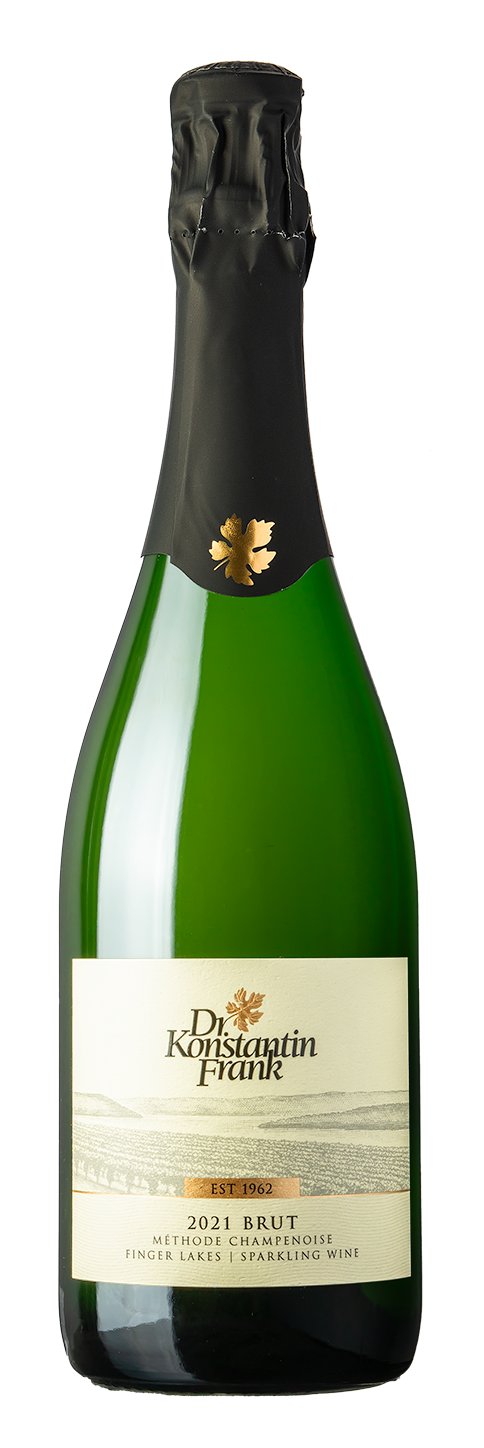
Pop the cork on a bottle of New York bubbly for July 4th. My home state is the USA’s third-largest wine producer and makes an astounding array of quality wines. Dr. Konstantin Frank Brut 2022 (Finger Lakes, $35) is a consistently delicious traditional-method bubbly, made in the same labor-intensive method as Champagne. A blend of Chardonnay, Pinot Noir, and Pinot Meunier, it is crisp, creamy, and complex. In a nation where immigrants have contributed so much to the country’s success, Dr. Frank’s story is inspiring. He survived two World Wars and the Russian Revolution before immigrating from Ukraine to the United States in 1951, at 52. He spoke no English, had no money, but was equipped with a PhD in Viticulture and a can-do spirit. In 1958, Dr. Frank launched the vinifera revolution by successfully cultivating European vinifera grape varieties, including Riesling, in the Eastern United States, where 300 years of attempts before him had failed. The estate remains family-owned and operated by his descendants.

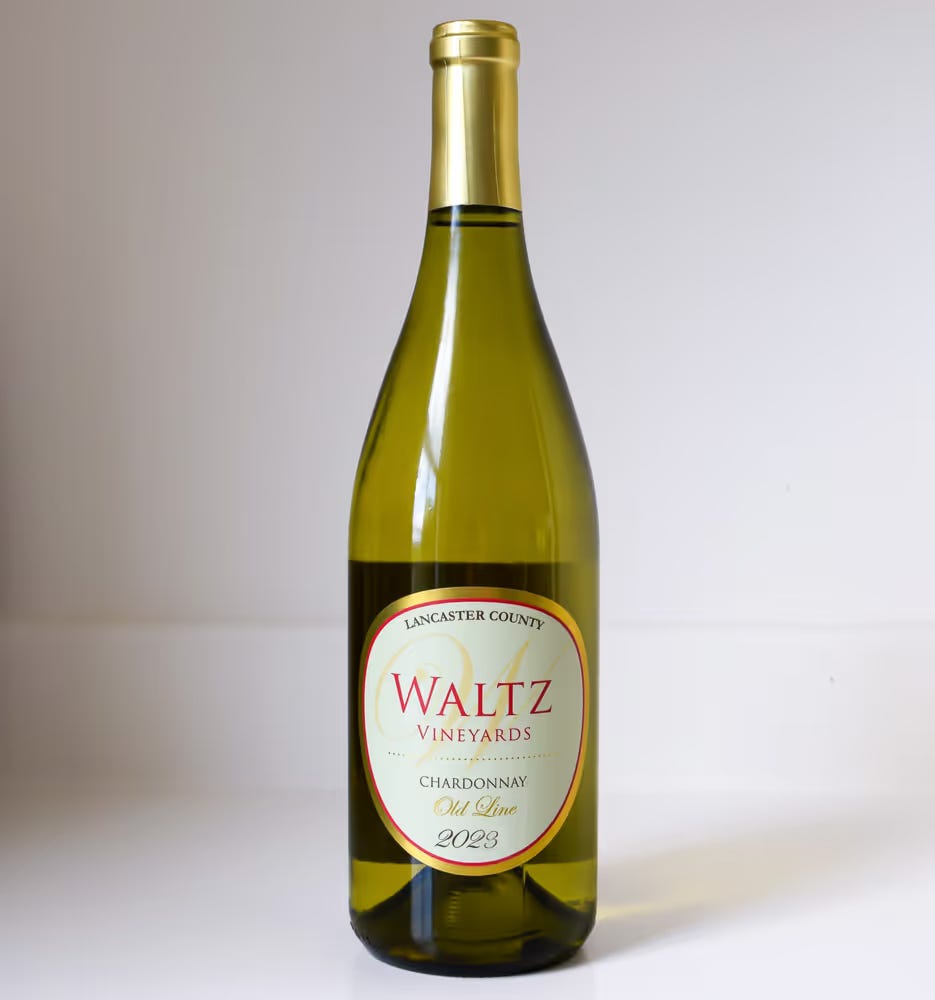
Fifty years ago, American wines made history at the Judgment of Paris. One of the many events worldwide commemorating the occasion was the Judgment of Davis in May 2026. The blind tasting was hosted at UC Davis in Northern California, which is world-renowned for its viticulture and enology program. Unlike the Judgment of Paris, which focused exclusively on French and California wines, the Judgment of Davis was open to Chardonnay and Cabernet Sauvignon from around the world. I served as one of the expert judges in the blind tasting, and when Waltz Vineyards Old Line Chardonnay 2023 (Lancaster County, Pennsylvania, $27) was revealed as a finalist, applause broke out.

The Waltz family makes wine at their sixth-generation hilltop farm in Lancaster County. For generations, the farm produced traditional crops, including corn, wheat, and tobacco. In 2000, they handcrafted their first wine in a garage, and now Waltz Vineyards is winning awards. The Old Line Chardonnay is lightly oaked (French oak) and beautifully balanced. This charming wine shared the stage at Davis with fine expressions of Chardonnay from across the globe, including Burgundy, and held its own.
.
Comments
Nothing yet. Say the first thing.
Sign in to join the conversation.