
It usually begins with a guide asking a perfectly reasonable question.
“So, has everyone had a chance to read the tour description?”
Silence.
Or worse, someone cheerfully replies, “No, but we’re sure it’ll be fine.”
That sentence has the power to age a tour operator by several years.
After decades of guiding people through the mountains, coastlines, castles and hidden corners of Wales, I can confidently say that one of the biggest challenges isn’t the weather, traffic, or even the occasional sheep blocking the road. It’s the growing number of people who book tours without reading what they’ve actually booked.
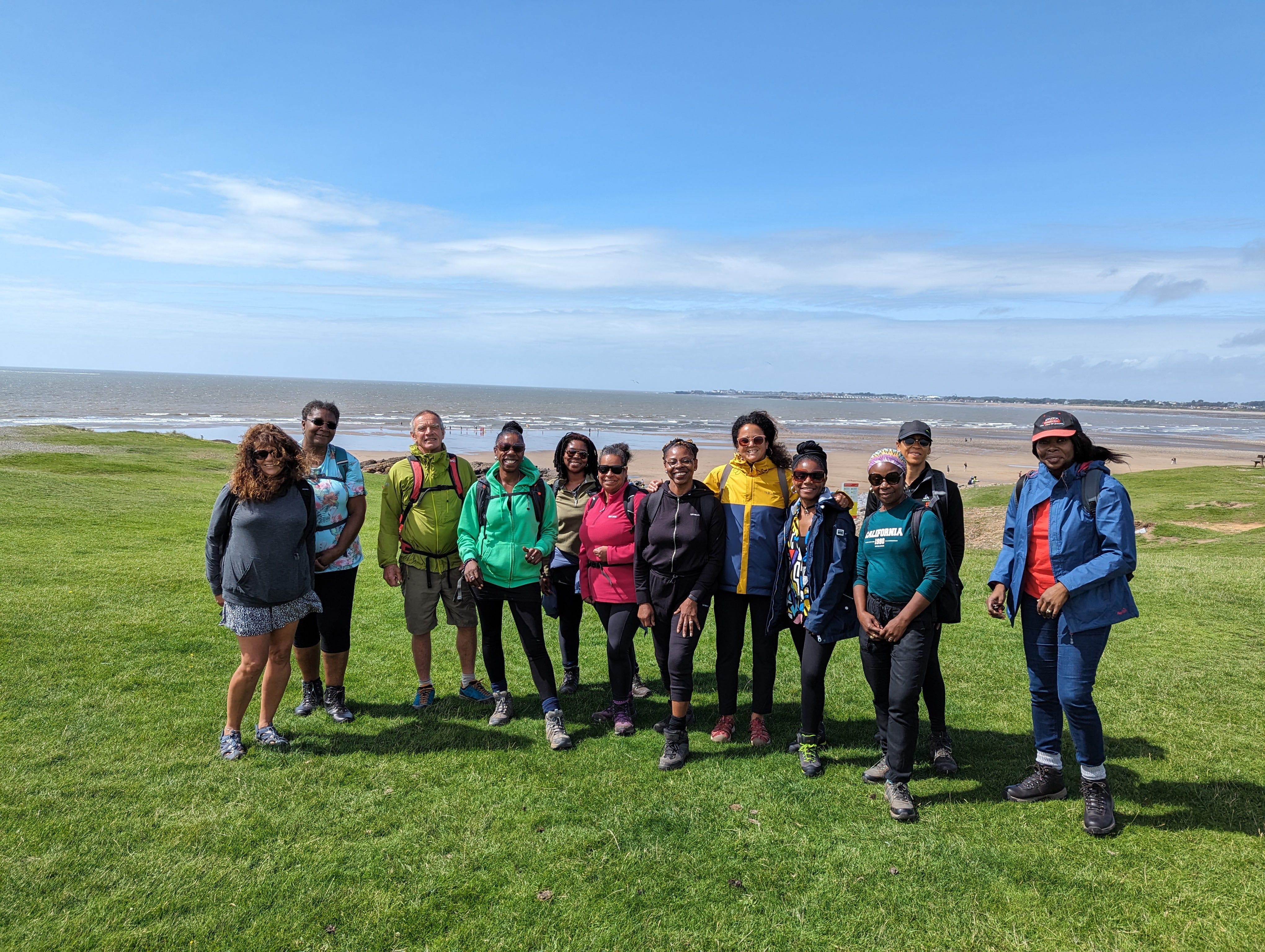
This isn’t a complaint about beginners. Everyone starts somewhere. It isn’t about fitness levels either. I’m always happy to help people choose a tour that suits them.
The frustration is that the information is there. The distance is there. The difficulty is there. The attractions are listed. The itinerary is explained. The photographs show exactly what the day involves.
Yet some people still arrive expecting something entirely different.
This is the classic.
A hiking tour is advertised as a 10-mile mountain walk with steep ascents, rough terrain and a full day outdoors.
At the start of the walk someone asks, “How far are we walking?”
When I answer, they look genuinely shocked.
“Oh, I can only manage a few miles.”
This creates an impossible situation. The guide cannot shorten a mountain route halfway through because one person didn’t read the description. The rest of the group booked the tour specifically because they wanted the advertised hike.
I’ve had guests wearing unsuitable footwear, carrying no water, bringing no waterproof clothing, and being surprised that a mountain hike involves… mountains.
The irony is that there are plenty of shorter, easier walks available. The wrong booking often happens not because the right option doesn’t exist, but because the description was never read.
This sounds unbelievable until you’ve experienced it.
A visitor pays for a guided tour that includes specific attractions, transport, historical interpretation and a carefully planned itinerary.
Halfway through the day they ask, “What’s this place called?”
Or, “Is this the castle?”
It becomes clear that they have no idea what they have paid to see.
Imagine buying theatre tickets without checking the show, or booking a concert without knowing the artist.
Yet it happens regularly in tourism.
The attraction wasn’t hidden. It was in the title of the tour.
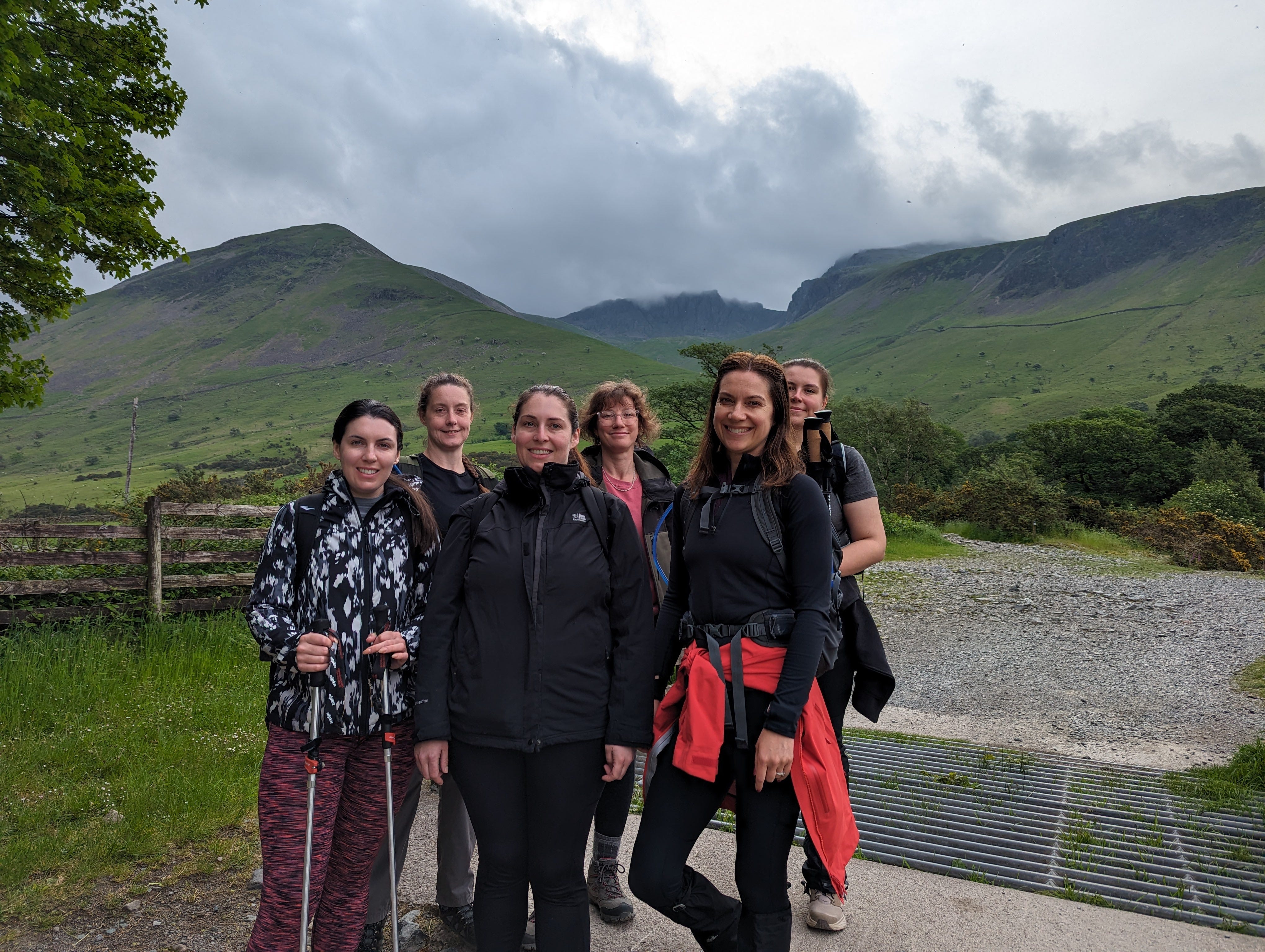
Most visitors don’t realise that a tour is a carefully balanced operation.
A hiking group moves at a planned pace.
Transport is timed around opening hours.
Attractions are booked in advance.
Lunch stops are selected for capacity.
The day has been designed so that everyone gets the experience that was advertised.
When someone arrives completely unprepared, the guide has to spend disproportionate time managing a preventable problem.
That can mean slowing an entire group, modifying safety decisions, changing logistics, or dealing with disappointment that could have been avoided.
The internet has trained people to click quickly.
Book now. Limited availability. Last few spaces. Instant confirmation.
In that environment, reading becomes optional. But tours are not takeaway deliveries. They are experiences. The details matter.
A waterfall walk is different from a sightseeing tour. A mountain hike is different from a gentle countryside stroll. A historical tour is different from an adventure activity.
The description exists to help people choose the experience they will enjoy.
Join The Wales Tourism Community
Here is the surprising part.
Guides are not trying to catch people out. We genuinely want guests to have a fantastic day. We want people to finish a hike feeling proud. We want visitors to be fascinated by a castle, moved by a landscape, and inspired by the stories of Wales.
Reading the tour description helps us achieve exactly that. It tells you whether the walk is suitable. It tells you what clothing to bring. It tells you which attractions you’ll visit. It tells you how long the day will be. It tells you what level of fitness is required.
Those details are not marketing fluff. They are practical information designed to make your experience better.
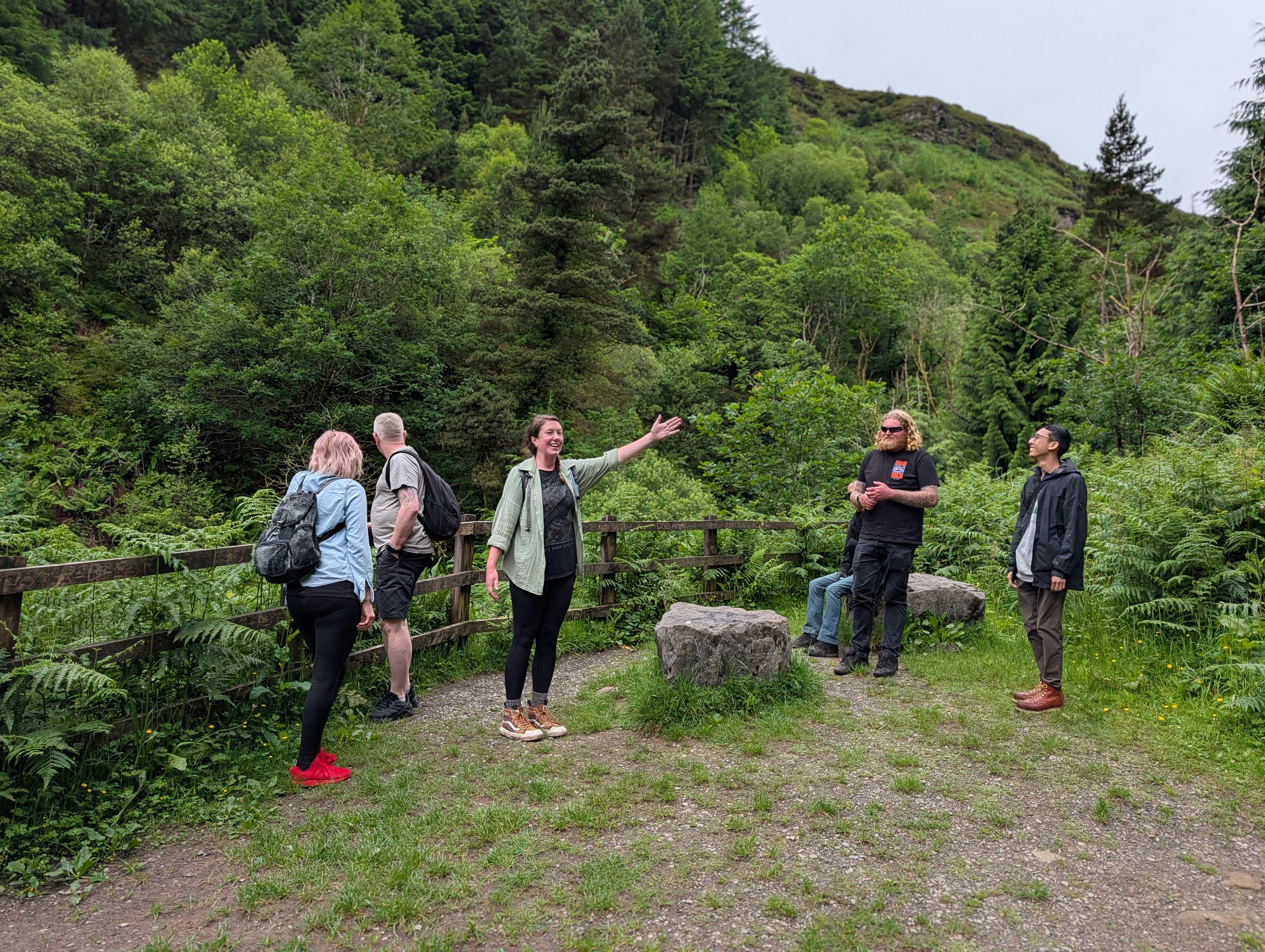
So this is a gentle plea from a tour operator.
Before booking, read the itinerary.
Read the distance.
Read the difficulty.
Read the attraction list.
Read the meeting instructions.
And if you’re unsure, ask.
I would far rather answer ten questions before a booking than deal with one disappointed guest on a mountain.
Because the best tours happen when expectations and reality meet in the same place.
And ideally, that place is a beautiful Welsh summit rather than a car park where someone has just discovered that a 10-mile hike is, in fact, 10 miles long.
You can book our walks and tours through the Wales Outdoors Website.
Your support is what allows these articles to keep being created and is enormously appreciated. Thank you.
Comments
Nothing yet. Say the first thing.
Sign in to join the conversation.