
When French pioneer Nicéphore Niépce created what is widely regarded as the first photograph around 1826, he introduced a radically new medium for fixing images formed by light itself. For the first time, reality could be captured directly from nature, without relying on the interpretation or subjectivity of painting. His process of héliographie, or “sun writing,” marked the beginning of a two-century progression centered on how accurately reality could be captured.
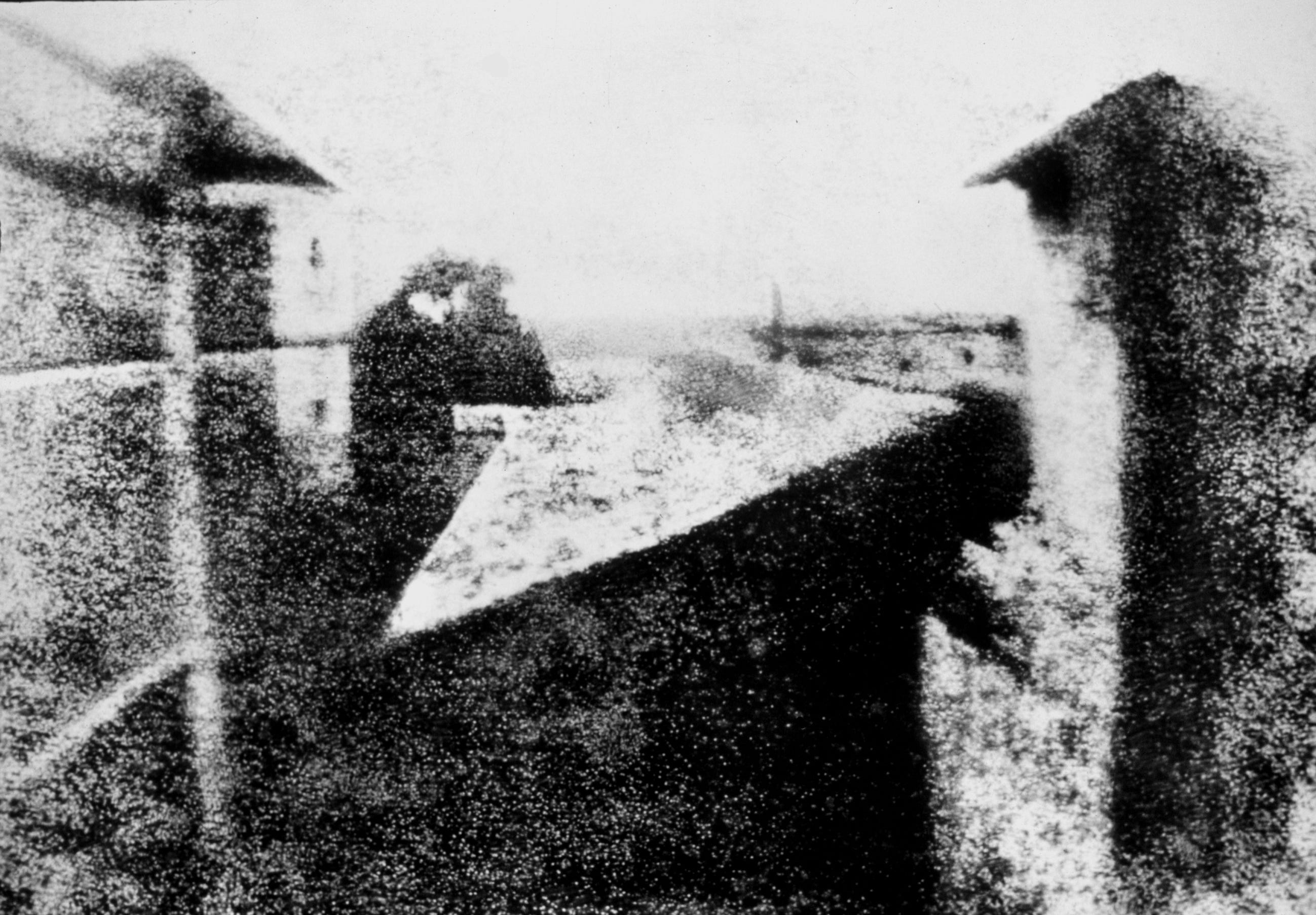
What began as a fragile experiment in Saint-Loup-de-Varennes became a global visual language, driven by the desire to see and preserve the world as truthfully as possible.
Those ideals thrived for centuries, but today they are at risk.
We have entered a time where we can no longer be certain whether an image is real. With the rise of AI and computational photography, the way that images are created and understood has fundamentally changed. Photography was once a direct capture of a fleeting moment; now it is increasingly constructed, processed, and interpreted by software.
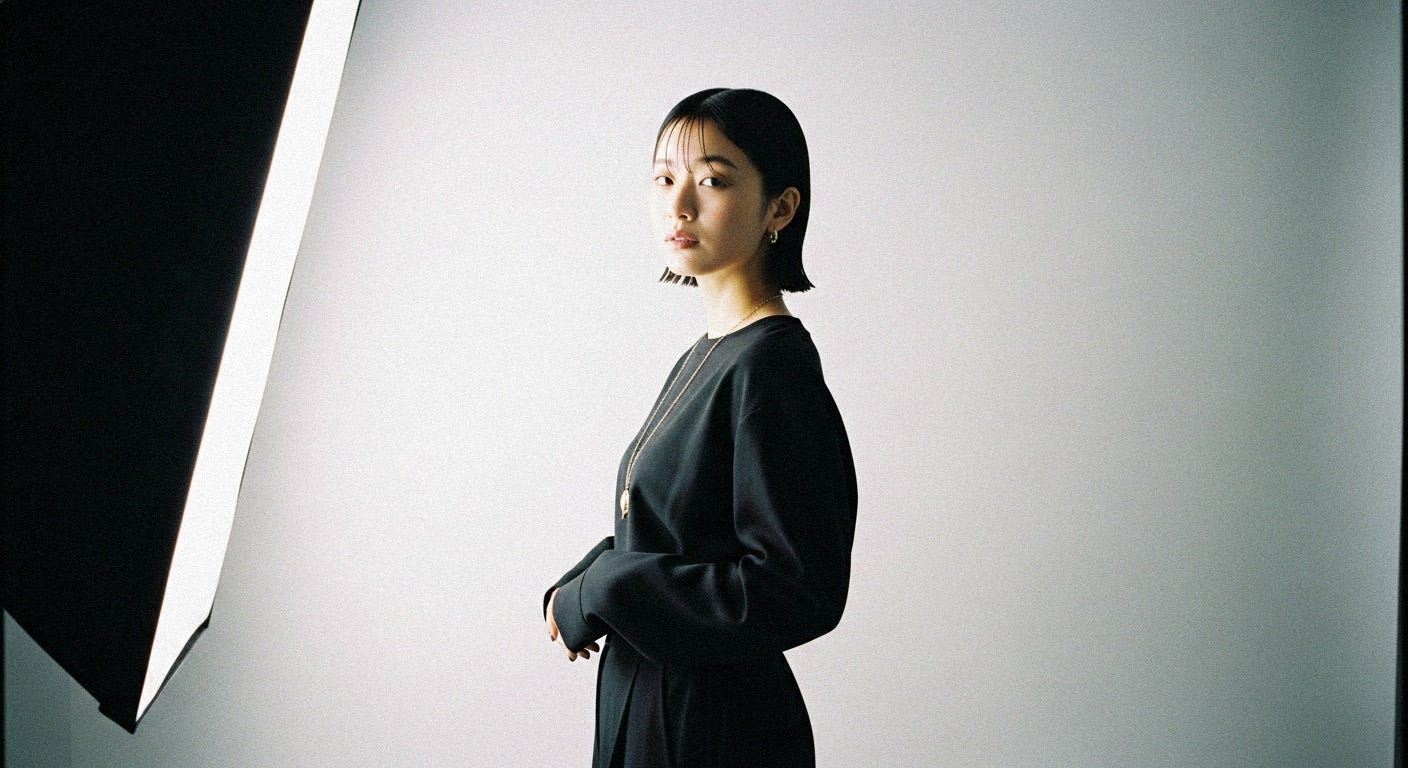
AI-driven editing and image generation are becoming widespread and capable of producing almost anything visually.
It is becoming increasingly difficult to distinguish between what was captured and what was constructed — a shift that has implications not only for photography, but for trust, memory, and documentation.
Even most images taken by phone cameras are heavily processed before we see the result. Techniques such as HDR stacking, tone mapping, and synthetic effects produce a standardised aesthetic across devices — what people commonly describe as “the phone look”.
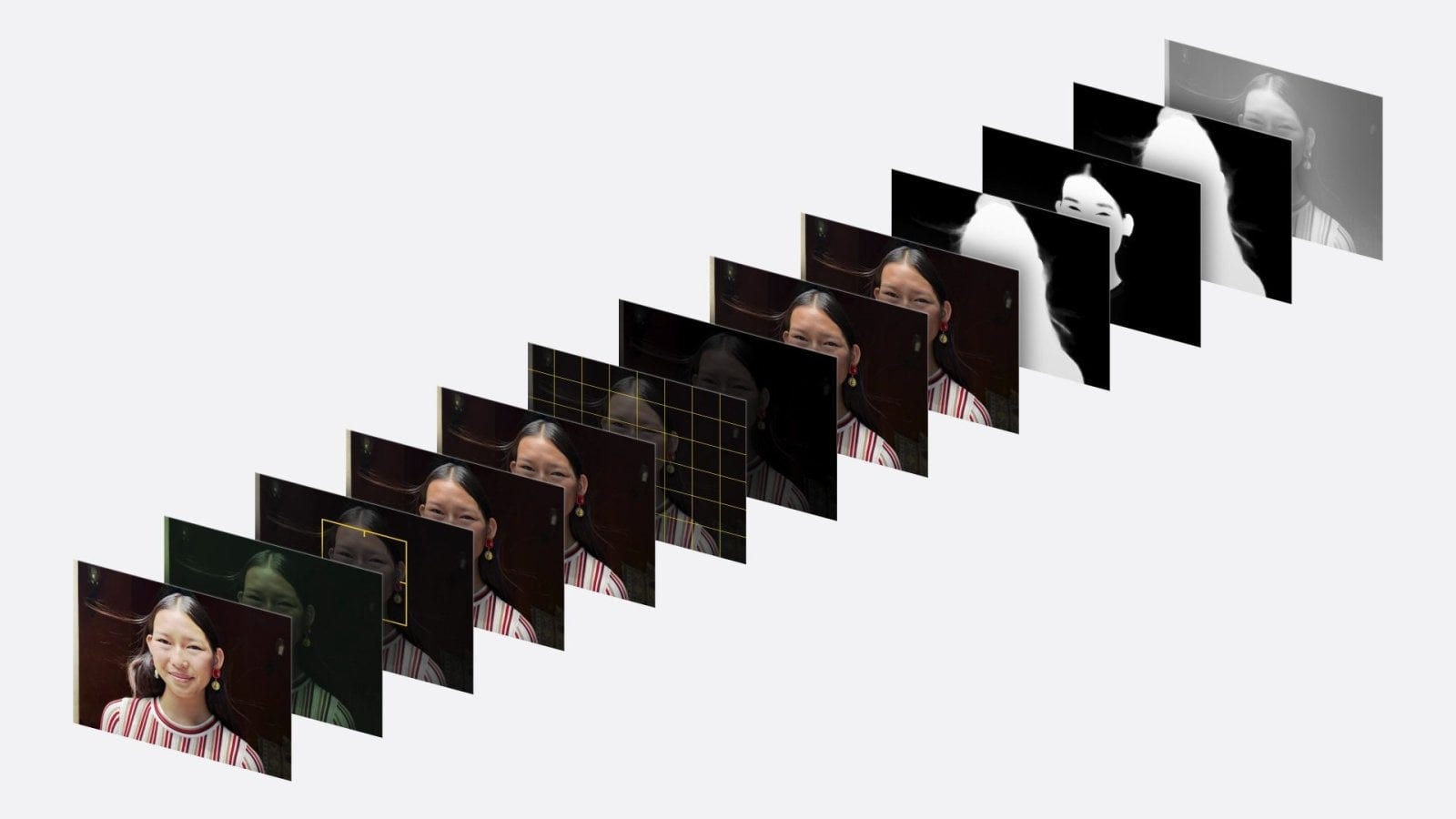
A simple way to understand this is through food. Much of the imagery we see has become the visual equivalent of ultra-processed products — optimised, standardised, and designed for immediate appeal, yet increasingly disconnected from its source.
Control over the output is limited, and tools that allow for more intentional photography are often hidden or treated as secondary.
As a result, authorship is diminished, and visual diversity begins to fade.
We believe in tools that support authorship, enable traceability, and encourage intentional photography. That the act of capturing reality should be in the hands of the person behind the camera.
We contribute by building tools shaped around these principles, while supporting open standards that aim to restore trust in images.
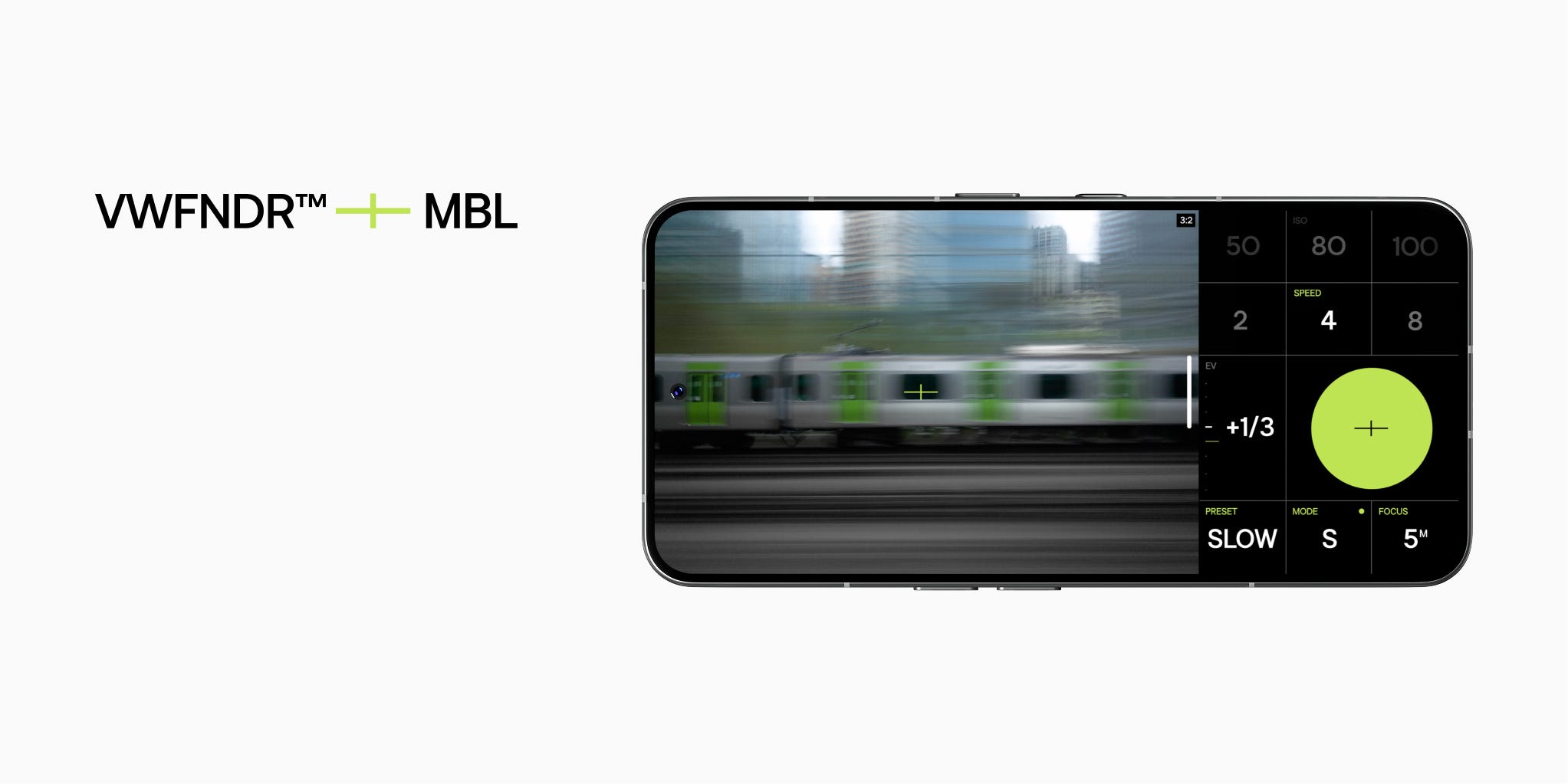
Viewfinder Mobile is designed to bring control back to the user. It enables true RAW capture from your phone, without synthetic layers or baked-in processing. It is a tool that allows you to move from automatic to manual, and to frame and capture reality on your own terms. Made freely available to millions of users.
SINGLE CAPTURE, UNPROCESSED RAW (DNG)
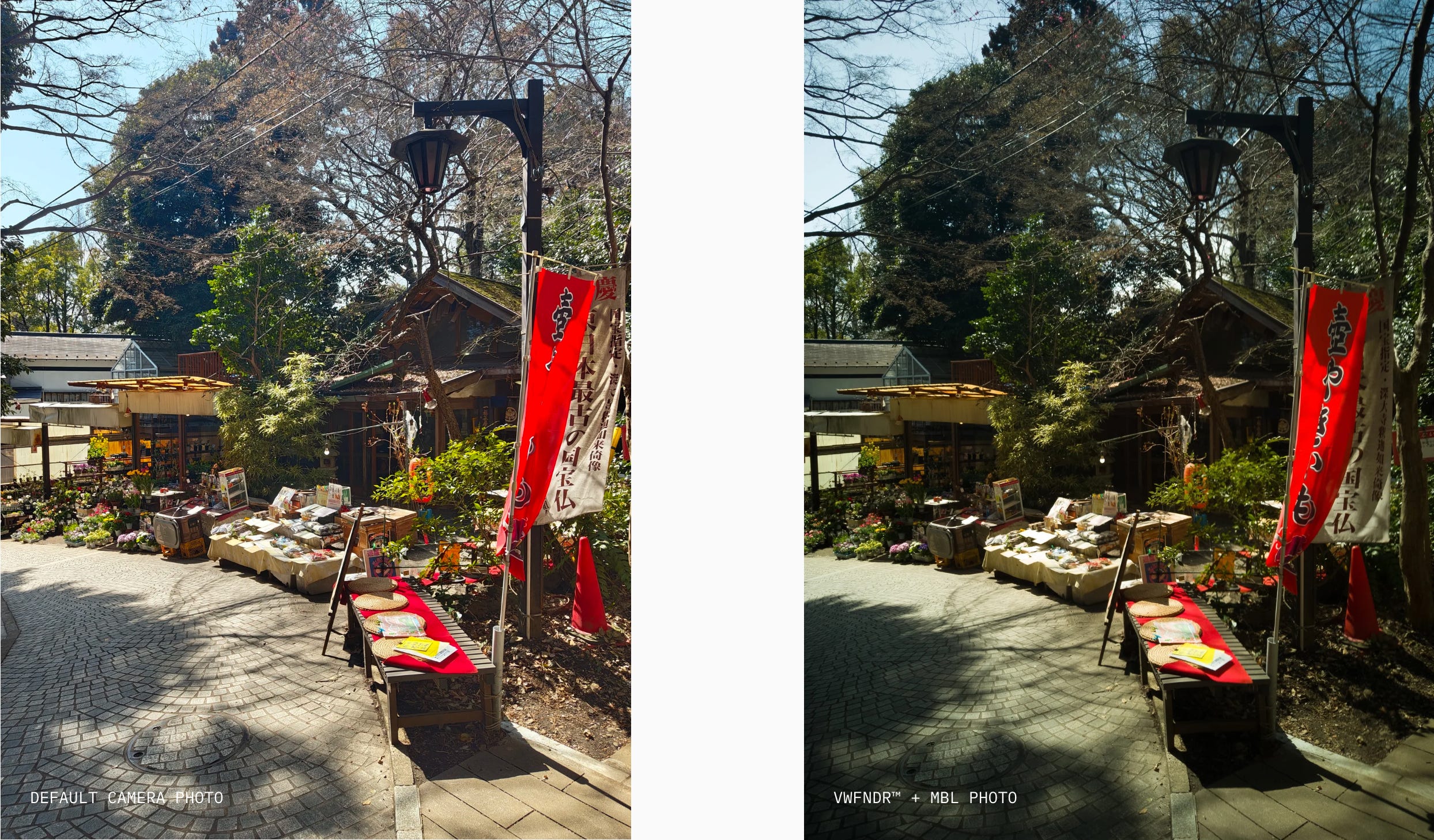
RAW formats remain the closest representation of what a camera actually captures. They preserve more information, minimise processing, and allow full control when editing the final image. In this sense, they turn a phone into a true photographic tool.
VERIFIABLE AUTHORSHIP VIA CONTENT CREDENTIALS
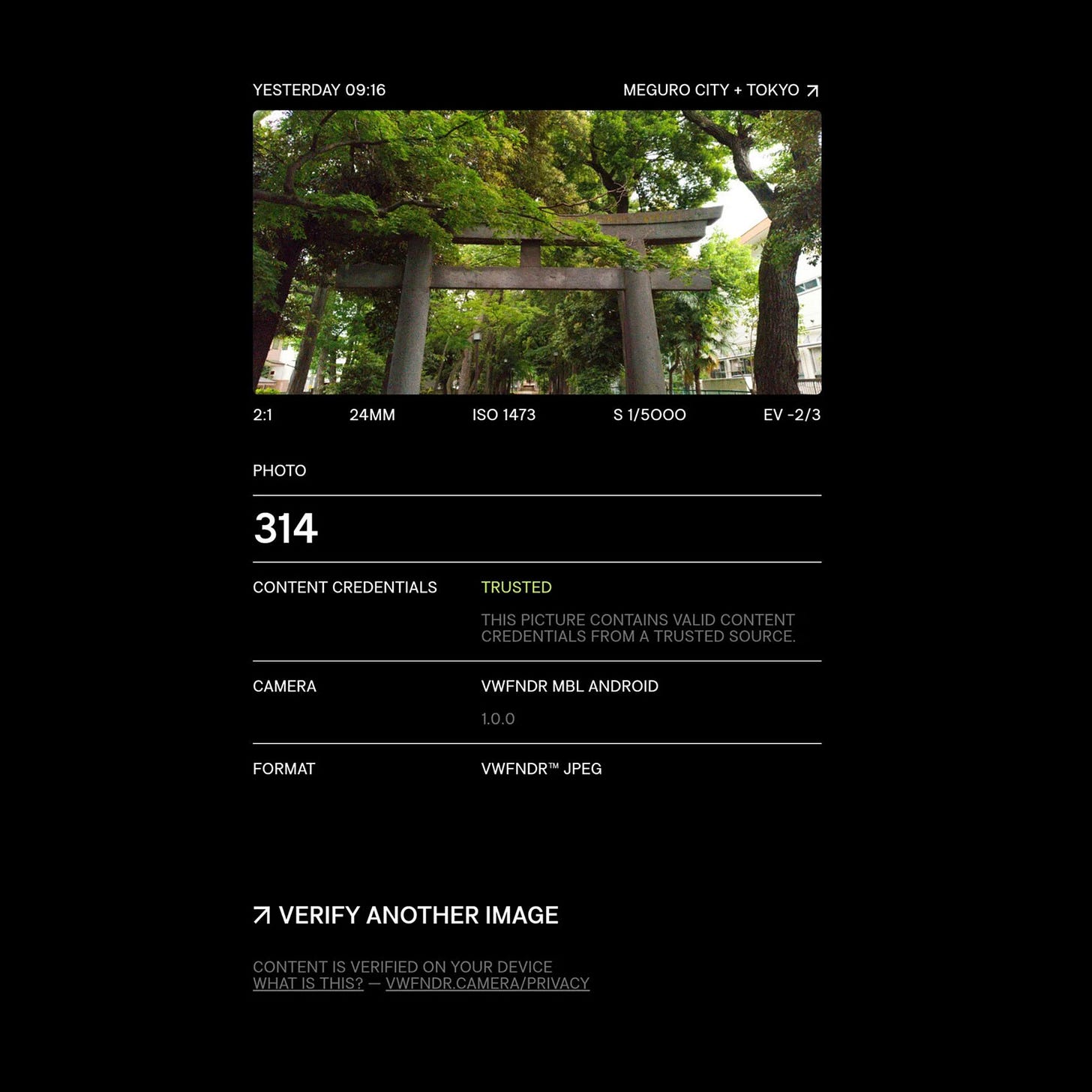
New standards are emerging to restore trust in photography. Content Credentials attach tamper-evident records at the moment of capture, making it possible to verify where an image came from, how it was created, and whether it has been altered.
We believe embedding these credentials is essential. They prove that an image was captured by a real camera at a specific moment in time. Grounded in open standards like C2PA, this approach points toward a more transparent, traceable, and accountable future for photography.
With MBL, VWFNDR™ is the fourth company in the world to achieve C2PA Level 2 conformance, and the second, after Google, to support it for DNG.
REAL PHOTOGRAPHY MUST REMAIN IN PEOPLE’S HANDS
With the same energy and intention that drove us to start VWFNDR™ in 2023, we are dedicating our time and effort to building a collaborative space where we, as members, shape and take ownership of what we believe should exist for the benefit of the photographic community.
We have defined a clear plan built around three milestone projects that will take us closer to the camera we believe should be a reality. To get there, “Project A” (MBL) and the upcoming “Project L” (Q4 announcement) play a critical role — not only in delivering tangible outcomes, but in strengthening our organisational and production learnings.
We are genuinely excited to share what’s coming. But this is real work, and real things take time. We appreciate your patience as we move forward.
VWFNDR™ + MBL — 002
BRINGING AUTHENTICITY TO THE MASSES
VWFNDR™ + MBL — 003
DESIGNING A COMPACT CAMERA YOU ALWAYS CARRY
Typed by real hands — Proofread by littlelizu and Sam Byford
Comments
Nothing yet. Say the first thing.
Sign in to join the conversation.