

NFA; DYOR
How to Identify and Trade Anomalous Candles in Bitcoin (or Any Other Chaotic Asset)?
Ah, the wild and unpredictable world of crypto.
Where logic takes a backseat, and a single tweet can send prices into orbit—or straight to the shadow realm. If you've ever stared at a Bitcoin chart and thought, "What kind of sorcery is this?", you're in the right place.
Let’s talk about anomalous candles, those juicy, oversized price spikes that make (or break) traders.
Anomalous candles are large, single-bar price movements that exceed the typical range of preceding candles. These may occur due to:
News Events: Major announcements, regulatory changes, or institutional movements.
Liquidity Gaps: Low market depth leading to sharp price movements.
Whale Activity: Large players executing massive buy or sell orders.
Short or Long Squeezes: Rapid liquidation of positions causing price spikes.
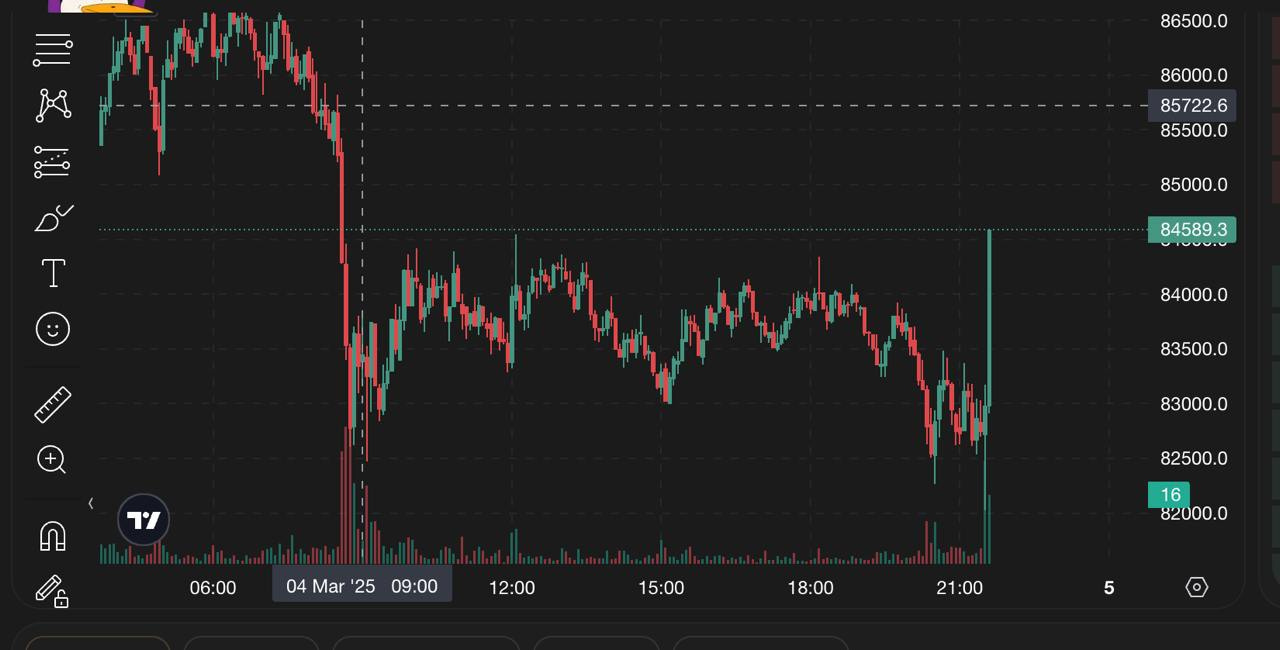
To detect anomalous candles on a Bitcoin chart, follow these steps:
Find Candles That Look Like They’re on Steroids: Compare the size of the current candle to previous ones within a set time frame (e.g., last 20 candles). If the body and wicks are significantly larger than usual, it’s a strong signal.
Use ATR (Average True Range): The ATR indicator helps measure volatility. If a candle’s range is significantly above the ATR value, it could indicate an anomaly. Either way, something’s up.
Observe Volume Spikes: Anomalous candles often coincide with a sudden surge in volume, confirming strong buying or selling pressure.
Check for Market Context: If the candle forms at a major resistance or support, expect drama. So consider whether the candle appears at a key support/resistance level, near trendlines, or after a consolidation phase.
Once an anomalous candle is identified, you can apply different trading strategies based on the context:
If an anomalous bullish candle breaks a key resistance level with strong volume, consider entering a long position.
If a bearish candle breaks support, it might signal a short opportunity.
Stop-loss: Place a stop below the breakout point to manage risk.
If an anomalous candle forms at a key level but is followed by a strong rejection (e.g., long wick), it might signal a trend reversal.
Look for confirmation with a reversal candlestick pattern like pin bars or engulfing patterns.
Entry: After confirmation from the next candle.
Stop-loss: Below the wick for bearish reversals, above for bullish reversals.
When an anomalous candle stretches too far from moving averages (e.g., 50 or 200 EMA), it may indicate a temporary overextension.
Look for a return to the mean (e.g., RSI above 80 for overbought conditions, below 20 for oversold).
Entry: When the price starts reverting to the mean.
Imagine Bitcoin is trading in a tight range at $60,000, and suddenly, a massive bullish candle forms, pushing the price to $62,500 within a 5-minute timeframe.
If volume is high and price breaks resistance, enter a long trade.
If the candle has a long upper wick and reverses, a short trade might be better.
If RSI is above 80, consider waiting for a pullback before entering.

1. Bullish Breakout Following Anomalous Candle
Scenario: Bitcoin trades within a narrow range, forming small-bodied candles, indicating low volatility. Suddenly, a large bullish candle breaks above a key resistance level, accompanied by a significant volume spike.
Interpretation: The anomalous bullish candle suggests strong buying interest, potentially initiating a new uptrend.
Possible takes:
Entry: Place a buy order just above the high of the bullish candle.
Stop-Loss: Set below the breakout point to manage risk.
Take-Profit: Target the next resistance level or use a trailing stop to capture extended gains.
2. Bearish Reversal After Anomalous Candle at Resistance
Scenario: Bitcoin approaches a known resistance level. A large bullish candle forms but closes with a long upper wick, indicating rejection at higher prices.
Interpretation: The long upper wick signifies selling pressure at the resistance level, hinting at a potential bearish reversal.
Possible takes:
Entry: Consider a short position below the low of the anomalous candle.
Stop-Loss: Place above the resistance level.
Take-Profit: Aim for the nearest support level.
3. Mean Reversion Following Anomalous Candle

Scenario: Bitcoin experiences a sharp price increase, resulting in a large bullish candle that stretches far above the moving average, pushing the Relative Strength Index (RSI) into overbought territory.
Interpretation: The overextension suggests that the price may revert to the mean.
Possible takes:
Entry: Initiate a short position when the price shows signs of reversing towards the moving average.
Stop-Loss: Set above the recent high.
Take-Profit: Target the moving average line.
4. Anomalous Candle Leading to Volatility Expansion
Scenario: After a period of low volatility with small candles, Bitcoin forms a large bearish candle breaking below a consolidation pattern, accompanied by increased volume.
Interpretation: The breakout indicates the start of a new trend with rising volatility.
Possible takes:
Entry: Enter a short position below the consolidation support.
Stop-Loss: Place above the consolidation resistance.
Take-Profit: Use a trailing stop to maximize potential gains as volatility increases.
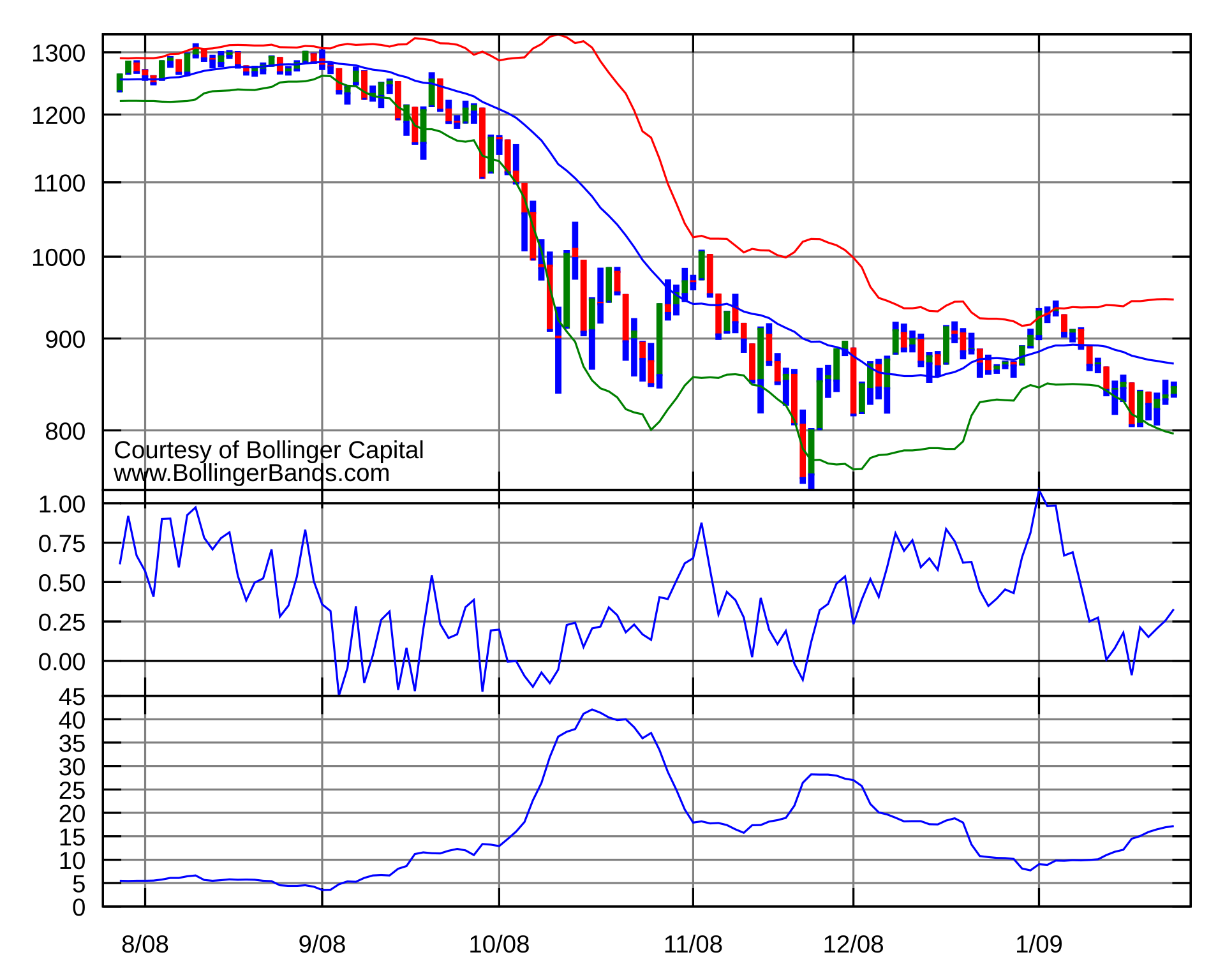
Incorporating technical indicators like Bollinger Bands can further enhance the analysis of volatility and anomalous candles. Bollinger Bands adjust to market volatility, expanding during high volatility and contracting during low volatility, helping traders identify potential breakout or reversal points.
By recognizing and understanding these setups, traders can better navigate Bitcoin's volatile market, making informed decisions based on anomalous candle formations.
Anomalous candles are gold mines—if you read them right.
Trade safe, use stop-losses, and for the love of all things crypto, don’t YOLO into every candle spike.
Comments
Nothing yet. Say the first thing.
Sign in to join the conversation.