
The silver market has continued to function for years despite persistent supply deficits.
Industrial demand kept growing. More silver was being consumed than mined. Yet physical shortages never became severe enough to force a major repricing.
China may have been central to that flow of silver.
Large amounts of silver doré were shipped to China for refining before finding their way back into global markets.
The steady flow of metal helped keep physical silver available while allowing producers to hedge future output in financial markets.
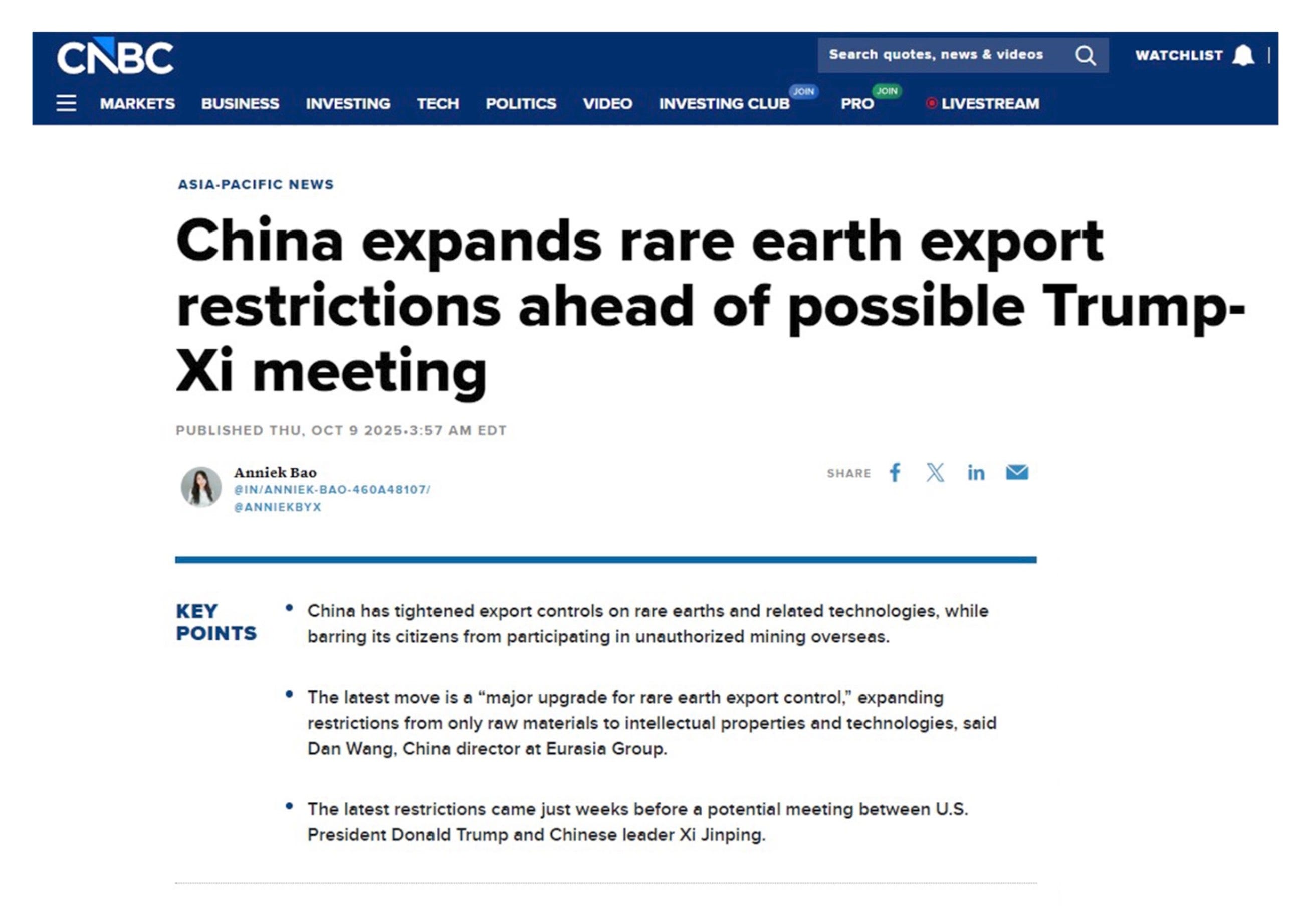
But trade tensions between the United States and China may have marked a turning point.
After the United States imposed higher tariffs, China tightened restrictions on rare earth exports and related technologies. Silver was also added to the U.S. list of minerals considered important for defence and advanced manufacturing.
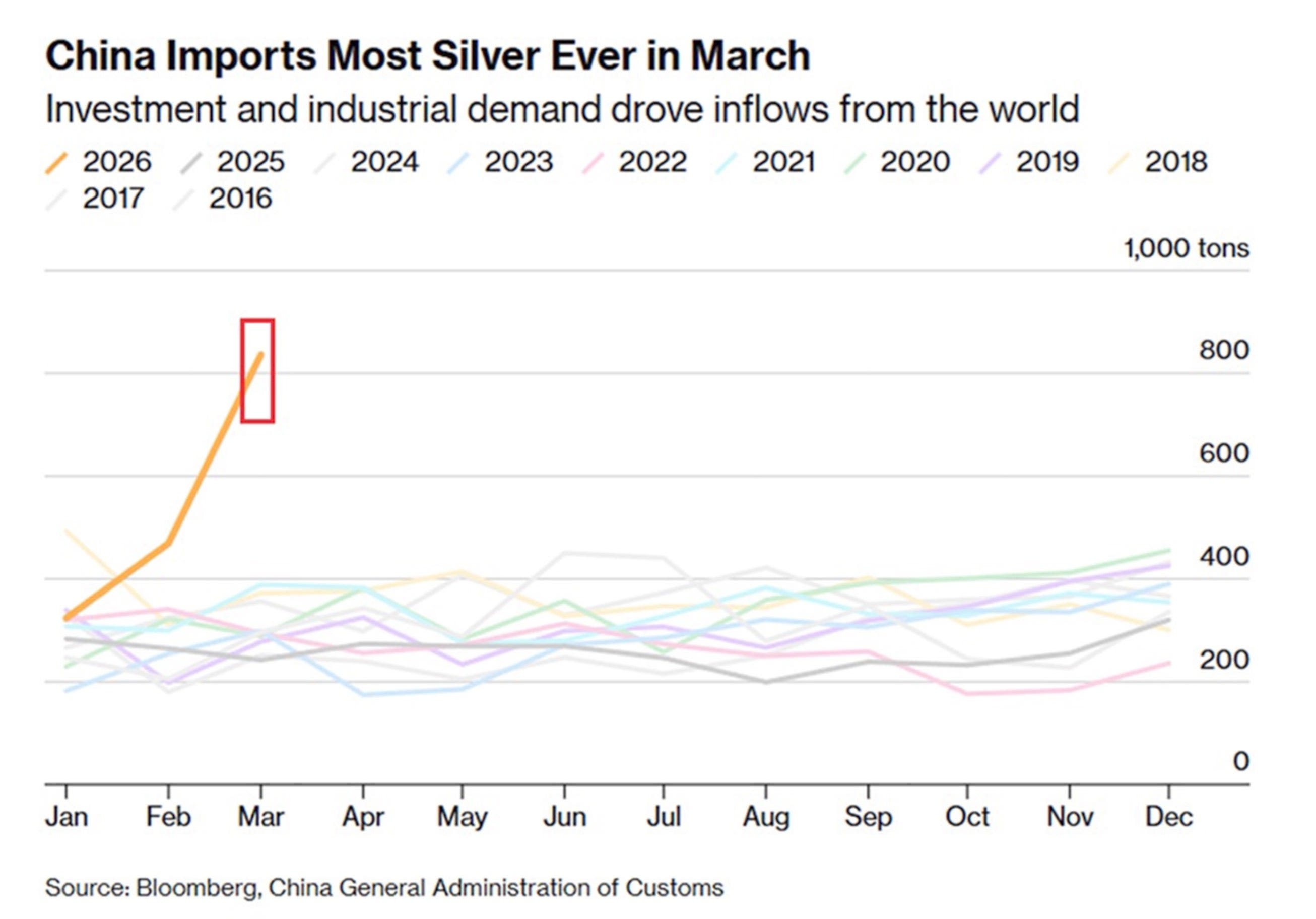
China now appears to be importing more silver while releasing less back into international markets.
Within weeks, lease rates in London’s silver market rose sharply, and silver prices began moving higher.
If more silver remains inside China, less metal is available to the rest of the world.
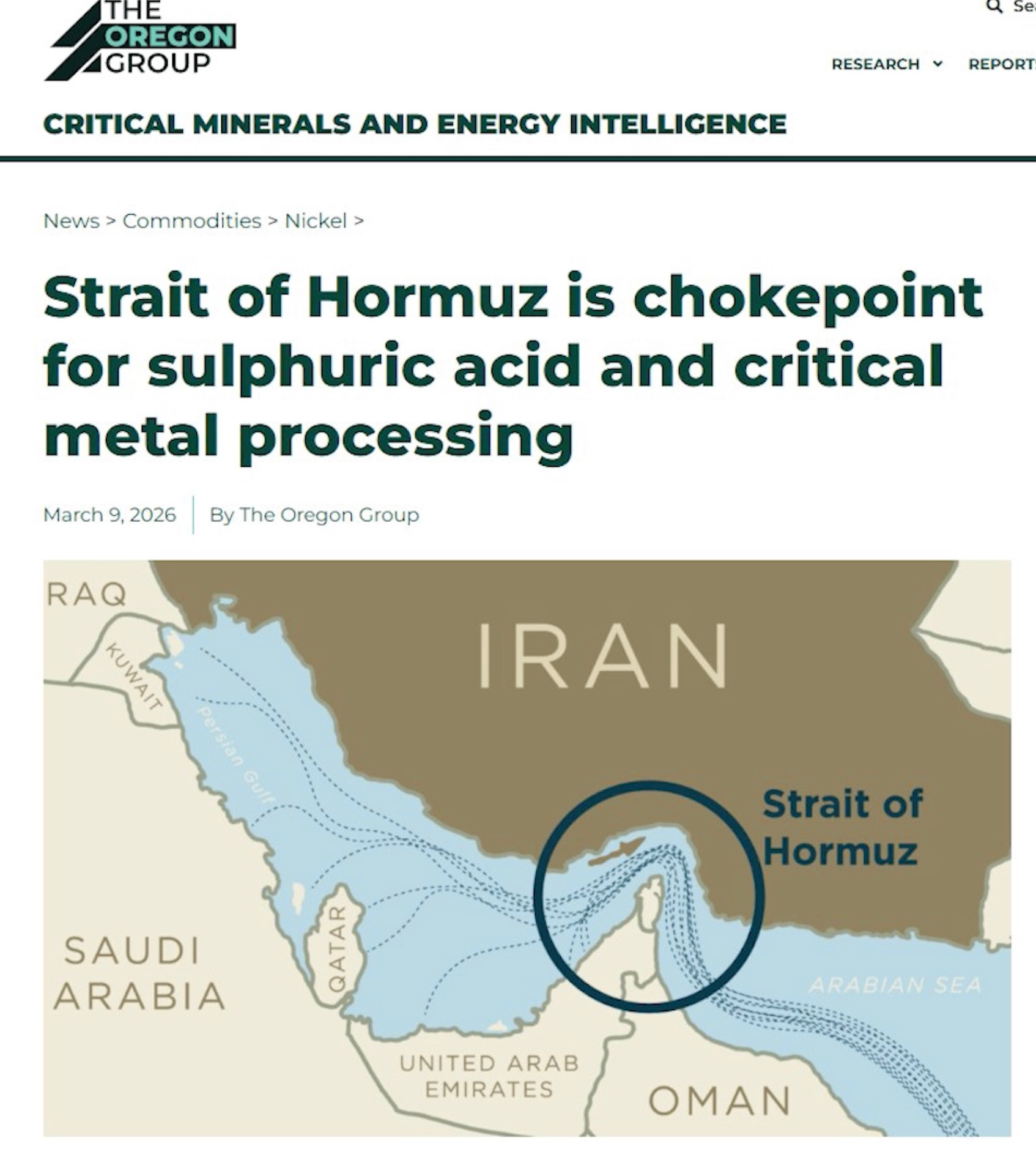
More than half of global silver production comes as a by-product of copper and nickel mining. Those industries rely heavily on sulphuric acid during the refining process.
Disruptions to the supply of sulphuric acid can eventually reduce silver production, even if demand remains unchanged.
Supply chains have become more fragile in recent months.
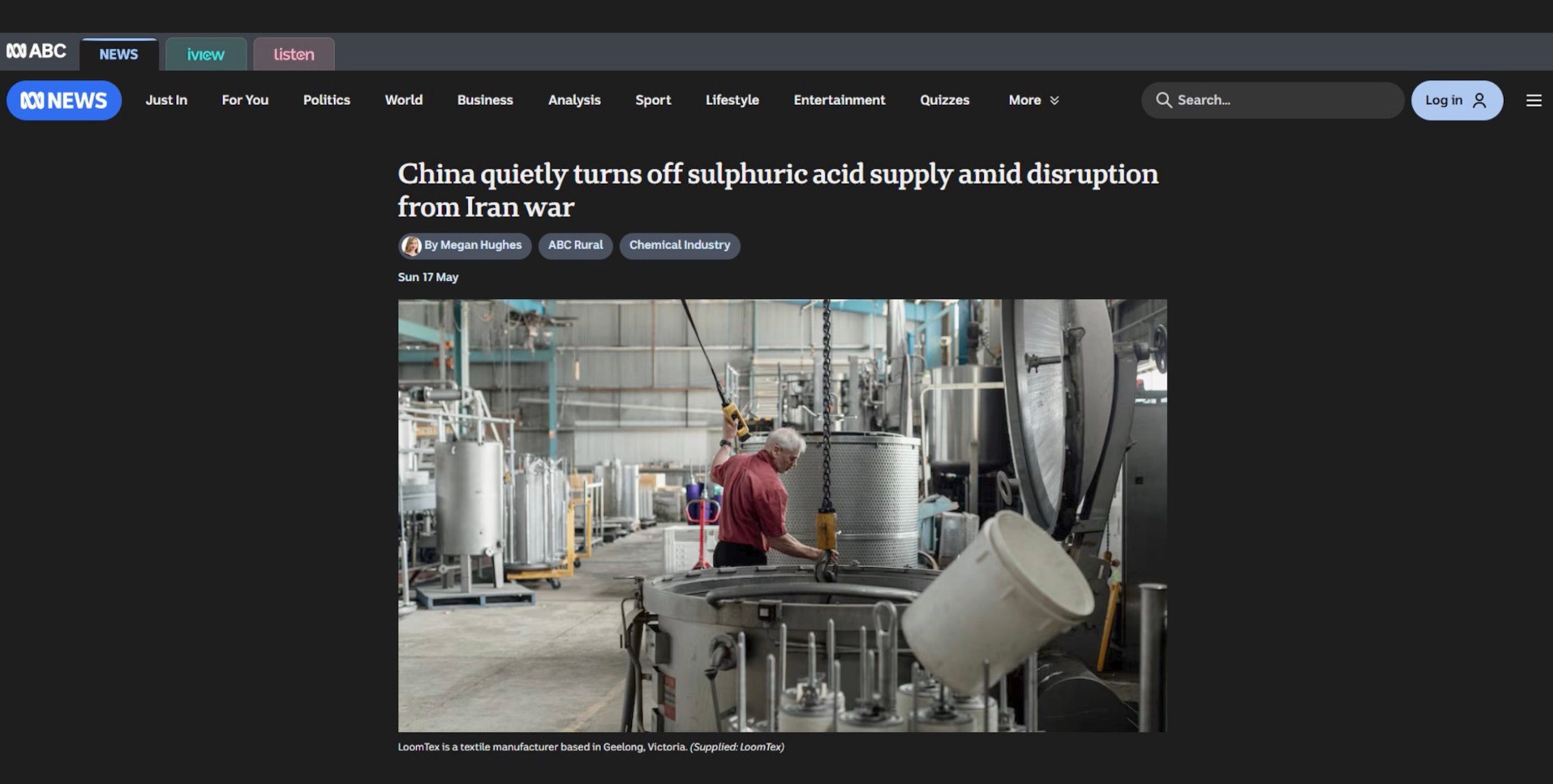
The conflict involving Iran disrupted shipments through the Strait of Hormuz, one of the world’s busiest trade routes. Around the same period, China suspended sulphuric acid exports.
Australian manufacturers reported supply shortages, while refiners warned that obtaining the chemicals needed for processing metals was becoming increasingly difficult.
If copper and nickel production slows, silver output is likely to decline as well because so much of it is produced alongside those metals.
Industrial demand continues to grow through electronics, solar panels, and defence applications. At the same time, precious metals are attracting renewed attention as concerns about debt, inflation, and currencies continue.
Gold has received most of that attention.
Silver has not.
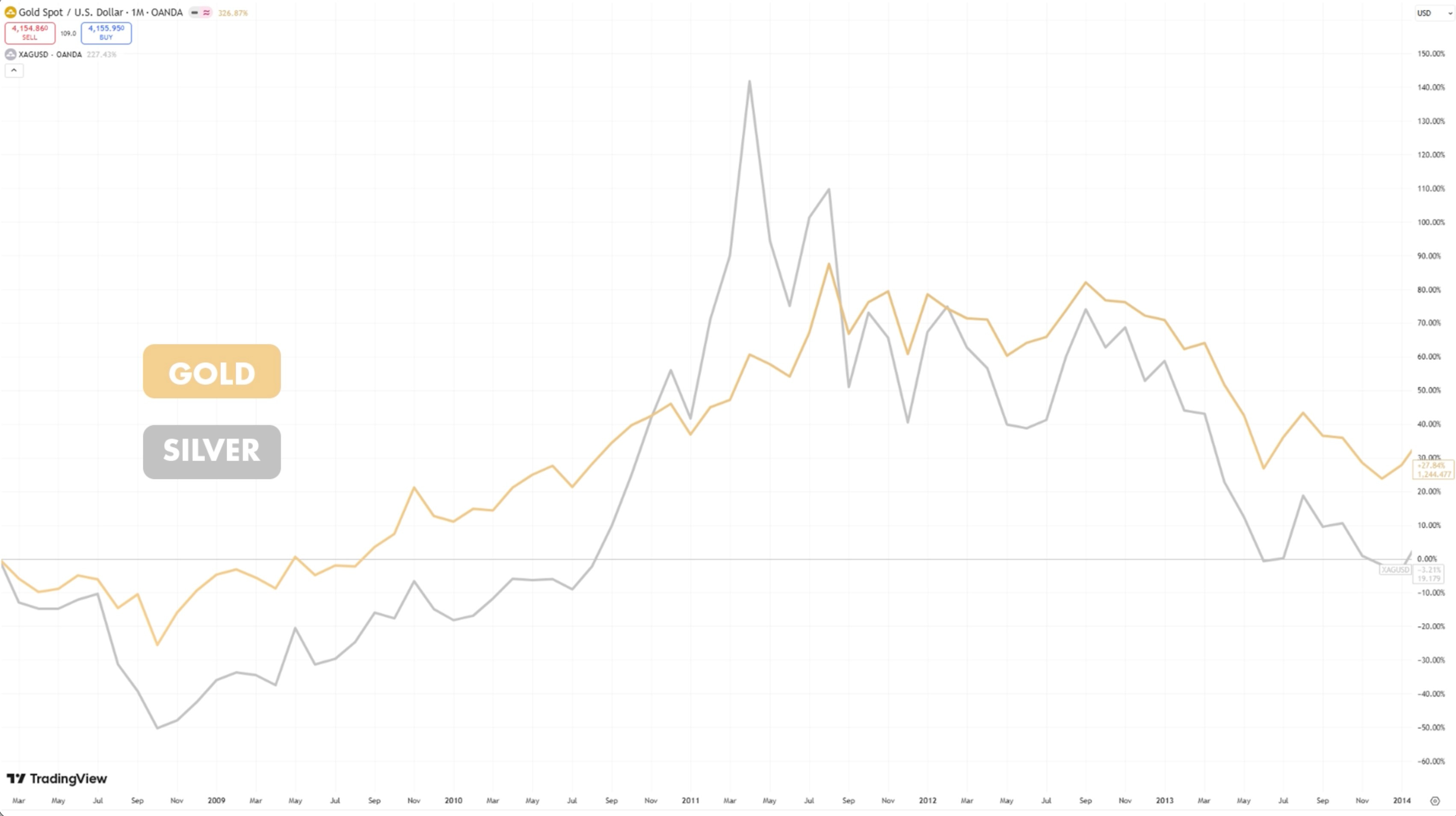
Historically, silver has often followed gold, although with much larger price swings because its market is considerably smaller.
The market could now be influenced by two long-term trends. Physical supply may become tighter if China continues accumulating silver while mining output slows.
Monetary demand may also increase as investors look for assets that cannot be created through monetary expansion.
Neither trend guarantees higher prices.
If both continue to develop, the silver market could behave very differently from the way it has for much of the past decade.
The long-standing role of China in refining silver, managing global supply, and influencing silver pricing.
Trade tensions, critical mineral designation, and China’s growing silver imports reshape the global supply picture.
How sulphuric acid shortages and disruptions to copper and nickel refining could reduce future silver supply.
Why silver serves both modern industry and as a monetary metal with a long history across Asia.
Growing industrial demand, reduced Western liquidity, and China’s accumulation of silver.
Silver’s smaller market, stronger price swings, and its role as an accessible monetary metal.
Comments
Nothing yet. Say the first thing.
Sign in to join the conversation.