
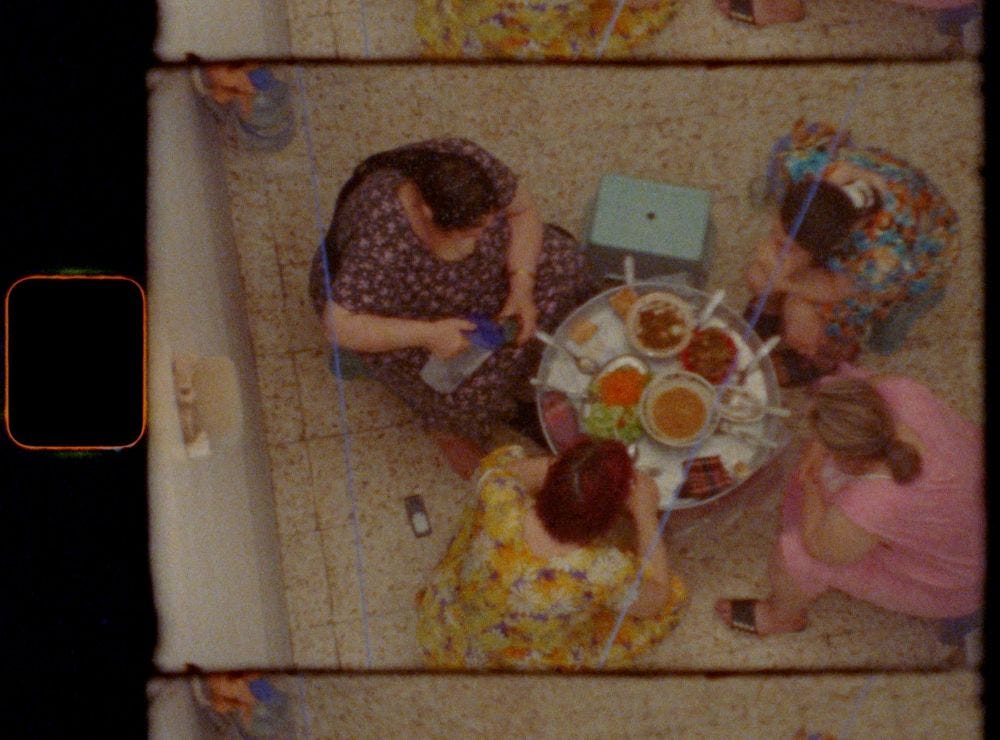
Decolonization is a big topic to dive into, and in all honesty, one I do not feel qualified to write on at this time. However, I see the longing for de-colonial ways everywhere I turn, appearing in the nooks and crannies of our hungering society, materialized through spray paint messages, intentional community homes, grassroots initiatives, ancestral health movements, popularized indigenous books and all the rest. So many of us ache for a way of life rooted in the living green truth, in relational webs of mutuality, not a monotonous existence of plastic coercion.
When I think of decolonization, I think of the movement away from outdated and oppressive institutions towards a radical reclamation of community, with community members holding the heart of place-based wisdom, law, learning, craft and care. I think of the responsibility we all carry, whether we are aware and accepting of it or not, to care for one another, along with the whole living earth, which makes our existence possible. In essence, the word community means “shared by all”. Originally, the word held more weight than just “people who live near one another”, it pointed to the spirit of our commons, the reciprocal duties we’re bound by and our shared participation in society. And in this more encompassing definition lies both the beauty and the difficulty inherent in our necessary transition towards true earth communities.
~~~~~
Defunding the police, decentralizing our systems, smashing the patriarchy and collapsing the empire- it all sounds rad and righteous- but besides marching forth with our fiery indignation, are we prepared to claim the individual and collective responsibility that these transitions require of us? Are we ready to hold the weight of our community’s needs in our hands, all of our hands, joined together through conflict and joy, and ensure that none are left behind? Our hyper-individualized culture certainly did not do well in priming us for this, but I believe in our ability to show up unprepared and do everything we can to learn, and how lucky are we to have Indigenous wisdom holders offering to guide us newcomers towards the way of stewardship and reciprocity…
Yes, stepping out of the institutional spell and reclaiming community does mean more responsibility and less of a not my problem type of attitude, but it also repays us in endless gifts which cycle and build upon one another to generate ever more abundance. In exchange for stepping into the role of responsible earth caretaker, we gain more connection, meaning, belonging, care, gratitude for life and the many gifts that grow from a culture centred around regeneration, like juicy, ripe fruits dropping from trees planted years before. This is what gift economies and cultures of mutual care do- they regenerate. And not through pressure and guilt to return a favour, but through the love and gratitude we have for all we are given, all that can never truly be possessed. The effects of generosity are circular and positively infectious. Helping begets helping- I’m sure you’ve felt this before.
Our math has been wrong all along. Giving does not take away, it generates more energy, more love, more of the vibrancy lacking in modern life. We believe that in our busy lives, we haven’t got the time or energy, but the beauty of weaving into networks of reciprocity is that we feel so blessed, cared for and connected, that our needs for material gain and empty seeking are less, and that in itself frees up enormous amounts of time and energy. That being said, the unequal weight distribution of our oppressive systems keeps some suffocated and others more able. Reciprocity is not tick for tack. Responsibility means we show up when we have the privilege to be able to. We show up for those who can’t. We don’t do it because we’re expecting something in return, at least not directly. We know and trust that what goes around comes around, and that lifting up any community member, lifts the entire community.
~~~~~
In this time of big dreams and courageous action existing side-by-side with collapse, it’s true that the path is at times confusing, exhausting, obscured and full of unexpected obstacles. We cling to the safety of existing structures and a familiar paradigm because it’s hard to imagine a radically different way is possible. In fact, it can be hard to imagine a different way at all. People are concerned about the job loss that comes with the quick advancement of technology and an unstable economy. Having experienced the intensity of financial stress- and that’s as someone without dependants or much to lose- I feel great compassion for the strain that collapse is causing. But I also see a silver lining…
Many are coming up with creative solutions to buffer the effects of inflation and economic uncertainty, and most of them look a lot like the collectivism that was once the norm. People are sharing homes with their extended family, land and housing co-ops, as well as eco-villages, are popping up everywhere, natural building methods are gaining popularity, and funky community houses in the midst of sprawling cities are trying out a more involved way of co-existing; so many more people are starting backyard gardens and sharing their surplus with neighbours or volunteering at local urban farms in exchange for some fresh veggies and connection to people and land alike; heart-centred collectives and non-profits are sprouting up wildly, like pioneer plants, offering to break up this dense and suffocating compaction and pave way for a more fertile life. These are beautiful things to behold, and we don’t have to wait for any frightful pressures to begin making changes.
Money is not evil, it’s a neutral energy, another form of exchange. But because currency has been co-opted as a tactic to dominate and control, and we’ve been conditioned to believe that affluence is power, greed and inequality has spread like wild fire. Daniel Quinn, through his novels Ishmael and My Ishmael, conveys the idea that our fragmented culture deviated from a balanced and time-proven system not when they started engaging in some agricultural practices, but when they got greedy and decided they wanted full control over nature all of the time. They slowly transitioned to full-time agriculturists so that they could eat what they wanted, when they wanted. But the significant change came later on, when they double-downed on control with the decision to lock up and guard the food (something no other species does), then demand that people work in exchange for the food that was once free and shared by all. In order to enforce this agenda, they had to create controlling laws, which were entirely unconcerned about resolution, and cared only about ensuring that the status quo continued to dominate with an iron first. This is one of the many reasons I believe in the power of food as a gateway for freedom and reconnection.
The living memory of a time long before no longer breathes amongst us, and the past exists only in our minds, but we still have the ability to create anew, with the information and heart we have at present. Fiat currency is not the only way to acquire what we need in order to survive and thrive, but we also can’t exist alone, clinging to the fallacy of self-sufficiency. It truly does take a village. That’s where this work comes in, the work of becoming a responsible and caring community member, in whatever way your capacity, resources and position allows, in whichever role suits your gifts (and yes, we all have gifts). No one is going to make us do it, it’s a choice we have to make for ourselves. More and more, I believe it to be one of the very few choices we actually have the free will to make. There’s only one question you need to ask yourself, and with your answer nestled at your core, the rest of the path will begin to appear…
For many years now, a cloudy vision has sat somewhere in my depths. Visually and in detail, it has been hard to grasp, but the feeling has always felt strong and full in my body. I will attempt to give it words, knowing I won’t be able to capture more than a whisp of its true grandeur…
I see many hearths aflame all over the earth; smaller, localized communities of rooted people, offering each other support and sharing the gifts of the earth freely, including those which were gifted to their being. A bodyworker that offers their touch from the heart, to those in need of care. A farmer who comes by later to drop a box of home grown vegetables on their door step. The chicken caretaker, who shares their abundance of eggs and manure with the neighbours. The neighbours, who show up ready to help on slaughter days. The herbalist who gathers the gifts of the plants and alchemizes them so when a little one grows sick, they can join them by their bedside and dispense just the right remedy. The father, who’s good with mechanics, drops by unexpectedly to tune up the herbalist’s well-loved, squealing bike, so they can continue to travel far for sweet medicine. The one who stewards far too much land for one person offers a safe place to settle for those without a place of their own. The settlers who help steward the land and continue to share the fruits of their labour with the community, not because they are obligated to as part of their arrangement, but because their true needs are met and they feel the genuine desire to pay forward the generosity they’ve been gifted.
I see fruit trees and food forests all over public spaces. Free stores, repair shacks, upcycling shops, public stages to gather around- all commonplace. I imagine artists as valued community members, more mindful gathering in celebration, gardens instead of lawns, community-run governing systems that represent all who belong to place, and conflict resolution skills for the inevitable times when tensions arise. I dream of prosperity that looks like planting orchards, a well-stocked lending library, clean rivers and an economy that is for the people. I can feel it so clear in my body, and I know I’m far from alone in carrying this vision. I’m another one of the many who dream of this kind of reality with the bright-eyed romance of an idealist and the stubborn resolve of a realist who is willing to do what it takes to build these bridges.
If you think the picture I’ve painted is fluffy and naive, I invite you to explore where this judgement comes from. Who’s voice is it that tells you it will never happen? From where did your definition of what is realistic, or not, come from? You don’t have to like or agree with this vision, but I urge you not to be so quick to side with impossibility. I think we should all aim for what feels impossible, like a barterer testing their luck. We could all use a bit of dumb luck along this steep, mountainside scree.
Remember, too, that the picture I painted above does not have to wait for abolishment of our current dominating systems in order to come into existence. In fact, it can’t. We must build parallel networks so that we can experiment, adjust and adapt to another way which slowly renders the old way obsolete. Resilient communities which run on mutual care and reciprocity, with tightly woven networks and a culture of ecological belonging, are being formed and strengthened as I write, as patriarchy and extractive capitalism continue to reign, however desperately. Birthing these realities, coming from where we do, will be challenging, but hey, who said this incarnation game was meant to be easy?
This is the joy and peril of being human. To love, to lose. To remember truth, to forget. To choose devotion over emptiness. To claim responsibility for our actions and their effects, to our people, to the people who come next, to the ocean and the forest and the soils which nourish us, to our gifts which are wanted now, unpolished as they may be, to stand for life.
“May all beings have happiness and the causes of happiness;
May all be free from sorrow and the causes of sorrow;
May all never be separated from the sacred happiness which is sorrowless;
And may all live in equanimity, without too much attachment and too much aversion,
And live believing in the equality of all that lives.”
No posts
Comments
Nothing yet. Say the first thing.
Sign in to join the conversation.