
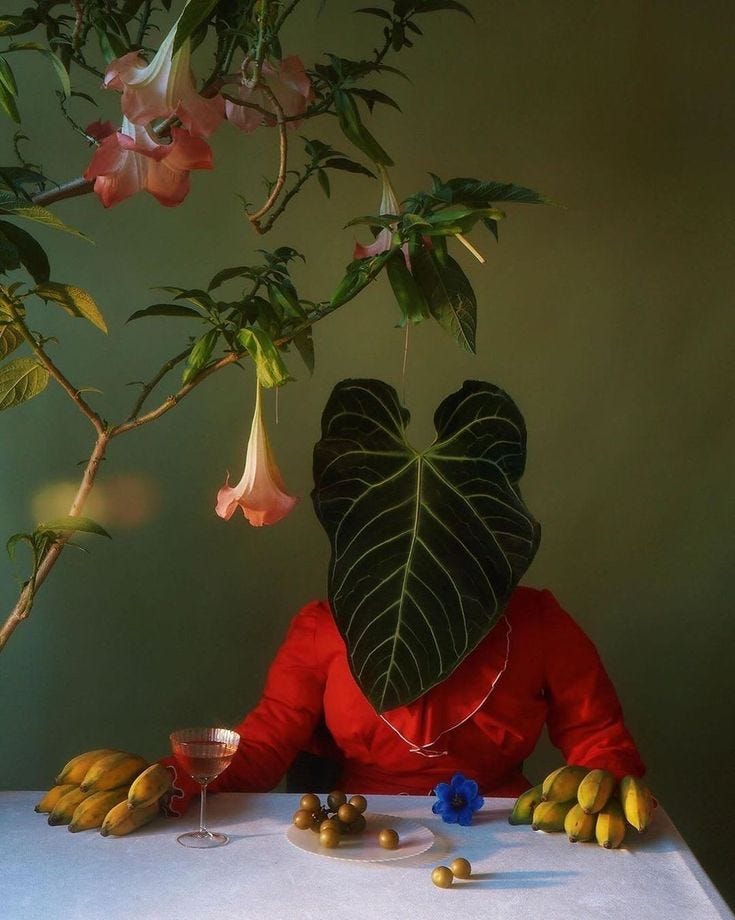
This is a story I’ve never told. It starts in Rome, in a church garden where my father played as a boy, and ends with me writing the names of my dead on a piece of paper and feeling, for the first time, that I was not alone. In between, I trace my own uneasy path — through twenty years of borrowed spiritualities, through a medical diagnosis that brought me to my knees — to a realisation that has been sitting in plain sight all along: that mysticism, the dead, and the divine are not separate. Drawing on William James, Simon Critchley, and Perdita Finn, I ask who gets access to the sacred, and why the answer, across every tradition, should always be everyone.
Published in paper on Slowdopa magazine (coming out in August) and available in advance to paying subscribers.
The mystical experience is not exotic. It’s not reserved for the saint or the scholar. The divine is always accessible, it is the birthright of anyone with a body and a capacity for attention. And this is precisely what religious institutions have historically struggled to tolerate.
Virginia Vigliar
Comments
Nothing yet. Say the first thing.
Sign in to join the conversation.