
If you believe "independent artist" still means something, read this post and let us know if you still do.
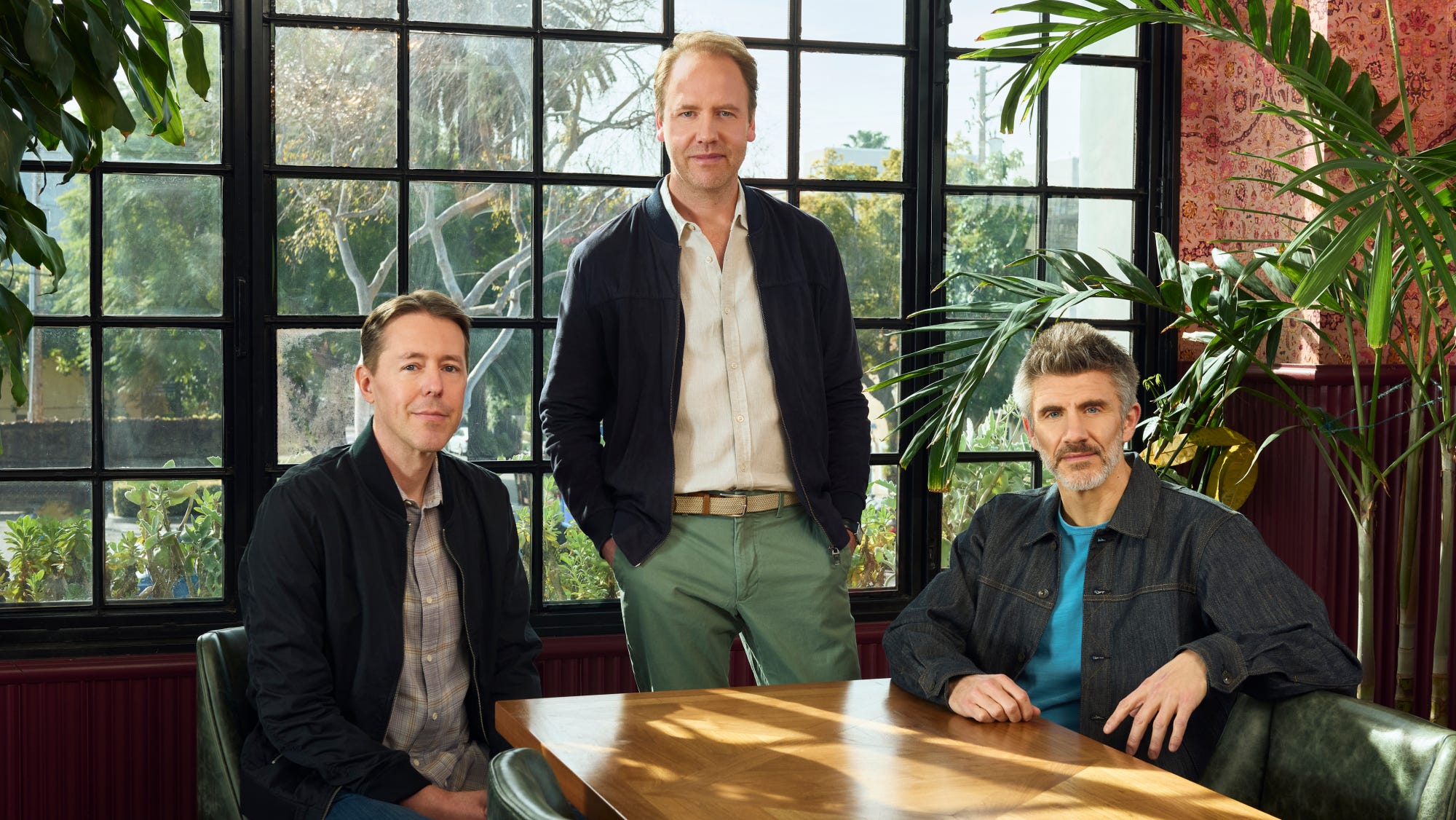
CVC Capital Partners has agreed to acquire a majority stake in DistroKid with longtime backer Insight Partners retaining a “significant minority stake” and DistroKid president Phil Bauer staying on to run the company. The financial terms were never officially disclosed, but it was reported in January that DistroKid was exploring a sale at a valuation around $2 billion, and multiple outlets have used that figure as the working benchmark since. The deal is expected to close in the third quarter of 2026.
This announcement landed in a season already packed with consolidation.
Sony Music Publishing agreed a deal to buy Blackstone’s Recognition Music catalog with more than 45,000 songs (including music by artists like Beyoncé, Rihanna, Justin Timberlake and 50 Cent) in a deal reported at almost $4 billion.
Warner Music Group, through its $1.2 billion catalog joint venture with Bain Capital, bought the Red Hot Chili Peppers’ recorded music catalog for more than $300 million.
And inMusic, the company behind Moog, Akai Professional, and Denon DJ, acquired the insolvent Native Instruments, bringing Kontakt, Traktor, and iZotope all under the same ownership umbrella.
Four deals. Four different corners of the music business. Zero new songs.
That’s the tell. Not one of the transactions below involved a new record getting made or a new artist being funded. Every one of them involved somebody buying the pipes music runs through, i.e. the distribution platforms, the software, the publishing rights and the masters. If you have read our newsletter before, you know this pattern. This is the music industry consolidating one layer at a time. And this season, it consolidated four layers simultaneously.
In February 2026, Virgin Music Group (the independent distribution and artist services division of Universal Music Group) officially closed its $775 million acquisition of Downtown Music Holdings. This is one of the largest artist-services companies in the world and is the company behind CD Baby, FUGA, Songtrust, and Downtown Artist & Label Services. All of this now folds directly into Virgin's (UMG’s) global operation.
The European Commission didn’t wave it through cleanly though. Approval was granted on the condition of the full divestment of Downtown’s royalty accounting platform, Curve Royalty Systems to protect competitor data privacy. But there were still major concerns raised by independent artist groups. The EC letting this deal through was a bit of a shock.
Regulators pointed to “several viable competitors” including the other two majors plus Believe, DistroKid, Idol, Kontor & ONErpm, and ruled that the deal wouldn’t significantly shift UMG’s negotiating position.
As you will see, that reasoning ages badly by the end of this article.
For nearly two decades, CD Baby was shorthand for not needing a label. It now reports to Virgin and Universal.
In May 2026, Berlin’s Native Instruments was acquired by inMusic, the parent company behind Moog, Akai Professional, Denon DJ, Numark, and M-Audio.
Native Instruments is the creator of Kontakt, Traktor, and Komplete Kontrol along with mastering tools like iZotope, Plugin Alliance, and Brainworx.
These are the tools that a major share of working music producers build their sessions around.
Although, this one wasn’t really a power play. Native Instruments had entered insolvency proceedings in Germany in January 2026, putting the company under court-supervised restructuring, before reaching the acquisition agreement with inMusic. It was basically a rescue. But rescues can still concentrate ownership, and everyone in the music gear & music software world noticed immediately.
Native Instruments’ own products (Traktor, Maschine, Komplete Kontrol etc.) directly compete with inMusic’s Denon DJ, Numark, Rane, and Akai Professional lines. To put it in simple terms, the same company that makes your MPC now also makes Maschine; the software workflow built to compete directly against it.
Despite the circumstances, this acquisition reflects the growing consolidation of music production & performance technology, where an increasing number of major brands are being concentrated under a small umbrella of a few large companies.
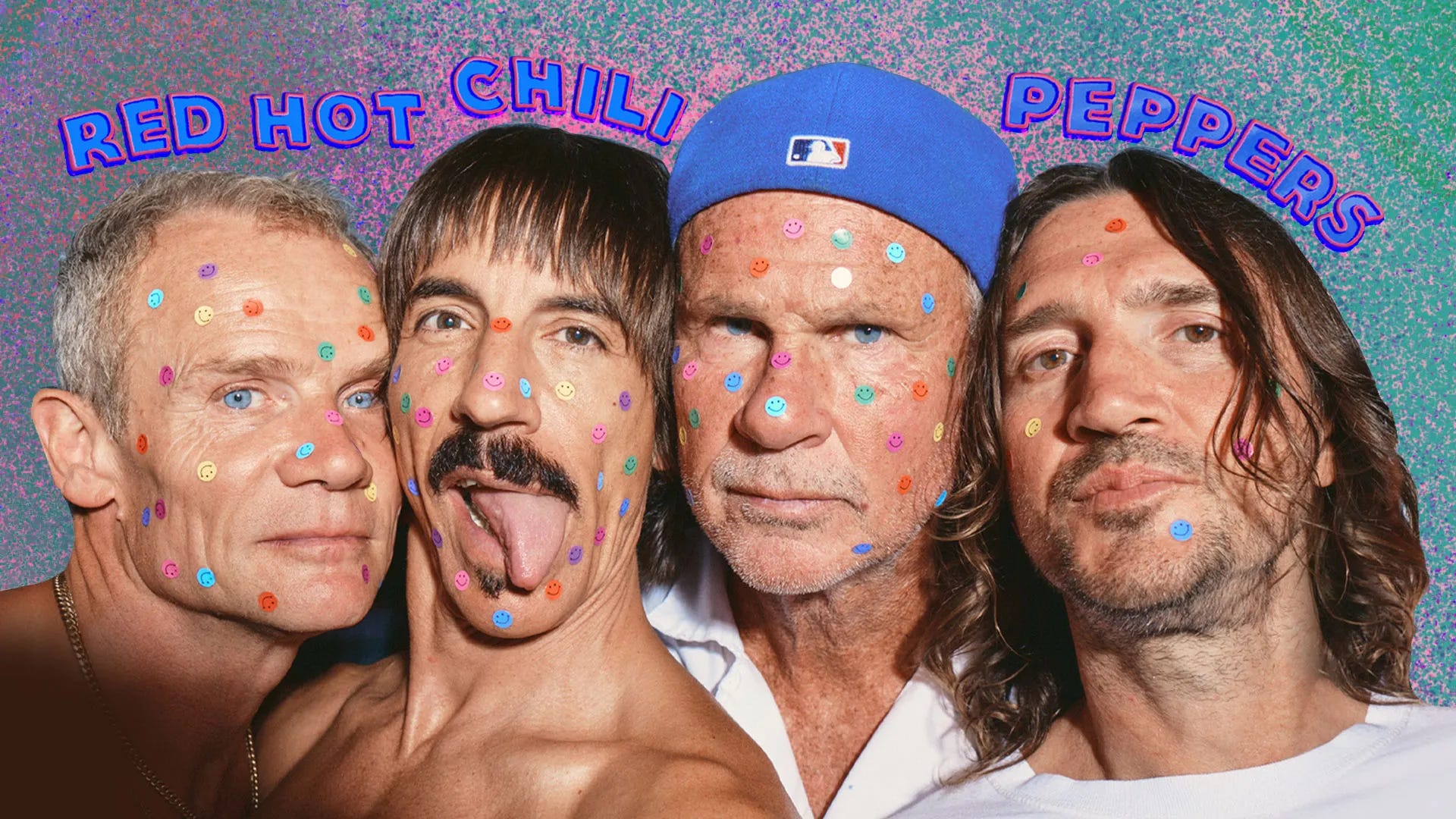
If CD Baby and DistroKid represent the entry level of the independent pipeline, the Red Hot Chili Peppers represent the absolute peak of mainstream music. But look at what happens when an artist actually reaches the top.
In May 2026, the Red Hot Chili Peppers sold their recorded catalog (consisting of 13 studio albums) to Warner Music Group for more than $300 million. This was done through WMG’s joint venture with Bain Capital, after the band had been seeking around $350 million since early 2025. The catalog generates roughly $26 million a year, and the deal accounted for over half of the $650 million that the Bain joint venture has spent on catalogs since its launch.
But the band’s publishing rights had already left their hands years earlier. In 2021, the band sold its publishing rights to Hipgnosis for $140 million.
Hipgnosis has since folded into Recognition Music Group, whose entire 45,000-song portfolio is now owned by Sony Music Publishing who has bought it from Blackstone in a deal valued at almost $4 billion.
By selling the publishing rights for $140 million and the recorded music for more than $300 million, the same body of work has been successfully monetized twice by two different institutional buyers.
So, Warner bought the masters. Sony bought the publishing, bankrolled by private equity and a sovereign wealth fund (Singapore). And the legendary band with a legendary catalog is now the only entity in this equation with absolutely no control over it.
Catalog sales like this is exactly why the distribution and software buyouts matter. It proves that 'independence' is no longer a permanent destination you can reach. The industry is building a closed loop governed by the exact same class of capital you were trying to avoid or escape.
Thanks for reading Vinyl Culture’s Newsletter! This post is public so feel free to share it.
In July 2026, CVC Capital Partners announced that it’s taking a majority stake in DistroKid, via CVC Capital Partners IX, with longtime backer Insight Partners retaining a significant minority stake and DistroKid’s leadership unchanged. CVC Capital Partners is a private markets firm managing roughly €209 billion in assets.
DistroKid says it distributes roughly a third of the world’s new music. Terms weren’t disclosed but there were reports in January that DistroKid was exploring a sale around a $2 billion valuation, but that number was never confirmed as the actual price. DistroKid’s price tag made it an unlikely target for a major label at more than 2.5 times the $775 million UMG paid for Downtown Music Holdings.
But a private capital firm with the experience of CVC know what they are doing. This is not CVC’s first rodeo owning something people love and squeezing it.
CVC bought Formula One for $2 billion in 2006 and had already extracted an estimated $4 billion from the sport before selling it to Liberty Media in 2016 for more than $8 billion.
In 2021, CVC did something similar to Spanish football as it tried to buy roughly 10% of La Liga’s business for €2.7 billion in exchange for an 11% cut of the league’s media rights revenue for the next 50 years. Real Madrid released a statement that called this
an operation that “expropriates 10.95% of the clubs’ audio-visual rights for the next 50 years” and hands CVC “annual returns of over 20%.”
The LaLiga partnership with CVC Capital Partners was adjusted to roughly €1.99 billion for an 8.25% share of the audio-visual rights after Real Madrid, Barcelona, and Athletic Bilbao opted out.
That is the operating manual now sitting on top of DistroKid, the tool millions of independent artists use to reach streaming services like Spotify, Apple Music, YouTube Music etc.
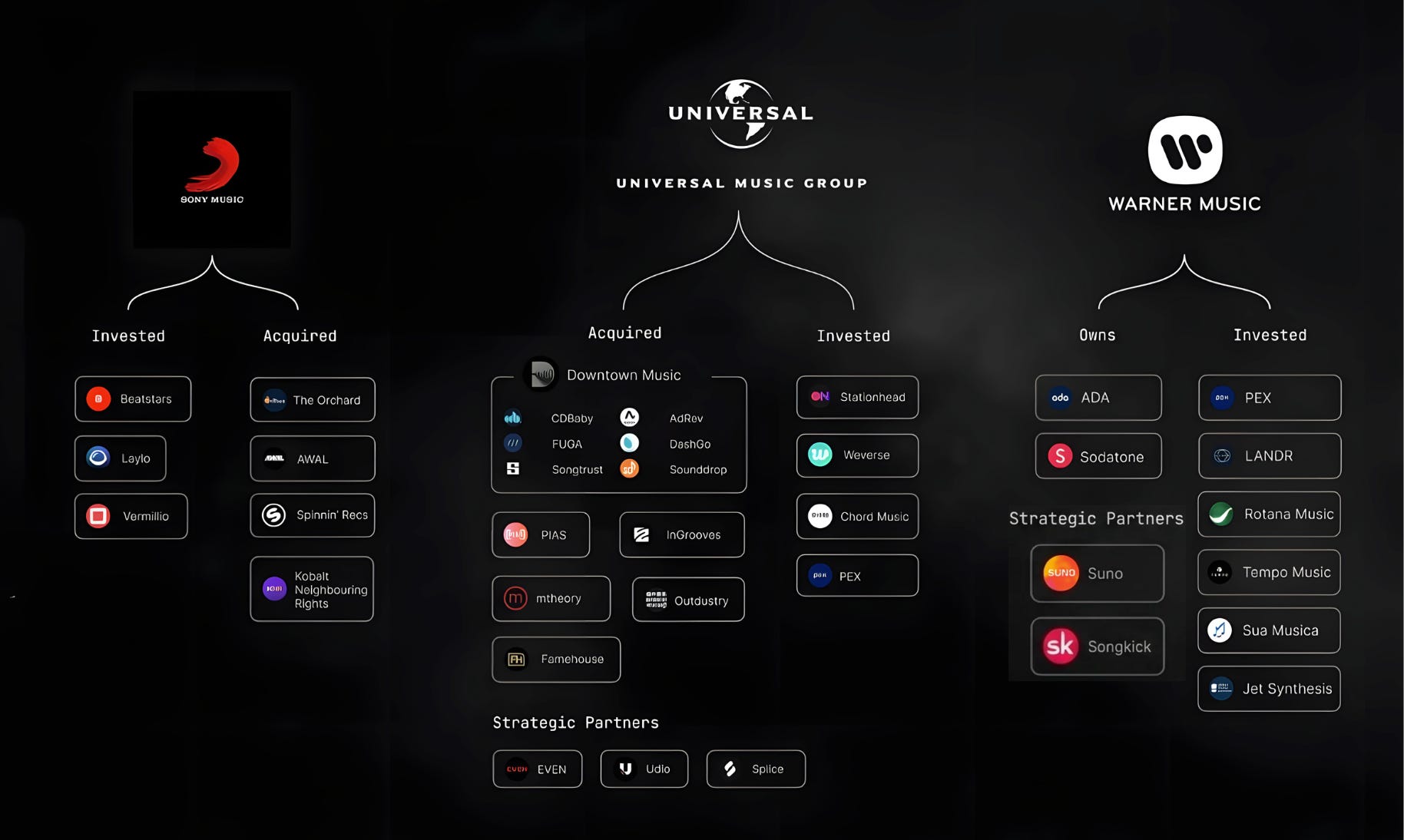
An institutional buyer now owns the software you use to produce a track, a conglomerate owns the platform you use to upload it, and if you somehow manage to write a generation-defining hit, private equity firms along with the major labels are waiting at the finish line to acquire your life’s work like an asset, rather than invest in A&R, development, and risk-taking on interesting new artists.
DistroKid promised artists they would never need a label. CD Baby promised the same thing a decade earlier. Both now report, in different ways, to institutions built to extract value on a timeline measured in decades.
Native Instruments’ insolvency shows what happens when the tools that support independent artists get financially fragile; they get absorbed too.
And the Red Hot Chili Peppers deal is the cleanest illustration yet that even the artists who “made it” don’t keep their own catalog once the two halves of it become attractive enough line items for two different balance sheets.
Nobody in any of these deals is coming for your music today. That’s never how this works. It’s the slow removal of every independent alternative that matters.
From now on, artists looking for a way around the majors may discover that the “independent” doorway they walked through is controlled by the same entities they were trying to avoid…
🫵🏼 What do YOU think is worse? An independent distributor now owned by the same class of capital that extracted profits from Formula One and La Liga, or a legendary band’s catalog split between two conglomerates treating it as an asset? Let us know your thoughts…
💬 If this one got under your skin; drop a like, share your thoughts below & share this investigation with every artist and music fan you know. The future of human creativity depends on holding these companies accountable. Consider supporting artists directly through platforms like Bandcamp, where musicians set their own prices and keep a fair share of revenue.
🤝🏼 Join us at Vinyl Culture as we continue exploring ways to preserve and evolve an authentic music culture in an age dominated by algorithms and corporate interests. We are building something that will revolutionize the music industry by creating an Artist-centred and Community-driven platform, leveraging both the offline & online medium. We will empower artists by allowing them to share their art and creativity directly with the fans. More on this soon…
8️⃣0️⃣0️⃣0️⃣+ SUBSCRIBERS have now joined our mission to protect The Soul of Music in the age of algorithmic manipulation & AI. Thanks a lot to each & every one of you!! 🫵🏼 🤝🏼🙌🏻 Together, we can make a difference.
No posts
Comments
Nothing yet. Say the first thing.
Sign in to join the conversation.