
She is eighty-eight years old, and she slept on the sofa because I was in her bed.
I tried to refuse. I insisted she stay in her own room. There was no argument that could reach her. She had made the decision before I arrived, before she could see what so many years had made of me.
The bed was made the day she heard I was coming.
For her, giving the best place in the house to a relative returning after twenty nine years was simply what a person does.
So I slept in her bed, and she slept on the sofa.
This was how she told me I was still family, and she needed no words for it.
Her village is five regions from Kyiv. I had been there three times in my life, all of them in childhood. The last visit was in the year of 1997 when I was ten years old.
Both of my parents died many years ago. These people are my father’s cousins. He moved away from the countryside when he was still young, long before I was born, though he never completely lost contact.
Around them, that serious man who gave me life seemed closest to the most spontaneous part of himself .
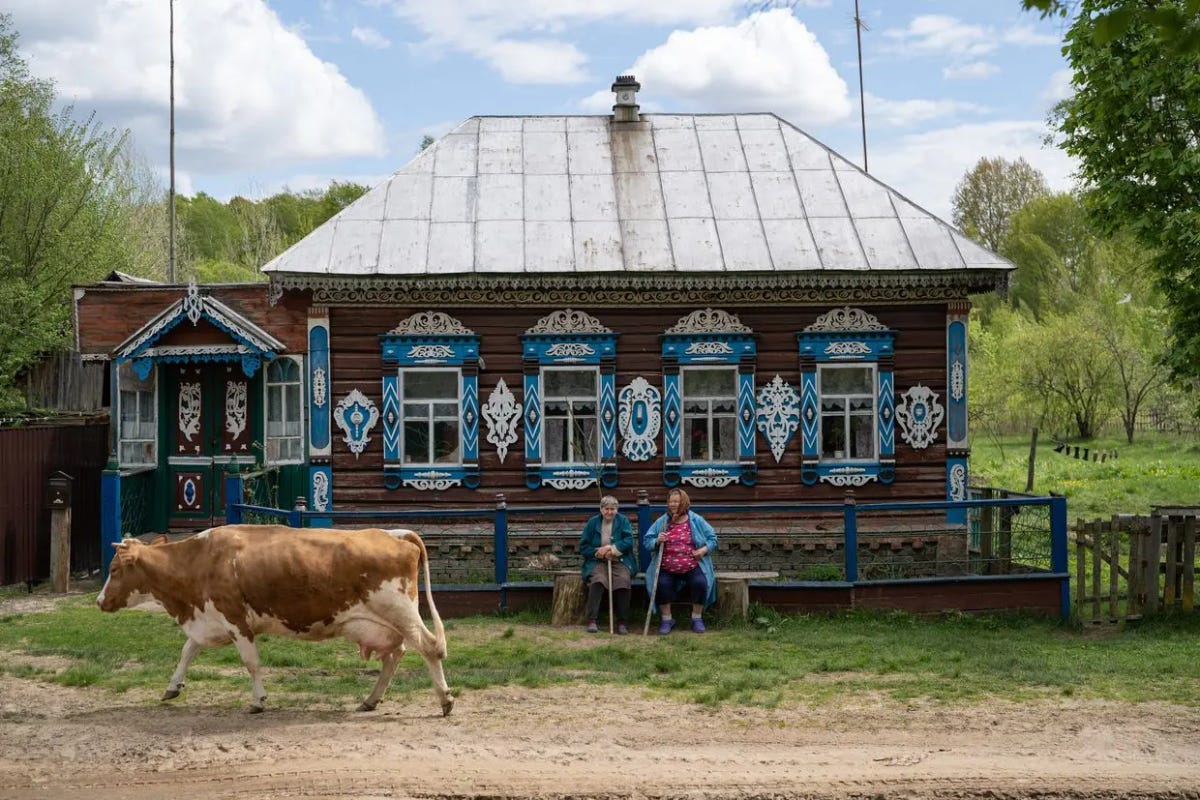
I have spent these last years telling people across the world about Ukraine, yet I had not stood in that yard since long before writing about this country became the most important part of my life.
They gave me the sheep to hold.
This is the job you hand to a man who cannot do the other job. Someone who knew what he was doing worked the shears. I held the animal, which was braver about the whole procedure than I was.
Later, I was assigned to count the pigs, and got the number wrong.
A person who tries to explain the world about the survival of a country, then standing in a yard, counting pigs, then counting them again.
I walked for hours and hours across that land, many times alone, breathing the hot air of July and that strong scent of earth.
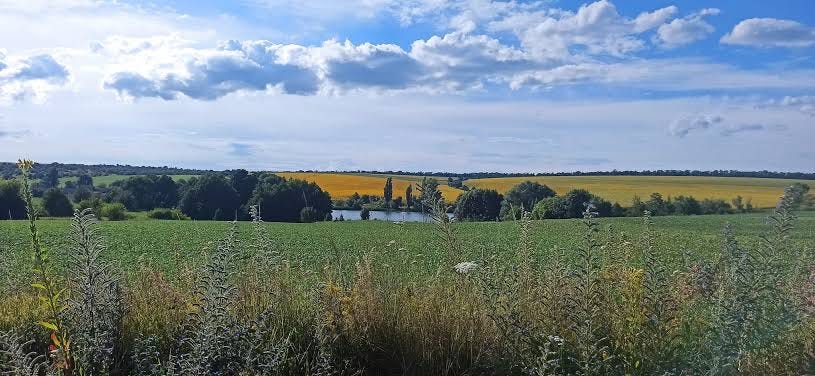
In the evening, I sat in the grass and listened to those lives that had continued for twenty nine years without me in them.
At meals, we sometimes sat for a long time without speaking much. This surprised me, and then it stopped surprising me.
I had come from Kyiv with my phone and my writing.
Until I realized I had almost no signal coverage, and I saw how much of my supposedly independent life depended on that small object in my hand.
The people in front of me lived by another measure of time. Their days were shaped by work that had to be finished before dark.
We live in different worlds and carry the same family name. Nobody at that table thought a bridge needed building in an afternoon.
They fed me. I ate.
The food came from the ground outside the window.
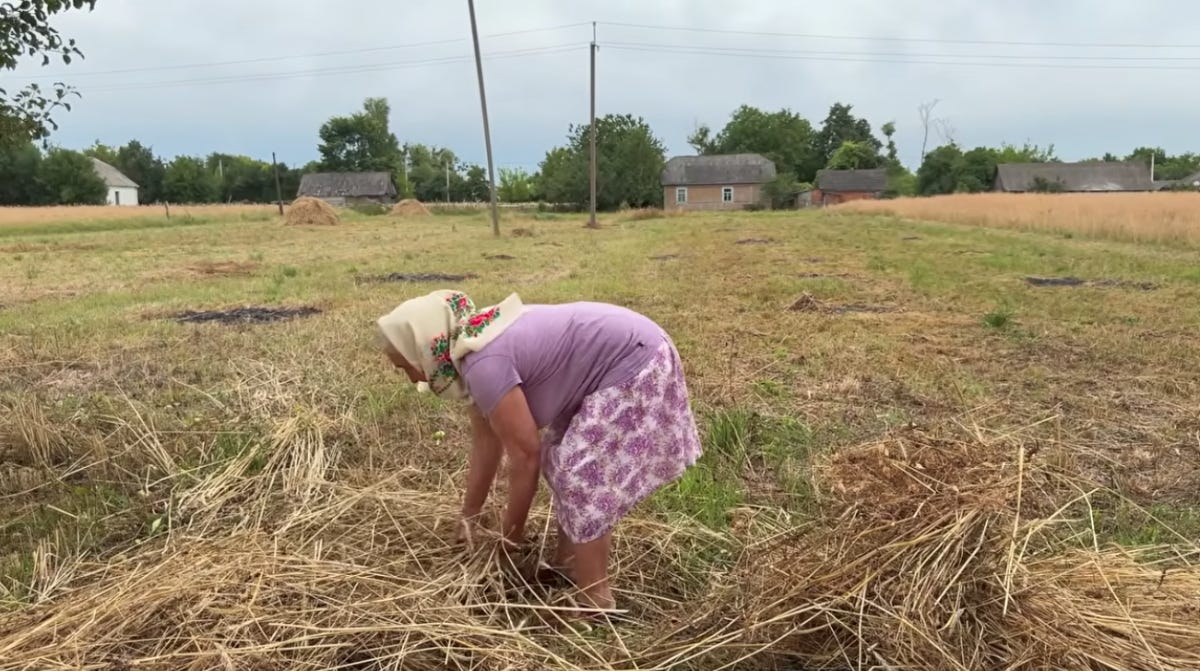
From a city perspective, their simple houses can look like evidence of material poverty.
They have little money, yet calling them poor would miss everything. Their hands carry knowledge passed through generations without ever needing to be written down. Their homes are rich in culture, and I have rarely met people richer in humanity.
Life in the cities makes us hurry and think too much how we appear to other people. In that village, I met people who had preserved the spontaneity I had once seen in my father and had watched myself lose.
Nobody rehearsed their kindness. The bed had already been made, and the food simply appeared on the table.
While I was standing in that yard being useless, I understood that nobody there was ever waiting for a state to arrive and tell them what they were.
The Ukrainian language was spoken in that house when speaking it was punished.
The songs were sung when singing them marked you.
They carried this through imperial rule and the Soviet decades, with no protection and no certainty that any of it would outlive them.
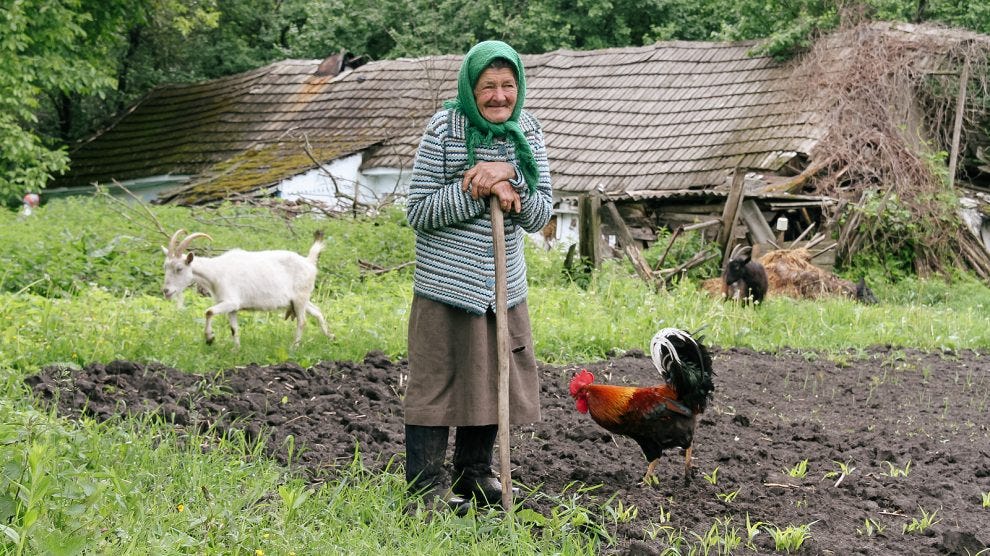
Independent Ukraine returned to the map in 1991.
The state caught up to them.
And they are my father’s people.
His family has lived in that village for more than three hundred years. For much of that time, they could carry Ukraine inside the house more safely than they could name it outside.
I travelled there because I had allowed my connection with them to grow too thin.
I discovered that the country I write about every week was living inside a wooden house more than a hundred years old, which I had visited only three times.
The people inside were feeding their animals and giving me a bed.
The war had reached that village too.
The flags and photographs of the young men and women who will never return are there, so no one can pass without seeing who this village has lost.
Still, the animals needed to be fed.
The crops continue to grow.
Life did not stop to explain itself.
—Viktor
🇺🇦
I was away from writing for ten days. Thank you for your patience, and for every message asking whether I was alright.
Thank you also for remaining close to Ukraine when so much of the world has moved on. If you have the means, you can become a paid subscriber. Whoever you are, you belong here.
No posts
Comments
Nothing yet. Say the first thing.
Sign in to join the conversation.