
The word arrived on my phone at ten past seven, before coffee, while I was still checking whether the night had taken anything from my street.
Ceasefire.
There’s something so uncomfortable that happens when I see this word, because it should mean hope, but instead it brings me a deep anger, and I took a time to understand exactly why.
It is close to hearing your own name being called in a corridor of a strange building, before anyone tells you if the news is good.
I would be supposed to be happy.
They are trying to stop the hostilities, dear Ukrainian.
And I still give the word a chance every time it appears. After all, we are not in the position to refuse an offer after five years of sleeping in our clothes, five years of shoes beside the bed in case the night asks us to leave quickly…
To be clear, I need and I want the fire to cease. There is no shame in wanting the weapons to stop.
But look at what the word is made of.
Cease
Fire
Say the first half slowly.
Cease.
The word ends with air leaving through the teeth, and fire arrives with a crack.
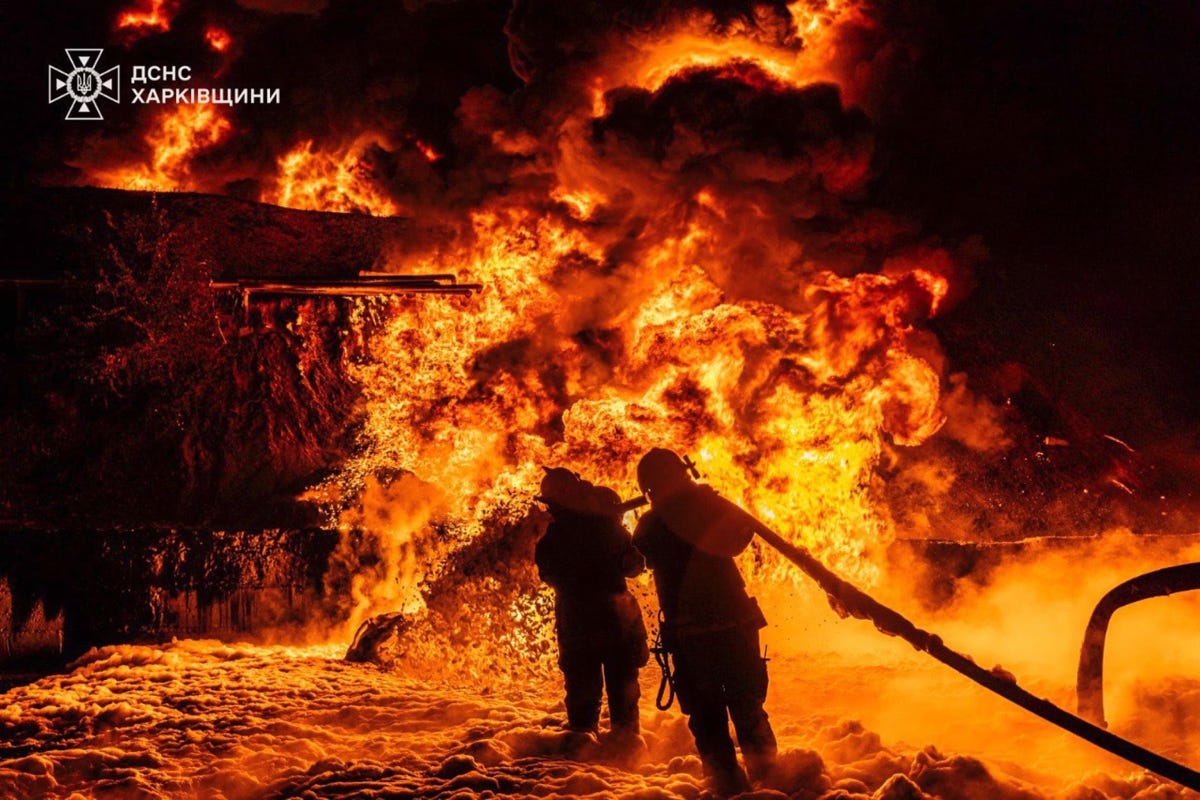
In my language it takes longer. Припинення вогню, “prypynennya vohnyu,” it sounds like a document you queue for at a ministry window. English made it small enough to print, and small words travel far, which is precisely how this one reached your phone on the same morning it reached mine.
Cease is an instruction, and instructions are given to weapons and to the men carrying them. A gun can be lowered. An order can travel through a radio and stop the next missile from leaving the ground, and a missile that does not fly leaves a home standing.
Yet the same instruction cannot reach the force that placed the weapon in the man’s hand.
Fire can be ordered to cease, but the force that caused it stays exactly where it was, untouched.
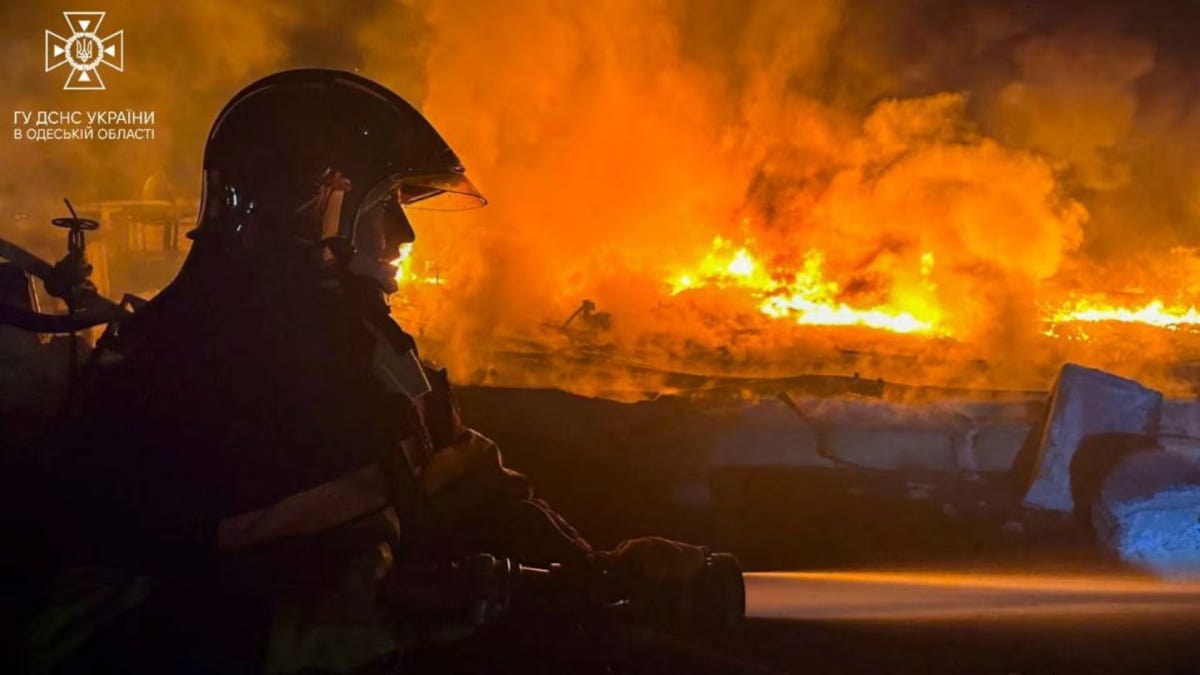
English shows the second danger in plain grammar.
A ceasefire can cease.
The sentence is correct, and the language does not resist it.
When the ceasefire ceases.
No other promise I know carries its own funeral so visibly inside it.
Rain ceases, and then, rain returns. Cease belongs to weather, to rain and to wind, to things that stop and come back.
Endings need a different verb.
The siren frightens me because it warns about tonight, but a ceasefire frightens me because it decides what comes back in five years.
It stops the sound and leaves the intention untouched. It pauses the missile while the map stays on the wall, everything while the aggressor earns time to replace the weapons and the world becomes interested in another subject.
The sentence we need is more difficult:
We invaded, we are leaving, and we will pay for what we destroyed.
No one has the courage to demand that sentence from the man who began this war.
They say ceasefire.
It is easier. A paper, a statement, and everyone gets to say that progress has been made.
That same man is allowed to leave the table without admitting what he did or promising that he will not return.
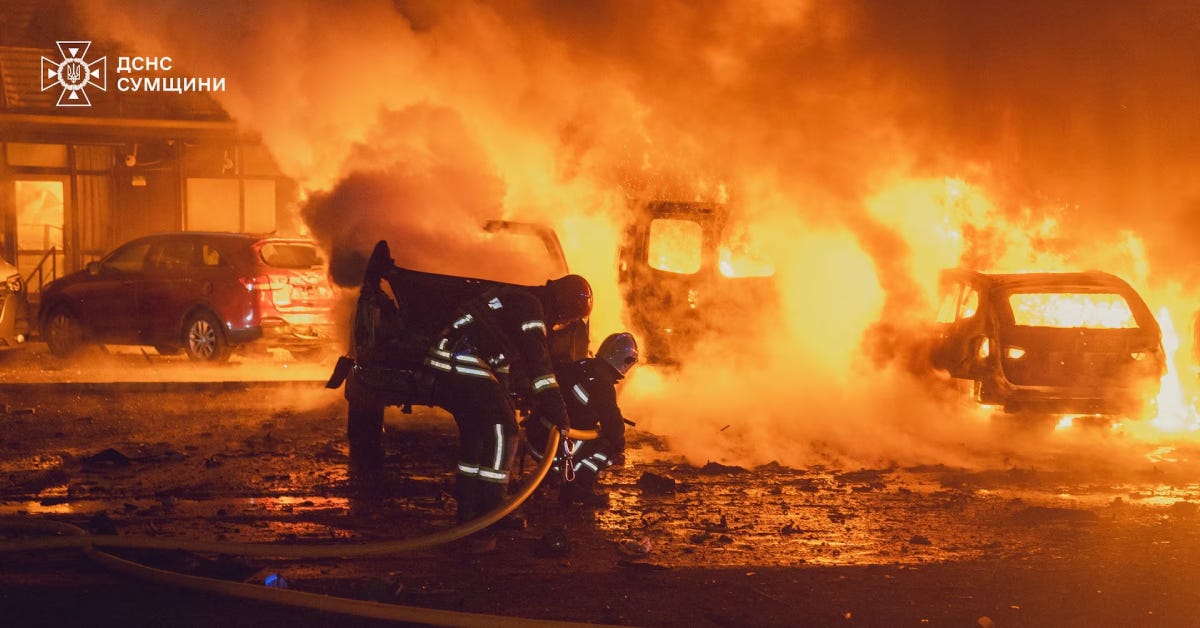
Have you ever seen a headline about a ceasefire that was violated? It produces no headlines because it happens every day.
Ceasefires are made to be violated.
The violation is the arrangement working as designed.
It does not cease the threat. It does not cease the factories, and it does not cease the man who signs what the factories produce. It ceases only a sound, for as long as the sound is inconvenient to the people making it.
In a context of war, a pause means maintenance. Armies stop to repair what was broken in them and to let the production lines catch up with the schedule. New men are brought forward, stockpiles are rebuilt. Every hour they are not firing is an hour spent preparing to fire better.
Whatever they were doing in July they will do twice over in December, and the months in between will be described, guess what, as progress.
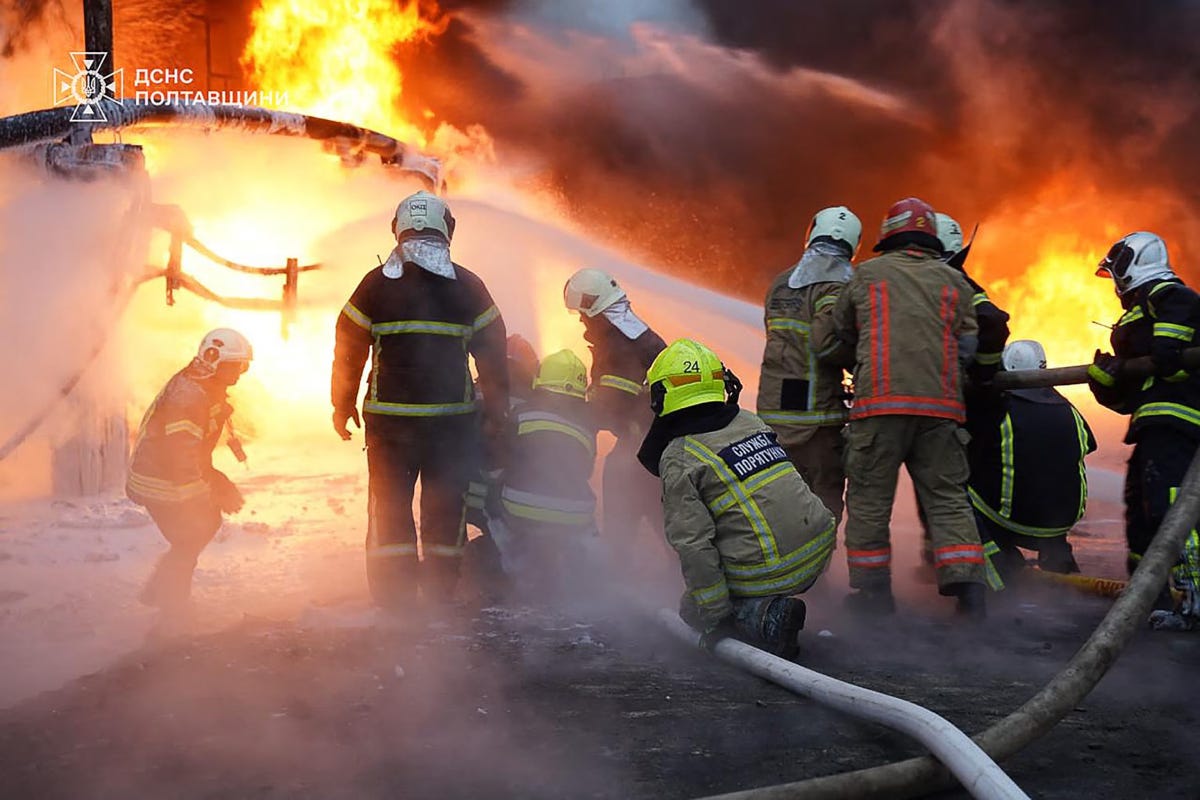
Somebody will tell you this is a first step toward peace. Ask that person to name the second step.
There has never been one. That is the design.
And look at what is on the table. The date. Whether we are killed this month, or next spring, or in the year after the cameras have gone home. That is what they are negotiating, in rooms where nobody who will be killed is present.
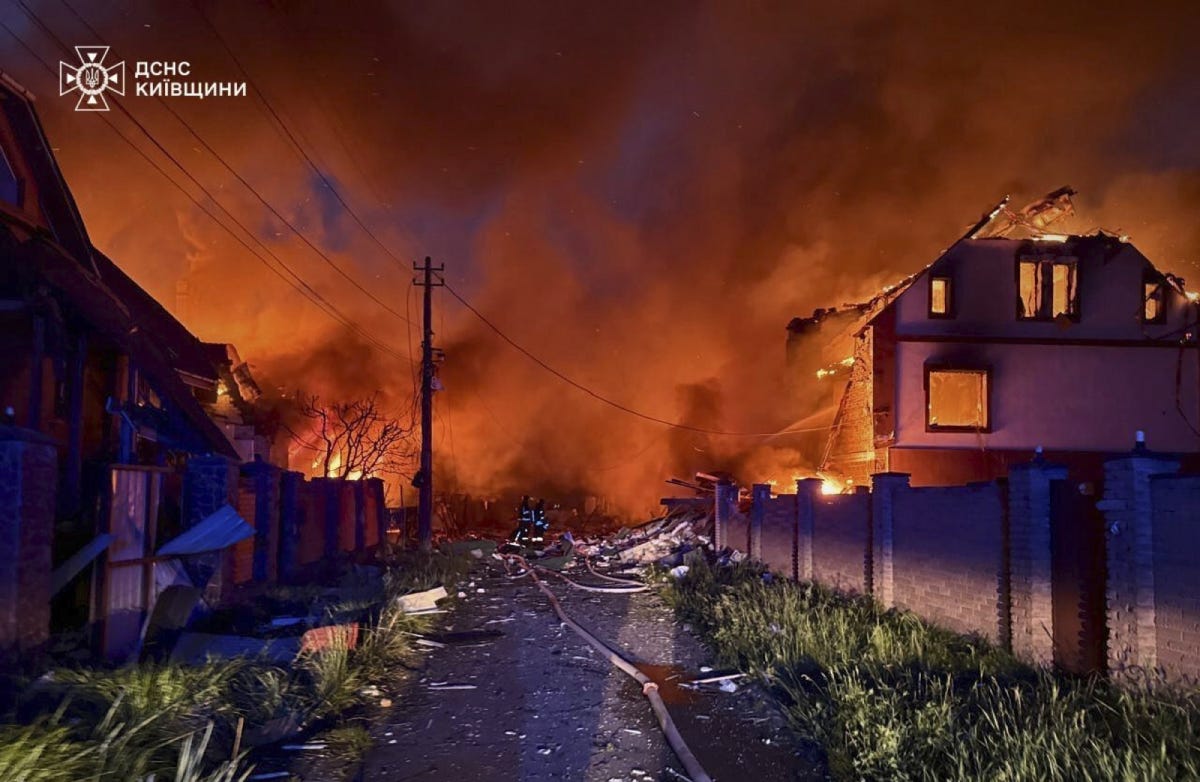
I hate this word.
You read ceasefire and exhale.
We read ceasefire and look at the sky.
We have lived through this word before. In 2015 we had papers with the names of our cities typed on them, but Ukrainians kept dying along that line for years while the world moved to other subjects.
The fire had officially ceased, and almost nobody came to check whether the word was telling the truth.
The word did its work, because it allowed the people watching to stop watching.
When the fire ceases, the attention ceases with it.
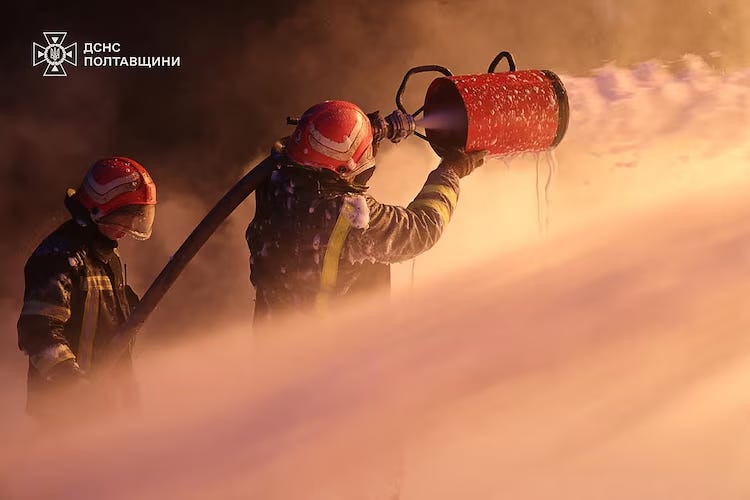
I will take the hour without missiles. I will take the night without sirens and stay grateful for every life that stays alive because somebody gave the order to cease.
But do not ask me to confuse a pause with an ending.
Do not ask Ukraine to sleep while Russia still believes the door belongs to it.
A ceasefire is what you give to a country you are planning to come back to.
—Viktor
🇺🇦
There’s no team here, just me, in Ukraine, four years in. I keep this open to everyone and always will. Paid subscribers are the guardians who keep it that way. Stand with them, or read for free, you belong here either way.
No posts
Comments
Nothing yet. Say the first thing.
Sign in to join the conversation.