
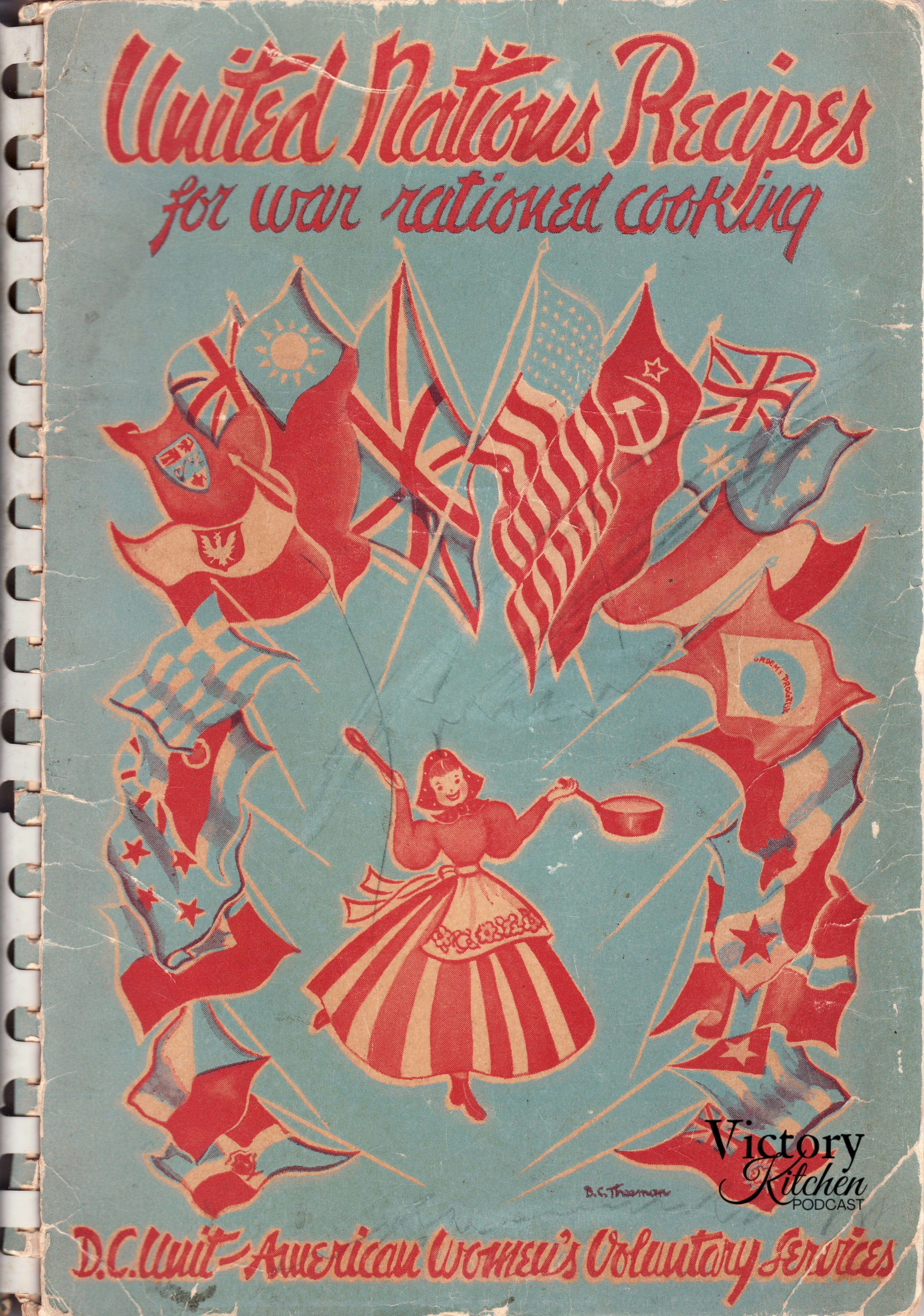
One topic within wartime food rationing that has really captured my fascination is the prevalence of “international” foods in America during WWII. I’m especially drawn to how cultural food was portrayed and shared with the broader public in cookbooks, such as the United Nations Recipes for War Rationed Cooking book above.
As we know, we are a land of immigrants, so the food traditions passed down in families are many and beautifully diverse. Cultural grocery stores existed in wartime America, though I don’t know how many there were or where they were exactly located except for larger urban centers with concentrations of immigrants. Some examples are Chinese, Italian, and Mexican groceries, though I’m sure there were more!
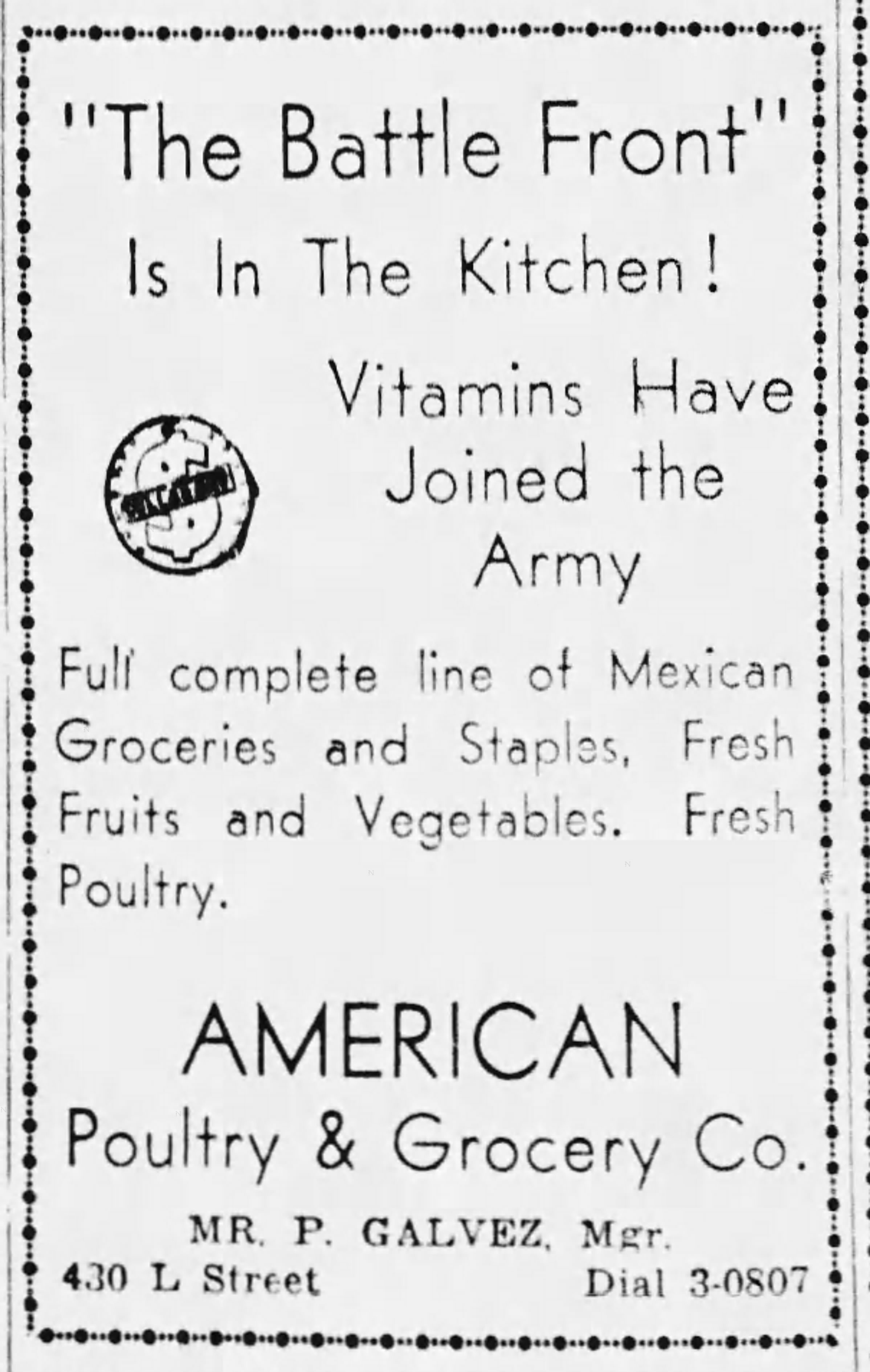
This time period of food culture in America is really exciting to look at. A diversity of cultural traditions already existed in America and as men and women were traveling outside the United States for the first time in the military, they were exposed to new cultures and foods. They brought this experience back with them and likely sought out more diverse food choices back home.
From what I’ve seen, most cookbooks from the time were heavily “American” style cooking with mostly European roots. Definitely the meat and potatoes kind of thing with casseroles, soups and sandwiches added for variety. What’s really fascinating is when we get to these country-specific cookbooks that were intentionally catered to American consumers.* I have a small collection of them to share with you!
*I want to acknowledge that some of these cookbooks might now be considered inappropriate, contain cultural appropriation, or are stereotyped. Because these trends are prevalent in wartime, it’s easy to become desensitized or blind to the deeper meaning behind a book of recipes that on the surface appears very innocent. These cookbooks are a window into a different time in our country with complex cultural and political dynamics. Please keep these sensitive things in mind as you take a look at these wartime artifacts.
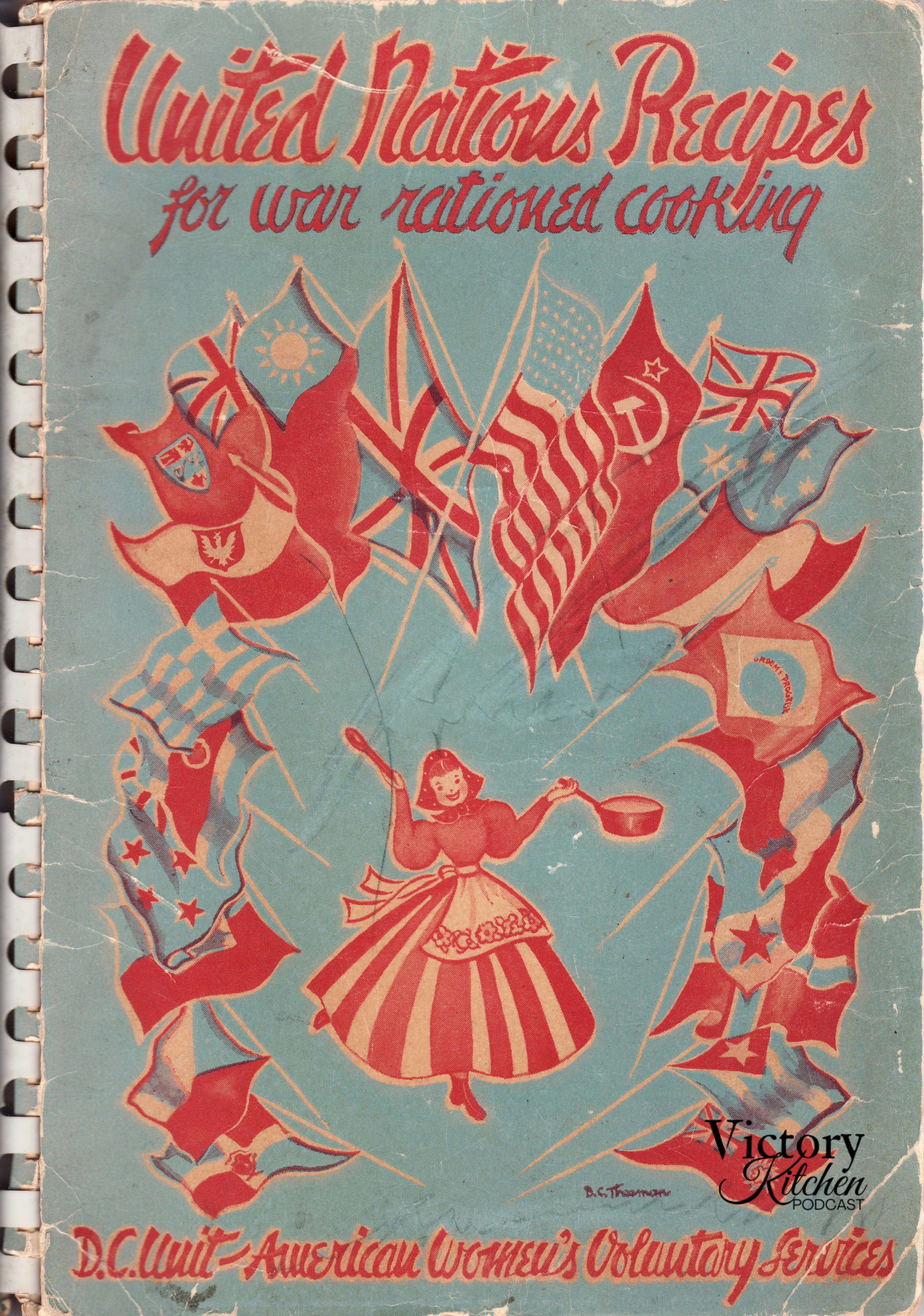
This international cookbook was published by the AWVS (American Women’s Voluntary Services). What I love about this book is that it’s filled with recipes from foreign dignitaries from all around the world. There are various U.S.S.R. contributions which highlights the complicated politics of Eastern Europe at the time. I believe this cookbook was intended to raise funds for the AWVS to aid the organization in their various home front service efforts.
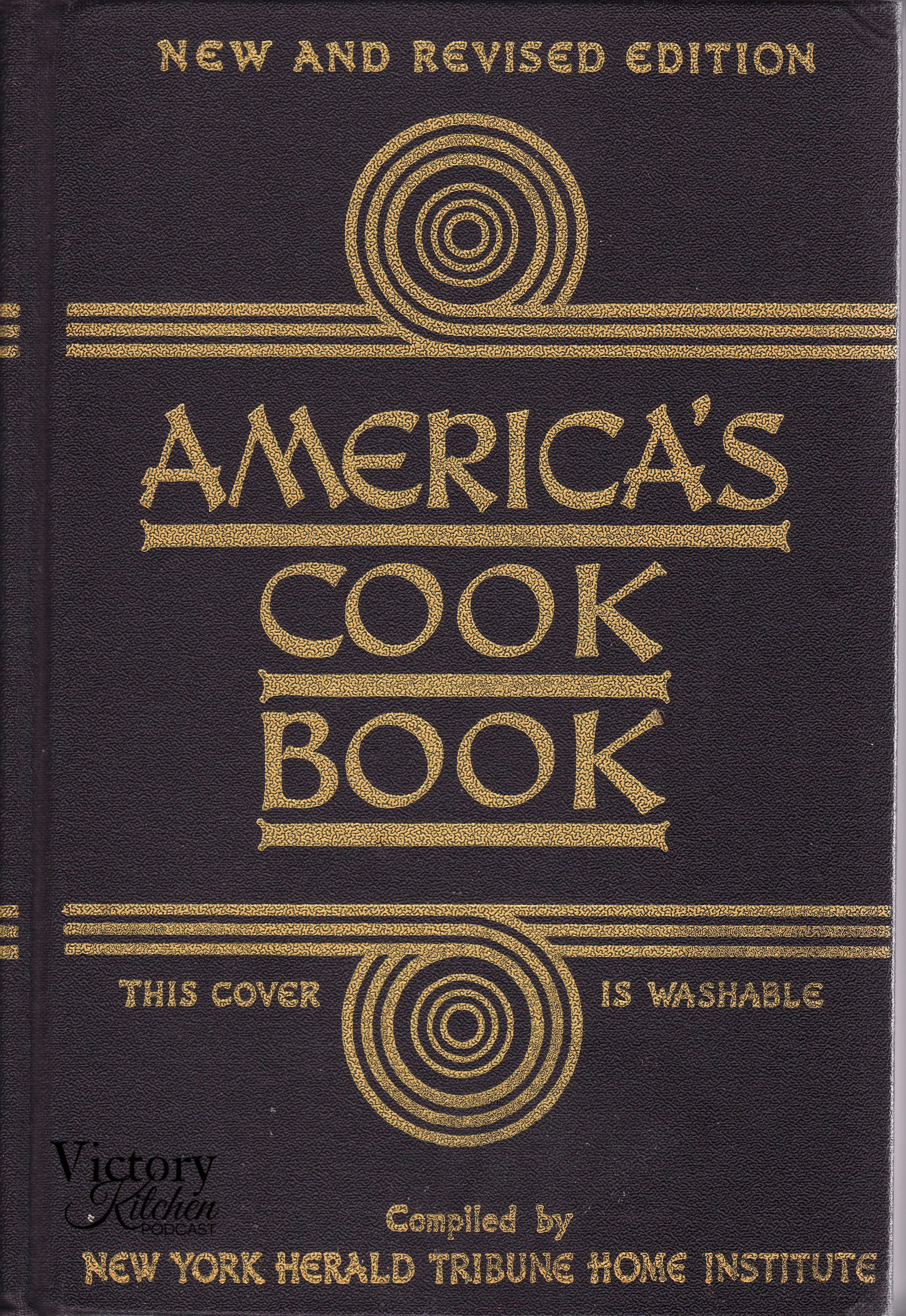
This is a large, standard cookbook published by the New York Herald. What’s unique about this one is that it has an interesting index at the back listing all of the international recipes contained within. I love this feature which makes it easy to find some wartime-era international dishes to try! Other cookbooks make you hunt through the recipe index, so it’s nice that they make it so easy.
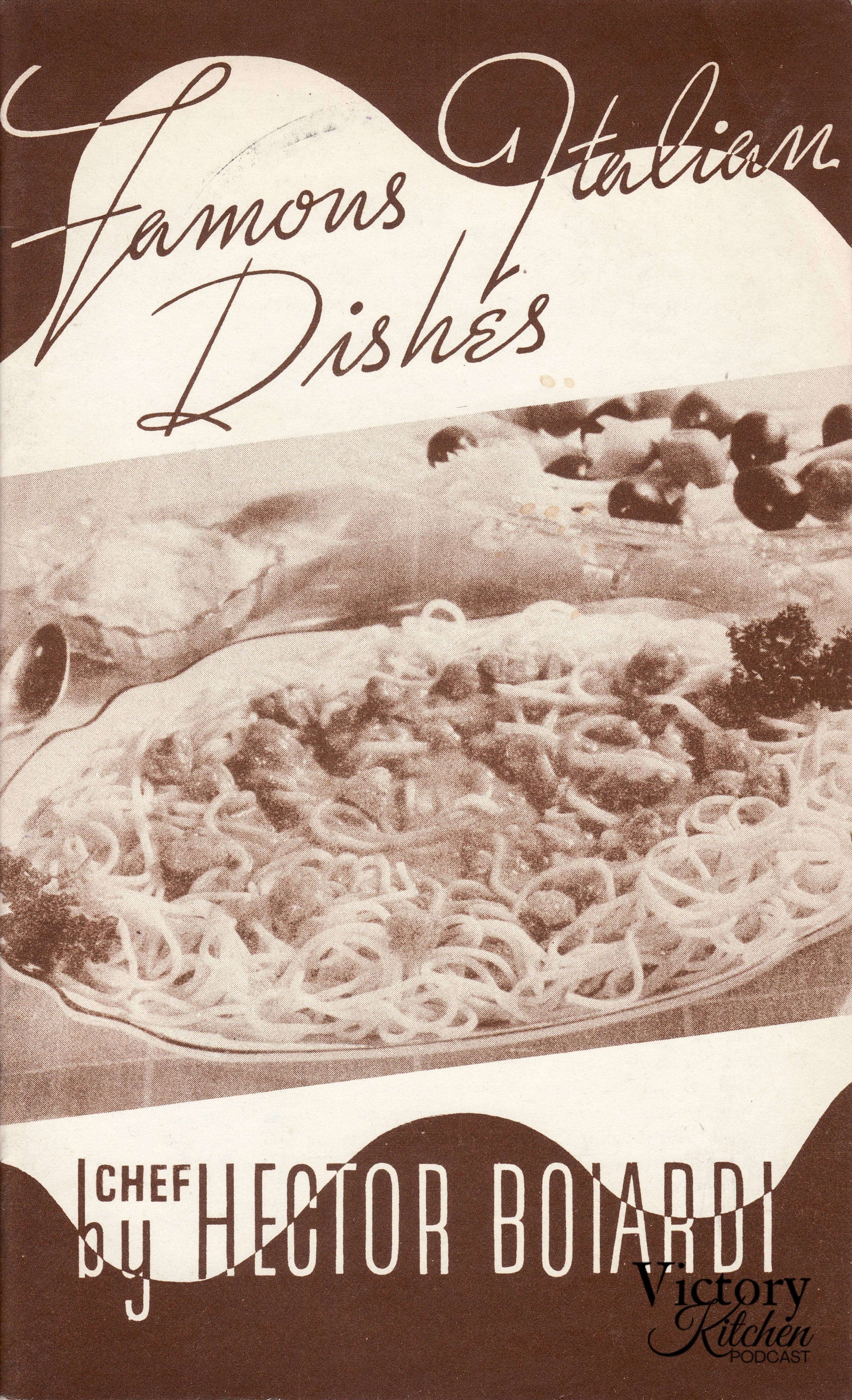
You might recognize the author of this book: Chef Boiardi, the famous chef promoting canned pasta foods. Italian food as portrayed in regular cookbooks was very plain, and rather bland - spaghetti with tomato sauce and maybe a token vegetable or meat. The spaghetti might even be formed into a congealed ring with meat sauce in the middle… shudder. Macaroni noodles were long like spaghetti, and I’ve seen multiple references where they talk about how annoyingly sloppy they are to eat. lol As we know now, they solved that problem by cutting the macaroni into pieces.
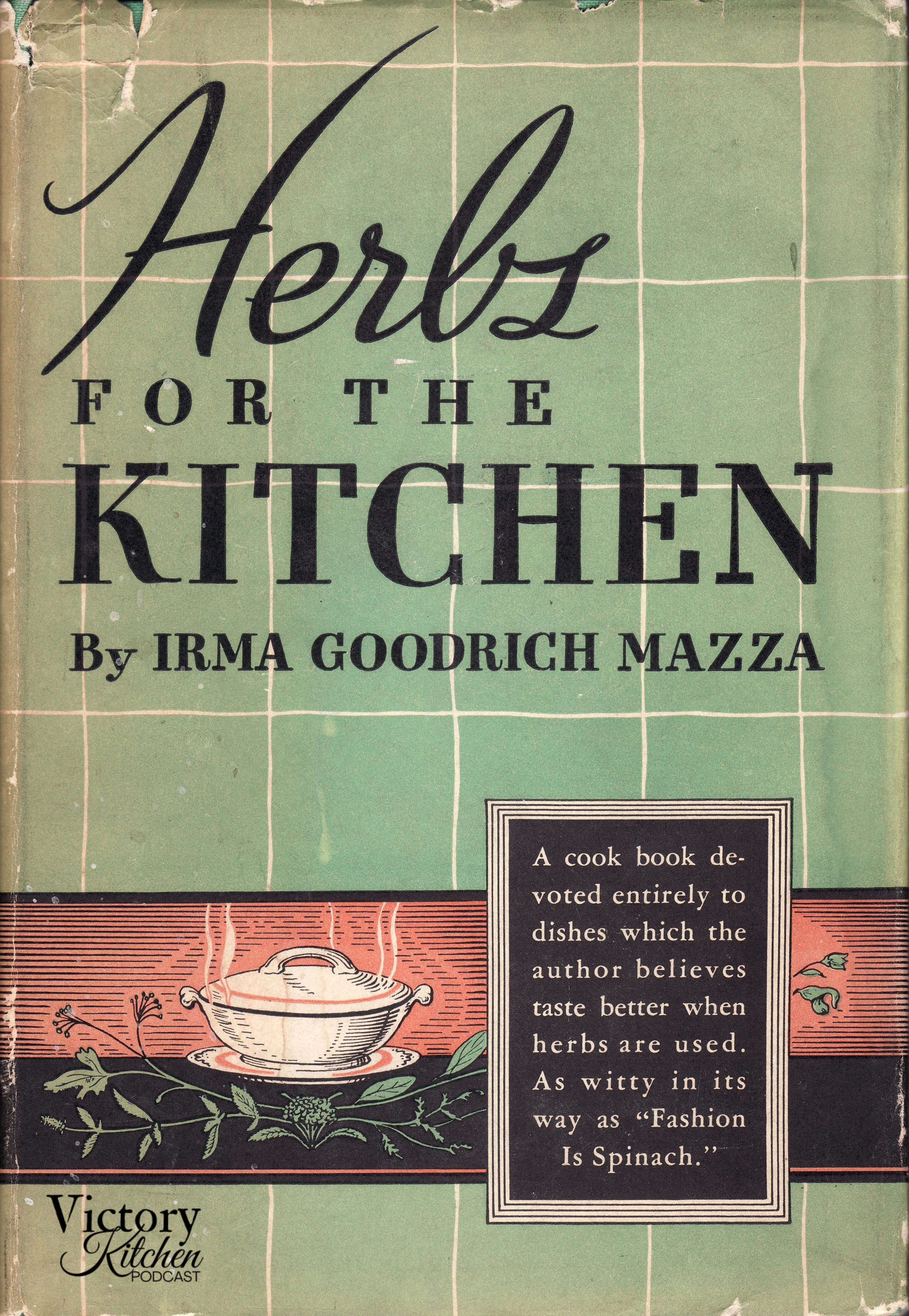
This cookbook was written by a woman who married an Italian man and quickly realized that the style of cooking she grew up with was much blander than the food her husband grew up with. She educated herself on the use of aromatics and herbs in cooking for the sake of marital bliss and brought this knowledge to the broader American public.
Thanks for reading Victory Kitchen Podcast Substack! This post is public so feel free to share it.
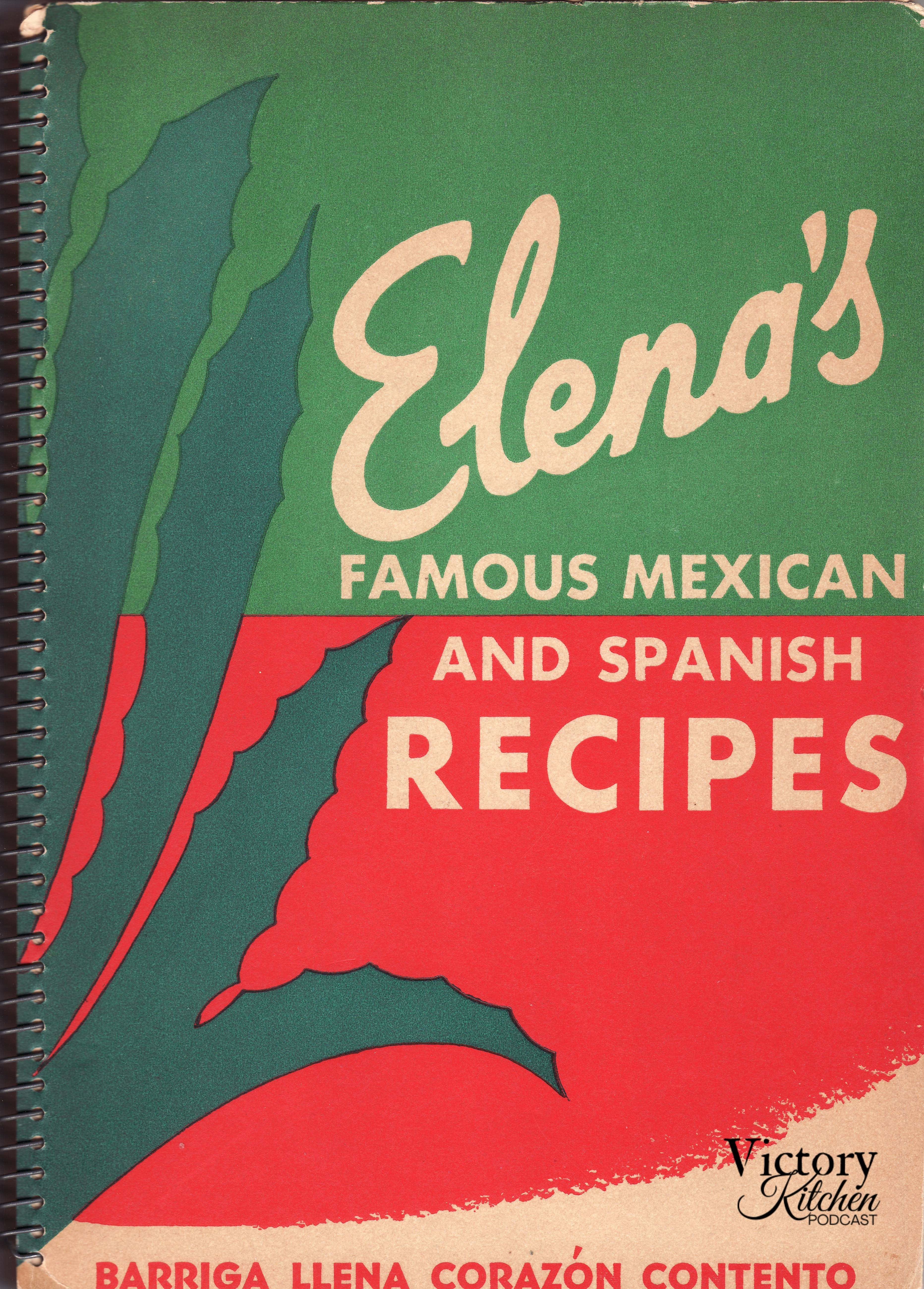
This cookbook is one of my favorites in my collection. It was written by Elena Zelayeta who was a blind Mexican woman with incredible cooking skills. She wanted to write this book to show the American people how diverse and wonderful Mexican cooking was. I tried a couple of the recipes for my episode on Braceros, and they were delicious! Trying vintage Mexican recipes has given me even greater appreciation for modern Mexican cuisine.
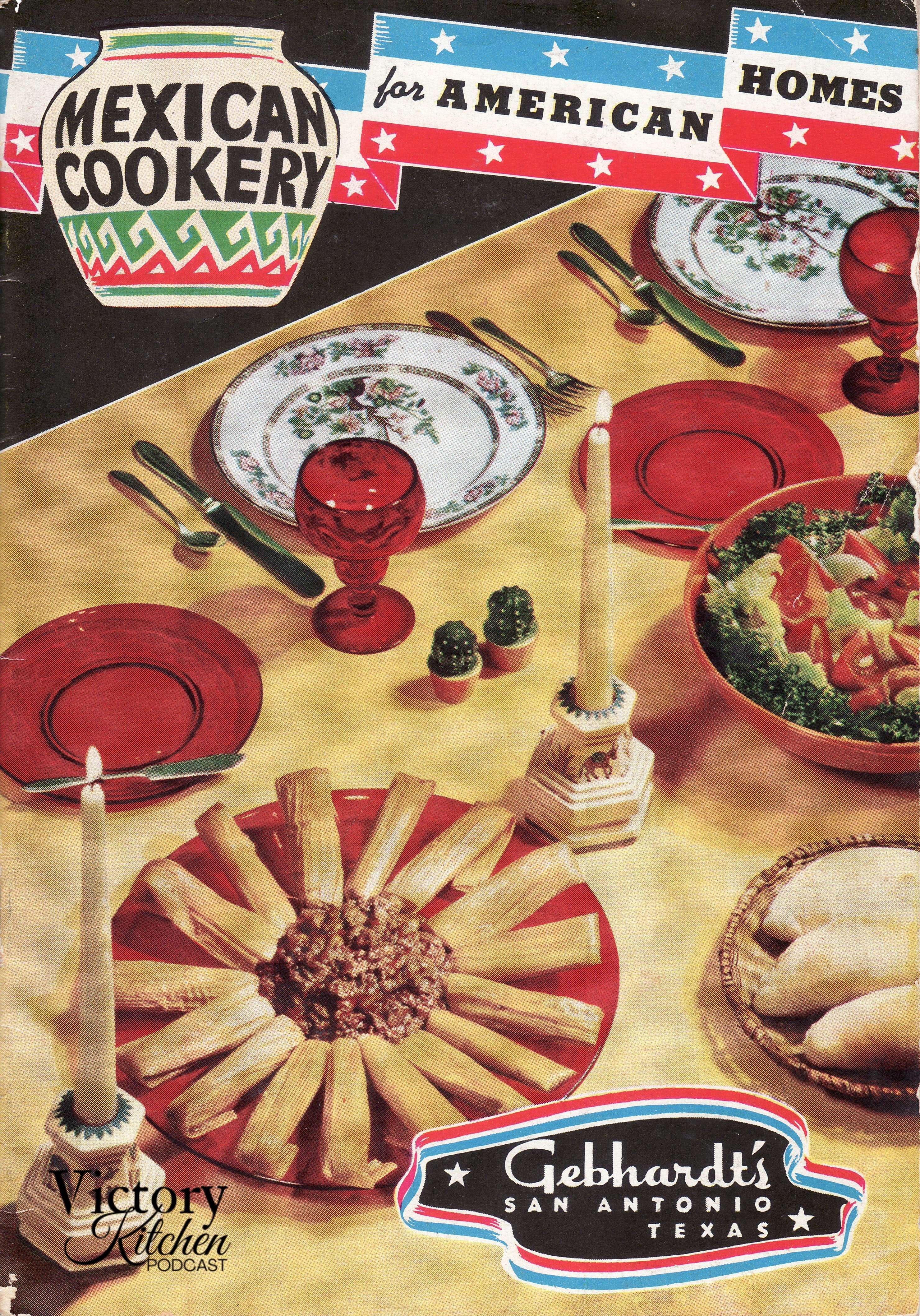
Product advertisement was the purpose behind this recipe booklet. Gebhardt’s made Mexican-style products like chili beans, canned tamales, chili con carne, barbeque sauce, Mexican style beans, and deviled sandwich spread. The cookbook’s title indicates its intended audience — American consumers.
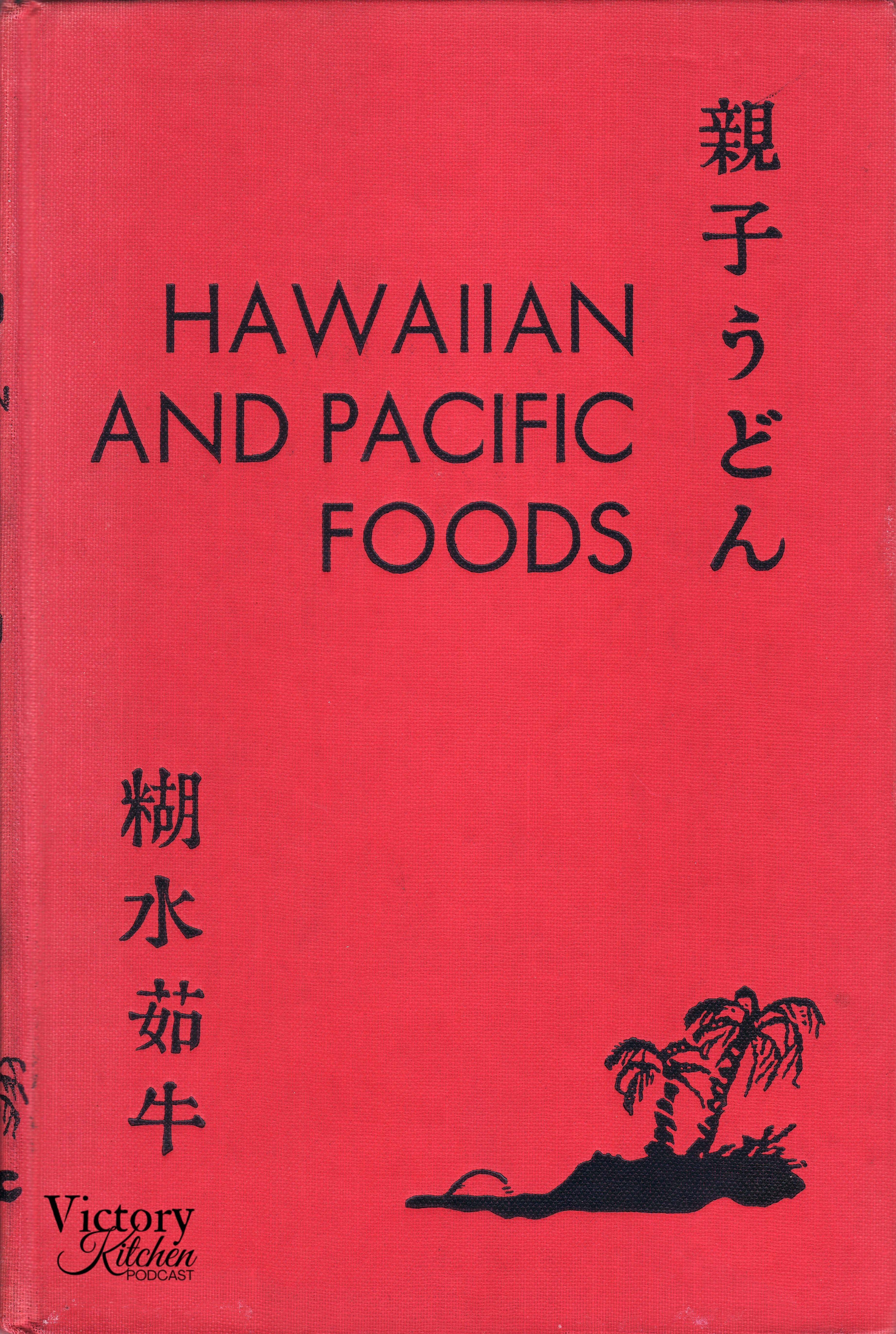
I wanted to add more Asian- and Pacific-American voices, so to speak, to my wartime cookbook collection, and this book is a step in that direction. Its subtitle states “A Cook Book of Culinary Customs and Recipes Adapted for the American Hostess.” So, once again, the American cook is in mind.
The book is also intended as an introduction to Pacific-area cuisine that mainland Americans would not be familiar with. So, it’s got some cultural information as well. The author, Katherine Bazore, explains, “This book is written for those who are interested in foods and customs, and who—even as I—found a dearth of available information about the foods of Pacific peoples.” Bazore is a home economist from the University of Hawaii, so I’d look at this book almost as a social scientist’s cookbook, though, sadly, not from the local Asian and Pacific islanders’ perspective.
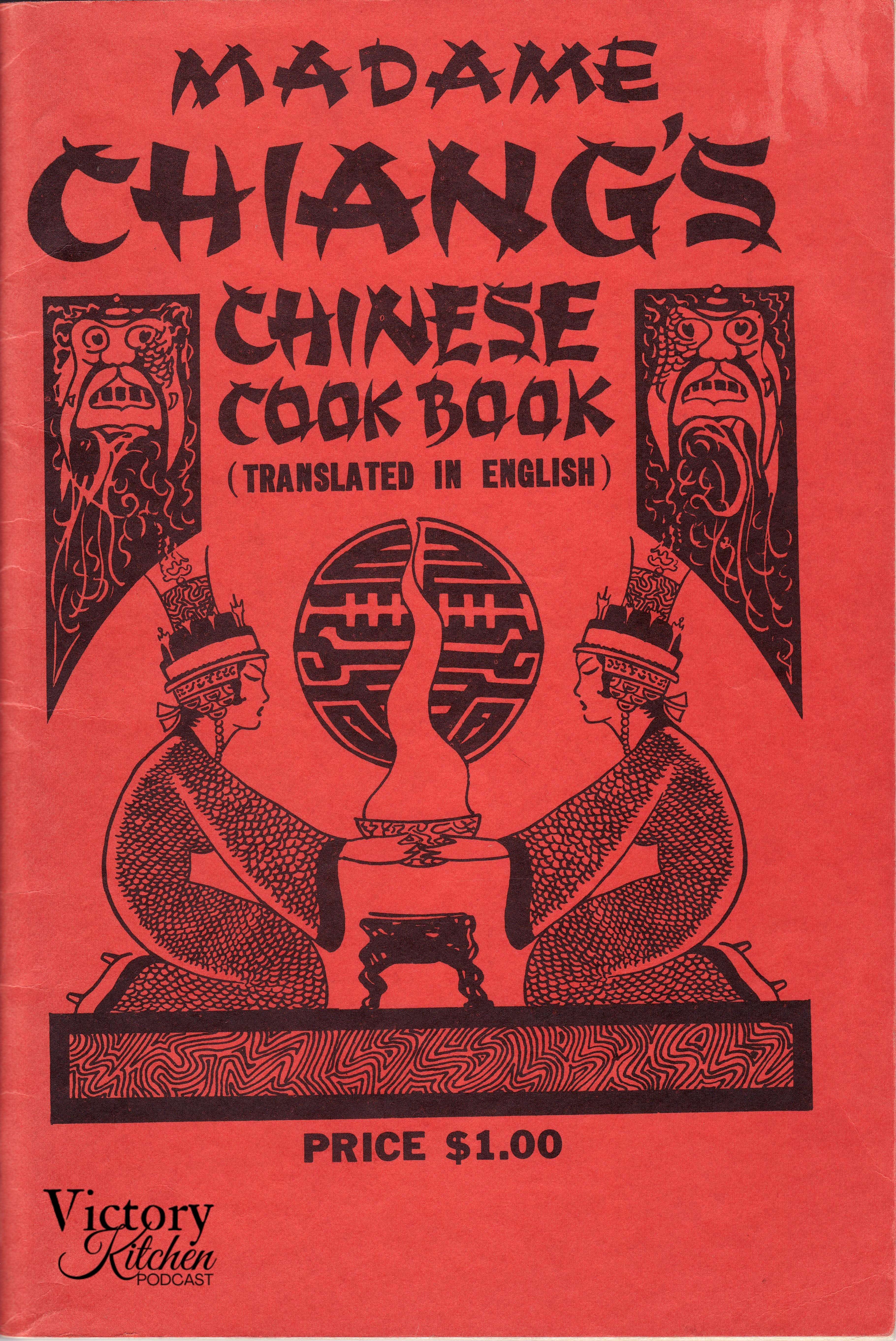
The origins of this book are a little shady and difficult to find. It’s translated by a man named Frank Yep, but I can’t find anything on him. Many of the drawings inside are also suspiciously racist, so it’s hard to know who really wrote this book or how “authentic” it is or where the recipes came from.
I think the introduction adds some clues which says in part, “Hundreds of American housewives have often expressed the desire to receive the authentic recipes of Chinese dishes, which consist principally of vegetables and are easily digestible but contain the nutrition attested by leading dieticians.” I find this explanation very interesting and perhaps revealing as to why it was published: to appeal to the American consumer.
I have tried the Crab Salad inside and it’s become a family favorite.
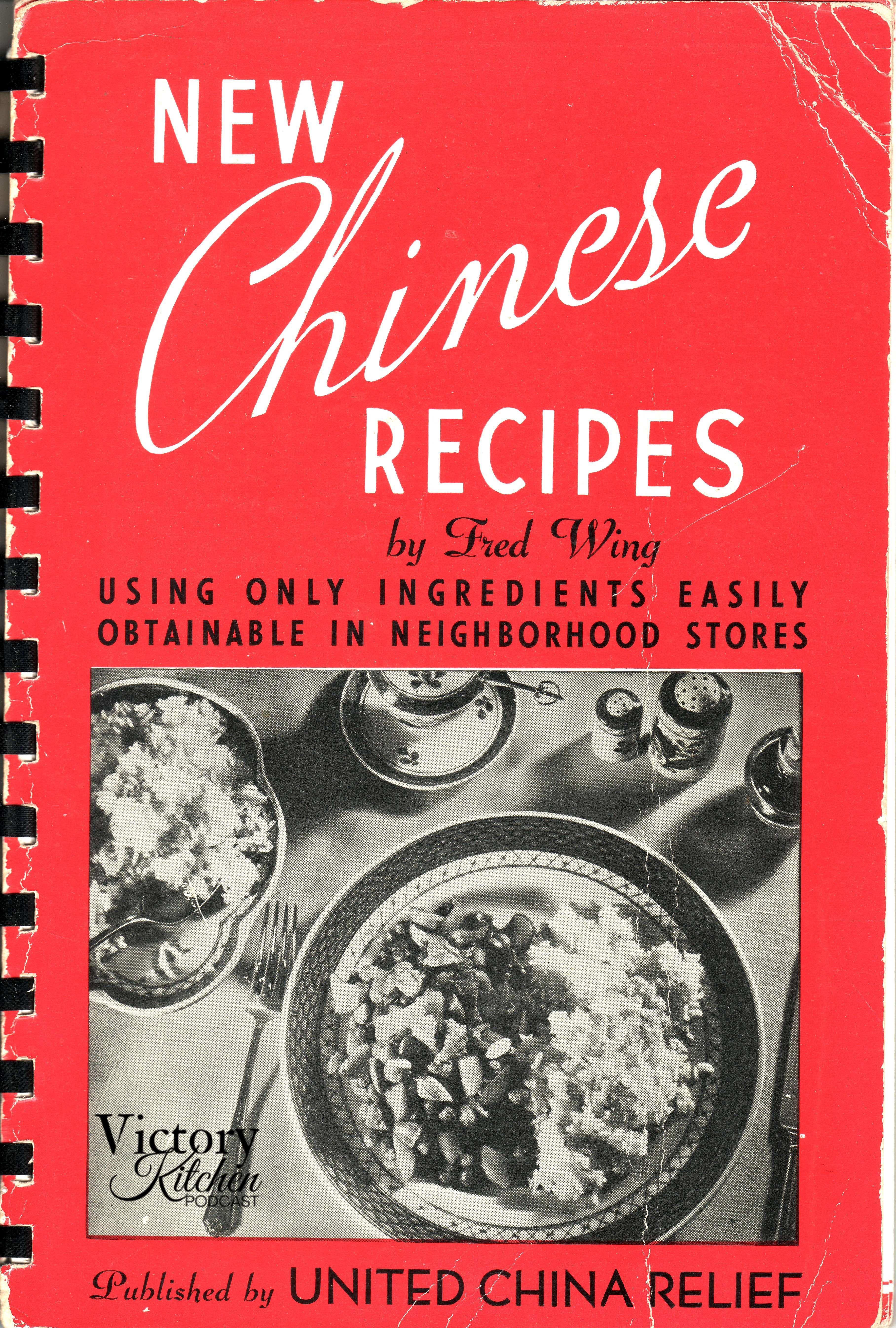
Some cookbooks were published to raise money for a specific cause like this one from United China Relief. (You’ll see a Russian one below.) The cookbook was put together by Fred Wing and Mabel Stegner. Mabel was from a University of Wisconsin Home Economics Consultant and Fred Wing was a “young Chinese restauranteur” whom they persuaded to make his dishes slowly so Mabel could make notes and measurements from in order to translate into tangible recipes. This speaks to the wonderfully intuitive skills of Chinese chefs.
In the foreword it states, “Until recently, in order to enjoy Chinese cookery at its best, one had to go to a Chinese restaurant or be invited to a Chinese home. Now—thanks to the persistence and ingenuity of an American housewife you can learn to prepare delicious Chinese meals in your own home.” It’s hard to know whether Mabel personally benefitted from the cookbook’s publication, but it is good to know that the sales of the book were going to a Chinese relief organization providing help to our Chinese allies. It’s an interesting collaboration, to be sure, and something worth exploring further.
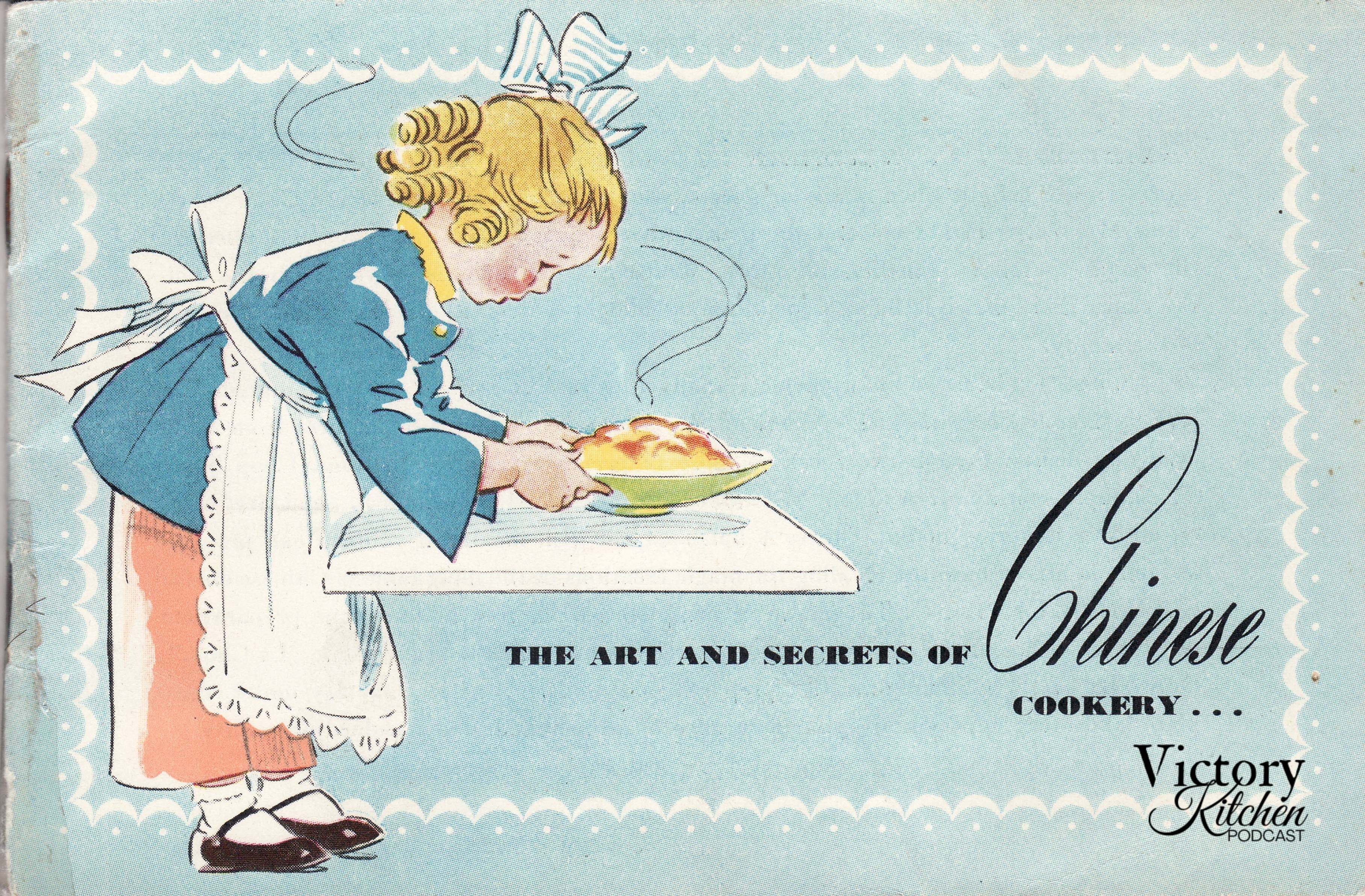
This is a product cookbook published by LaChoy Food Products. LaChoy is still around, so it’s cool to see how they promoted their products in the 1940s. This book is most definitely for American consumers. The artwork features a curly blonde-headed girl dressed in Chinese-style clothing. There are a lot of chop suey and chow mein recipe variations in it, which were both popular dishes from the time. I’ve seen them in a number of other 1940s cookbooks.
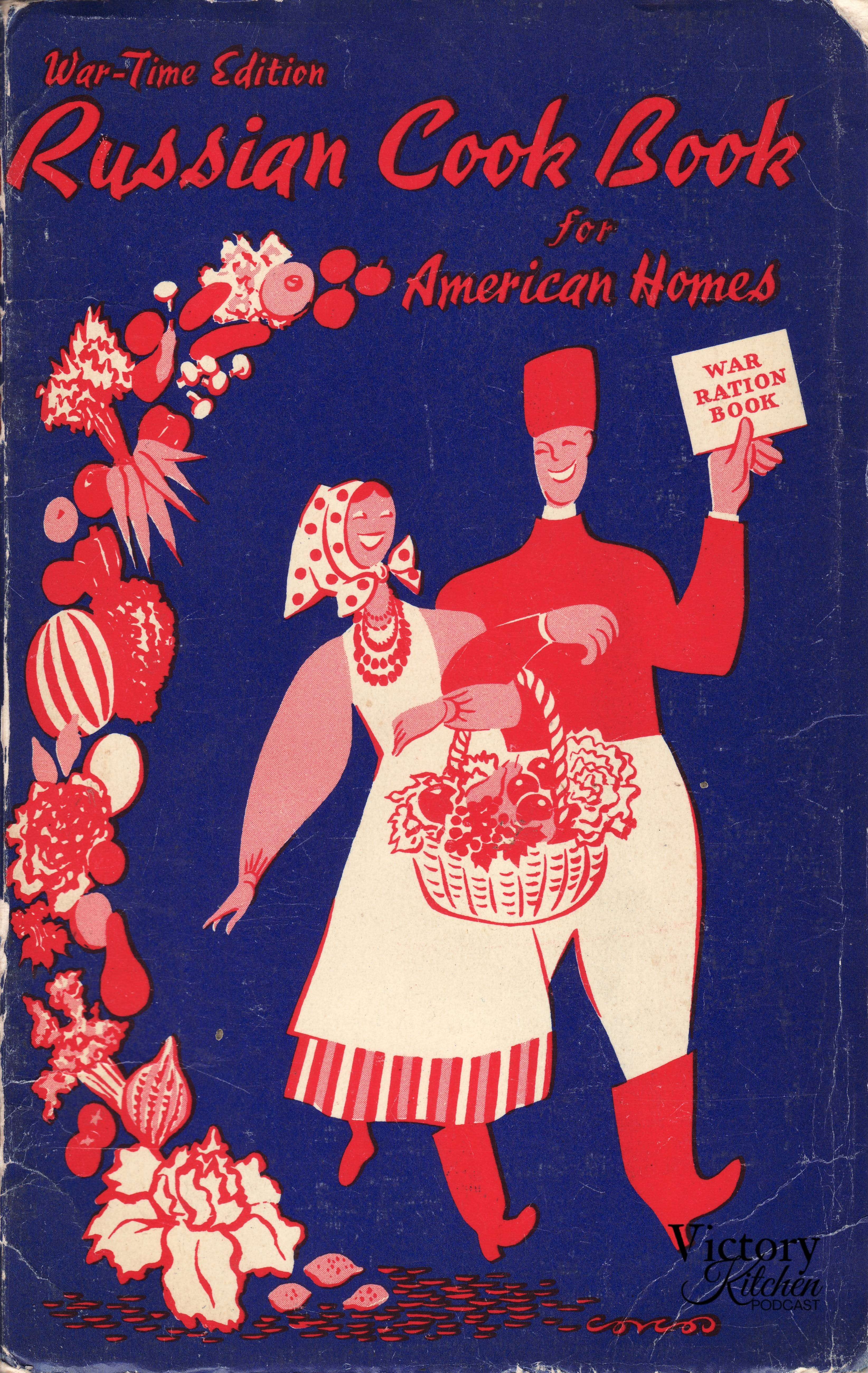
Russia was our ally during WWII and the civilians suffered a great deal due to famine and poverty. This cookbook was published by the Russian War Relief organization which was an effort to provide help for Russians in various ways. The link provides some limited information, but the organization also solicited donations from the American public for basic needs like food, clothes, and hygiene supplies.
This cookbook highlights Russian recipes submitted by people from around the U.S. like Mrs. Georges R. Wiren or Ray Davidson, and organizations like the Los Angeles Committee for Russian War Relief. Each section provides some cultural context.
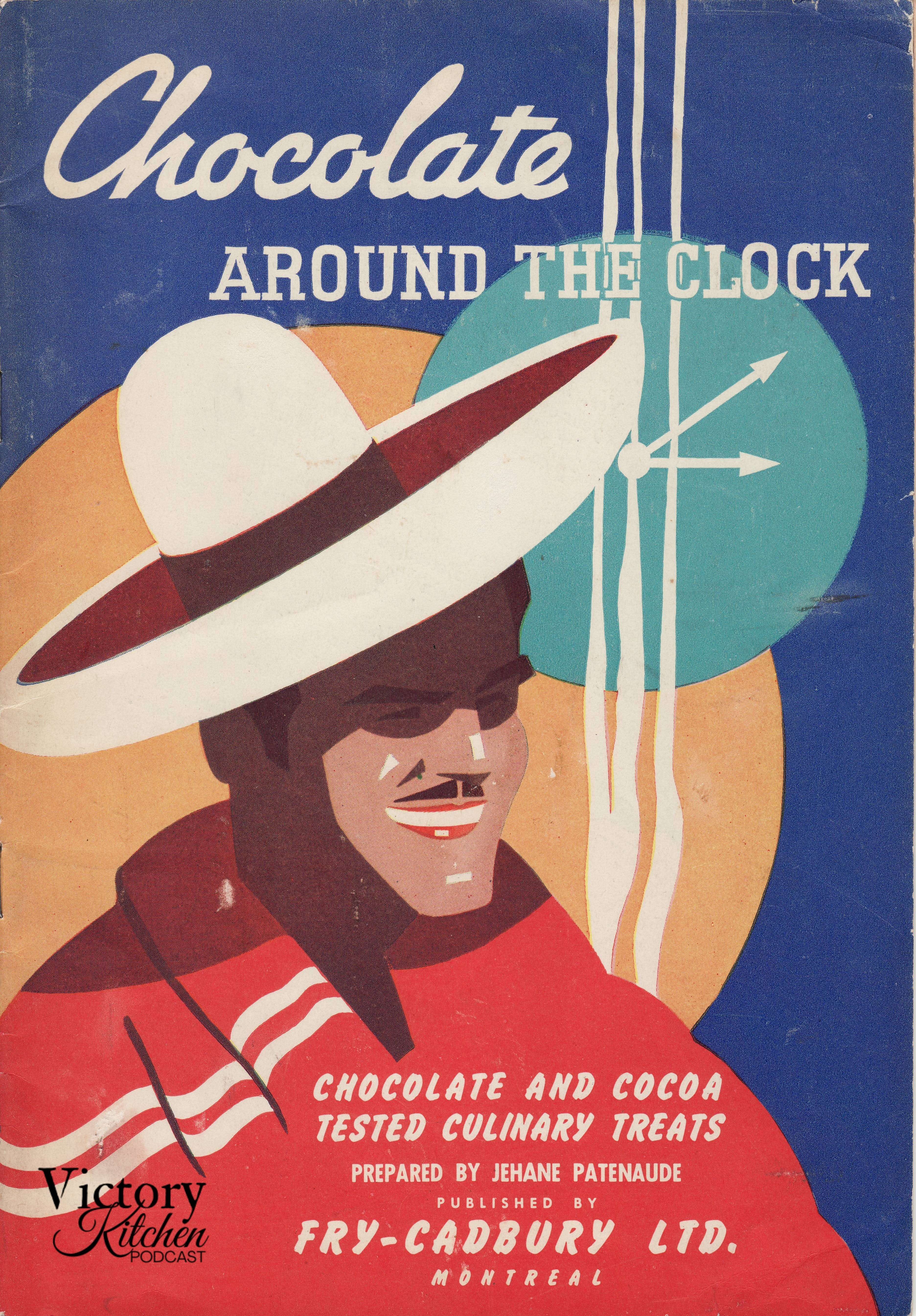
Check it out! A Cadbury cookbook! This book was published in Montreal, Canada and has such a beautiful cover highlighting the roots of chocolate’s heritage. I wanted to include it, because it’s possible that it was sold/offered to consumers in the United States. It’s full of chocolate recipes as you might guess.
No posts
Comments
Nothing yet. Say the first thing.
Sign in to join the conversation.