
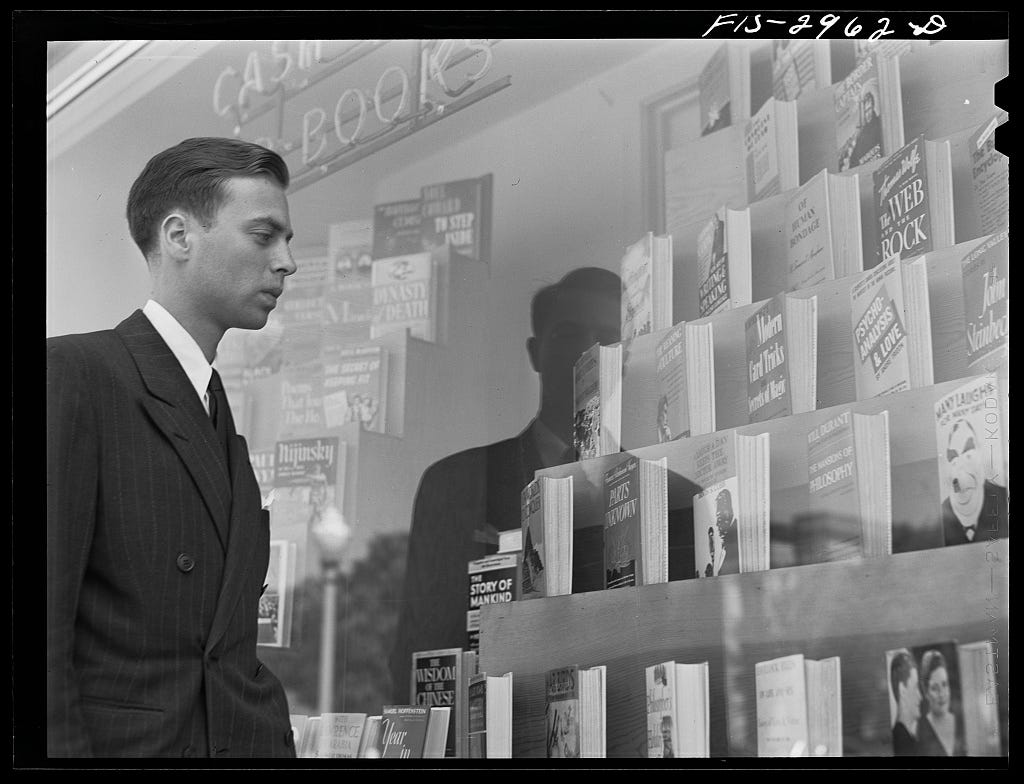
Welcome to the supplemental content for this episode centered around modern books to read for learning about the American home front. During the past couple years in grad school, my knowledge and understanding has grown immensely around the WWII era. There are so many perspectives from which to study WWII that it can be overwhelming, but modern historians help us out a lot.
I break my books down into a few categories: The Home Front, the Global Front, and the Roosevelts. (I took a separate class on the Roosevelts which was quite enlightening!)
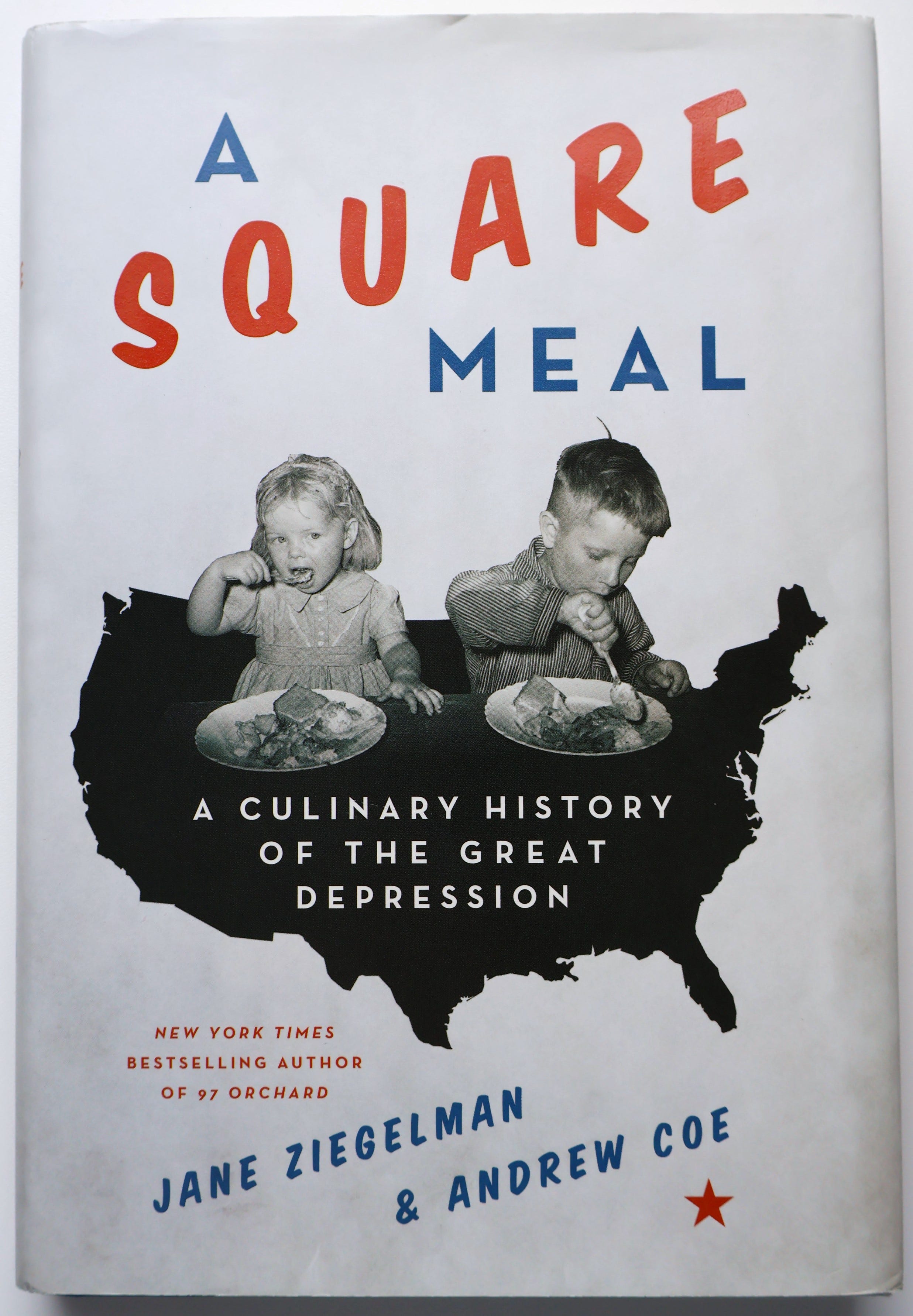
This book looks at how Americans ate during the Great Depression. This is valuable context to better understand what our country was like as we entered WWII.
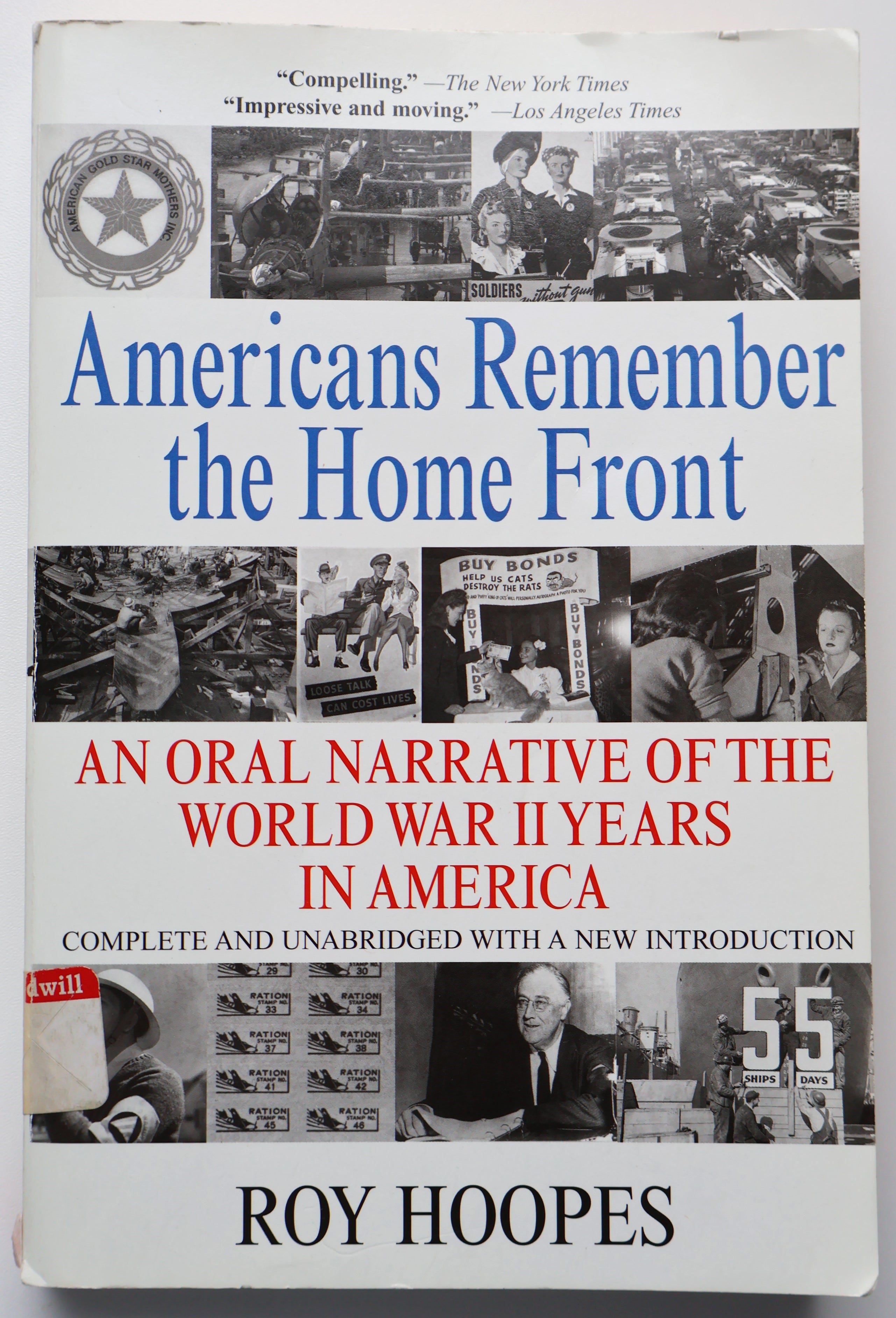
Published in the 1970s, this oral history is a unique remembrance from all different kinds of Americans of WWII only 30 years after it ended.
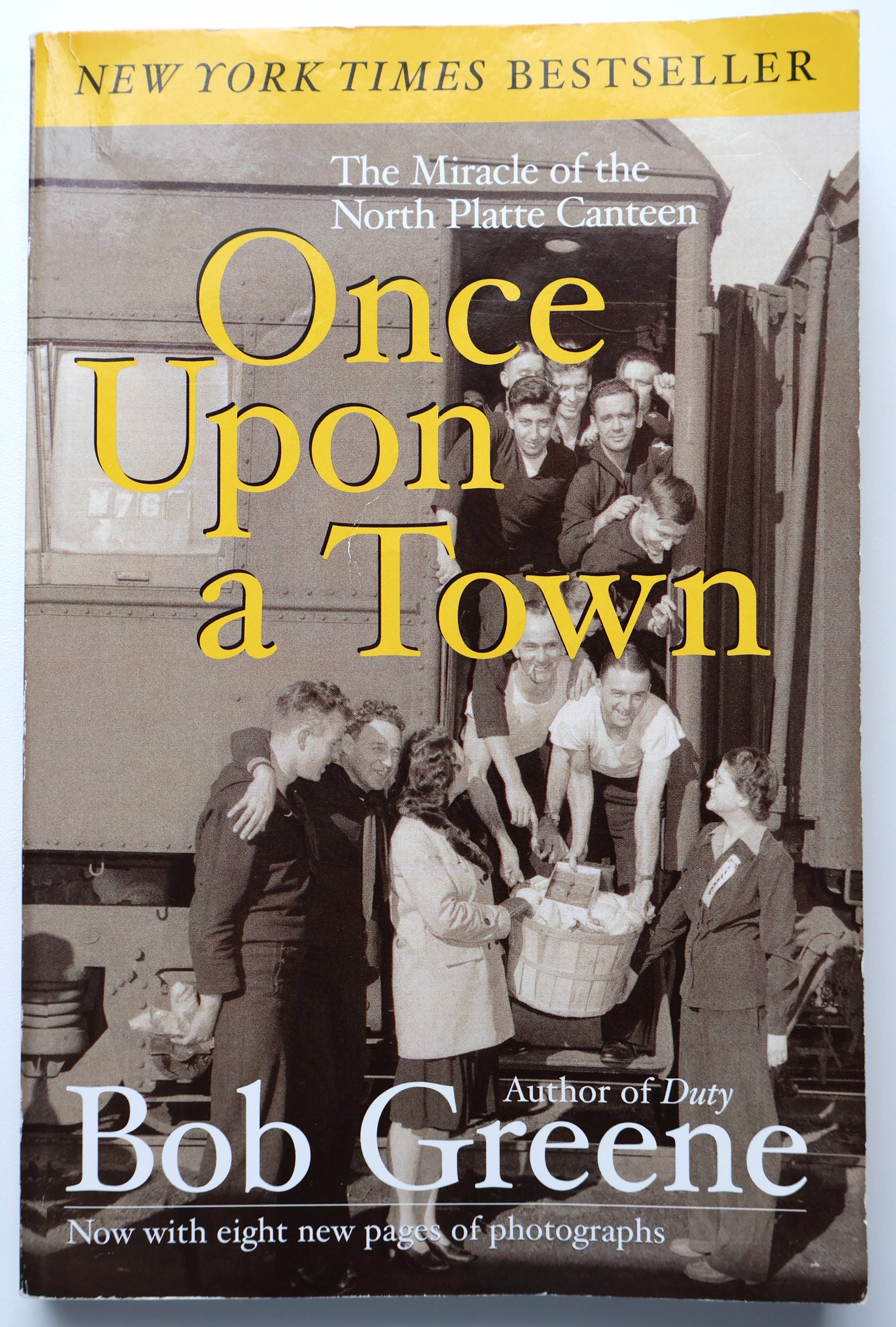
If you’re looking for a heart-warming home front history, this is the book to read! I am still blown away by how this town pulled everything off to feed thousands of soldiers coming through their train station for the entire war.
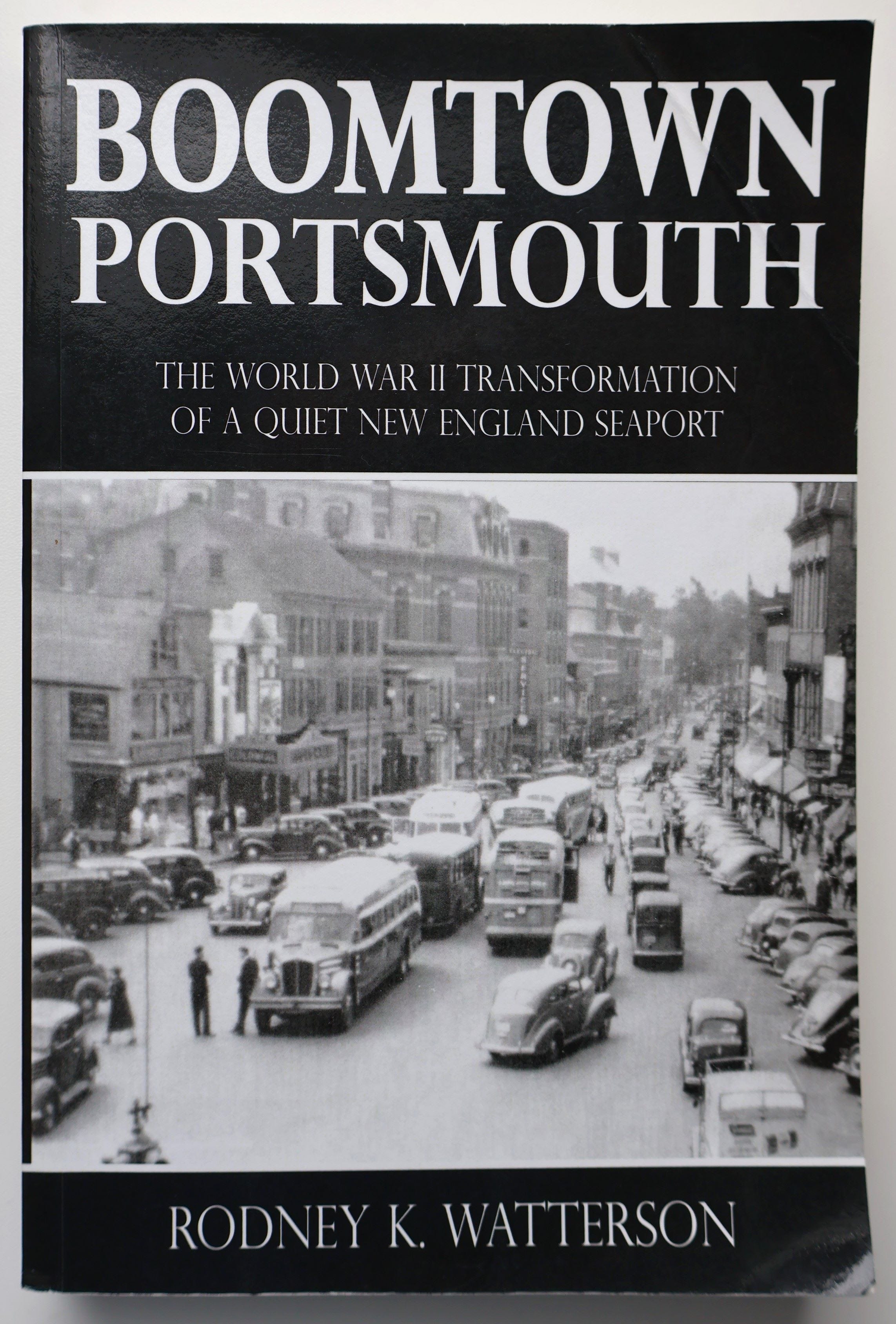
Boomtowns were a side-effect of WWII, and this book examines Portsmouth, New Hampshire where they built a staggering number of submarines all throughout the war. There are some fascinating discussions about environmental impact that I found really enlightening.
Thanks for reading Victory Kitchen Podcast Substack! This post is public so feel free to share it.
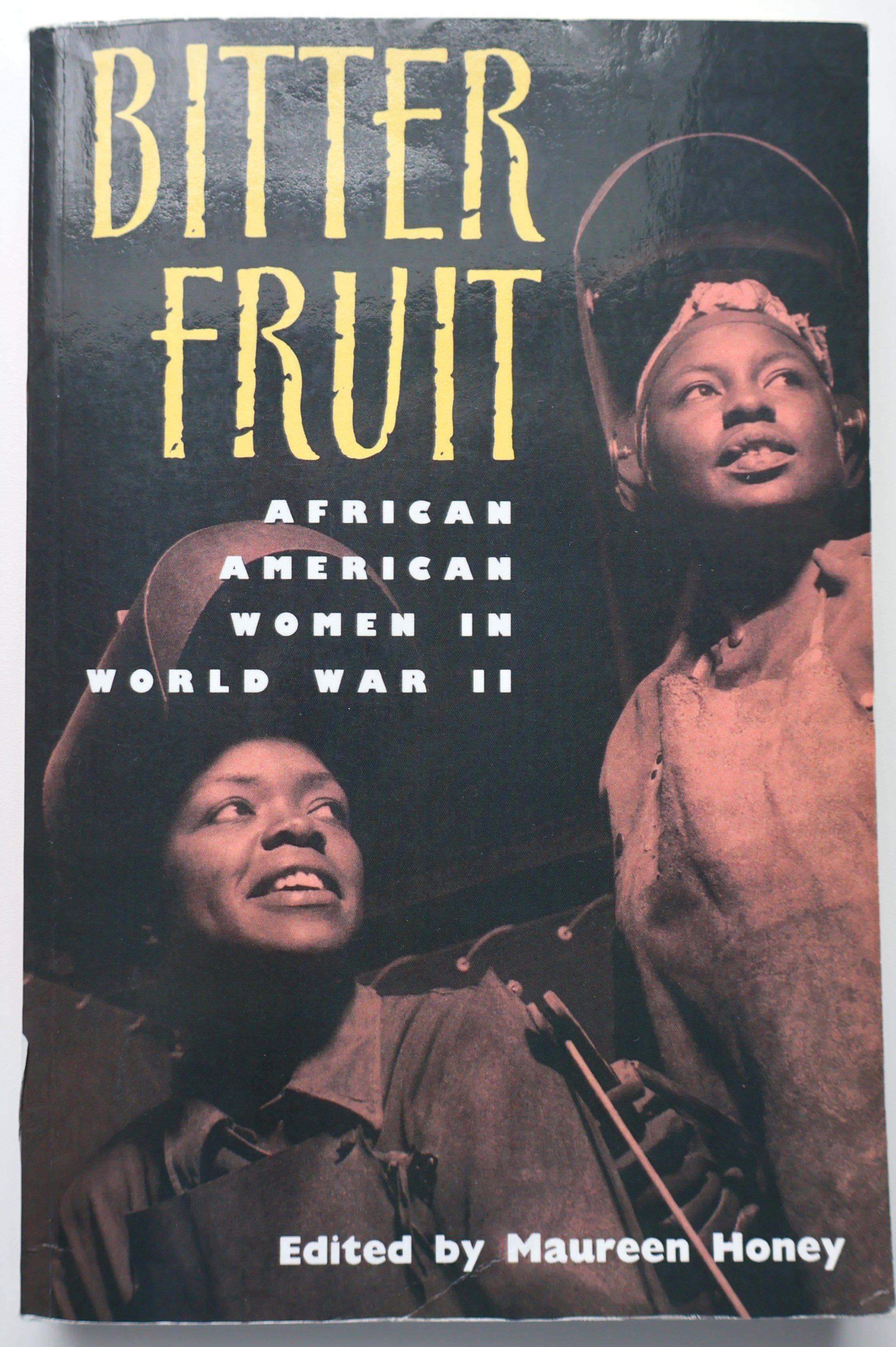
I wanted to read an African American women’s history from the war and this was a great choice! The author collects wartime experiences from newspapers, articles, photographs, poems and fictional writing authored by African American women themselves. Through this method we get to hear about their experiences in their own voices.
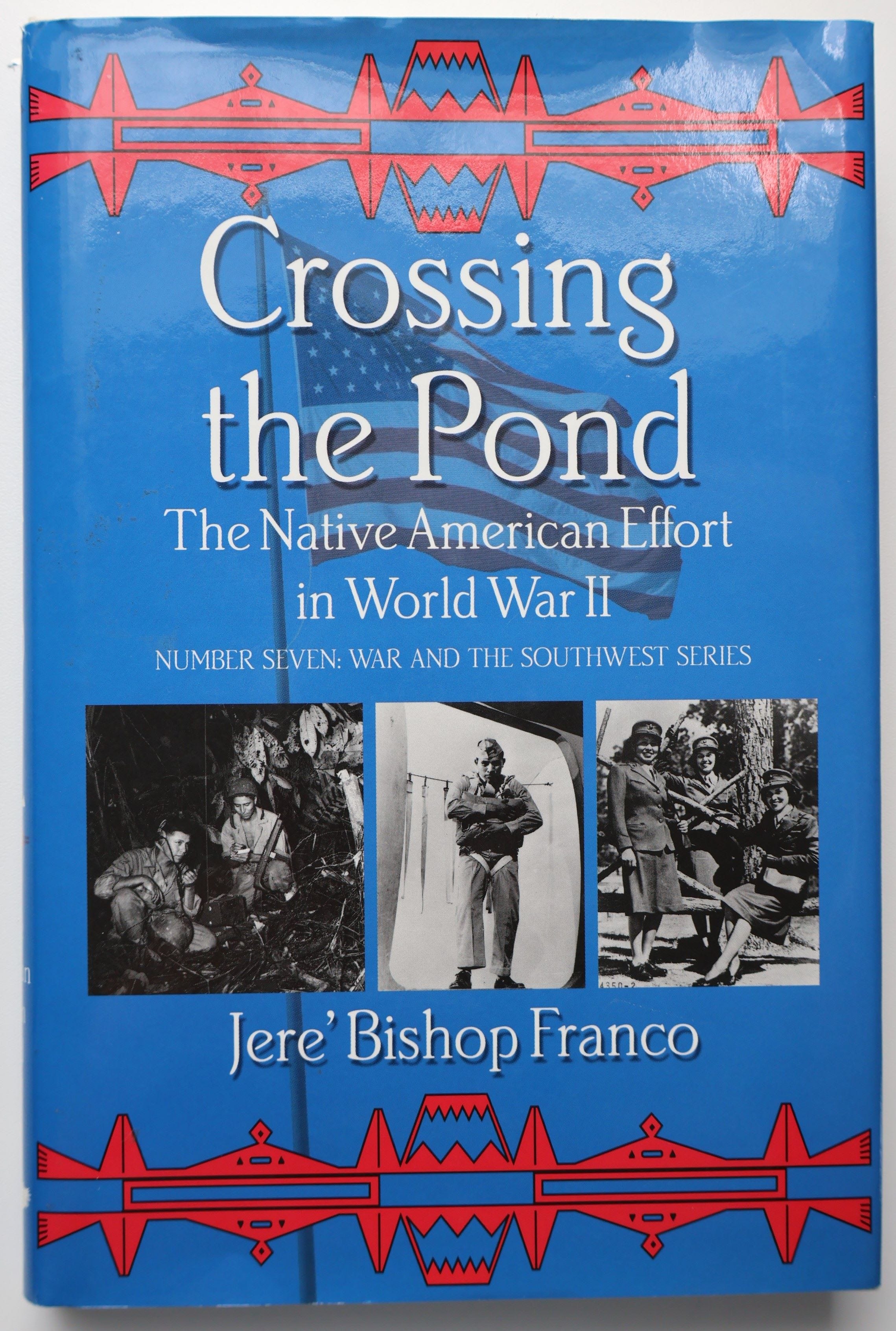
Another aspect of wartime home front history I wanted to learn more about was the experience and efforts of Native Americans. This book focuses a lot on the domestic politics but also highlights what Native people were doing on the home front and how they adapted as soldiers overseas.
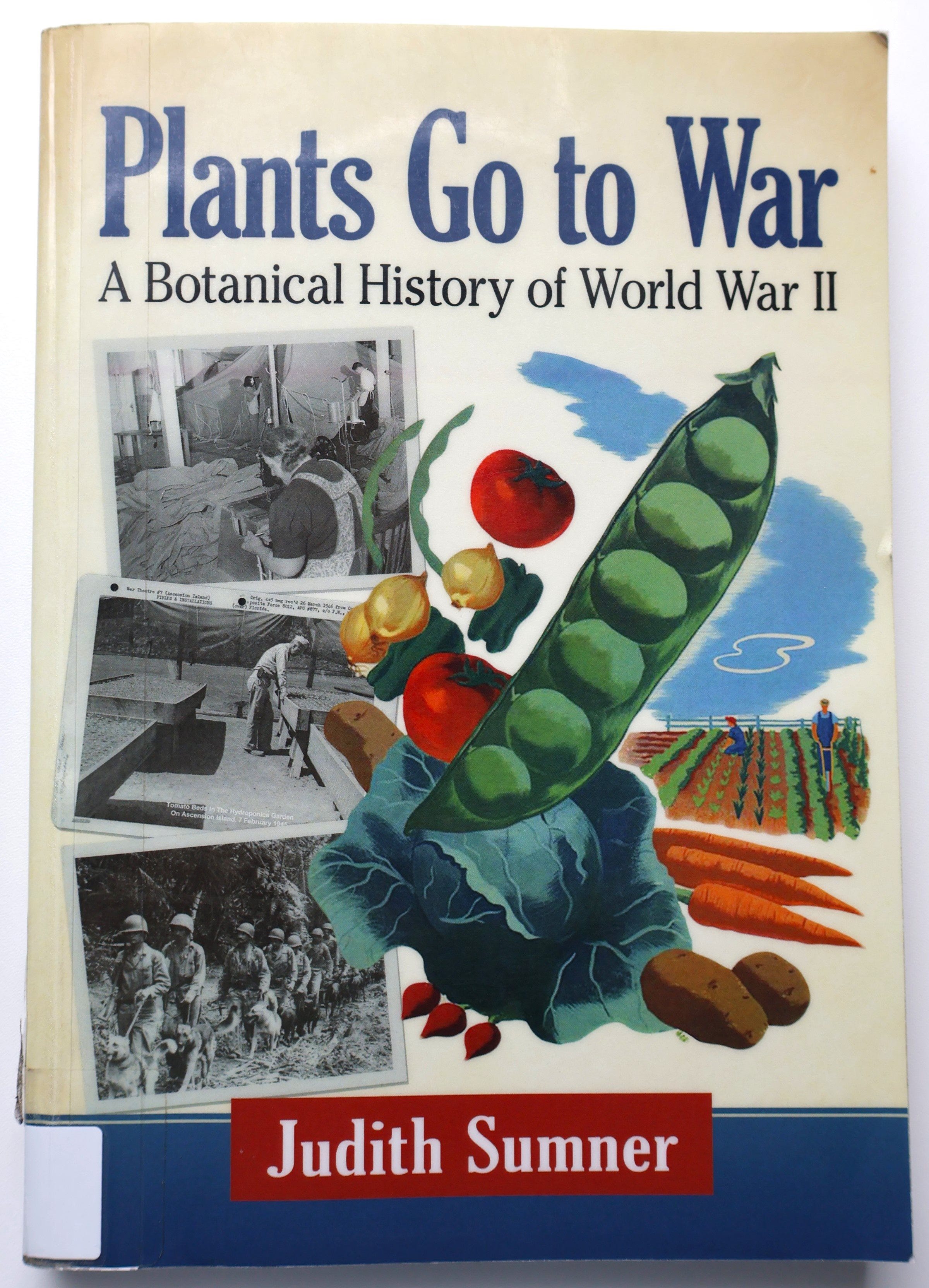
Out of all the books I read, this was one of my favorites! This is a really thorough and fascinating look at how botanicals were used for food and war materials. I highly recommend this one as a foundational home front history book, but I especially recommend it for science nerds. Such a fun read!
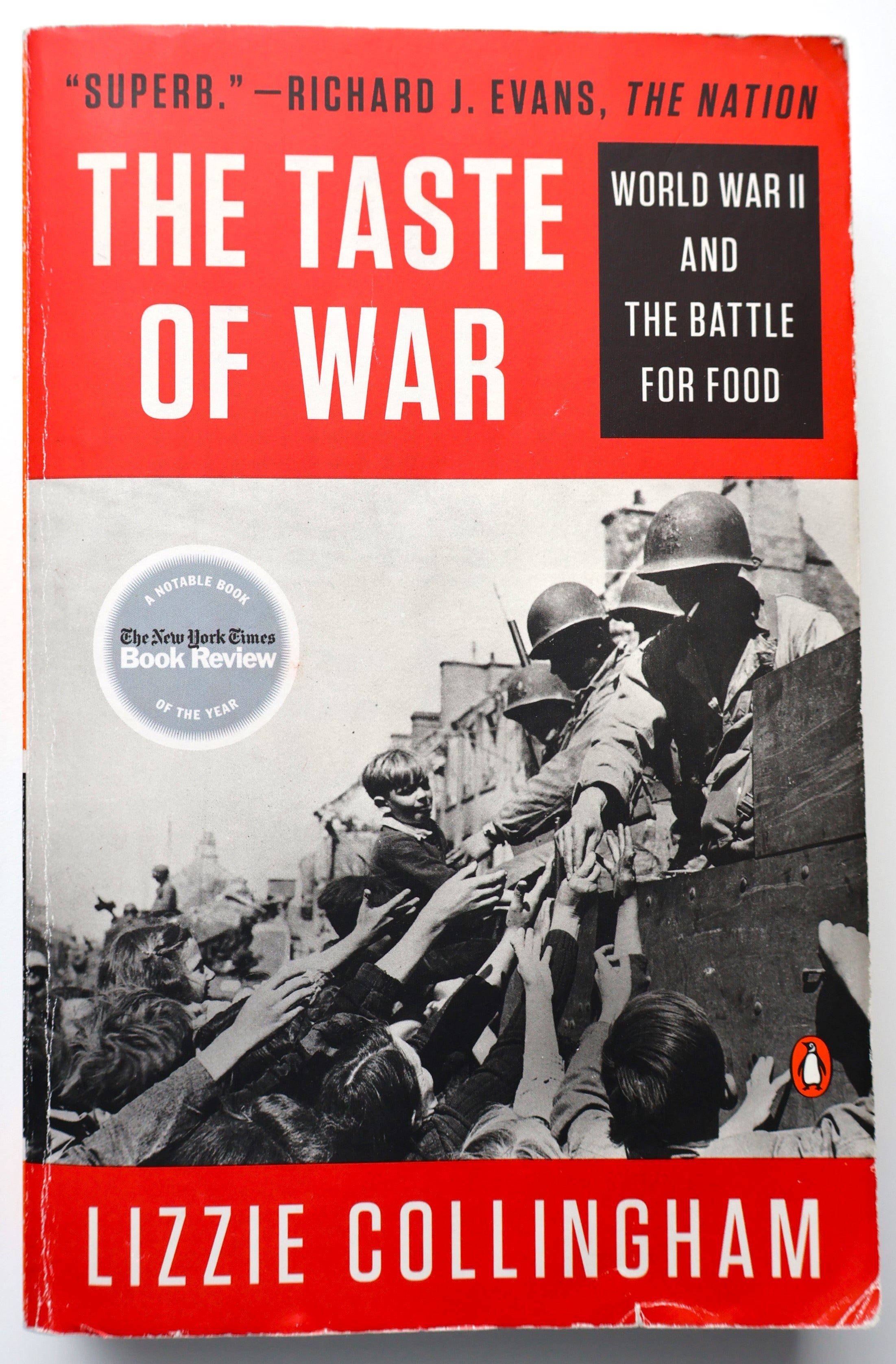
This book is a pivotal tome examining food in WWII from all parts of the globe. This global perspective is invaluable in understanding the broader picture of why food was scarce and how uneven food distribution was globally. It also gives a clear picture of the various ways different governments/countries approached feeding their people and their soldiers. Very sobering and depressing.

Available for iOS and Android
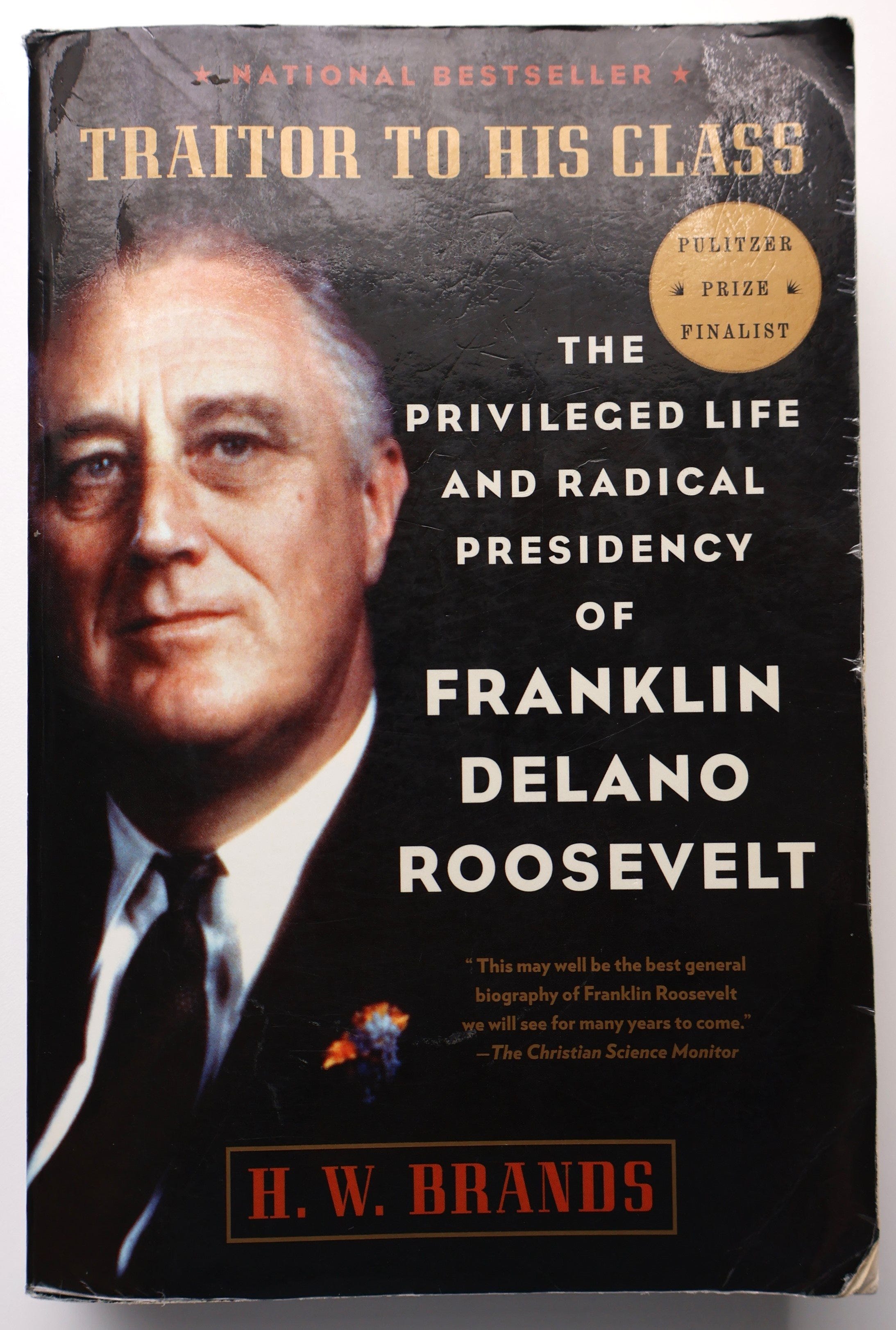
I learned a lot about FDR in this biography of his life. It was especially interseing to learn more about his childhood and early career.
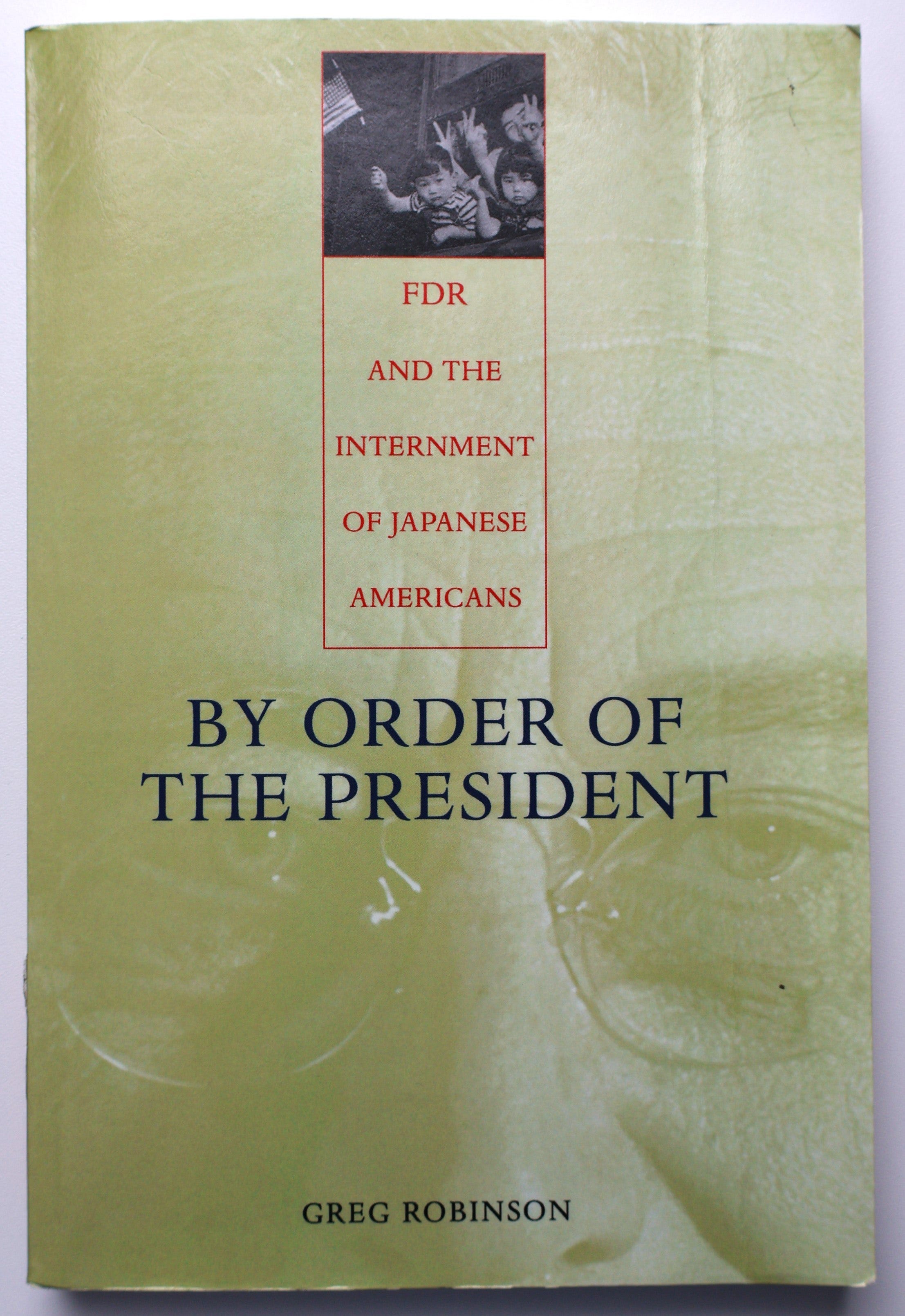
The author takes a much more critical view of FDR in this book about his involvement with the Japanese internment camps.
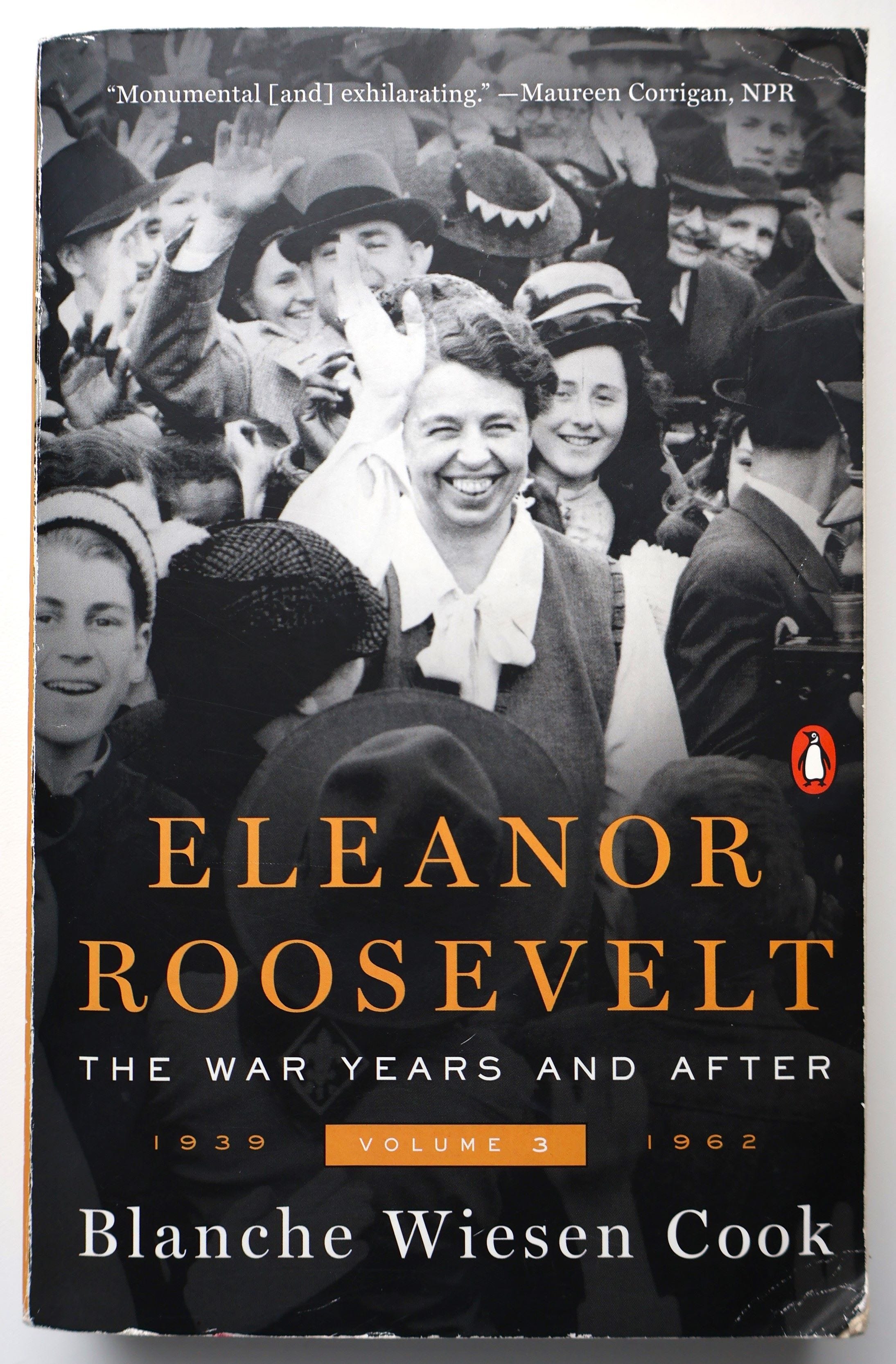
For my class, we read Volume 1 of this 3 part series, but for my paper I got this book which highlights Eleanor Roosevelt’s war years. It’s very thorough and in-depth. If you’re fascinated with ER or First Ladies, this series does a great job of showing what a radical, progressive First Lady she really was!
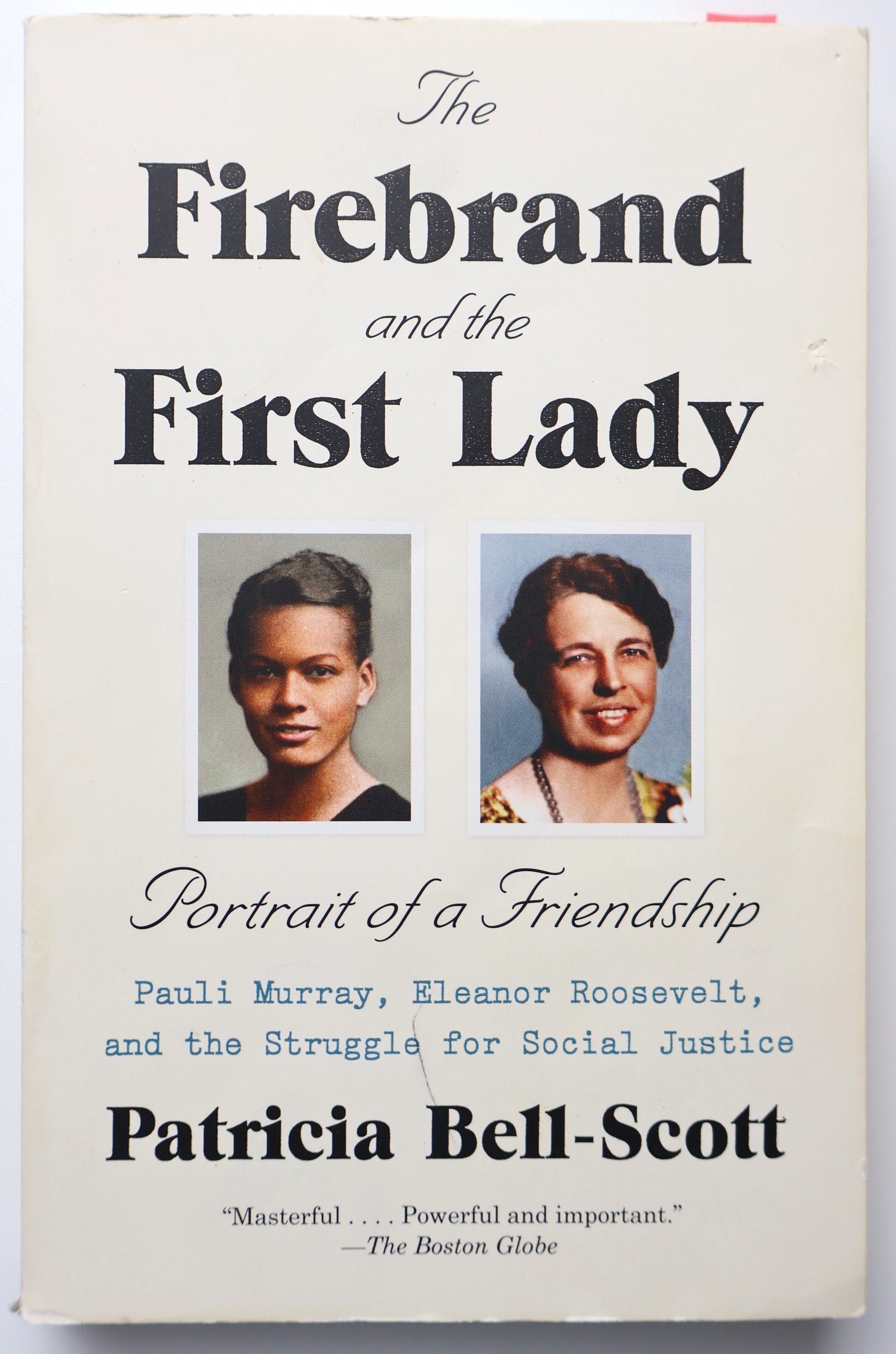
This book is mostly from Pauli Murray’s perspective as it looks at her relationship with Eleanor Roosevelt. I learned a lot about the struggle African Americans had for more equal rights and how much this was central to ER’s activism.
Here are a lot of the books I’ve read to do research for my episodes throughout the years.
Podcast Research
Mexican Labor & World War II: Braceros in the Pacific Northwest, 1942-1947 by Erasmo Gamboa
The Girls of Atomic City: The Untold Story of the Women Who Helped Win World War II by Denise Keirnan
Ritchie Boy Secrets: How a Force of Immigrants and Refugees Helped Win World War II by Beverley Driver Eddy
Dear Dods, Letters From a Conscientious Objector in WWII by Art Bryant
A Different Kind of War Story: A Conscientious Objector in World War II by Edward M. Arnett
Michigan POW Camps in World War II by Gregory D. Sumner
On the Farm Front: The Women’s Land Army in World War II by Stephanie Carpenter
Of Sugar and Snow: A History of Ice Cream Making by Jeri Quinzio
Bees in America: How the Honey Bee Shaped a Nation by Tammy Horn
What’s Cooking, Uncle Sam?: The Government’s Effect on the American Diet by Alice D. Kamps - Records from the National Archives
While my last semester helped me clear out some of the books I’ve been wanting to read, I still have a substantial backlog to get through! Here are the highlights:
Warfare State: World War II Americans and the Age of Big Government by James T. Sparrow
Home Front Battles: World War II Mobilization and Race in the Deep South by Charles C. Bolton
War Stories: Remembering World War II by Elizabeth Mullener
“The Good War”: An Oral History of World War II by Studs Terkel
And If I Perish: Frontline U.S. Army Nurses in World War II by Evelyn M. Monahan and Rosemary Neidel-Greenlee
Slacks and Calluses: Our Summer in a Bomber Factory by Constance Bowman and Clara Marie Allen
Refusing War Affirming Peace: A History of Civilian Public Service at Cascade Locks by Jeffrey Kovac
Attu Boy: A Young Alaskan’s WWII Memoir by Nick Golodoff
Willow Tree Shade: The Susan Ahn Cuddy Story by John Cha
Defending Baltimore Against Enemy Attack: A Boyhood Year During World War II by Charles Osgood
Gestapo: Instrument of Tyranny by Edward Crankshaw
Hiroshima by John Hersey
Thirty Seconds Over Tokyo by Captain Ed Lawson
A Vacation for Victory: An Illustrated History of the Women’s Land Army in Canada by Kelsey M. Lonie (This one was just published by my good friend and podcast guest, Kelsey!)
I’d love to hear about your favorite books about WWII and the American home front!
Share Victory Kitchen Podcast Substack
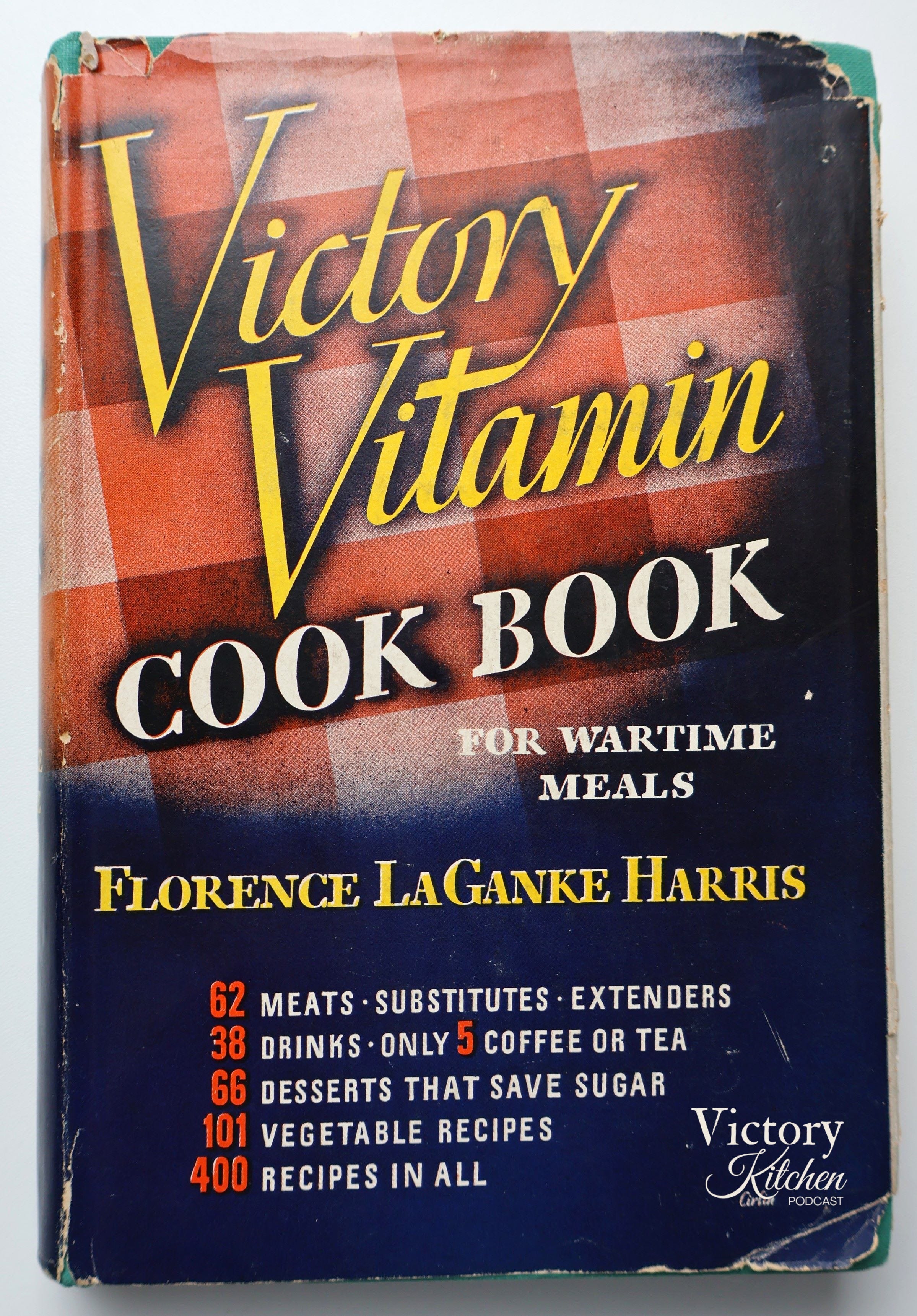
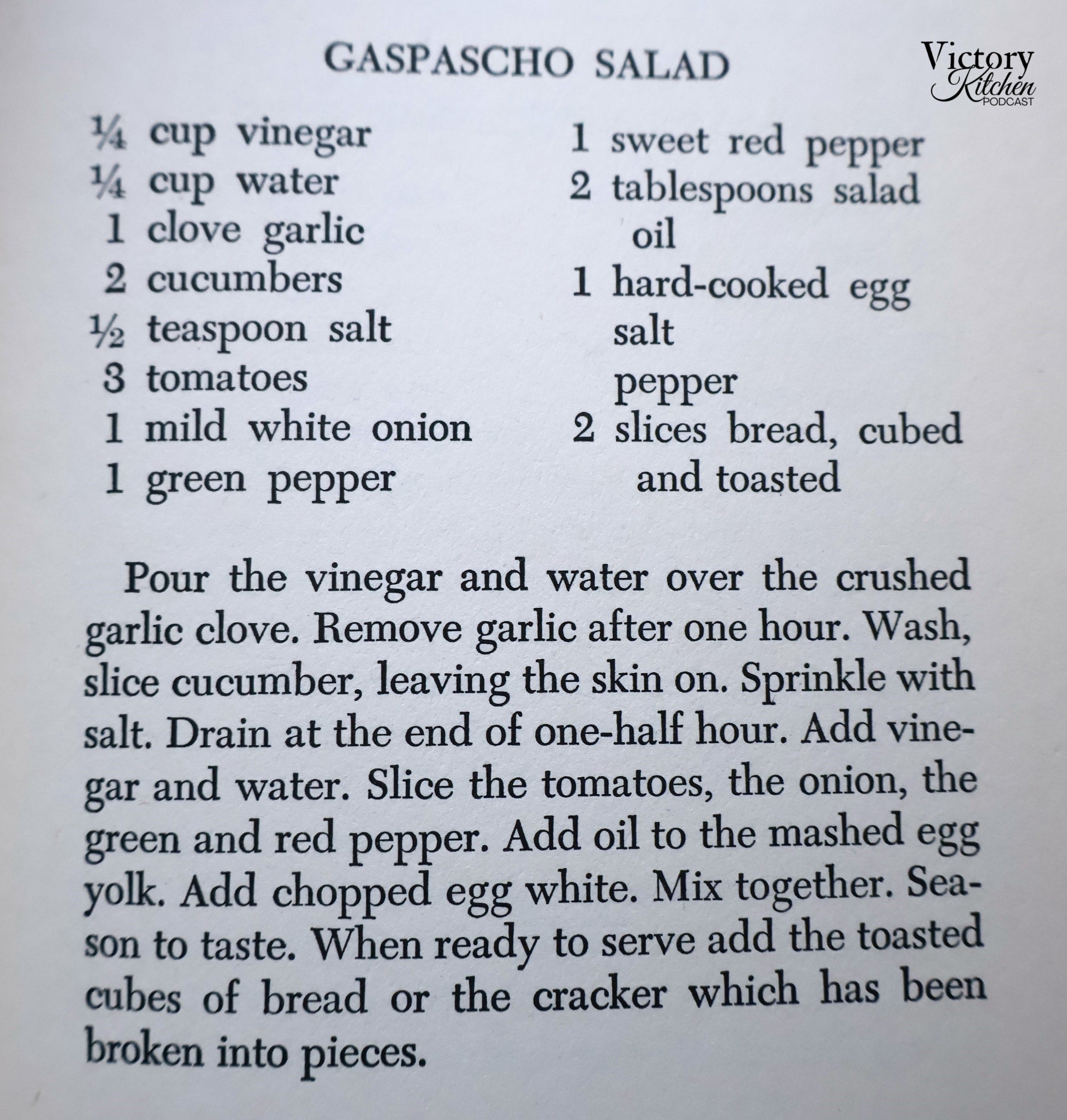
I tried this beautiful summer salad called Gaspascho Salad. It was delicious and filling and I would definitely make it again! Although, I would remove the boiled egg, which doesn’t seem to serve much of a purpose, and add the salad oil with the vinegar and water. I like less onion, so I also added less of those.
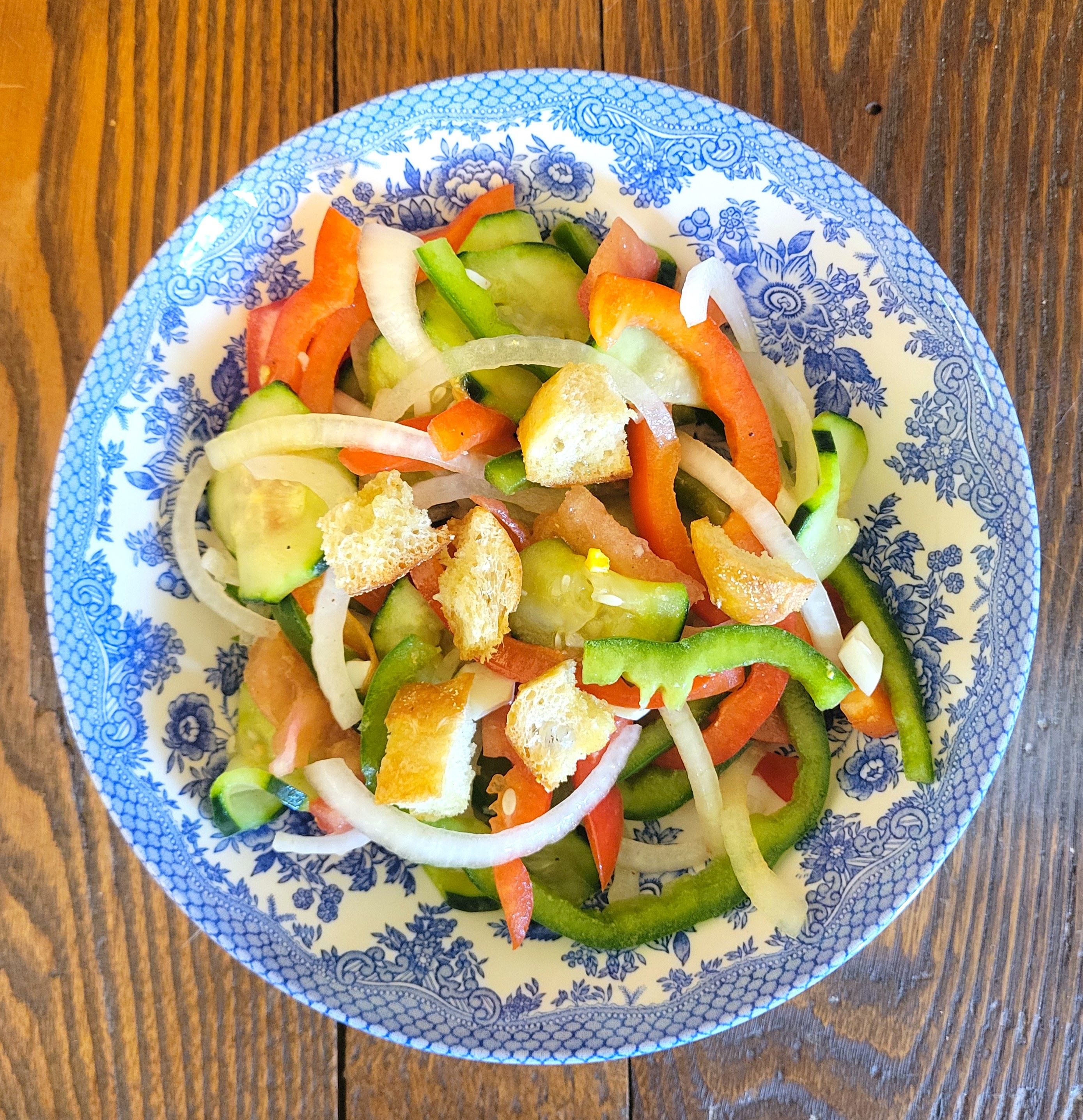
Check out how gorgeous it turned out! So delicious and fresh. We loved eating it all week. (Keep the croutons in a separate container to add just before eating.)
RESOURCES
No posts
Comments
Nothing yet. Say the first thing.
Sign in to join the conversation.