
How often have you consulted, or considered, the fairy folk when decorating or styling your home? Probably not that often!
But did you know, throughout history people have woven spells and created charms to allow them to live comfortably alongside the fairy folk? From floral wreaths and protective boundary herbs, to magical objects and hedgerow offerings, folklore is filled with rituals and practices to keep the fae on side and ensure everyone lives harmoniously together.
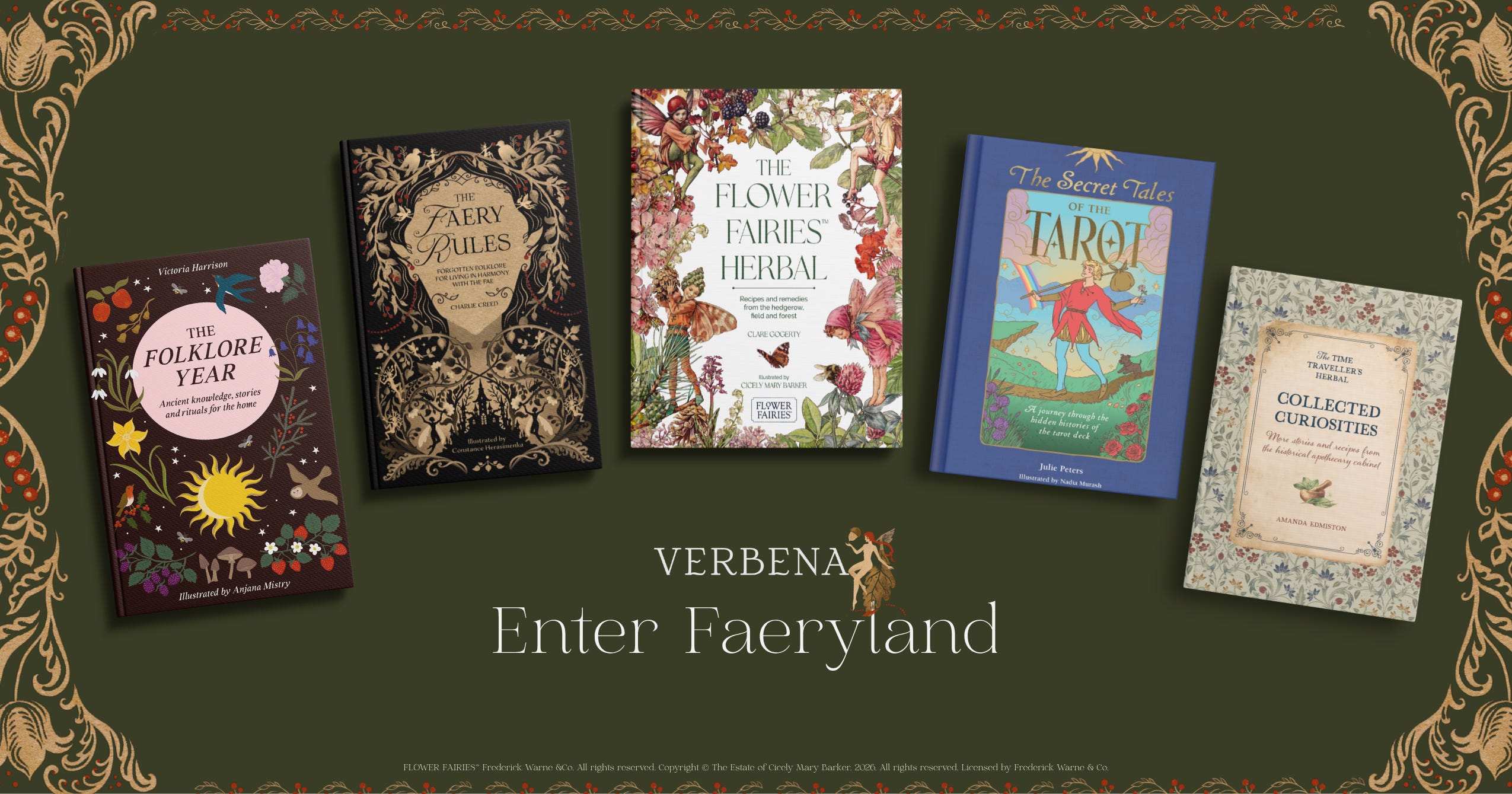
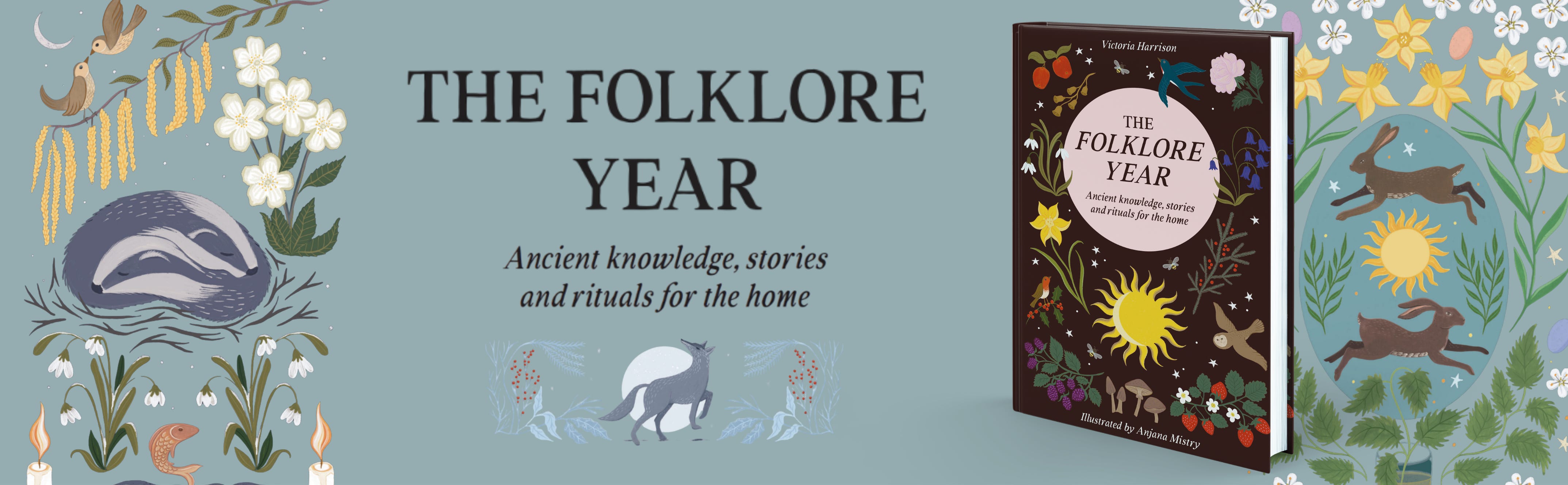
Want to try it? Below are a few faerie charms and folk rituals you might like to consider for your own home, inspired by my forthcoming book The Folklore Year.
This article is part of Verbena Books summer of Fairy folklore. Throughout July, Verbena are inviting readers to journey into the realm of fairy as they share a month of folklore and exclusive bonus stories written especially by Verbena authors. Follow them on Substack to get access to all the stories throughout the month of July! (There’s also a giveaway at the end of the month.)

It’s always good to start on a respectful note. Acknowledging and respecting their fairy folk that live alongside you by leaving small offerings and gifts is a common thread running through folklore. Leaving a dish of milk or cream out on significant dates in the folk calendar is one way of showing some neighbourly hospitality. If you have fruit trees and bushes in your garden, there are also a few folk rules to follow to ensure your fairy neighbours are happy:
During blackberry picking season, always leave the first of the fruits on the bush for the fairy folk. Once these have been taken, then you are welcome to pick yours. Failure to do so could result in you being swept away to the fairy realm (or in eating some very sharp, early blackberries).
Picking apples in the garden? Be careful how many times you go back to an apple tree. Cornish folklore says that once you’ve picked a full crop of apples, it is unlucky to go back and pick the few remaining ones that have been missed at the end of the season, as those belong to the fairies.
As well as fruit trees and bushes, many other plants and garden flower are considered to be the property of the fairy folk according to folklore, and caution should be exercised before you cut any down or bring them into your home. The following ones are particularly linked to the fae and, if you are lucky enough to have some in your garden, should be treated with extra respect:
Foxgloves
These pretty spires of bell shaped flowers are woven through with folk magic. Depending on where you live, you might know them as “goblin’s thimbles”, “witches’ bells”, “fairy bells” or “elf gloves”. Some say that the foxglove is the favourite plant of the fairies and by planting it in your garden, you are inviting the fairies in; but if you cut the flowers and take them into your home, you’ll risk the fairies’ wrath.
Hawthorn
Sometimes also called fairy trees, hawthorns are full of magic, popping up frequently in folk tales as guardian trees, standing at the threshold of the fairy realm. A lone bush of hawthorn is often regarded as particularly noteworthy and should never be cut or moved. It’s also considered bad luck to bring the blossom indoors. Offerings to hawthorn trees in your garden however, are encouraged. Small gifts should be left at the base of the tree.
Bluebells
It’s said that bluebell woods are woven through with ancient fairy magic, and if you pick a bluebell to take it home you could be cursed or led astray by the fairy folk. Like the foxglove, these tiny bell-shaped flowers have many folk names that point to their magical origins, from “fairy bells” to “witches’ thimbles”. It is also illegal to pick bluebells in the UK, so there’s double the incentive to enjoy them in the wild or your garden, but never bring them into your home.
Although living peacefully alongside the fae is always the aim, there might be times when you want to draw some boundaries, particularly on nights in the folk calendar when high jinx are to be expected. If you want to weave a gentle protective boundary around your home, plant some herbs near your doors and windows. As well as looking beautiful and smelling delicious, many herbs in folk history were believed to have magical qualities that could protect your home.
Rosemary in particular was thought to be a deeply magical plant, its list of protective qualities is long: it was considered a tonic against poisoning and ageing, as well as a guard against troublesome spirits, witches and fairies. Planting some near thresholds is a folk tradition that some still continue to this day, myself included. Alternatively, washing doors and windows with rosemary water was also thought to create a cleansing and protective veil.
Not just a pretty decoration, wreaths and garlands can also be hung on a front door a means of protection against any wayward spirits or fairies. They are traditionally put up at times when the veil between worlds was considered to be thin, such as May Day and the Summer Solstice. Rowan, gorse, hazel and marsh marigold are some of the traditional flowers that were gathered and placed around windows and doorways on the eve of May Day, for example, as yellow flowers were thought to represent the protective element of fire.
Also known as witch stones, adder stones or fairy stones, these beautiful rocks with a hole through the middle were thought to have protective qualities and to act as lucky charms for those fortunate enough to find one. They were traditionally hung from door handles or above barns to protect the inhabitants from harm. In some places you might still see a long string of these stones tied up outside a front door. Hagstones can also be carried in a pocket as a sort of travelling good luck charm or wishing stone.
Be careful when peering through the hole in the middle of the stone, though, as some say they offer a portal into the otherworld, so you might be offered a glimpse of a fairy realm. And you should never look into the land of the fae without an invitation. Manners are everything.
For more fairy folklore you can pre-order The Folklore Year today. It’s filled to the brim with ancient knowledge, folk stories and rituals for the home. And be sure to follow Verbena Books to read the rest of the articles in this month of fairy folklore.
Comments
Nothing yet. Say the first thing.
Sign in to join the conversation.