
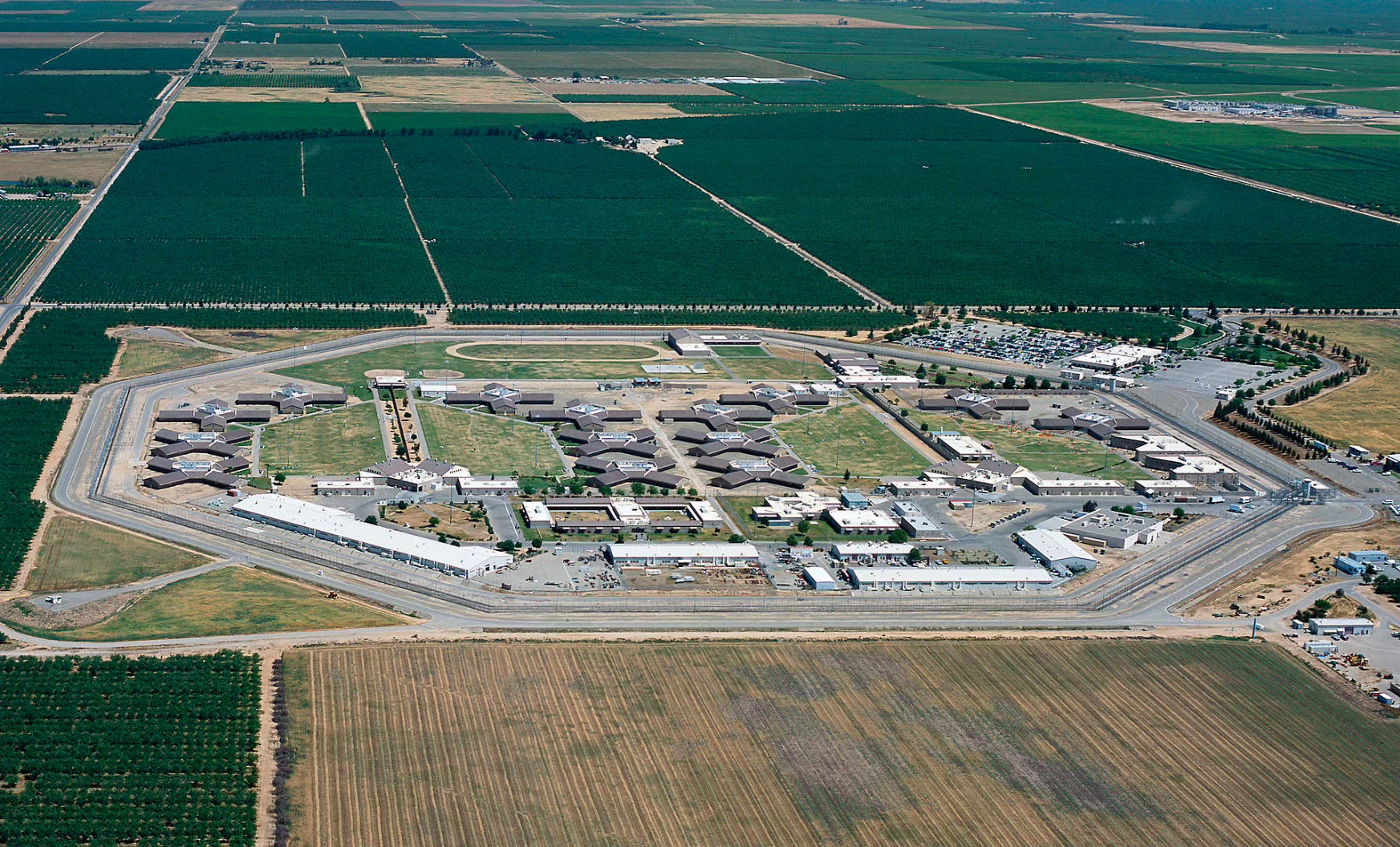
“Unjustified, costly, and inhumane” are words the California Coalition for Women Prisoners and the Policy Advocacy Clinic at the University of California, Berkeley, School of Law used to describe incarcerating elderly people in a new report published earlier this month.
Instead of incarceration, they wrote “releasing elders from its women’s prisons will help California begin to address the crisis of its rapidly aging prison population.”
Elders, defined in the report as people over 50 years old, face even more challenges in prison than the average incarcerated person. The report stated that “incarcerated people experience worse health outcomes such as higher rates of chronic health conditions, geriatric syndromes, functional impairment, and cognitive impairment.”
The authors of the report presented the argument that elderly incarceration is a violation of the eighth amendment, constituting cruel and unusual punishment. On top of that, prison takes two years off a person’s life expectancy for every year they are in prison.
The report said:
Elders in women’s prisons face unique challenges that go unaddressed. The costs to their health are magnified by higher rates of pre-existing health conditions and extreme heat brought on by climate change. People incarcerated in women’s prisons experience high rates of trauma and intimate partner violence before incarceration. Inadequate, or in some cases abusive, health care in prison exacerbates conditions associated with aging, including symptoms of menopause.
The CCWP did a survey of 3,327 elders in southern United States women’s prisons through their Fire Inside newsletter and found that “60 percent reported having arthritis, 88 percent reported difficulty walking independently, 65 percent reported challenges with navigating stairs, and 85.8 percent needed a lower bunk.” Additionally, 78 percent of respondents said that “they were afraid of dying from an illness contracted in prison because of neglectful experiences with health care providers.”
The report also found a lack of appropriate infrastructure for those with limited mobility such as grab-bars and high toilet seats, as well as potholes in the ground that make it difficult for people with wheelchairs or walkers. It pointed out that some elders lack the mobility to comply with emergency orders to drop to the ground. It said that the California Department of Corrections and Rehabilitation falls short of complying with the Americans with Disabilities Act.
The report also noted that staff are not trained in meeting the needs of elders who need more support such as bathing, dressing, and walking.
A survey respondent named Donna told the CCWP:
“As I age, I am discovering how much I have slowed down. How many medical issues are popping up… the prison was not built to house elderly year after year. There is no ‘senior living’ unit. We are stuck where we are.”
The study also found insufficient care for menopause as “incarcerated people lack access to accurate information and supplies to self-manage menopause symptoms, and social stigma may lead them to avoid seeking care” and staff often lack training to help.
Many elders in women’s prisons have faced some kind of trauma, especially intimate partner violence, before prison and were sentenced without getting to share their experiences or have it taken into consideration. The CCWP has said that prison is retraumatizing to people who have suffered abuse.
Studies have found that out of the elders who do parole, less than eight percent return to prison within three years, and the rate is even lower for women.
Despite this, there are few pathways for elders in women’s prisons to go home, and even further, those pathways are under-utilized. Although there are compassionate relief, medical parole, commutation, resentencing and parole that exist in theory to help elders get out of prison, those are rarely put into practice.
Data showed that in 2024, 22% of 140 incarcerated people seeking compassionate relief were denied and 10 died while waiting for the decision. The CCWP said that the parameters for compassionate relief were narrow so not many people qualified, even if they were elderly.
Additionally, the medical parole program is on a moratorium and while California Governor Gavin Newsom can grant commutation to make them eligible for an earlier parole hearing, he has done so less than his predecessor.
If someone does go for parole, they can be denied and have to wait between three and 15 years before they can try again, which can be life or death for some people.
The report said:
The ongoing incarceration of elders in California’s women’s prisons is unjustified, inhumane, and costly. Many elders were sentenced during California’s tough-on-crime era, and their continued incarceration today reflects an unjustified adherence to punitive norms that the state itself has since begun to reform. California has introduced additional pathways for release, but they remain difficult-to-navigate, restrictive, lengthy processes, with low rates of release.
The CCWP and PAC called on the state to use every mechanism to release elders in its women’s prisons. They said elders belong in the community, not prisons:
If the state used elderly parole and resentencing more expansively, more elders could be released. California has begun building many promising tools, but elders who can be safely released do not have time to wait for the state to offer minor reforms that require them to surmount procedural hurdles and decisionmaker bias. Every minute behind bars is precious time. Releasing elders should be treated like the emergency that it is.
No posts
Comments
Nothing yet. Say the first thing.
Sign in to join the conversation.