
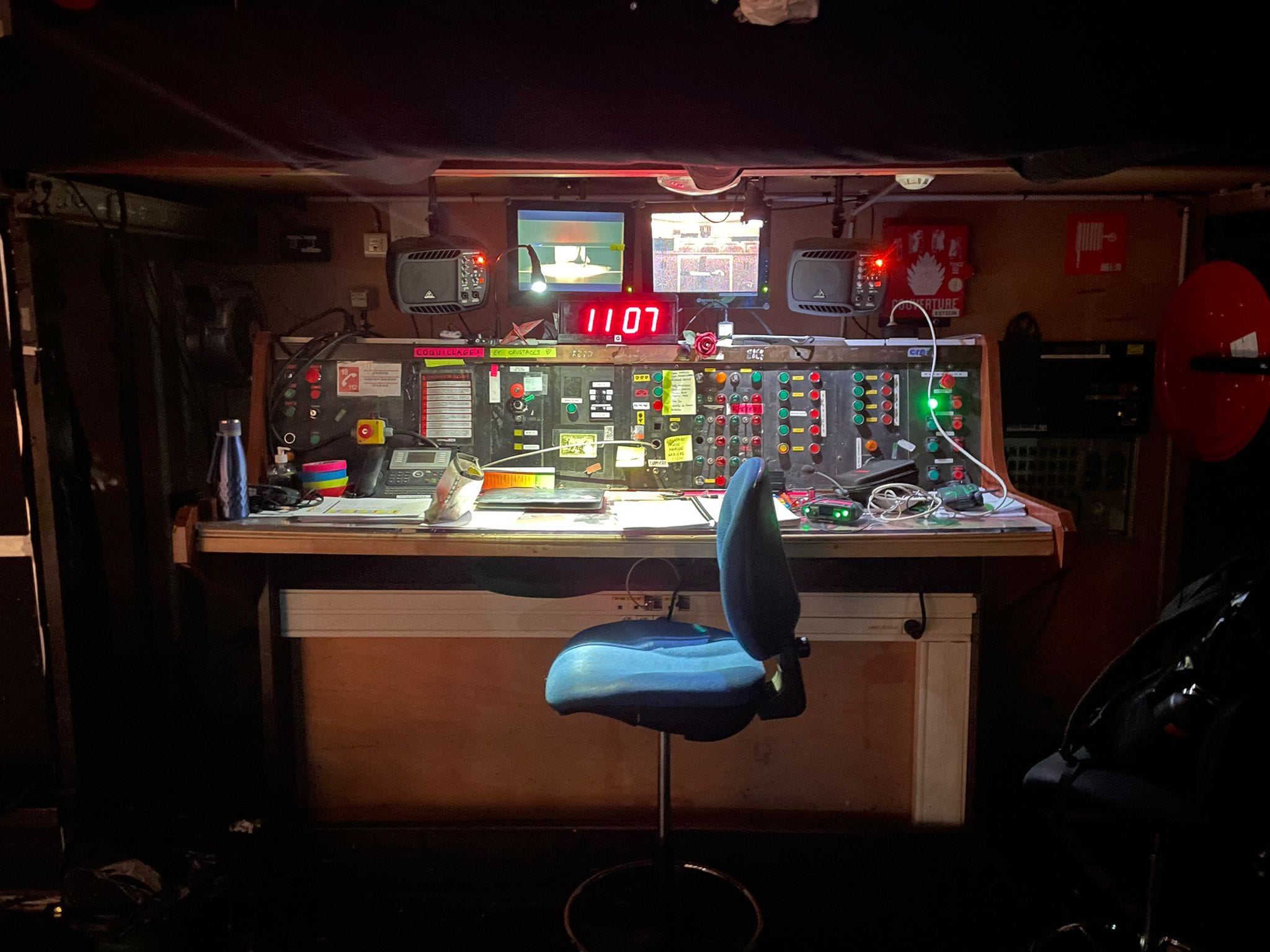
This all starts with my butcher. My great friend Jacob (that i’ve met in the queue to buy some sausage) sparked my love of opera and had the extravagant generosity of inviting me, a few weeks ago, to Milan to attend all four operas of Wagner’s Ring of the Nibelung at La Scala (may he be publicly thanked here for his greatness). When I returned home, I immersed myself in the very austere biography of Richard Wagner by Martin Gregor-Dellin. Reading the first pages about the great German composer’s childhood, I had a revelation. Why do I love attending opera so much? For perhaps the same reasons that Wagner turned to myths so early in his life.
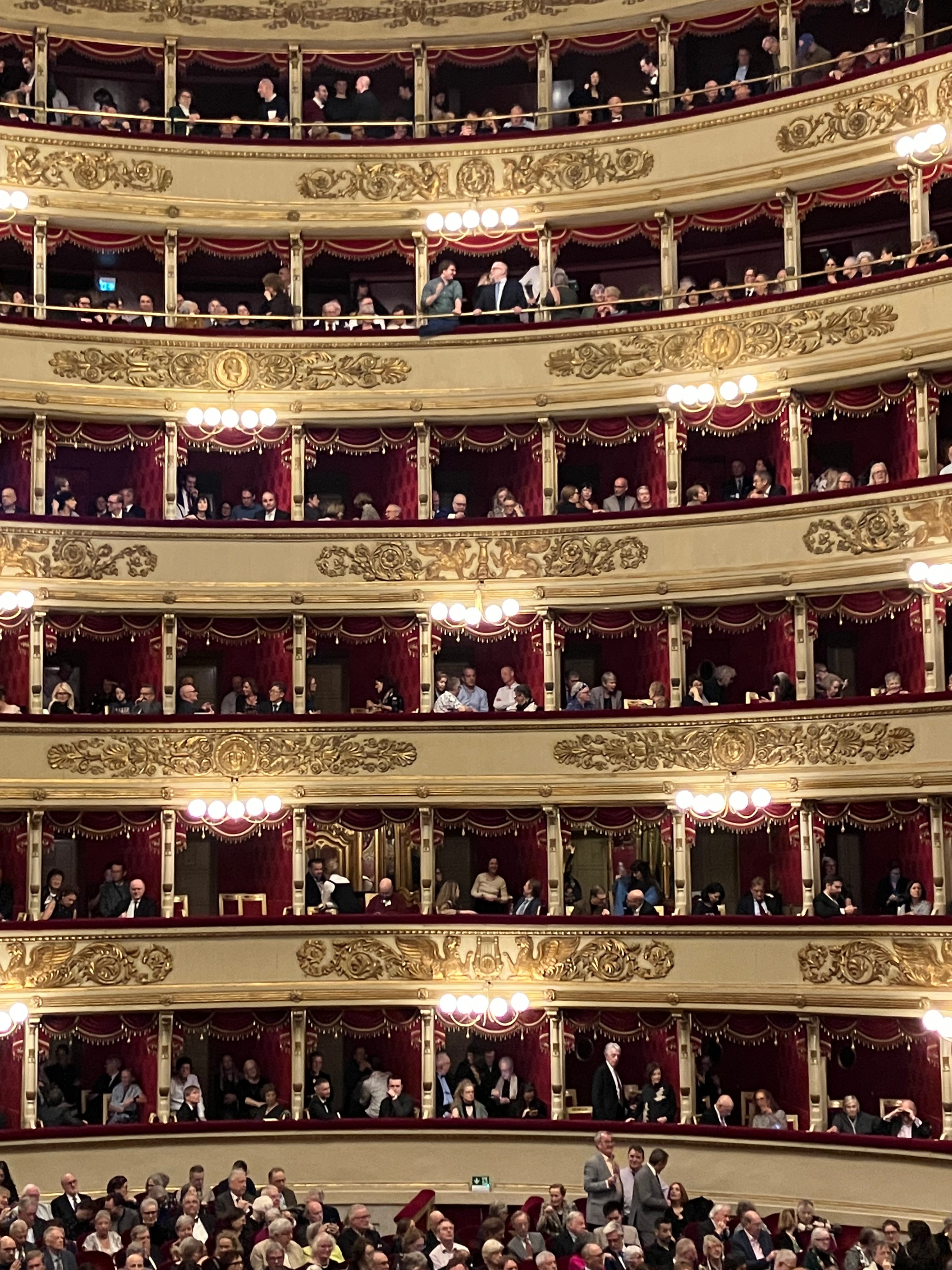
Wagner was born in 1813 in Leipzig. That same year, the Battle of the Nations took place. Russians, Cossacks, Bashkirs, Prussians and Saxons, the inhabitants of Hesse, Baden and Württemberg, Austrians and Hungarians, Swedes and the Napoleonic armies fought some of the bloodiest battles ever waged on German soil. From the day he was born through the first years of his life, Wagner lived in the threatening proximity of military operations, and the terrible anguish that gripped his family and those close to him left deep traces in his soul. At the time, the Napoleonic armies embodied modernity and the shadow of a frightening technological future. Wagner, this is my theory, took refuge in Germanic myths to find shelter from the looming shadow of the industrial revolution, of which Napoleon was, through his military genius, one of the great heralds.
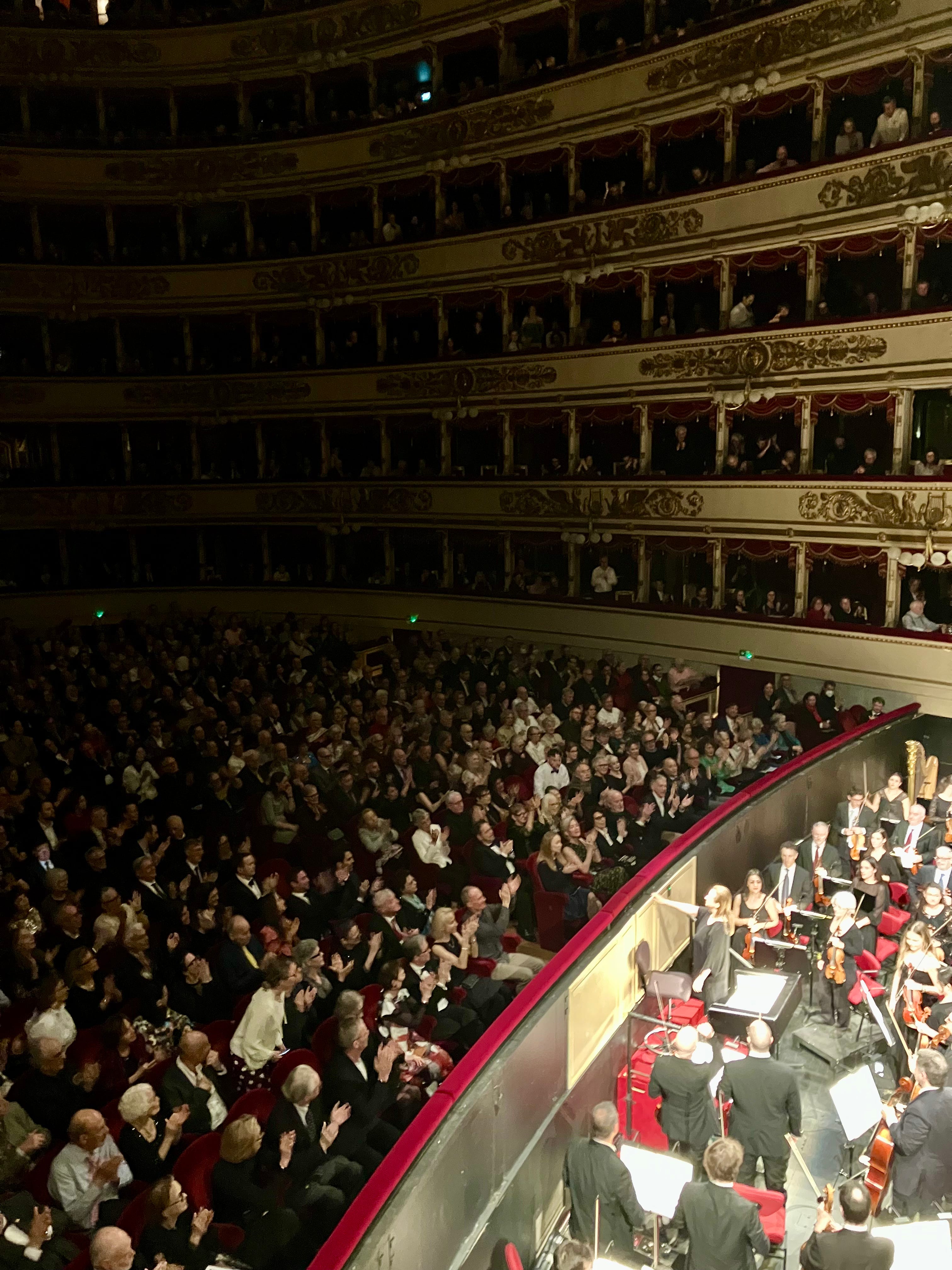
As humanity discovers a new narcissistic wound with the emergence of a creative artificial intelligence, opera is a work so dramatic, so human, that it appeared to me as a refuge. How beautiful it is to spend four hours without a screen, attention turned toward the same stage. How beautiful it is to be bored. How beautiful that the emotions are rare, hard-earned, and when they arrive, overwhelming. So many performers, so many spectators, so many technicians, so many musicians to bring a work to life. The moment when it works, when the singer is at their prime, the orchestra too, the audience open and present; that moment borders on the miraculous. I experienced that miracle in Milan during the final scene of Siegfried, watching conductor Simone Young dissolve into tears, Camilla Nylund and Klaus Florian Vogt deliver a masterpiece of interpretation, and finding myself carried away for the space of thirty minutes by an emotion comparable to what a sports fan feels when their team pulls off something extraordinary (a second Champions League for PSG for instance).
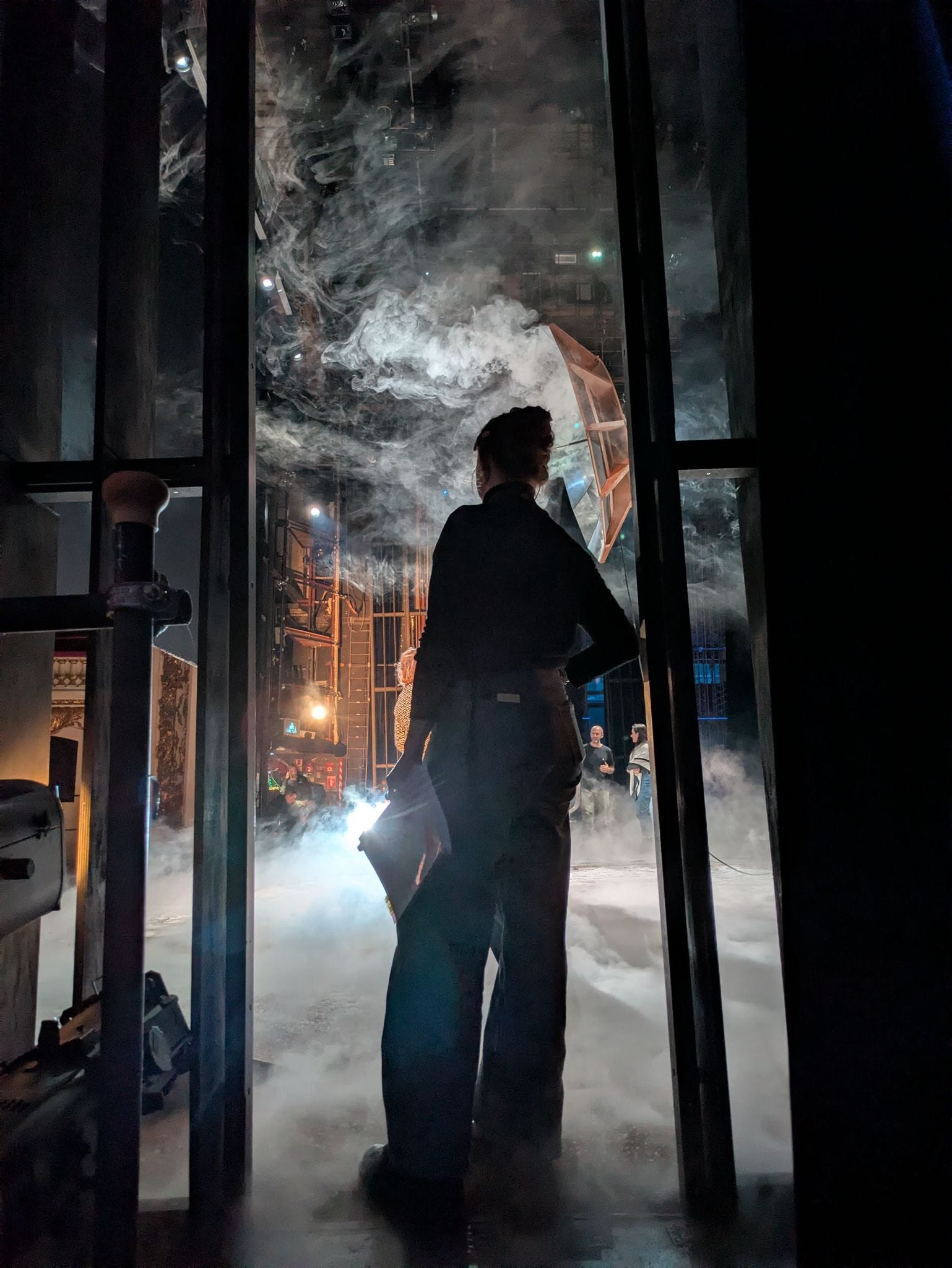
All of which is to say that I have in mind to write a graphic novel about Wagner’s childhood and the place opera might occupy in the age of AI. I mentioned this to Louis Dæffler, an editor at Les Humanoïdes Associés, and he mentioned Lucile, his closest friend. Lucile Allio-Lucas is a régisseuse de scène et de production (during a performance, she holds the stage manager’s book and runs the show from the production desk). She is one of those people whose expertise gives a performance its particular flavor. I put a few questions to her.
I recently attended a performance of the Ring of the Nibelung. Sixteen hours of performance in front of 2,500 people, 115 musicians, 35 singers, and I don’t know how many technicians... I found myself thinking that it would be hard to imagine a more human undertaking. Is opera the opposite of artificial intelligence?
That’s quite an opener! When you take stock of the number of people involved in an opera production, it’s true that in terms of human experience, it’s a remarkable immersion. I’m always struck by the thought that for two, three, four hours, we are all concentrated on the same thing, reading the same score, listening to the same music, responding to the same cues. There’s something both vertiginous and deeply intimate about having this shared space (stage and auditorium) where everyone, whether at their post or in their seat, has their eyes fixed on the same spectacle. And then in terms of sheer performance, the singers and the orchestra are not amplified. They have to play, sing, project over the orchestra and still manage to captivate the audience. They follow the conductor and their score, they execute a mise en scène rehearsed over weeks, but one of the most human dimensions of live performance is also the realization that the show will be different at every performance. One of the privileges of our profession is that we see and re-see the scenes so many times that only we can catch the small details that shift each evening.
Comments
Nothing yet. Say the first thing.
Sign in to join the conversation.