
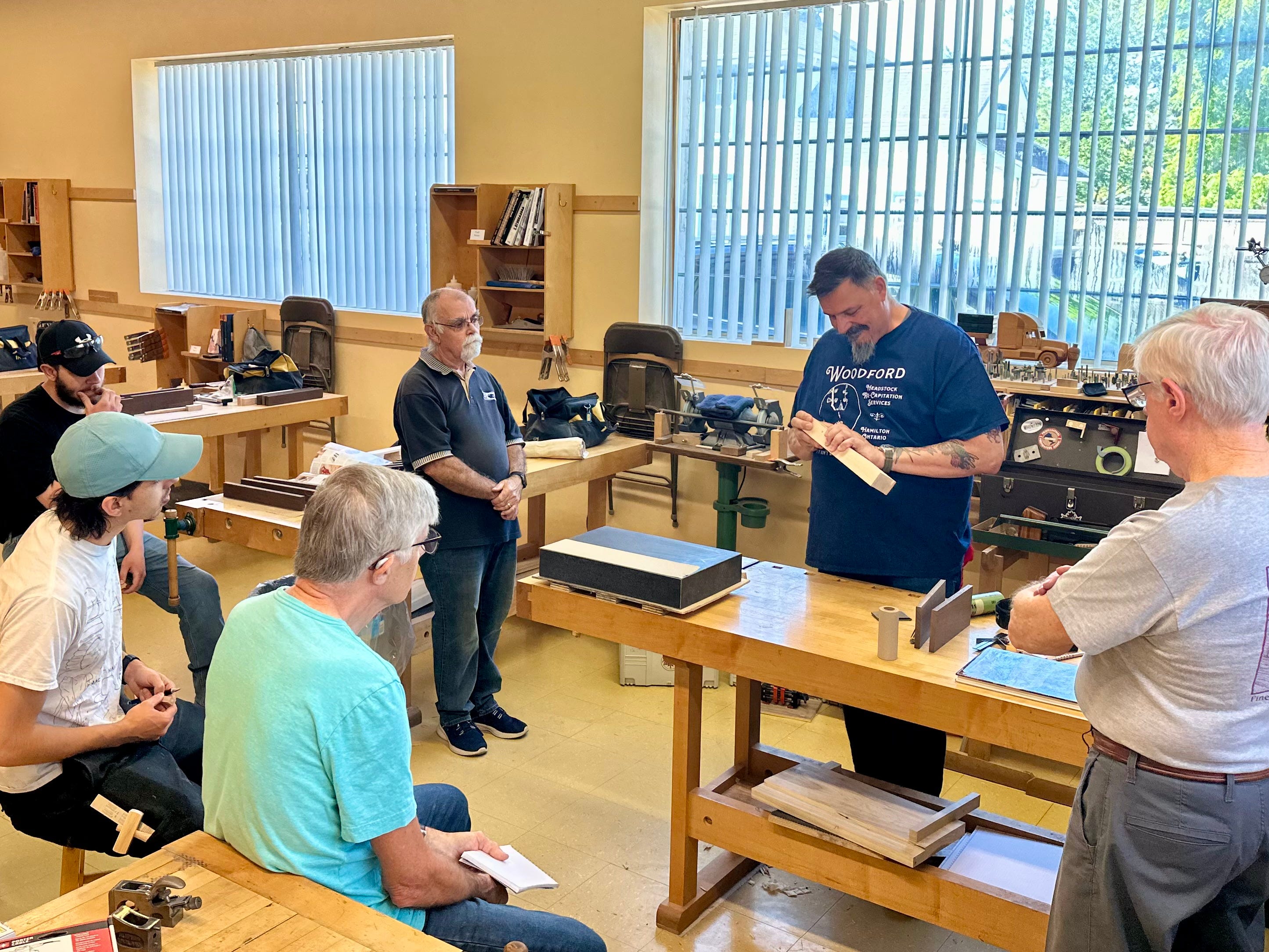
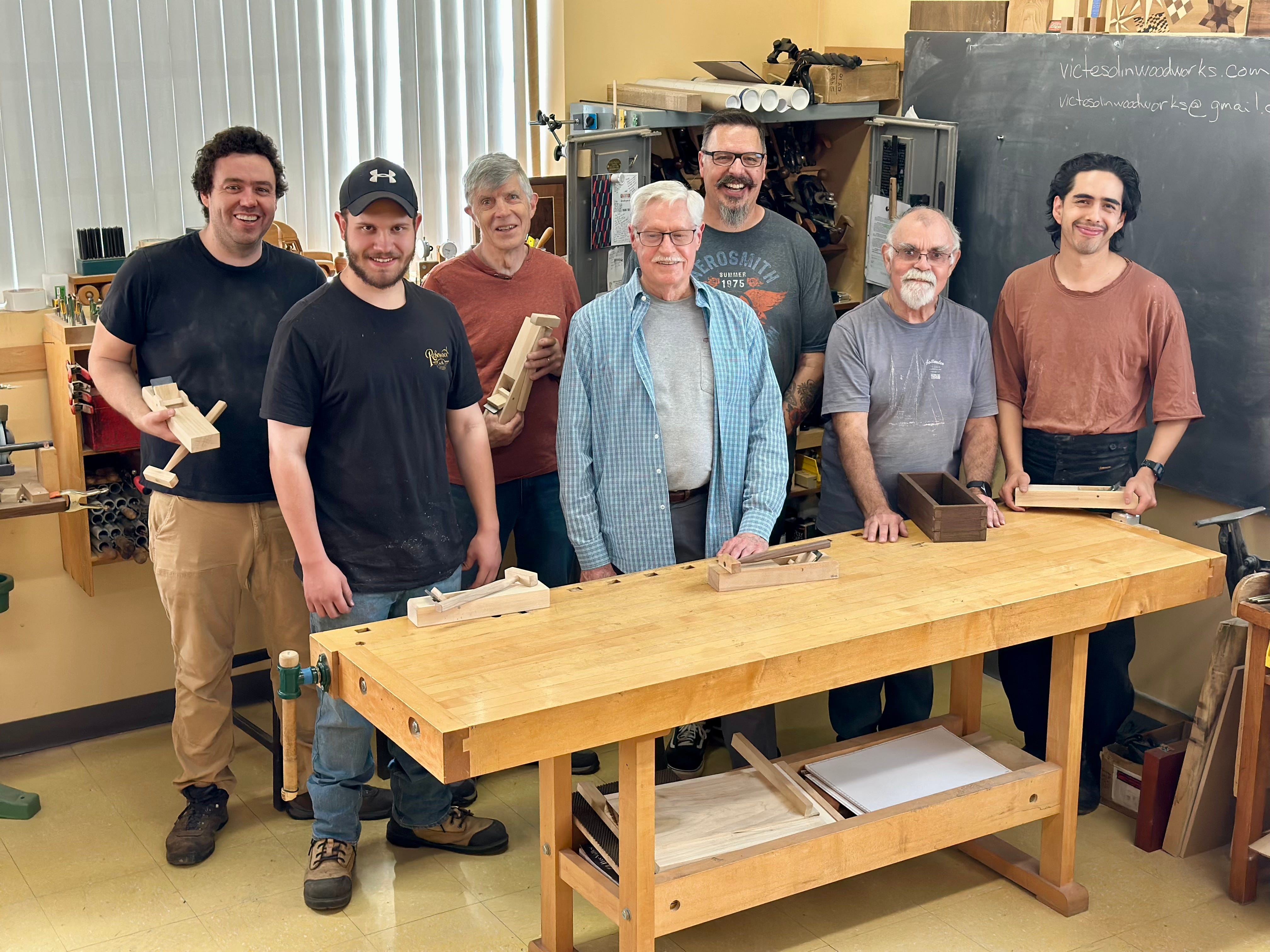
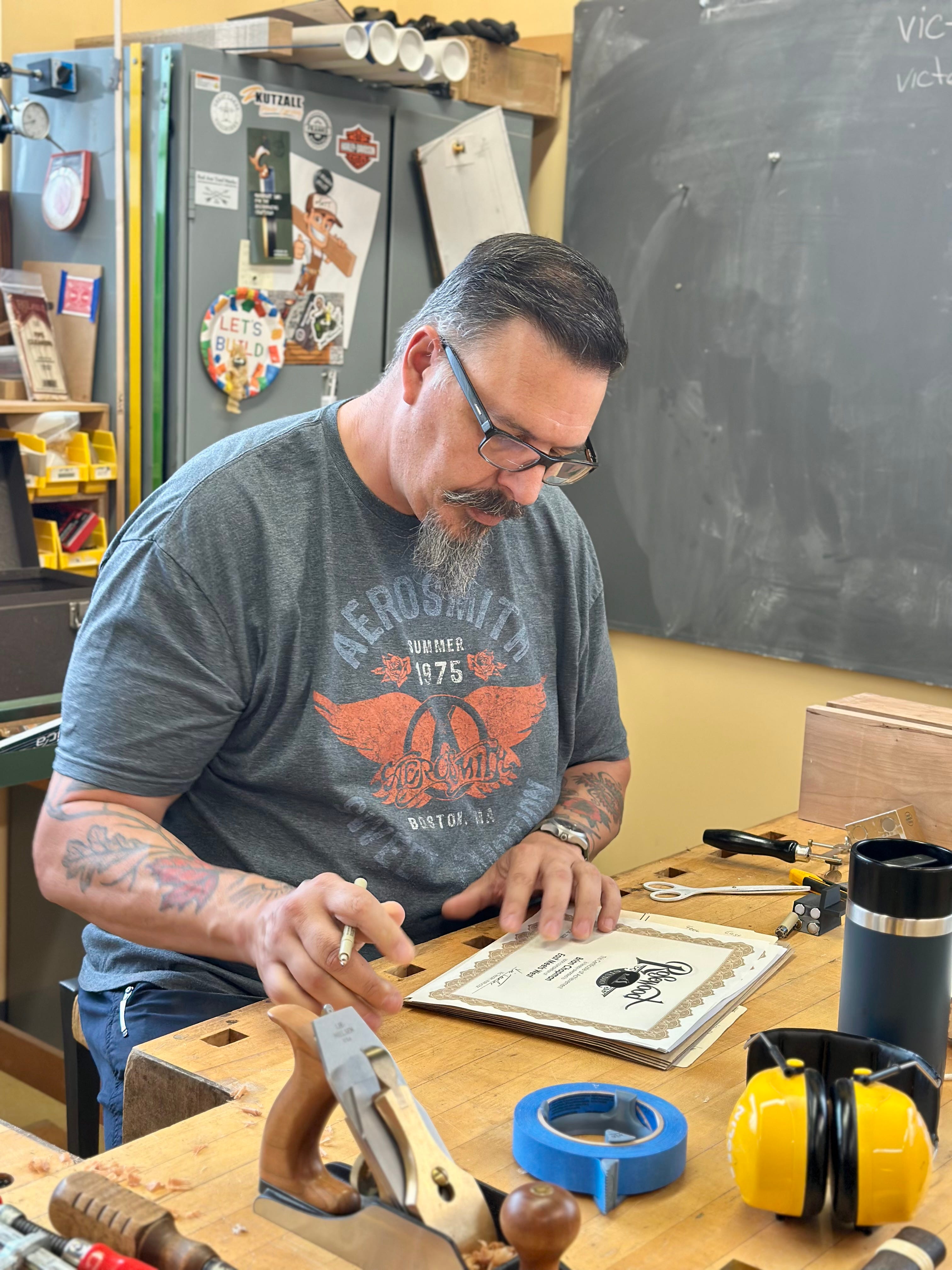
Last week I had the privilege of teaching a five-day class at Rosewood Studio, and it reminded me just how special that place is. For one week, the only thing that mattered was woodworking. Students spent their days making things, asking questions, solving problems, and gradually building confidence with every task they completed.
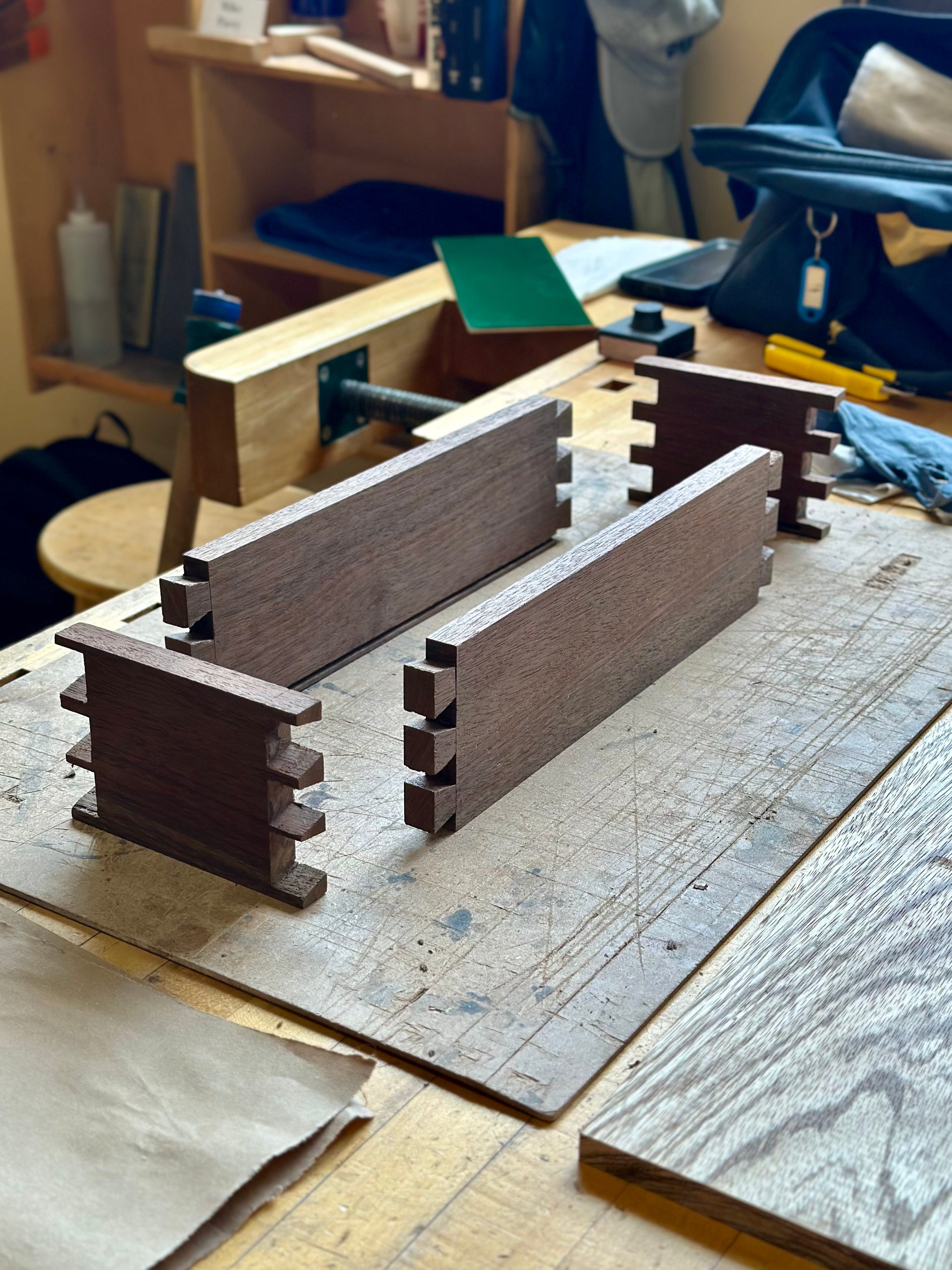
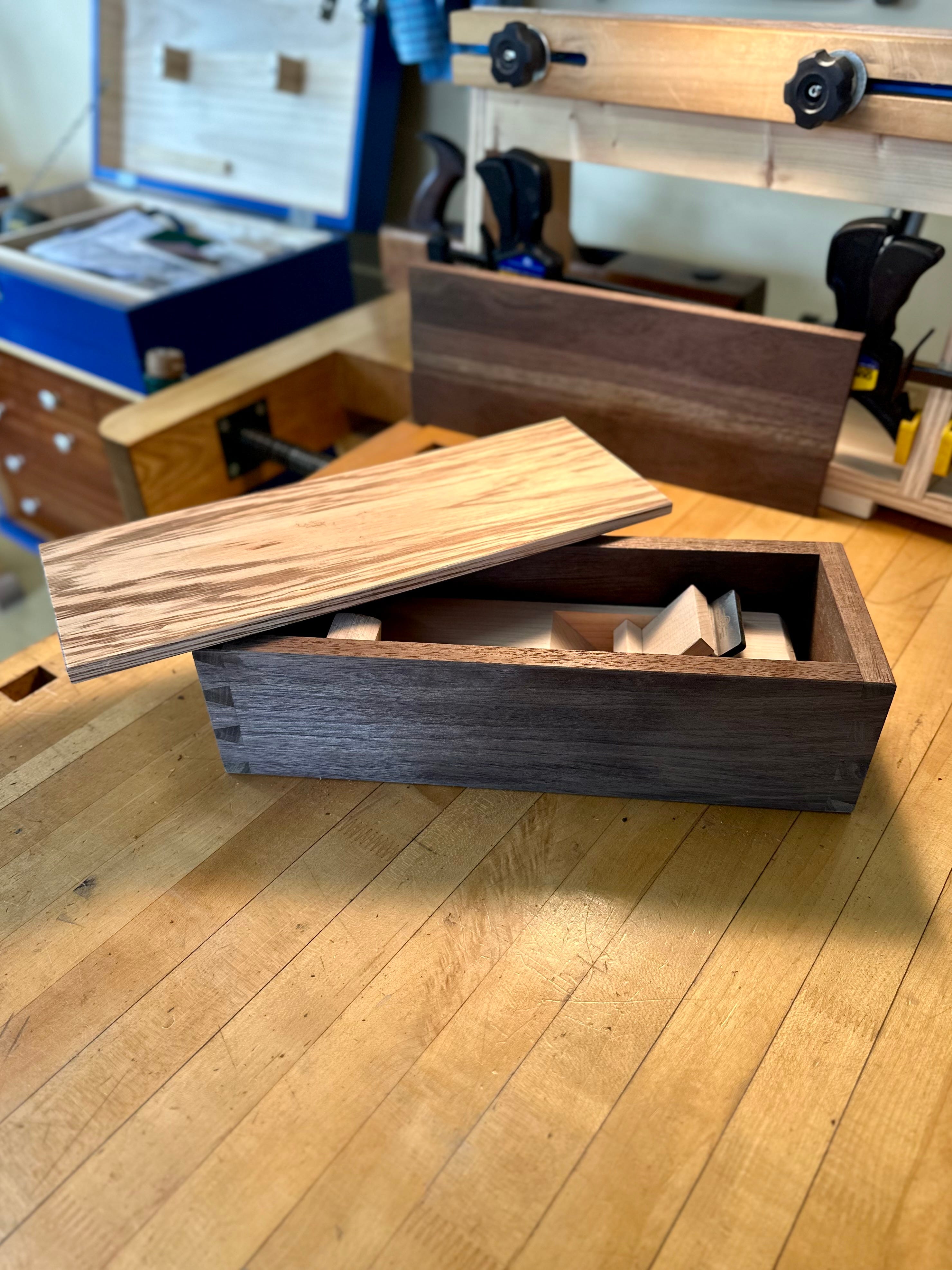
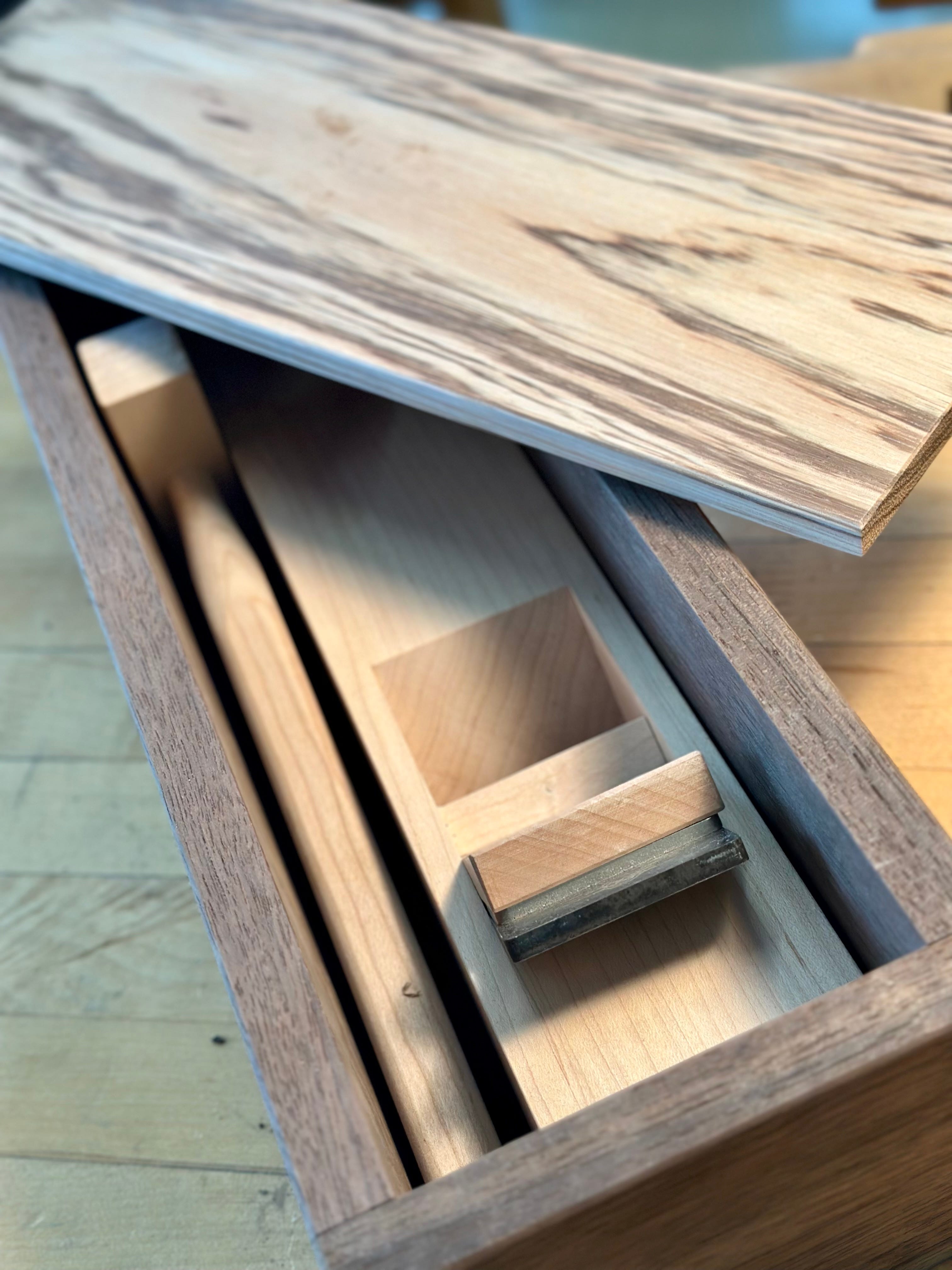
The class had an ambitious goal. In just five days, the students built a wooden hand plane, a wooden adjusting hammer, a planing board, and a dovetailed box to hold everything they made. It was a lot to ask, but by the end of the week nearly everyone had completed their projects, with only a bit of final fitting and a coat of wax left to apply at home. Watching them pack their new tools into boxes they had built themselves was a satisfying way to end the week.
Being back at Rosewood also had me reflecting on where my own woodworking journey really began.
Technically, I was a student there for nine months. In reality, my education started six months before that.
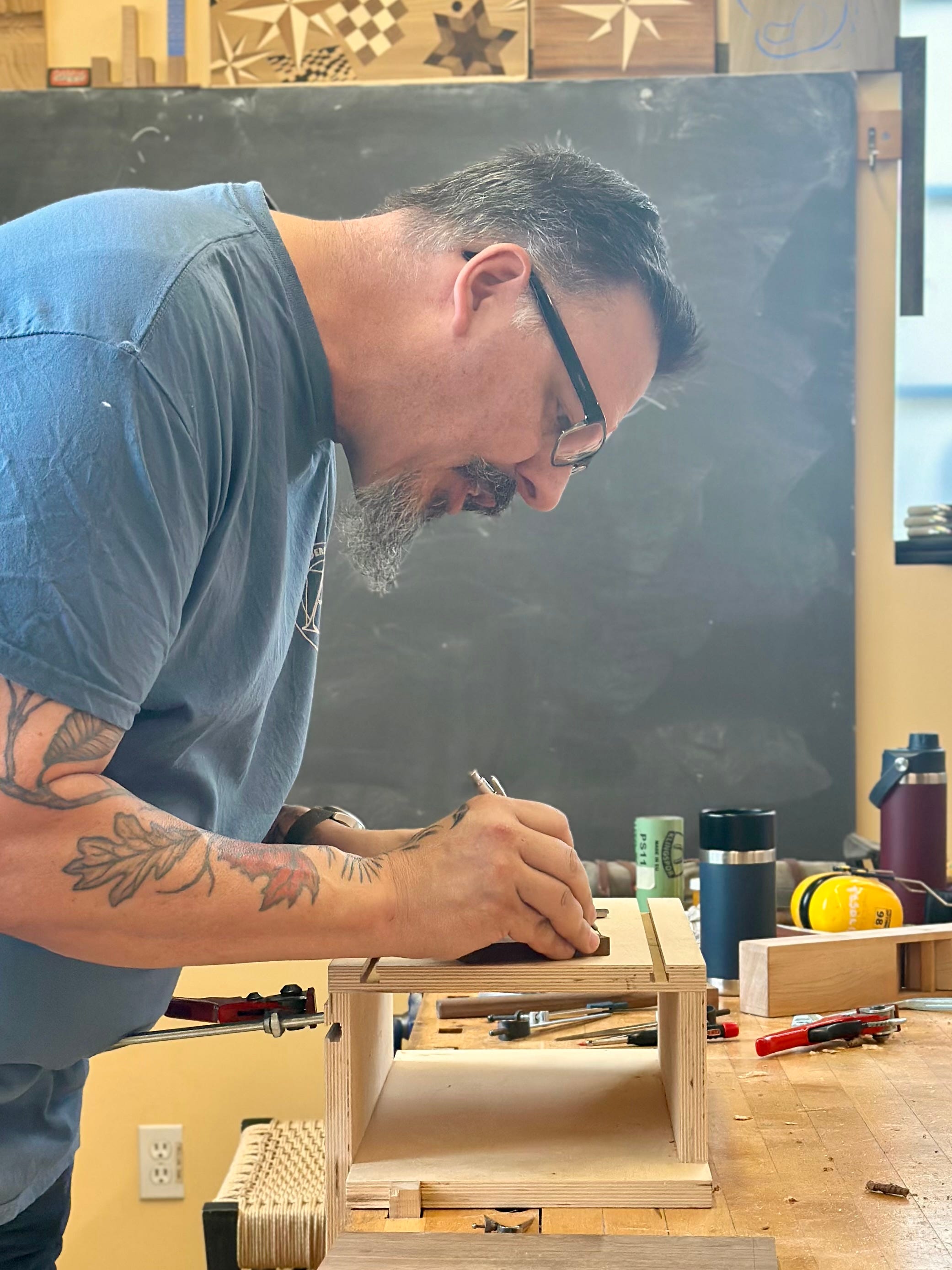
At the time, I was being medically released from the military after fourteen years of service. One of the conditions of leaving six months before my official release date was that I had to have gainful employment. The catch was that I couldn’t actually be paid because I was still receiving my military salary.
It was an unusual arrangement, but it worked out better than I could have imagined.
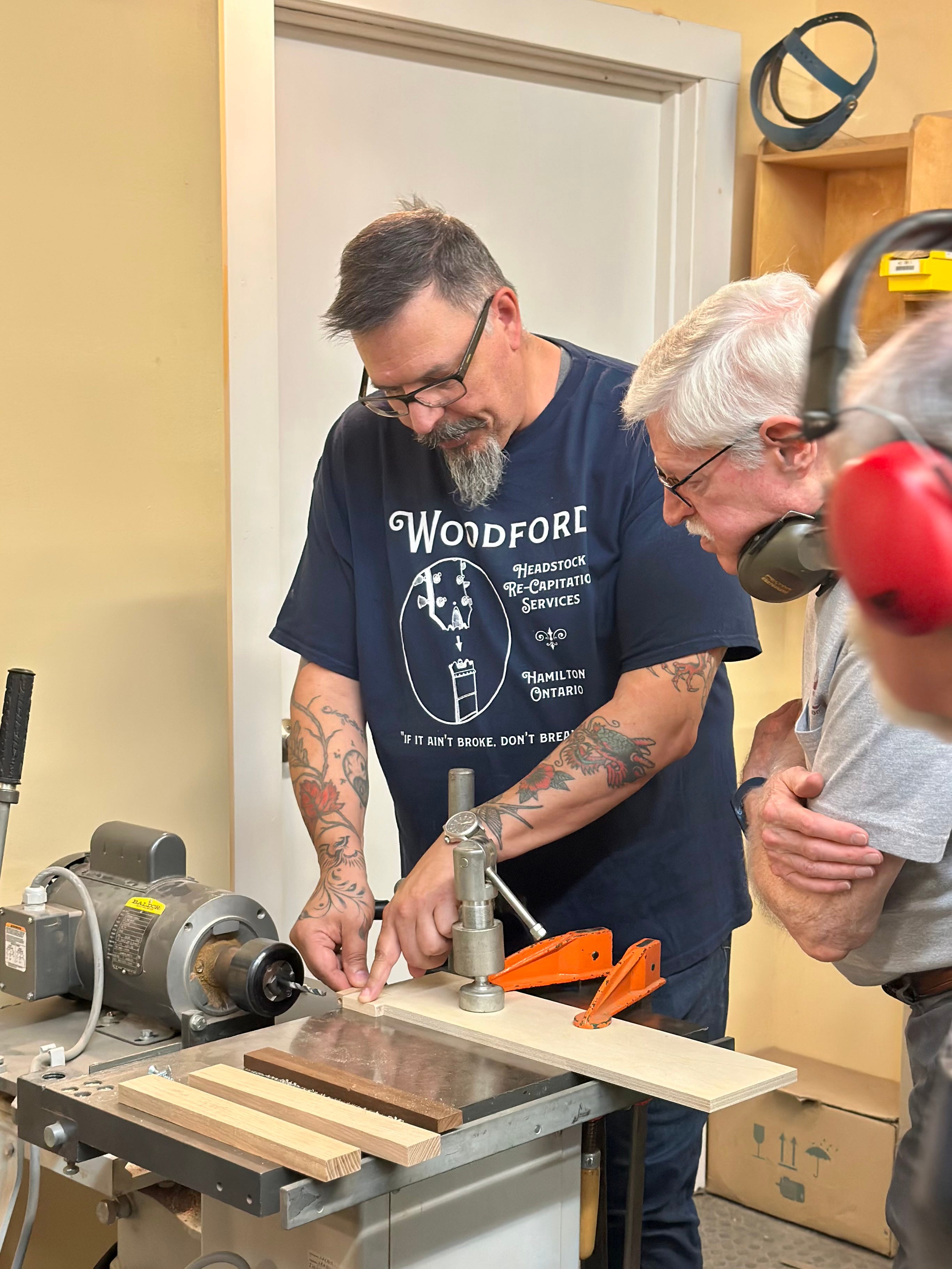
The owner of Rosewood had no problem accepting free labour, and I was more than happy to trade my time for the opportunity to be there. I became the shop helper, which meant emptying dust collectors, sweeping floors, maintaining workbenches, and making countless trips to the hardware store for glue, screws, coffee, or whatever else the instructors needed. None of those jobs were glamorous, but looking back, I don’t think I could have had a better introduction to woodworking.
One of the first hand tools I learned to use was a card scraper. My job was to strip the old Watco finish from the workbenches before applying a fresh coat. At the time, I had no idea that many woodworkers struggled to sharpen and prepare a scraper. Someone showed me the process, and then I simply repeated it over and over until it became second nature. Even today, it only takes me a few minutes to get a scraper producing beautiful shavings.
I’ve thought about that lesson many times over the years. Sometimes we convince ourselves that a skill is difficult simply because everyone tells us it is. More often than not, what we really need is good instruction, thoughtful practice, and enough repetition for the process to become familiar.
The biggest advantage of being the shop helper wasn’t the work itself. It was the access.
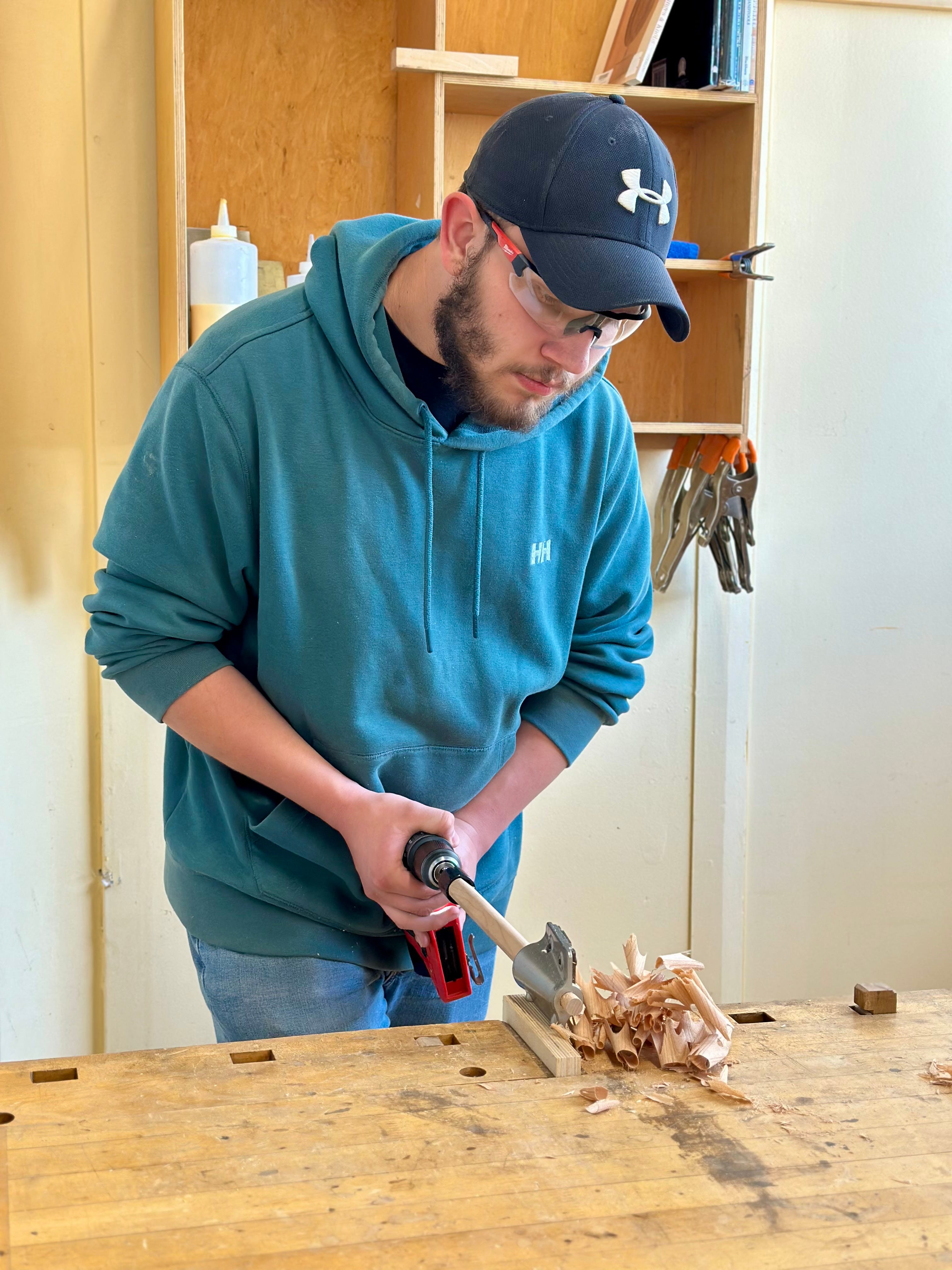
Whenever I finished my assigned tasks, I would quietly stand at the back of whatever class was running. Whether it was one of the resident instructors or a visiting teacher, I listened, watched, and absorbed everything I could. No one asked me to do that. I simply didn’t want to miss an opportunity to learn.
Those hours at the back of the classroom taught me almost as much as the formal instruction that followed. I watched experienced woodworkers approach the same problems in different ways and quickly realized there was rarely only one correct answer. Every instructor had their own methods, but they all understood the principles behind what they were doing. That lesson has stayed with me ever since. Techniques are important, but understanding why they work is what allows you to adapt, troubleshoot, and continue learning long after the class is over.
By the time my course officially began, I already understood the fundamentals. Sharpening, tool setup, shop etiquette, and careful work habits had become part of my routine, and I knew the standard that was expected. That meant I wasn’t starting from scratch when the nine-month program began.
Even so, the course often felt like drinking from a fire hose. There was always another technique to learn, another project to complete, or another concept to wrap my head around. Because I already had a solid foundation, though, I could spend less time trying to keep up and more time understanding the finer details of the craft.
Looking back now, I realize those six months as the shop helper taught me something far more valuable than woodworking skills alone. They taught me that mastery isn’t built through shortcuts. It’s built by showing up consistently, paying attention, staying curious, and doing even the smallest jobs with care. Sweeping the floor may not seem like part of a woodworking education, but if it gives you the chance to learn from someone with decades of experience, it’s time well spent.
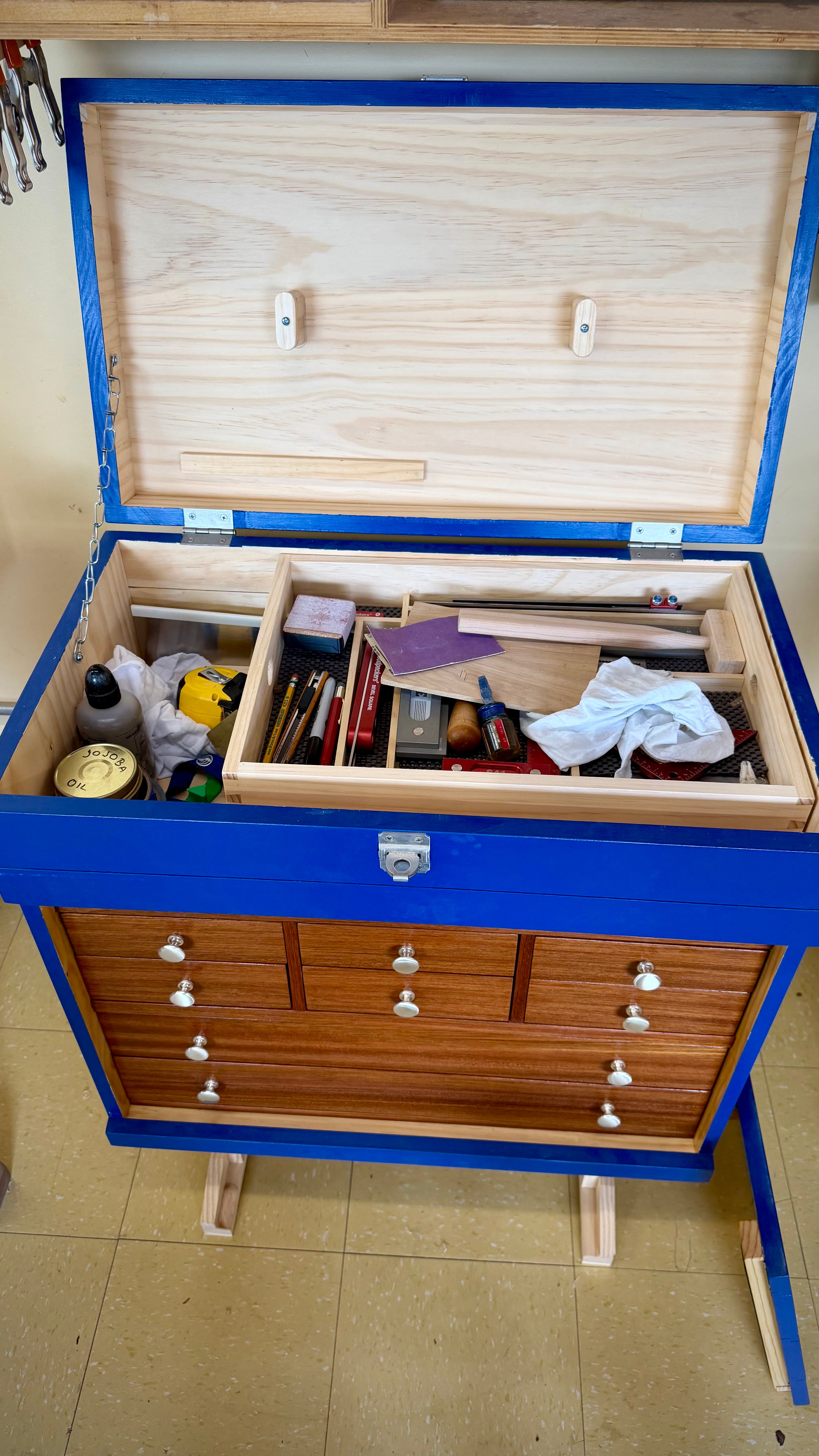
That philosophy continues to shape the way I teach today.
When someone joins me for a class or mentorship, my goal isn’t simply to help them finish a project. Projects are important, but they’re really just vehicles for learning. I’d much rather help someone understand why a plane cuts the way it does, why grain direction matters, or why one joint succeeds while another fails. Once you understand the principles behind the craft, you become far more capable of solving problems on your own, and that’s where real confidence comes from.
Standing in that same shop again, this time at the front of the room instead of quietly listening from the back, was a full-circle moment I’ll never forget. I’m grateful to everyone who invested their time and knowledge in me, and I hope my own students leave feeling inspired to keep learning long after the class ends.
If you’re looking to build your woodworking skills with practical, one-on-one guidance, I’d love to help. My mentorship program is tailored to your goals, whether you’re just getting started, refining your hand tool skills, or working through a specific challenge in your shop.
You can learn more about mentorship on my website, or simply reply to this post if you’d like to chat. I’d be happy to help you take the next step in your woodworking journey.
Comments
Nothing yet. Say the first thing.
Sign in to join the conversation.