
South Africa has dominated African headlines over the last few weeks with renewed accusations of Afrophobia. It is a frustrating news cycle that re-emerges every few years: unemployment rises, electricity falters, and the promises of post-apartheid prosperity feel increasingly distant. It is hard to square the fantasy of Desmond Tutu sold of a “Rainbow Nation” with videos of Nigerian shopkeepers being assaulted, Ghanaian migrants driven from their businesses, Somali-owned stores looted, and Zimbabwean workers told to go home (as if home wasn’t just a few hundred miles up the same continent) with over 100,000 leaving the country since May alone. The primary antagonist often changes — this round of “clean up campaigns” is being led by a vigilante anti-immigrant group known as March and March — but the root cause seemingly remains the same: African immigrants become the visible stand-ins for an economic system they neither designed nor control, while the government takes a passive backseat to the anti-African uprising, even going so far as to deny it is even happening.
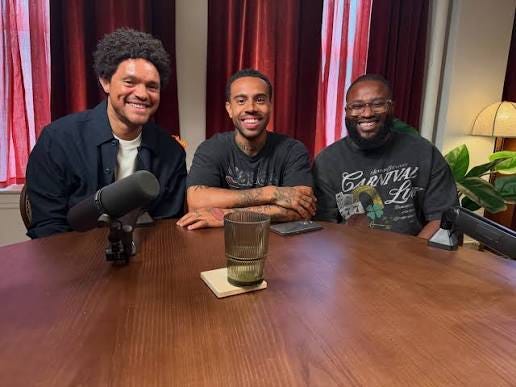
An anti-African scourge has struck South Africa like a meteor of self-hatred. Upon seeing the stories of Ghanaian and Nigerian immigrants being beaten, driven from their homes, and even killed, I did what any concerned American would do. I called Trevor Noah. As American pop culture’s resident South African, I reasoned, if anyone is to make sense of these tragedies, it must be him.
Comments
Nothing yet. Say the first thing.
Sign in to join the conversation.