
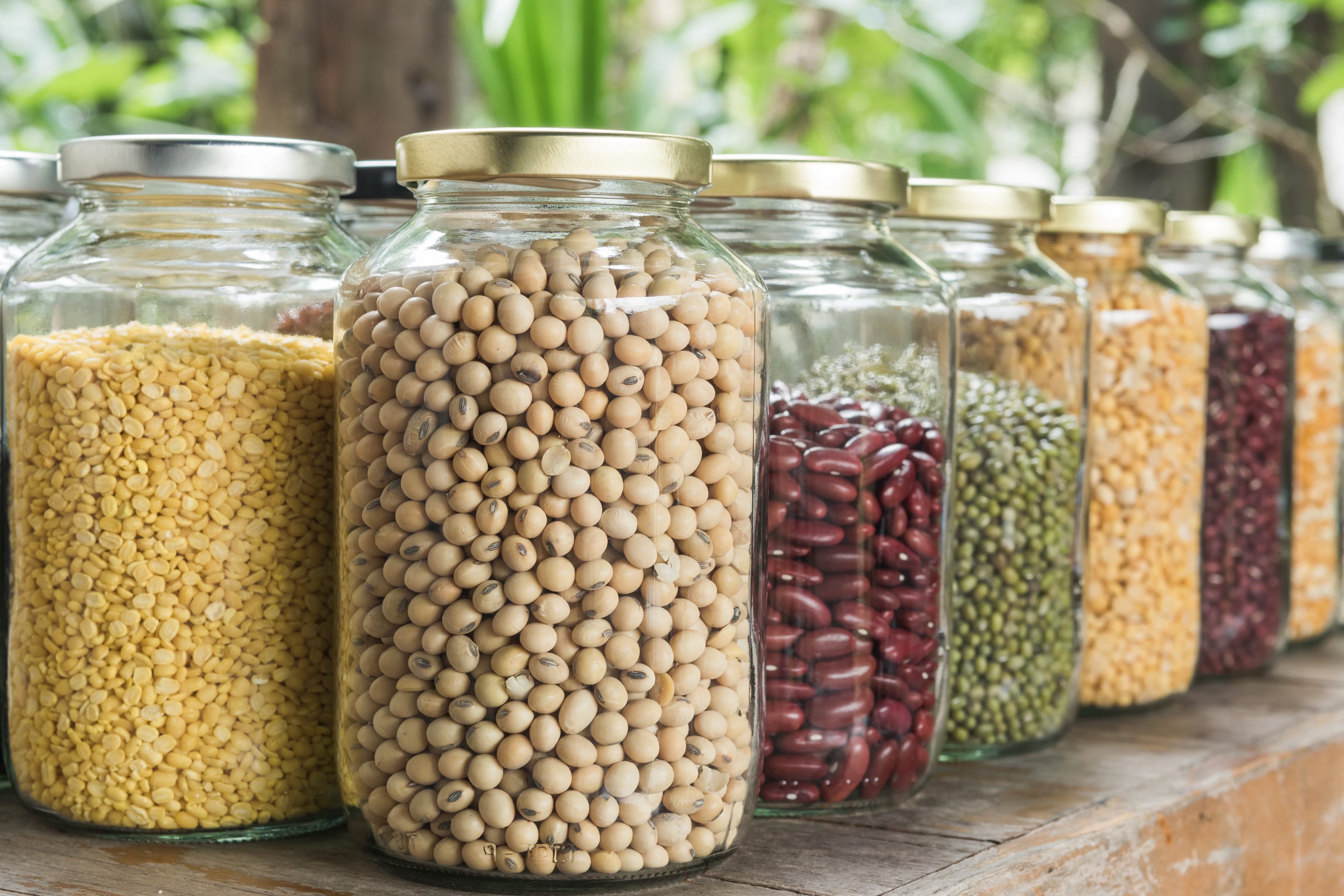
We love legumes.
And if you’re already deciding this post isn’t for you because you’re thinking, “Wait... what’s a legume?” before quietly clicking away, bear with me. Legumes are beans. Beans are a beautiful thing.
During our tours in Umbria, and in Puglia as well, we tend to go heavy on the legumes because that’s what is locally grown and locally eaten. They appear in soups, salads, stews, pasta dishes, and on antipasto tables. They’re humble, yes. But they’re also one of the defining ingredients of these regions.
The challenge is that they’re not exactly theatrical.
We can invite you into a caseificio to watch mozzarella being stretched. We can stand beside a pastry chef as cannoli are filled to order. We can hand you a rolling pin and teach you to make fresh pasta.
Watching beans grow is... less exciting.
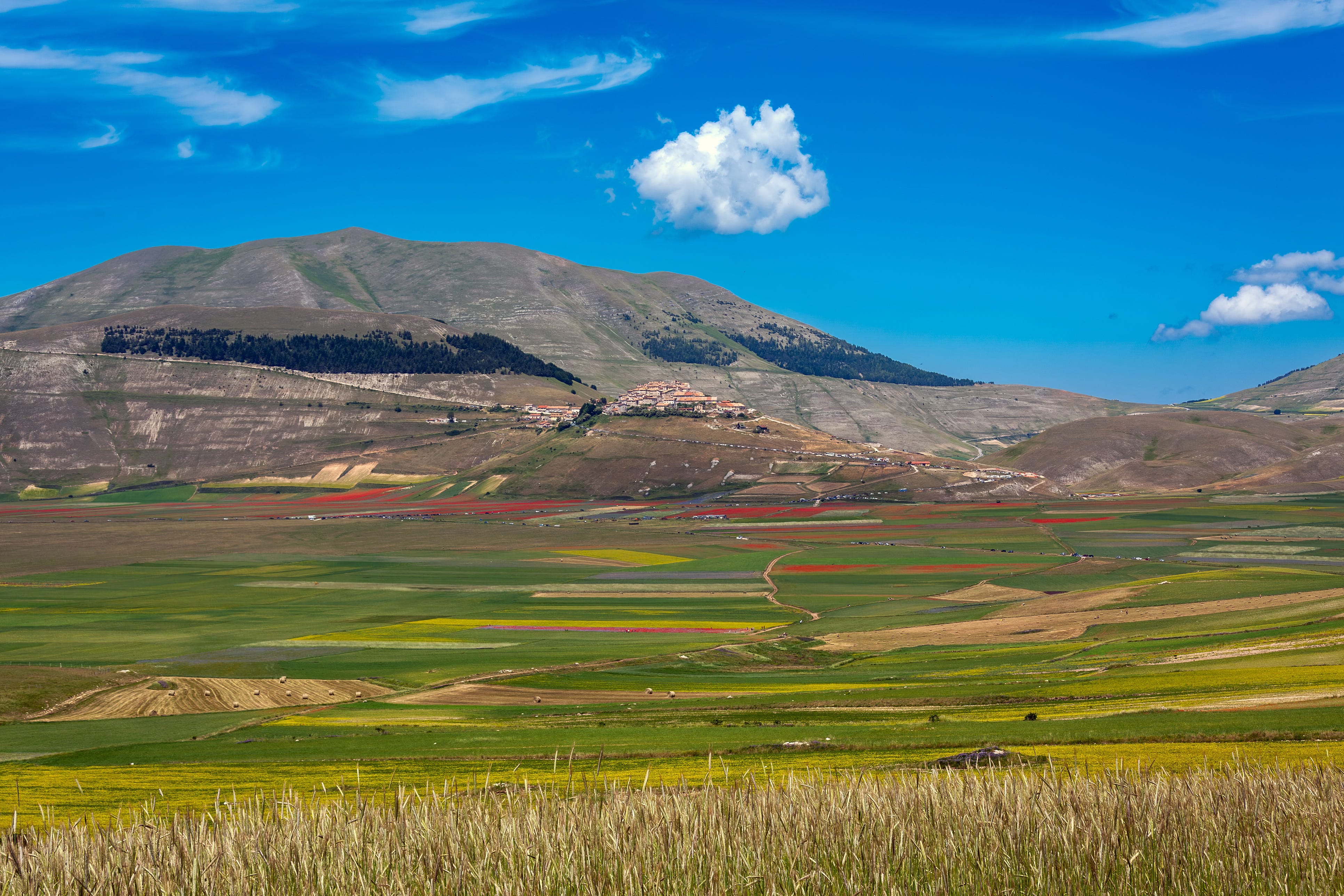
Sometimes the fields themselves are spectacular, like the endless flowering lentil fields around Castelluccio in early summer. Sometimes seeing how chickpeas actually grow is a revelation. Most of us have no idea what the plant even looks like
But for the most part, the magic begins after the harvest. Once the beans have been dried, sorted, packaged, and eventually find their way into your kitchen.
I’ve become convinced that beans taste of the place.
Terroir for beans? I think so.
Just as wine reflects the soil and climate where it’s grown, so do beans. The altitude, the mineral-rich soils, the weather, even the farming traditions all contribute to beans that cook differently, taste differently, and somehow seem to belong exactly where they come from.
Which is why I wanted to introduce you, at least virtually, to some of our favorite bean producers in Umbria.
Like so many of Italy’s great ingredients, beans ended up in Umbria because they simply made sense here. The region’s valleys, hillsides, and mountain plateaus provide ideal conditions for legumes, with fertile soils, cool nights, and relatively dry summers that allow them to mature slowly.
Many of the finest varieties are still grown at altitude, where the combination of cooler temperatures and mineral-rich soils produces beans with thinner skins and remarkably creamy interiors.
For centuries they were simply everyday food. Inexpensive, filling, easy to store through the winter, and naturally rich in protein, beans became one of the foundations of the Umbrian table.
Today they’re appreciated for exactly the same reasons, only now we’ve finally realized just how delicious they are.
Cannellini
The classic white bean. Mild, creamy, and delicate, cannellini are the beans you’ll find throughout central Italy in soups, salads, and simple side dishes. They hold their shape while remaining silky inside, making them one of the most versatile beans you can keep in your pantry.
Best for: soups, bean salads, bruschetta topped with smashed beans, and pasta e fagioli.
Borlotti
If cannellini are elegant, borlotti are earthy. Their beautiful pink-speckled skins disappear during cooking, leaving behind a rich, nutty bean with a fuller flavor. They’re wonderful simmered with tomatoes, rosemary, and olive oil or stirred into hearty soups.
Best for: minestrone, stews, and rustic side dishes.
Chickpeas (Ceci)
Umbrian chickpeas are generally smaller than the large commercial varieties sold in supermarkets. They have a firmer texture and a surprisingly sweet, nutty flavor that makes them worth seeking out. They’re equally at home in soups, salads, or simply dressed with excellent olive oil.
Best for: soups, salads, hummus, and roasting.
Lentils (Lenticchie)
Perhaps Umbria’s most famous legume comes from the high plains around Castelluccio di Norcia. Tiny compared to most lentils, they cook quickly without soaking and keep their shape beautifully. Their flavor is delicate, almost grassy, and they need little more than olive oil and salt.
Best for: warm salads, soups, and alongside sausages.
Roveja
One of Umbria’s oldest legumes, roveja (field pea) nearly disappeared before being revived by a handful of local farmers. The peas range from green to dark brown and have a robust, slightly wild flavor somewhere between lentils and peas. Traditionally they’re served in soups or ground into flour for a rustic porridge called farecchiata.
Best for: hearty soups and traditional Umbrian dishes.
Cicerchie
If there were an award for the most overlooked legume in Italy, cicerchie would probably win. Also known as grass peas, they’ve been cultivated since Roman times and have an earthy flavor somewhere between chickpeas and lentils. Once considered poor people’s food, they’re now appreciated as one of Italy’s oldest surviving crops.
Best for: soups, purées, and simple preparations with garlic, sage, and olive oil.
The next time you’re in Italy, make sure you bring an extra suitcase just for beans and legumes. They make the perfect edible souvenir: they don’t need refrigeration, they’re easy to pack, and they’ll keep for a year or more.
But if a trip to Italy isn’t in your immediate future, don’t worry. I’d like to introduce you to one of my favorite family-run producers, whose beautiful beans and legumes are readily available in the United States. As an added bonus, Via Rosa subscribers will receive an exclusive discount code.
I’ve also gathered some of my favorite recipes so you can put your new pantry treasures to delicious use as soon as they arrive.
Comments
Nothing yet. Say the first thing.
Sign in to join the conversation.