
I was asked this on here the other day and I realised my answer was getting far too long for the comments… so it deserved its own post.
This probably won’t surprise anyone who’s followed me for a while, because I’ve been talking about this for years. We even hosted an entire event at the end of 2025 about it.
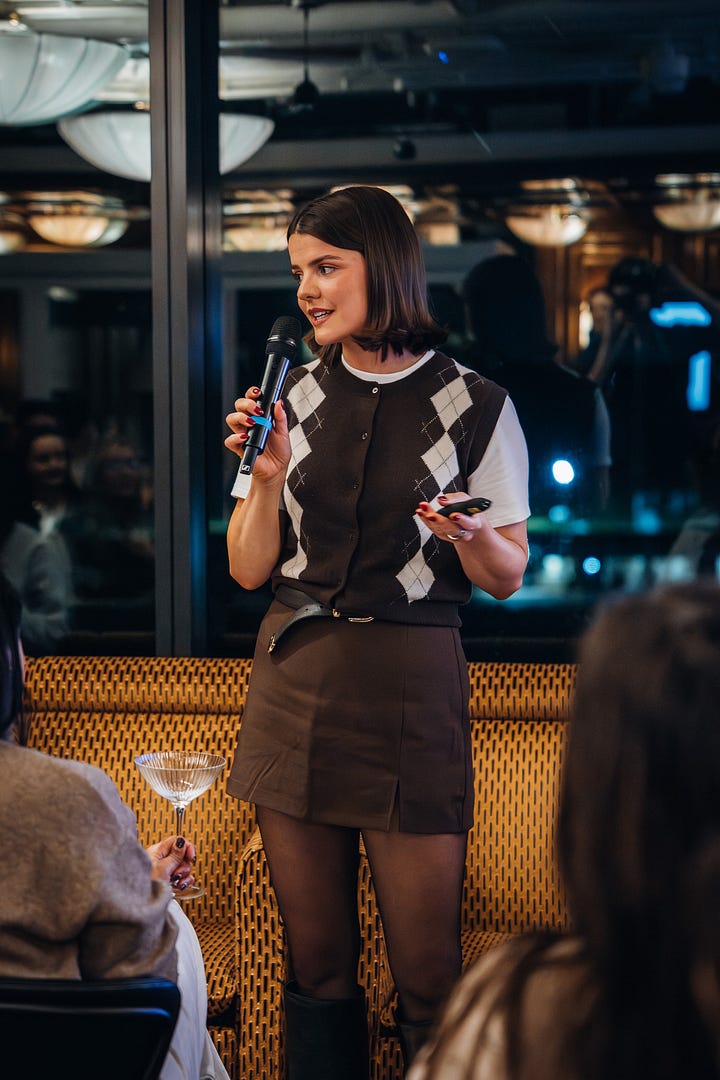


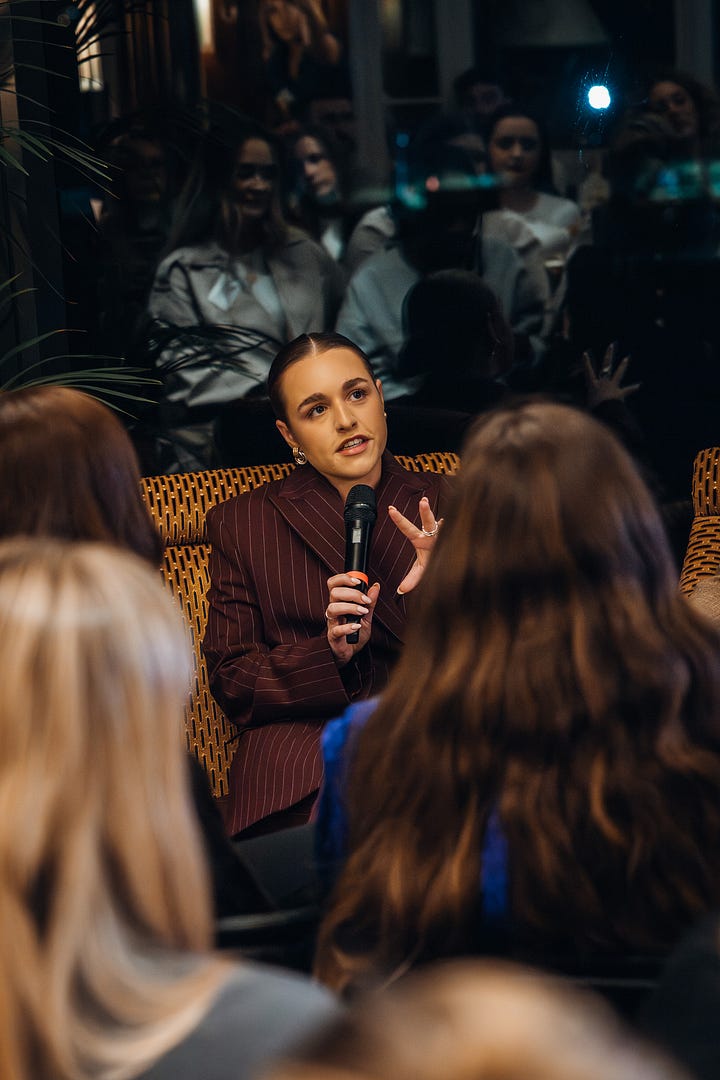
But I really do think the creators who are going to stand the test of time are the ones who stop thinking of themselves as creators, and start thinking of themselves as business owners.
One thing I’ve noticed from working behind the scenes is that creators can hit a ceiling when they’re expected to keep doing the same thing over and over again. It’s no different to any other career really. In a normal job you progress. You learn new skills, take on more responsibility, evolve into different roles. Creator careers need to evolve too.
They’ll be testing themselves, learning new skills, building new things and finding new ways to create. That’s what keeps a career exciting, both for the audience and for the creator themselves… which is why we’re going to see more creators becoming production companies, media businesses, agency owners… founders of their own IP.
At the beginning, you are the product. Your audience is there because of you.
But over time, the goal is to build products and systems that can exist alongside you, rather than relying on you for every single piece of growth.
That might be a podcast network. A product. A business. A media format. A membership. Something you own.
Because the reality is, if every penny of revenue depends on you turning up every single day, you’ve built yourself a job. A brilliant job maybe... but still a job. The businesses that become really valuable are the ones that have systems, operations and products underneath them. They aren’t relying on one person to make every decision or create every piece of content forever.
Alex Cooper is probably one of the clearest examples of this. She started with Call Her Daddy, signed one of the biggest podcast deals in the world with Spotify, and has since built The Unwell Network, bringing other creators into the business and creating something much bigger than one podcast. Of course she’s still central to it, but she’s gradually building a business with multiple personalities, multiple revenue streams and multiple opportunities. That’s a very different business to simply having one successful show.
Jamie Laing is another great example. What started with one podcast has grown into JamPot Productions, where they’re building and monetising multiple shows across different creators. Again, they’re creating something that can continue growing beyond one single person or one single audience.
Big caveat - none of this happens overnight.
These creators have been building for years.
If you’re just starting out, your job isn’t to launch five businesses. It’s to build trust first. Build your audience. Learn what they come to you for. Create consistency. Once that foundation exists, then you can start layering other things on top.
The funny thing about systems and operations is they usually cost money before they make you money, which is exactly why so many people put them off.
Hiring support, investing in processes, documenting how your business works... none of it feels particularly exciting when compared to filming another six figure campaign.
But those are often the things that allow you to think about the bigger picture rather than constantly reacting to what’s in front of you.
Every business has it to some degree, but the goal is to reduce it over time.
A business is more valuable the less dependent it is on one individual.
A really interesting example is Kayla Itsines. She built Sweat into an incredible business and sold it for hundreds of millions of dollars before later buying it back after the new owners struggled to maintain the same momentum. That doesn’t take away from the value she created (quite the opposite), but it does show how difficult it can be to separate a founder from the business they’ve built if too much of the value still sits with them.
For creators, I think that’s something worth thinking about early.
How do you slowly build something that isn’t completely reliant on you?
Maybe today it’s one revenue stream. Tomorrow it’s two. Then it’s a podcast, a product, a newsletter, an event or a business. Over time, those different parts start supporting each other.
That’s certainly how we think about it at tbh.
We are still in the early stages of building those wider projects… because they take time. Before you launch the exciting things, you need the foundations underneath them. Consistent income. Strong brand partnerships. An audience that trusts you. They’re the building blocks that make everything else possible.
The other shift I am OBSESSED with is the rise of expert creators. It’s definitely exasperated by my algorithm… because it’s what I’m consuming every day… but we’re moving into an era where knowledge is one of the most valuable forms of influence.
I’m seeing a lot of growth with creators who are teaching. Finance. Business. Careers. Marketing. Investing. Health. Property. It’s one of the reasons we’re building out an expert roster at tbh. We’ve recently hired someone with brilliant talent experience to come across and lead this division. I have a feeling knowledge creators could be one of those shifts that, in a few years’ time, we’ll all look back on and wonder how we didn’t see it sooner. If you want to apply to be on our experts roster - you can do that here.
I don’t think the future belongs to the creators with the biggest audiences. I think it belongs to the creators who build the strongest businesses (and communities) around those audiences.
The audience gets your foot in the door… what you build around it is what determines whether you’re still here ten years from now.
Verity x
No posts
Comments
Nothing yet. Say the first thing.
Sign in to join the conversation.