
If you’ve ever asked if wine is vegan-friendly, you’ll be happy to know that the answer, a lot of the time, is yes. But before you head out the door to pick up a bottle of Chardonnay to go with dinner, there are a few things you need to know.
Is wine vegan?
While plenty of wines on the market are vegan, this is not always the case. Some wine is processed using animal products, such as isinglass, which is the dried swim bladder of a fish. To better understand the why, let’s get into how wine is made.
As you probably know, wine is made from grapes, and many types are named after the principal varietal used, including Cabernet Sauvignon, Zinfandel, and Pinot Noir (fun fact: wine named after the main grape it’s made from is called “New World” wine. In contrast, when wine gets its name from its region of origin, like Burgundy or Bourdeaux, it’s called “Old World” wine.)
Naming aside, it’s important to note that wine isn’t made from the kind of grapes that you can buy at the grocery store. Wine grapes are small and sweet with thick skins as well as seeds.
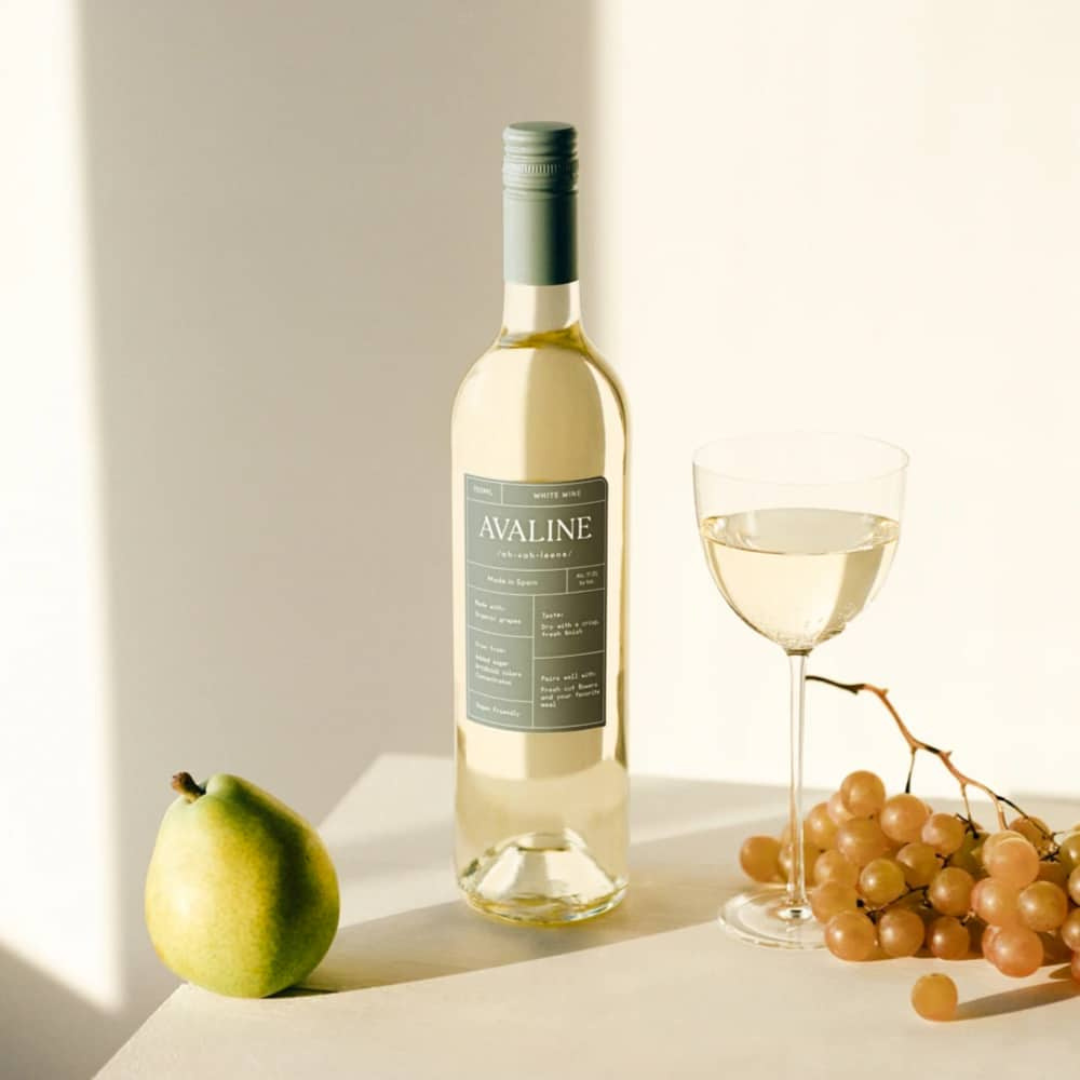 Avaline
RELATED: Exceptional White Wines You Didn’t Know Were Vegan
Making wine starts at the vineyard. Some grapes are harvested by hand, others by machine. In warmer climates, harvesting might occur at night, while in cooler regions, gathering is done during the day. Additionally, some wineries harvest earlier, resulting in a tarter drink, while others prefer riper, sweeter grapes. The flavor, aroma, acidity, and body of wine are influenced by the climate and various other factors, such as alcohol level, aging, and residual sugars. It’s no wonder that understanding wine can be such an undertaking.
After grapes are harvested, they’re destemmed, sorted, and crushed to extract the juice. If white wine is being made, the skins and seeds are separated from the grape. But for reds, oranges, and rosés, the grapes are only lightly crushed and the skins and seeds are left for varying periods of time.
Up next comes fermentation, the magic step where the sugar in the juice converts into alcohol. Then, it’s aged, sometimes for up to 24 months. So far, no animal products, but this potentially changes in the following steps.
What is vegan wine?
Before bottling, many wineries fine their wine. The clarification process removes particles like tannins and proteins, which results in a clearer, less astringent beverage. This is where animal products come in.
Some wineries filter the final product with isinglass while others use egg whites, casein (milk protein), or chitosan, which comes from shrimp shells. Green algae or a fungus called Aspergillus niger can also be used. In the past, oxblood was used, too, but thankfully, that’s no longer common practice.
 Adobe
Adobe
RELATED: The Juiciest Mocktails and Cocktails Perfect for Summer
These fining agents are removed before the wine is bottled, so if you’ve ever drank a wine that wasn’t labeled “vegan,” you haven’t inadvertently consumed an animal product. But, wine filtered this way still isn’t considered vegan because these byproducts were used in the process. However, wineries aren’t required to disclose their use of fining agents on the label, which can make finding a vegan wine a bit of a challenge.
Thankfully, vegan wines, which are filtered without animal products, are becoming more common. Some wineries are more hands-off and skip the final filtration step. Others make a conscious decision to choose an animal-free alternative, such as ceramic filters and bentonite clay. More and more brands are helping consumers make informed decisions by labeling their wines as “vegan” on the bottle.
Is organic or “clean” wine always vegan?
Organic, biodynamic, and clean wines aren’t necessarily vegan. Organic wine is made from grapes grown without prohibited synthetic fertilizers and pesticides. These wines are also free from sulfites, but the final product may still be filtered using animal products.
Biodynamic wine doesn’t contain added chemicals or yeast (which can be used to aid in the fermentation process), but its production can still require animals.
The biodynamic farming movement takes a holistic approach to agriculture—every part of the process feeds into the next, and many of these practices are regenerative, which means they help improve the land over time. But in order to keep the soil healthy, often, farm animals live on the land to fertilize it.
 Pexels
RELATED: The Top-Rated Ice Cream Makers for Dairy-Free Desserts
Another common practice on biodynamic farms is the use of cow horn manure. This involves stuffing cow horns with manure and burying it in the ground for the winter. It’s later dug up and then the compost is scattered throughout the farm. Because of this, some vegan consumers may choose to abstain from biodynamic wine.
Clean or “natural” wines are typically made from grapes grown without synthetic pesticides and contain no added sugar, sulfites, or preservatives. Many are vegan, organic, and made from sustainably harvested grapes. But, keep in mind that unlike “organic,” the term “clean” is a marketing term, and it is unregulated by the government.
Don’t let that dissuade you from drinking clean wine, however. Many clean wine brands are 100 percent vegan and make delicious varieties to sip on. The bottom line is, you deserve to be informed when making decisions as a consumer, and this includes knowing about hidden animal products and decoding marketing terminology.
Also, remember: alcohol is still alcohol, even when it’s labeled clean, and it should be enjoyed in moderation.
 Adobe
Adobe
How to find vegan wine
Looking for vegan wine? Below is an up-to-date, ever-expanding roster of the vegan wines offered nationwide.
Vegan red wine brands
- Avaline
- Besa
- Carmel Road
- Charles Shaw
- China Bend
- Frey Vineyards
- Gerard Bertrand
- Girasole Vineyards
- Harney Lane Winery
- Hip Chicks Do Wine
- Kind of Wild
- Pizzolato Organic Wine
- Las Jaras Wines
- Michael David Vineyards
- Obvious Wines
- Our Daily Wines
- Santa Margherita
- Scout & Cellar
- Sea Change Wine
Vegan white wine brands
- Avaline
- Bellissima
- Besa
- Carmel Road
- Charles Shaw
- Frey Vineyards
- Girasole Vineyards
- Harney Lane Winery
- Hip Chicks Do Wine
- Kind of Wild
- Pizzolato Organic Wine
- Las Jaras Wines
- Michael David Vineyards
- Obvious Wines
- Santa Margherita
- Scout & Cellar
- Sea Change Wine
- Whitecliff Winery
Vegan rosé brands
- Avaline
- Bellissima
- Besa
- Domaine Carneros
- Frey Vineyards
- Harney Lane Winery
- Kind of Wild
- Pizzolato Organic Wine
- Las Jaras Wines
- Michael David Winery
- Metro Wines
- Obvious Wines
- Rumor Rosé
- Santa Margherita
- Scout & Cellar
- Sea Change Wine
- Whitecliff Winery
Vegan sparkling wine brands
- Avaline
- Bellissima
- Domaine Carneros
- Frey Vineyards
- Pizzolato Organic Wine
- Las Jaras Wines
- Metro Wines
- Obvious Wines
- Santa Margherita
- Scout & Cellar
- Sea Change Wine

Sarah McLaughlin (@sarahmclaughlin) is the New Products Editor at VegNews and is always on the search for the newest innovations in plant-based food.
Here at VegNews, we live and breathe the plant-based lifestyle, and only recommend products we feel make our lives amazing. Occasionally, articles may include links where we might earn a small commission, but in no way does this effect the editorial integrity of VegNews.
Comments
Nothing yet. Say the first thing.
Sign in to join the conversation.