
I’m raising $20K to produce a storytelling podcast inspired by this Substack. Click here to donate to the project.
What I remember most about Susan Stamberg is how much fun she was. For those who don’t know, Susan was one of the founders of NPR. She called herself a “founding mother,” and that’s exactly what she was. She helped build not only the sound of NPR but also how its people were treated.
Susan was at NPR before unionization, and when NPR’s journalist unionized, she fought for strong benefits because she believed they kept talented people at NPR, even when pay was limited. For many years, I was involved with the union at NPR, and during negotiations, I would get an email from her (and other founding mothers) that basically commanded my presence. I would come to her office and tell her exactly what was happening at the negotiating table. We would use Susan to shame management. (If that didn’t work, we’d send Nina Totenberg…deploy the Totenbomb is a phrase I gleefully said more than once. ) As Susan told me once, “We couldn’t always negotiate for pay, but we could negotiate for benefits.”
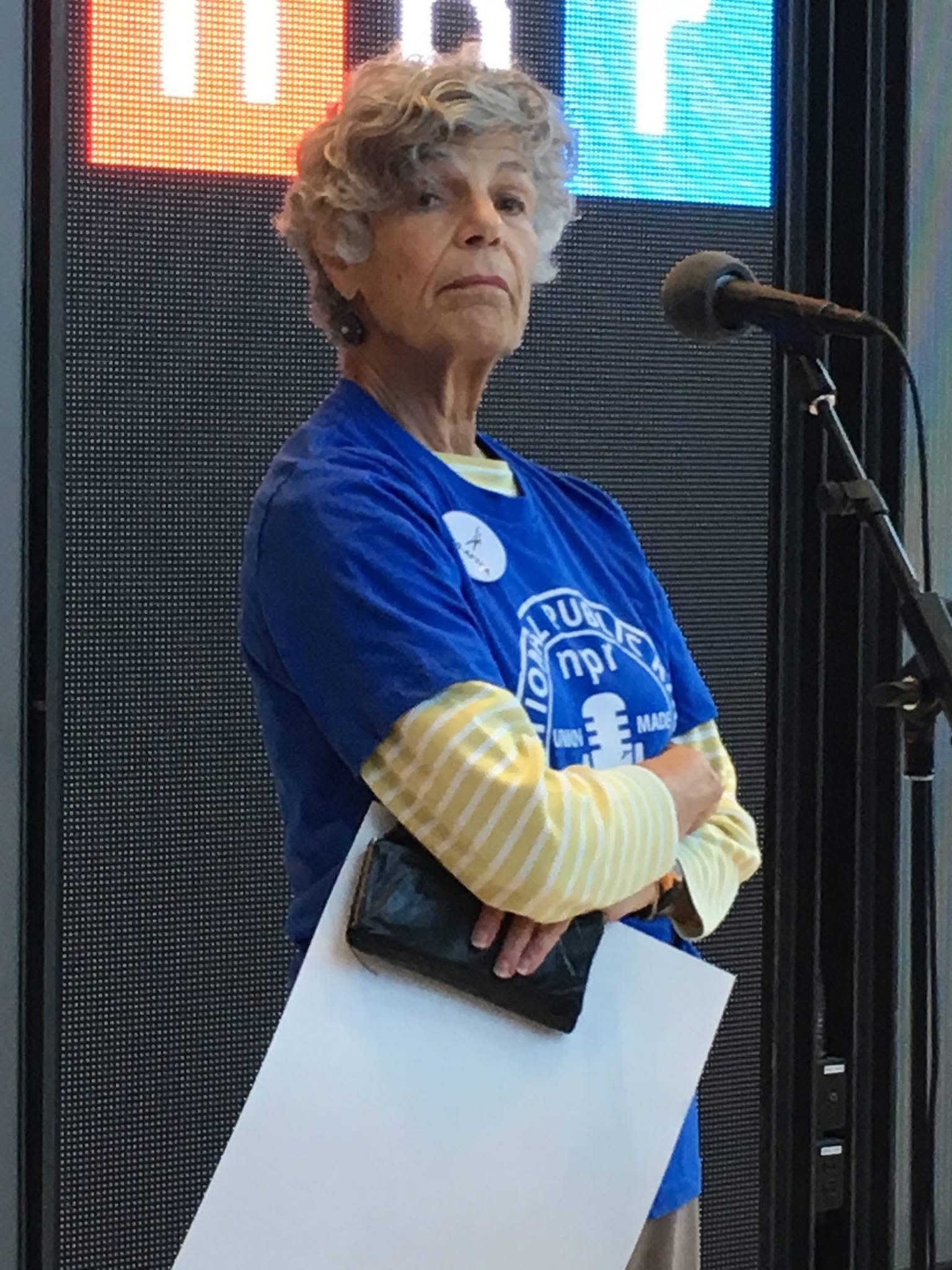
Following the unionization of her workplace, Stamberg was a staunch union supporter. During every contract negotiation, Stamberg would bring a bullhorn and lead a Solidarity Walk around the building, bringing all the members together to march in support of the union. These marches would start in the cafeteria, collect staffers floor-by-floor, and consist of NPR employees wearing union T-shirts and carrying balloons. SAG-AFTRA obit of Stamberg
Years later, when the #WeMakeNPR campaign filled social media during another round of contract talks, I thought of Susan. She would have loved that people were using their voices to stand up for each other, and she would have reminded everyone that the people who make the sound of public radio are just as important as the sound itself.
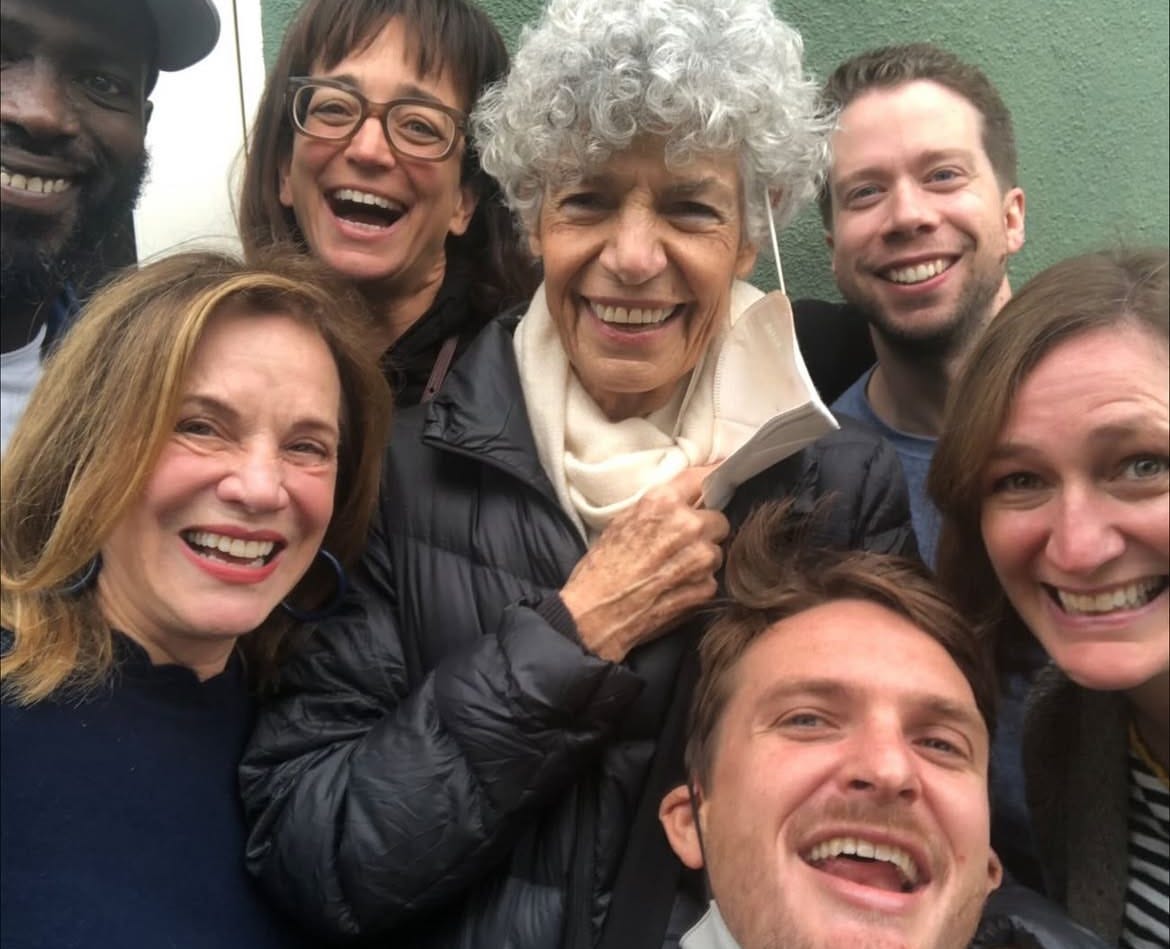
Susan would email me and ask me to come to her office or to lunch. Those emails never felt like suggestions. They felt like command appearances. At those lunchtime tables, she gathered a real mix of people from across NPR. She carried that same tradition to the picnic table outside NPR West, where she’d sit with her almonds and apple and quiz us about our lives.
When she summoned me to her office, she often wanted details about what was happening in union negotiations. She always had opinions, and we took them seriously. Susan was one of the greatest tools in any negotiation because she could shame management, which she often did, and it usually worked.
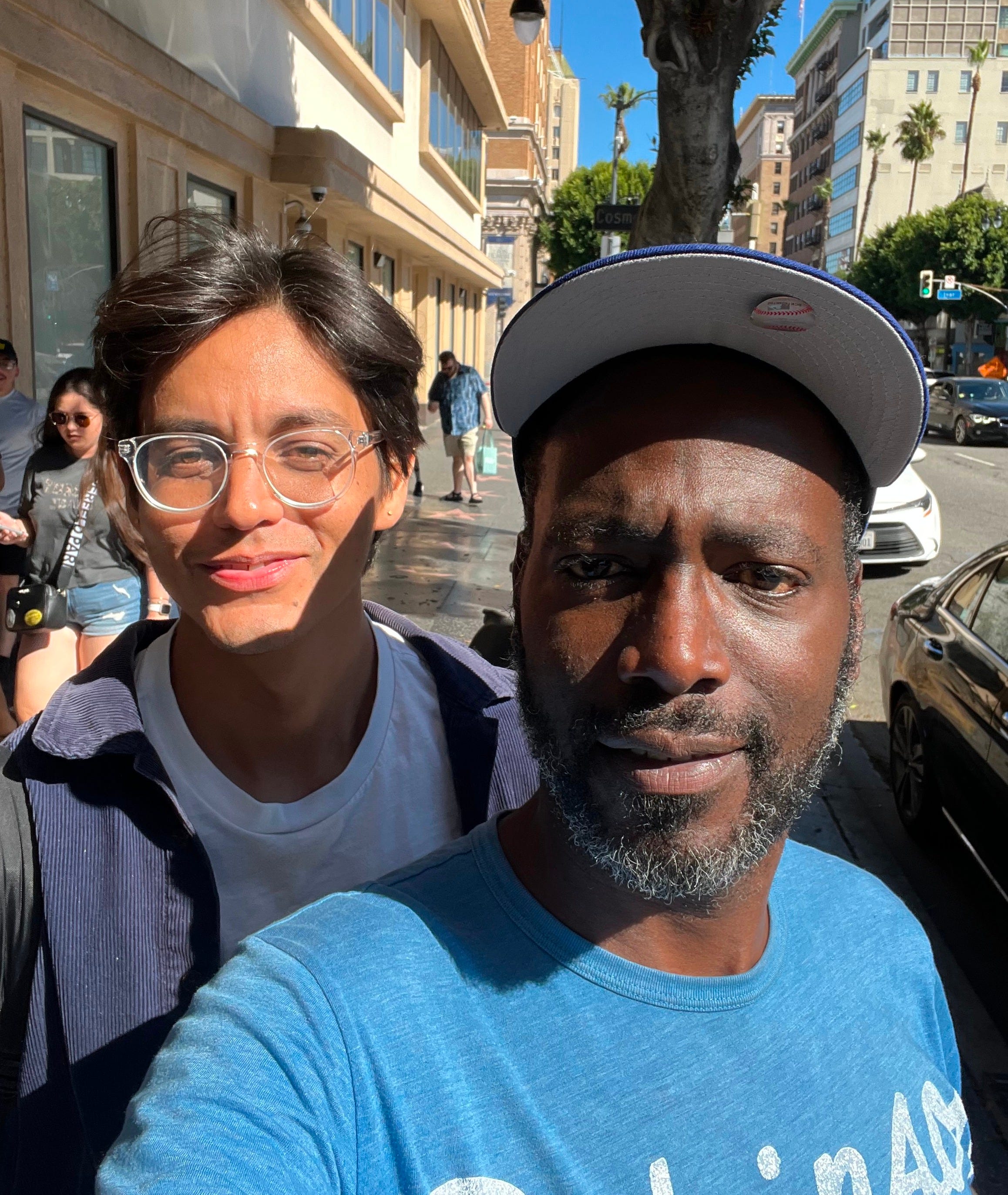
A few days after she passed, Adrian Florido and I went to her star on the Hollywood Walk of Fame. We sat down at Danny Trejo’s Tacos and had lunch. A Black man and a Puerto Rican went to a Mexican restaurant to celebrate our Jewish friend. Somehow that felt perfectly NPR
One of my favorite things to do with Susan was have lunch. I didn’t necessarily come to know her through her work on the radio as much as I did in person.
When I think of Susan, I don’t just think of her voice or her legacy. I think of the moments that made me laugh. Like the time I took her to a gay bar. I was giving Susan a tour of West Hollywood, and we went to The Abbey to see a portrait of Elizabeth Taylor. I love that I took Susan Stamberg to a gay bar! I don’t think it was her first. I still can’t believe I took Susan Stamberg to The Abbey.
Another time she tried to refuse to let me drive her somewhere because she didn’t want people thinking I was “Driving Miss Daisy.” She got highly offended when I called her Miss Susan, and that still makes me laugh.
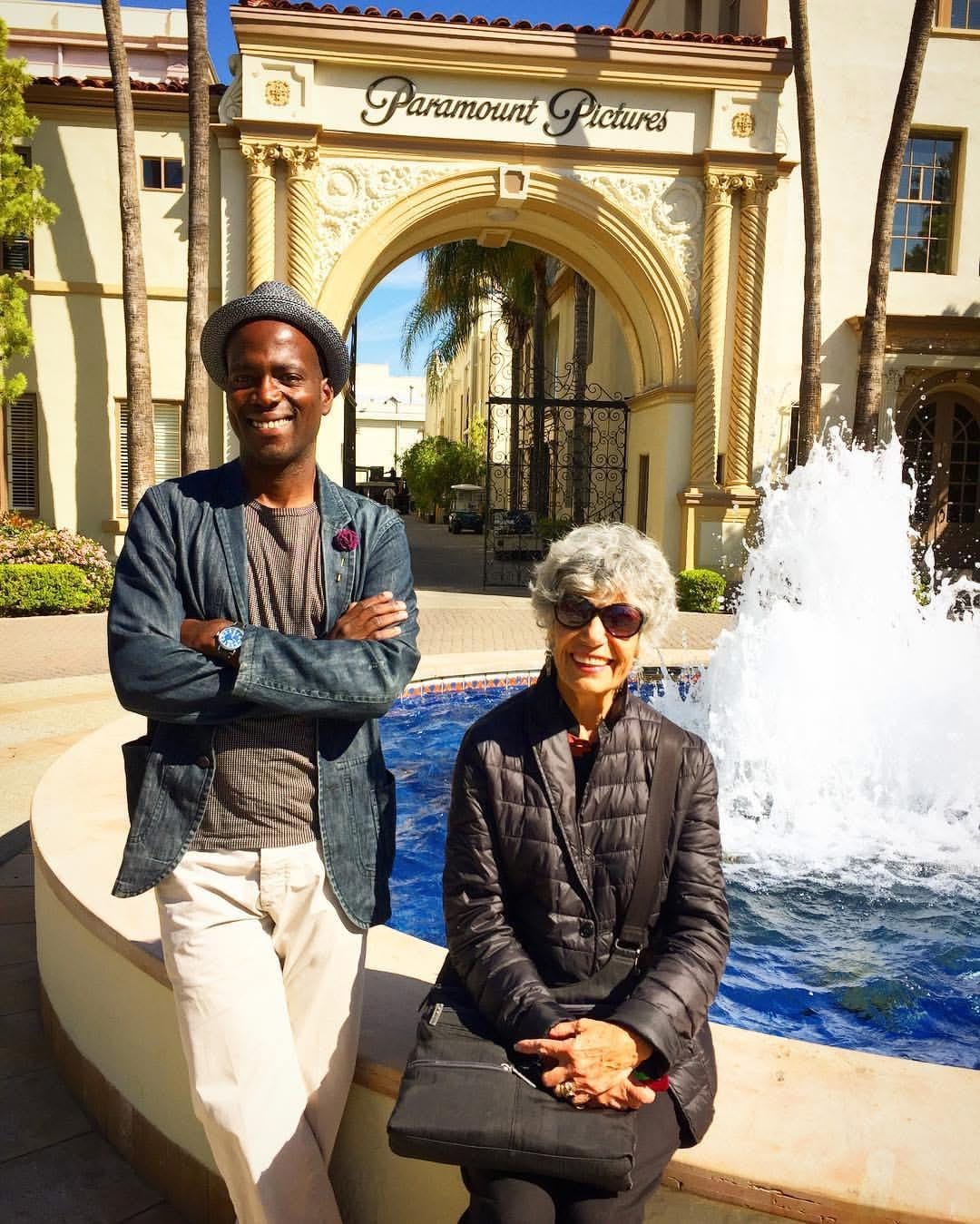
One of my favorite memories was when we got a private tour of Paramount Pictures. Susan was like a kid in candy story. And when I say kid I mean child. Every velvet rope she saw, she lifted. I remember they were restoring a canister of Raiders of the Lost Ark. There’s this thing in film called vinegar rot, and you can smell it on the old film. The technician told us not to touch it. But Susan leaned in, nose half an inch away.
More than anything, I think about the many lunches she held in Washington and in Los Angeles. You never knew who you’d find at her table. When Susan came to Los Angeles, she’d send out an email titled “Bad Penny Days.” “A bad penny always turns up” is an old English expression. Hanging out with her in LA really was special. Melissa Kuypers, who runs NPR West, and I used to joke that when Susan came to town, it was like Mary Poppins had arrived. The wind would change, and things just felt more familial and fun in the office, our own paterfamilias.
Susan sitting on the picnic bench at NPR West with a mix of people, interns, young reporters, and veterans is how I will remember her. At those lunches she opened up, being a grandparent, growing old, about dating in her eighties, or what India was like in the sixties, or she would give you feedback on your story or your voicing.
I remember one particular lunch with Susan and Nate Rott. I remember it clearly because of the impact it had. Out of nowhere, she looked at us and said, “When was the last time you learned to do something new? Really new?” That stuck with me. I went out and bought a Cuisinart and a KitchenAid and started baking. Nate started surfing.
Since she passed, I’ve gotten so many messages from people, colleagues, friends, younger journalists, all talking about how she encouraged them or gave them a boost when they needed it. What’s remarkable isn’t that people who worked with her for fifty years remember her. It’s that so many of us in mid-career and earlier remember her for helping us figure out what’s next.
I always thought the difference between men and women was pockets.
Susan Stamberg
People may remember her cranberry relish (which is perfect for a sandwich on Friday after Thanksgiving) but I’ll remember Susan was an example of so many things, from how to be a woman in the workplace, to how to grow old with grace.
She embraced new platforms with the same curiosity that shaped her career. She launched her twitter and Instgram accounts at 80! She was a feminist icon to the larger world, but her real legacy lives in the people she helped shape.
I’m glad we got to celebrate her in Los Angeles with her star on the Hollywood Walk of Fame. That ceremony was the last big public-radio party before the pandemic, and I’ll always remember it as a high point of my life. She was the best of public radio, the best of NPR, the best of journalism.
Stamberg helped reimagine radio. There wouldn’t have been a podcast revolution. There wouldn’t have been Ira Glass, or Joe Rogan or me, without Susan Stamberg.
She loved Gershwin, so it feels right to end with this.
“The radio and the telephone and the movies that we know
May just be passing fancies, and in time may go.
But our love is here to stay.”
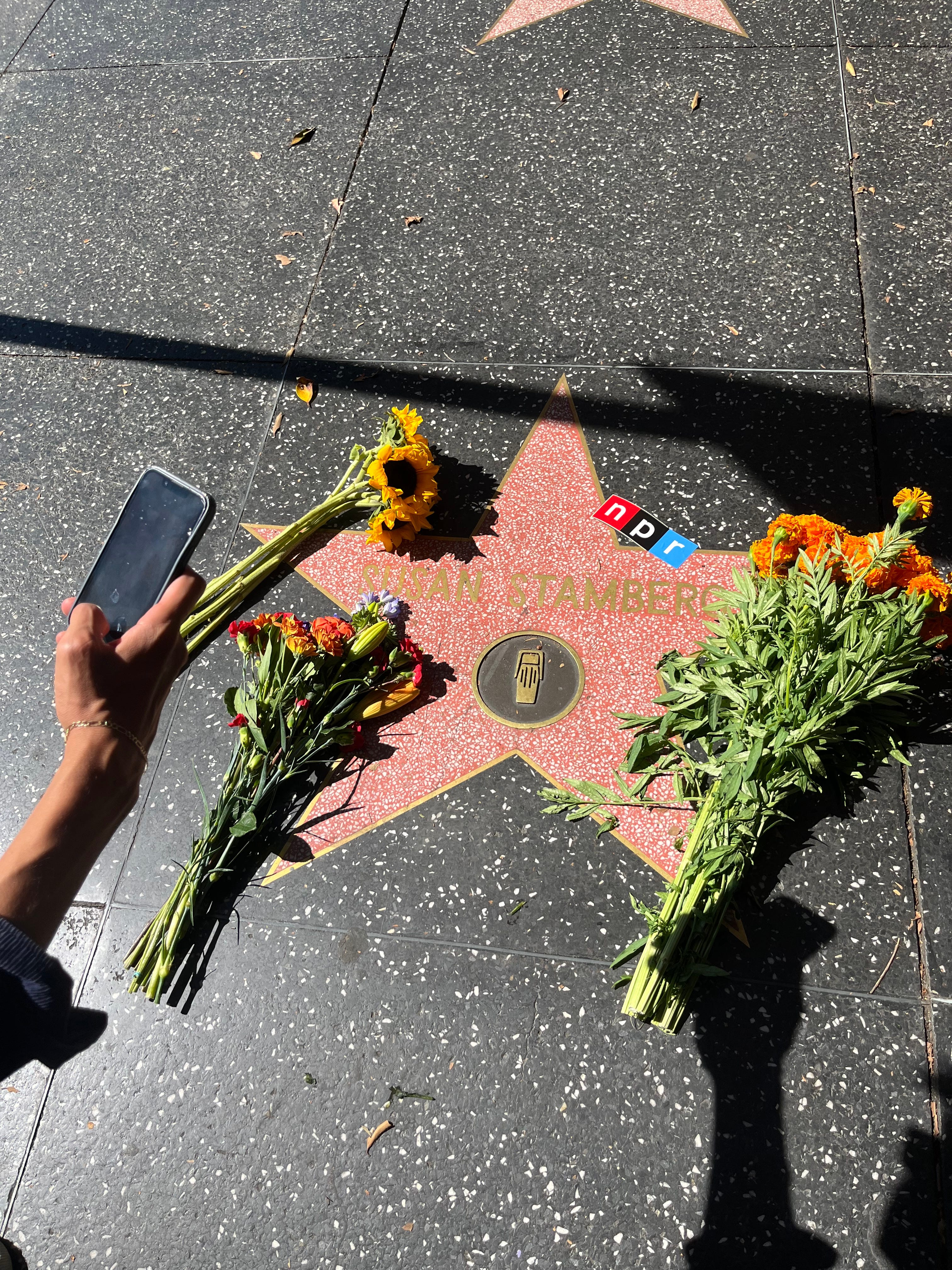
In lieu of flowers, Susan’s family is asking for donations to Adopt A Station
Comments
Nothing yet. Say the first thing.
Sign in to join the conversation.