

“The greatest thing in the world is to know how to belong to oneself.”
Have you ever noticed that the moment someone tells you what you should do, something inside you instantly resists it?
Even if it was something you were already planning to do.
I don’t think this is because introverts are stubborn, rebellious, or difficult. I think it’s because many of us have a deep need to feel like our decisions are our own, and we value our freedom to choose things in our own way and in our own time.
As introverts, we spend a lot of time in our own inner world. We like to reflect, observe, and think things through before we take any action. We don’t usually jump into decisions. We like to consider our options, listen to our intuition, and arrive at a conclusion that feels aligned and right for us.
So when someone tells us what to do in a way that feels forceful or controlling, it can interrupt that entire process.
It’s almost as if our mind says, “Wait a second, I wasn’t finished thinking yet.”
What’s interesting is that the resistance isn’t really about what we’re being asked to do.
It’s about losing the feeling that we had a choice.
Even if the suggestion is a good one, something changes the moment it becomes a command. It can feel like our ability to think for ourselves has been taken away, and for many introverts, that feeling is deeply uncomfortable.
I also think this is why tone matters so much.
There’s a huge difference between someone saying, “Have you thought about trying this?” and “You need to do this.”
That small shift in language connects to something psychologists call psychological reactance, a natural human response to feeling that our freedom to choose is being limited. When people sense that their autonomy is being restricted, even in subtle ways, the mind can automatically create resistance to protect that sense of freedom.
For introverts, this reaction can feel even more layered because so much of our processing happens internally. We’re not just hearing instructions, we’re also running them through a quiet internal system of reflection, meaning-making, and emotional awareness. When something enters that space too forcefully, it can feel like that process is being interrupted before it has finished forming.
There’s also something important about autonomy itself. Psychologists Edward Deci and Richard Ryan, through Self-Determination Theory, describe autonomy as one of the core psychological needs that supports motivation and emotional well-being. When people feel they have choice and ownership over their actions, they tend to feel more grounded, inspired, and motivated. When that sense of choice is reduced, even slightly, motivation can shift into resistance or withdrawal.
This is why being told what to do can feel so different from being invited to choose.
It’s not always a conscious thought, however. It’s more of an internal signal that something has shifted from “I am deciding” to “I am being directed by someone else.” And for many introverts, that shift is enough to change the entire emotional experience of the moment.
From the outside, this might look like hesitation, silence, or even disagreement. But internally, it’s more about trying to reconnect with that sense of agency before moving forward. It’s a pause that restores space, not a refusal of the idea itself.
When autonomy is present, there’s room to think, room to breathe, room to feel free enough to arrive at a decision in a way that feels self-directed rather than imposed. And that feeling of freedom is something introverts deeply value.
In that space, we don’t tend to shut down at all. We become more open, more thoughtful, and more willing to engage with what’s being asked.
So if you’ve ever wondered why you don’t like being told what to do, it might not be about the task itself at all. It might be about what happens inside you the moment choice feels like it’s been taken away.
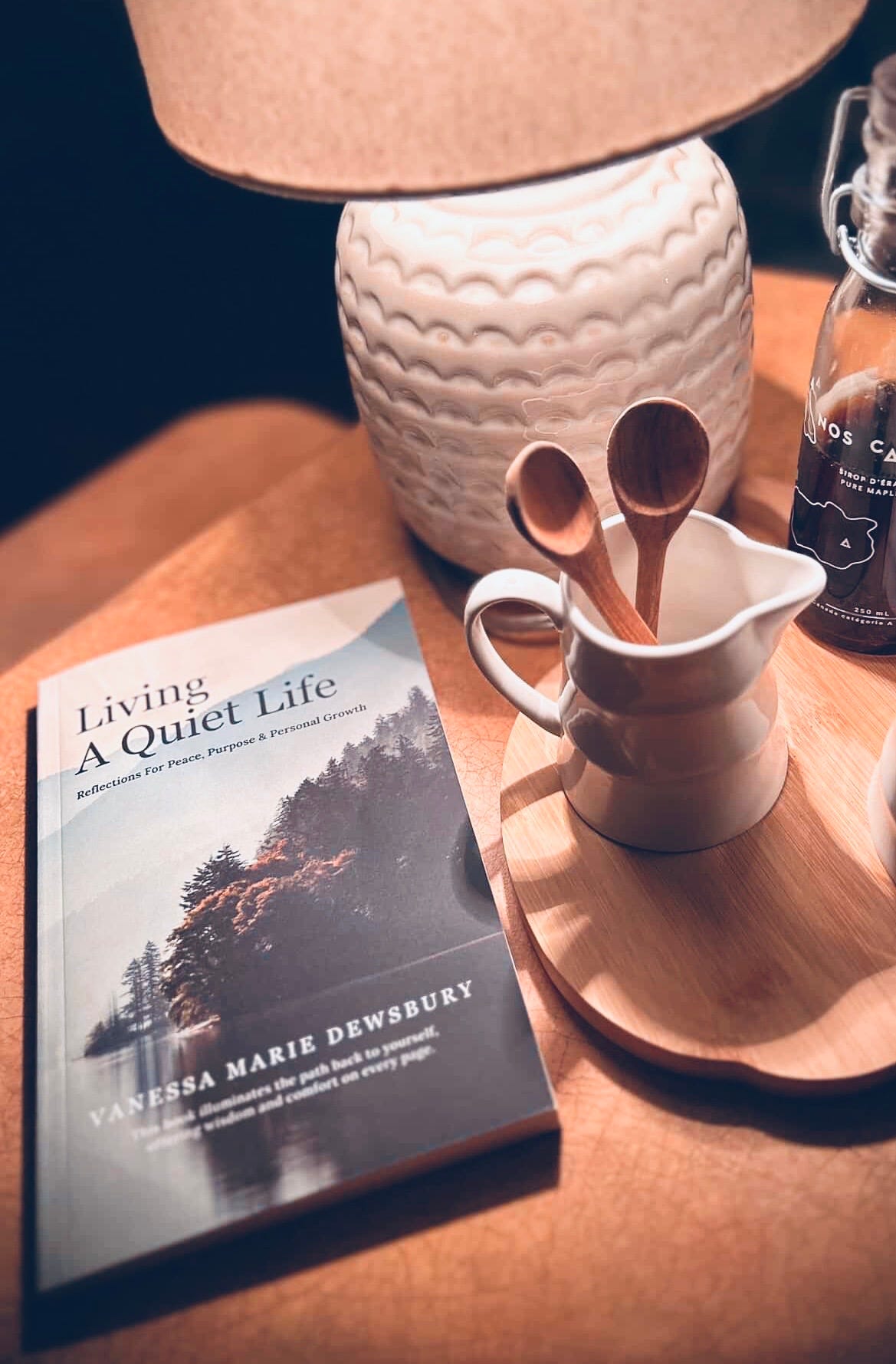
Living A Quiet Life: Reflections For Peace, Purpose & Personal Growth
“ A lovely book that feels like home to my soul.” LM
Order Living A Quiet Life Today
No posts
Comments
Nothing yet. Say the first thing.
Sign in to join the conversation.