
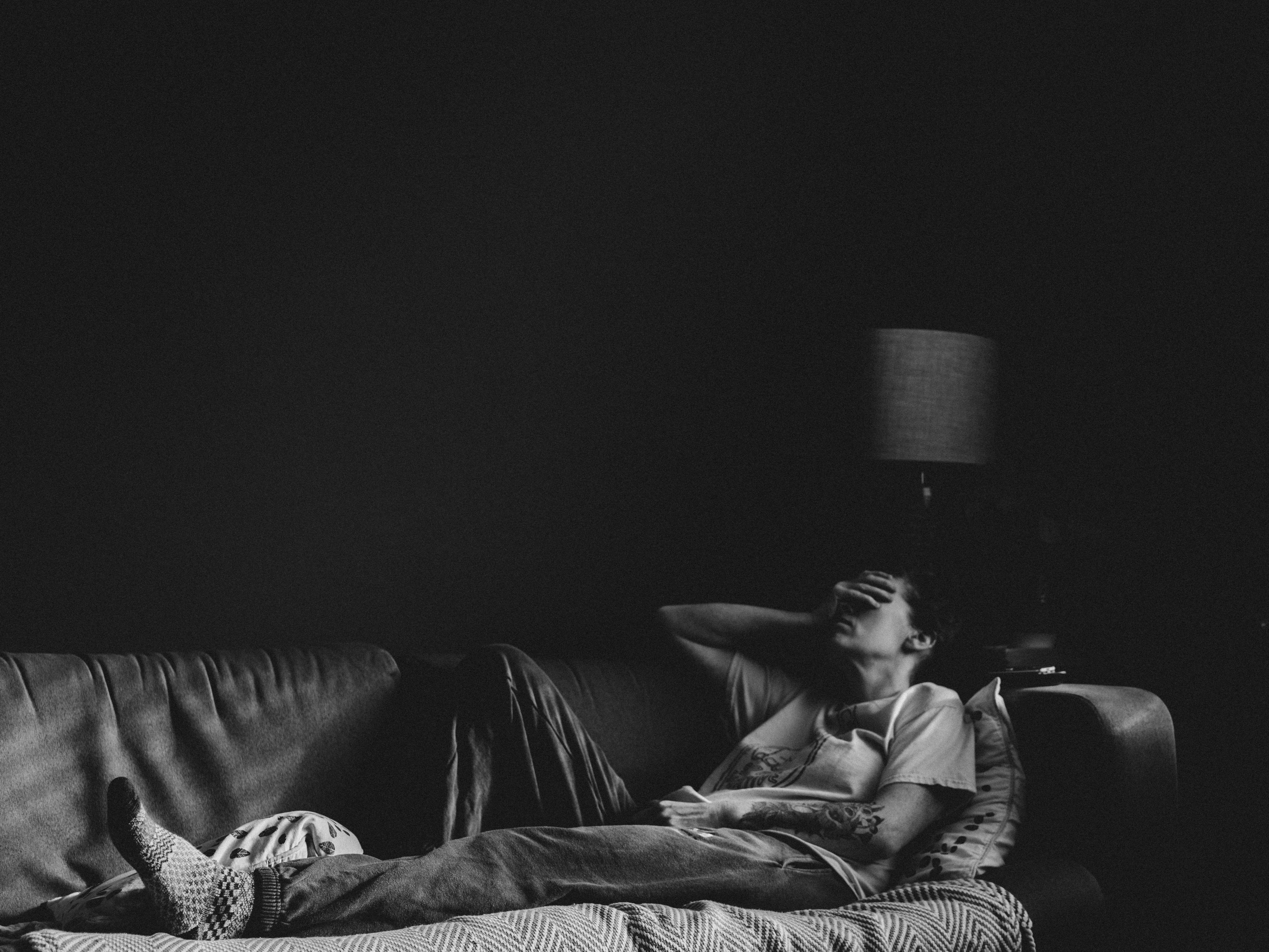
Have you ever had one of those days where you haven’t really done that much, but somehow you feel completely exhausted?
You didn’t run a marathon. You didn’t spend the day doing anything particularly difficult. Maybe you just talked to a lot of people, ran a few errands, answered emails, and suddenly you’re thinking, " Okay, I just need everyone to leave me alone.
If you’re an introvert, you probably know exactly what I mean.
And there’s actually some interesting psychology behind this.
Introversion isn’t a disorder, and it certainly doesn’t mean you don’t like people or that you’re a hermit and hide inside your home. But research suggests that those who are introverted in nature may be more affected by social stimulation and may need more time alone to recover.
So let’s talk about why that can sometimes leave us feeling completely drained even when we haven’t had an overly busy day.
For many introverts, being around people actually takes our energy rather than gives us energy. Even when we’re enjoying ourselves, we’re still listening, observing, responding, and taking everything in. After a full day of socializing, we may need some serious alone time to recharge.
And no, it’s not personal. We can love you dearly and still be thrilled when you leave.
In one study, researchers followed 400 people over 10 days and found that social introversion and sensitivity predicted a greater need for solitude and more frequent solitary time. Basically, sometimes our social battery really does need to be plugged back in.
Noise. Crowds. Conversations. Notifications. Traffic. Music. People talking over each other. Sometimes it’s not one big thing that overwhelms us. It’s a hundred little things happening all at once. And this is where introversion can overlap with something psychologists call sensory processing sensitivity. It isn’t the same thing as being introverted, but some people are more sensitive to stimulation and process sensory and emotional information more intensely.
One study found a significant relationship between sensory processing sensitivity and symptoms of occupational burnout, including exhaustion and disengagement. So if you sometimes walk into a noisy, crowded environment and immediately think, I need to get out of here, you’re definitely not alone.
This one is huge.
Many introverts are also deeply empathic and highly attuned to the people around them. We notice changes in someone’s mood, pick up on tension in a room, and we can walk away from an interaction feeling like we’ve taken on everyone else’s emotions. Even when we haven’t said much, we’re still absorbing the energy of the spaces we’re in. And by the end of the day, we can feel mentally and emotionally full, and we need some quality time to ourselves.
A quiet room. A walk alone. No talking, no explaining, no one needing anything from us. Just time to let everything we’ve absorbed settle and dissipate.
We’re not just recovering from what we experienced during the day. We’re recovering from everything we picked up along the way. And there’s absolutely nothing wrong with needing that time to ourselves.
Introverts can spend a lot of time thinking.
A conversation that someone else forgets five minutes later might still be playing over in our minds that evening. We may replay what was said, wonder if someone was upset with us, think about how we could have handled something differently, or maybe we absorbed the moods of the people around us. And if you’re also someone who is highly sensitive, that emotional processing can become even more exhausting.
One study found a significant relationship between sensory sensitivity and burnout symptoms, including emotional exhaustion. So we’re not just exhausted because we did too much. We’re exhausted because we processed too much.
This is one I think a lot of introverts can relate to.
We often adjust ourselves to the environment we’re in. We become more talkative because we feel like we should be. We say yes when we’d rather say no. We push ourselves to be more social because we don’t want anyone to think we’re rude, boring, or antisocial. But constantly performing a version of yourself that doesn’t feel natural is exhausting.
There is something incredibly tiring about not feeling like you can just be. And here’s something interesting: introversion isn’t just a matter of being “quiet,” and extroversion isn't just a matter of being “social.” We can behave differently depending on the situation.
So yes, an introvert can absolutely be the person laughing, talking, and having a wonderful time at a social gathering. But it usually means we’re going to need several days to recover and replenish our energy afterward.
Sometimes the problem isn’t even the social event itself.
It’s that there is no real break afterward.
You finish work and immediately have responsibilities at home. Your phone keeps buzzing. People need things from you. Emails keep coming. There is always another notification, another conversation, another task to be done. And when you never really get a chance to switch off, the exhaustion can start to pile up.
In other words, having somewhere to retreat and recharge matters. Sometimes we don’t need more stimulation or more things to do. We need more time to ourselves to release the heaviness of the day.
I think this is probably the biggest problem.
We can spend weeks pushing through life. Going to work, taking care of everyone, socializing, running errands, and keeping up with everything while quietly becoming more and more depleted. Then one day, we don’t want to talk to anyone. At all.
We don’t want to go anywhere. We don’t want to see anyone. Everything feels exhausting and irritating. And we just want to hide under a blanket and disappear for a little while. The problem is that by the time we’re desperate for solitude, we’ve often already gone too far without it.
The truth is, being an introvert isn’t a problem that needs to be cured or fixed. And being an introvert doesn’t automatically mean you’ll burn out more quickly than an extrovert.
But if you’re someone who is introverted, highly sensitive, easily overstimulated, or simply someone who needs a lot of quiet time to feel like yourself again, ignoring those needs can leave you feeling drained and depleted. Maybe we need to stop waiting until we’re completely exhausted before giving ourselves permission to slow down and just be.
A quiet morning.
A walk alone.
Turning off the phone.
Staying home.
Reading a good book.
Sitting with a cup of coffee or tea and not having to talk to anyone.
Those little moments aren’t wasted time.
For an introvert, it can be how we come back home to ourselves.
And maybe that’s something we should stop apologizing for.
Because sometimes protecting your peace isn’t about withdrawing from life.
It’s what allows you to actually enjoy it. ❤️
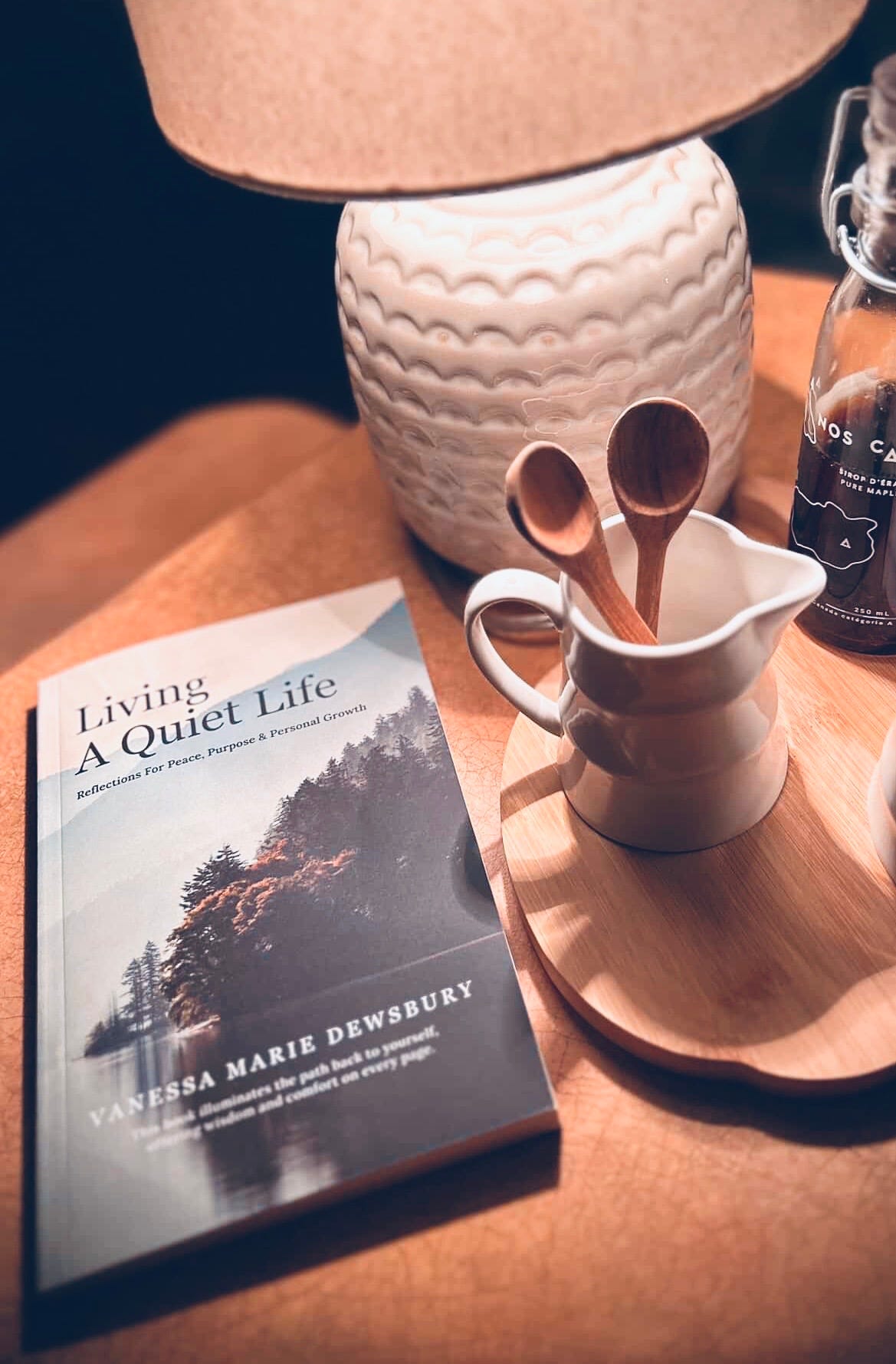
Living A Quiet Life: Reflections For Peace, Purpose & Personal Growth
No posts
Comments
Nothing yet. Say the first thing.
Sign in to join the conversation.