
The UX of EdTech community is full of talented, thoughtful people working on products that support learning. Here are some folks to follow. I wanted to share some recent published work from several of them.
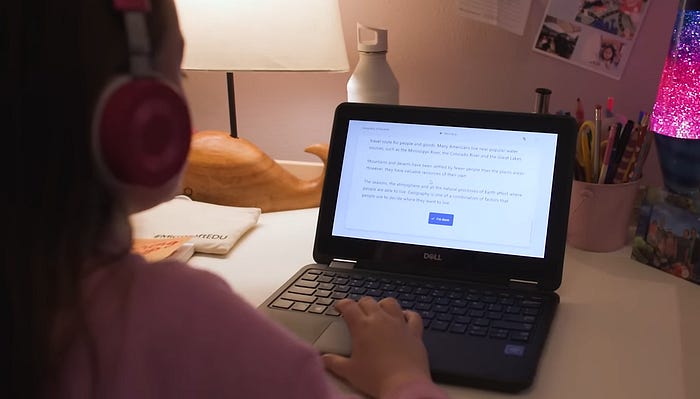
→ The UX Journey of Reading Products at Microsoft Education by Alex Darrow
“Microsoft recently turned 50 and its golden anniversary has generated a lot of buzz about the company’s technology contributions over the last half-century. While Microsoft is known for its operating systems and productivity software, little known to most is that a fifth of that time has been spent building free reading products for the world.”

→ Designing a Search That Works in EdTech by Christian Rossi
“Search isn’t just a box at the top of a page. It’s one of the most powerful features in any EdTech product. Educators rely on it to find lesson plans, activities, videos, anchor charts, and more. When search works well, educators can discover the content your product offers. When it fails, it becomes a frustrating barrier that impacts teaching and learning.”

→ Design Hacks for Math Games by Ernest Liu
“When Nick (PlayMath.org CEO) and I were at Epic, we would often watch kids scroll endlessly through rows of book covers without choosing, much like how we scroll through Netflix for hours only to give up and close out. This is a phenomenon known as Hick’s Law (or Choice Paralysis), where the abundance of choice leads to indecision.
So we thought to ourselves, 'Selves, what content platforms have solved choice paralysis?’”

→ Do We Know Better Than Our Users? by Josh Singer
“The field of EdTech is swimming in information. On one side, we have an abundance of academic research on efficacy, identifying teacher practices that lead to positive student outcomes. On the other, we have an equally massive body of data on what actually goes on in the classroom, including how teachers and students use our products.
What do we do when the two appear to be out of alignment, when what teachers do doesn’t match with what researchers recommend?”

→ Co-Designing with Parents and Children: UX Research in the Living Room by Dobrian Dobrev
“Designing EdTech for early childhood means designing for two very different, yet deeply intertwined users: the curious, playful child and the watchful, protective parent.”

→ Why are EdTech Tools Typically Designed for Adults? by Natalie Chow
“Conducting research with K-12 students often requires more buy in and planning than research with adults. You may need to meet legal requirements, seek approval from leadership, obtain permission slips signed by parents, and/or submit to background checks — all dependent on how and with whom you’re conducting research. It’s important to begin these conversations, show stakeholders that student input is important, and move towards conducting research with students.
You will want to plan the research differently as well.”
Our Editorial Lead, Emily Lange, has done an exceptional job at helping these stories come together.
What stories are we looking for? (Article) →
Write for us. Gain visibility and grow your network.Community (Website) →
Are you a designer, UX researcher, UX writer, or learning specialist working in the EdTech space? Consider joining our Slack community.
Comments
Nothing yet. Say the first thing.
Sign in to join the conversation.