The **Urban Political** delves into contemporary urban issues with activists, scholars and policy-makers from around the world. Providing informed views, state-of-the-art knowledge, and unusual insights, the podcast aims to advance our understanding of urban environments and how we might make them more just and democratic. The **Urban Political** provides a new forum for reflection on bridging urban activism and scholarship, where regular features offer snapshots of pressing issues and new…
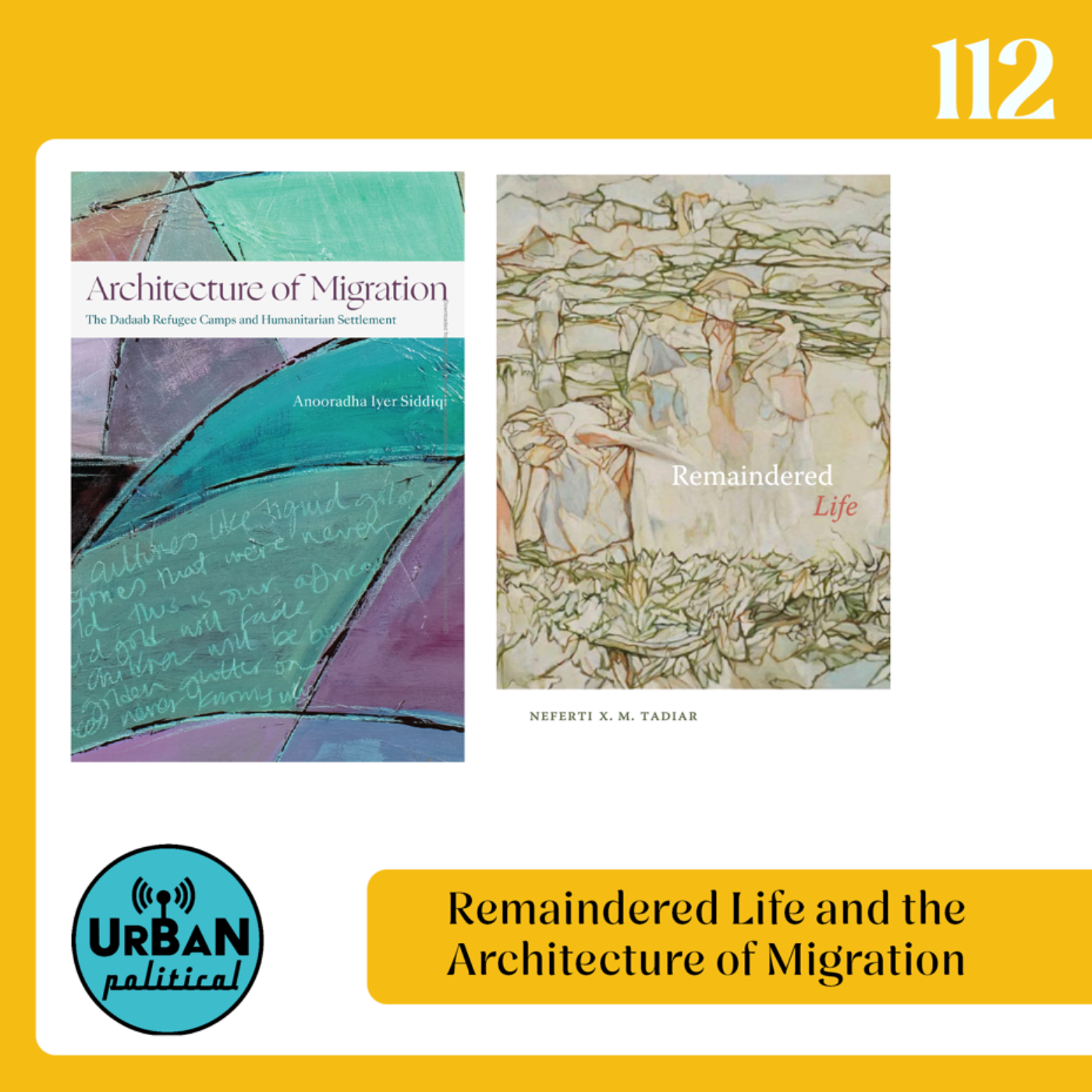
Amid endless wars, authoritarianism, neocolonialism, and displacement, millions are being uprooted, while pervasive uncertainty grips millions more. As the world is remade through what some have described as neo-illiberalism, the very façade of humanitarianism, and indeed the boundaries of who counts as human, is beginning to unravel. Contemporary capitalism, imperialism, and colonial power…
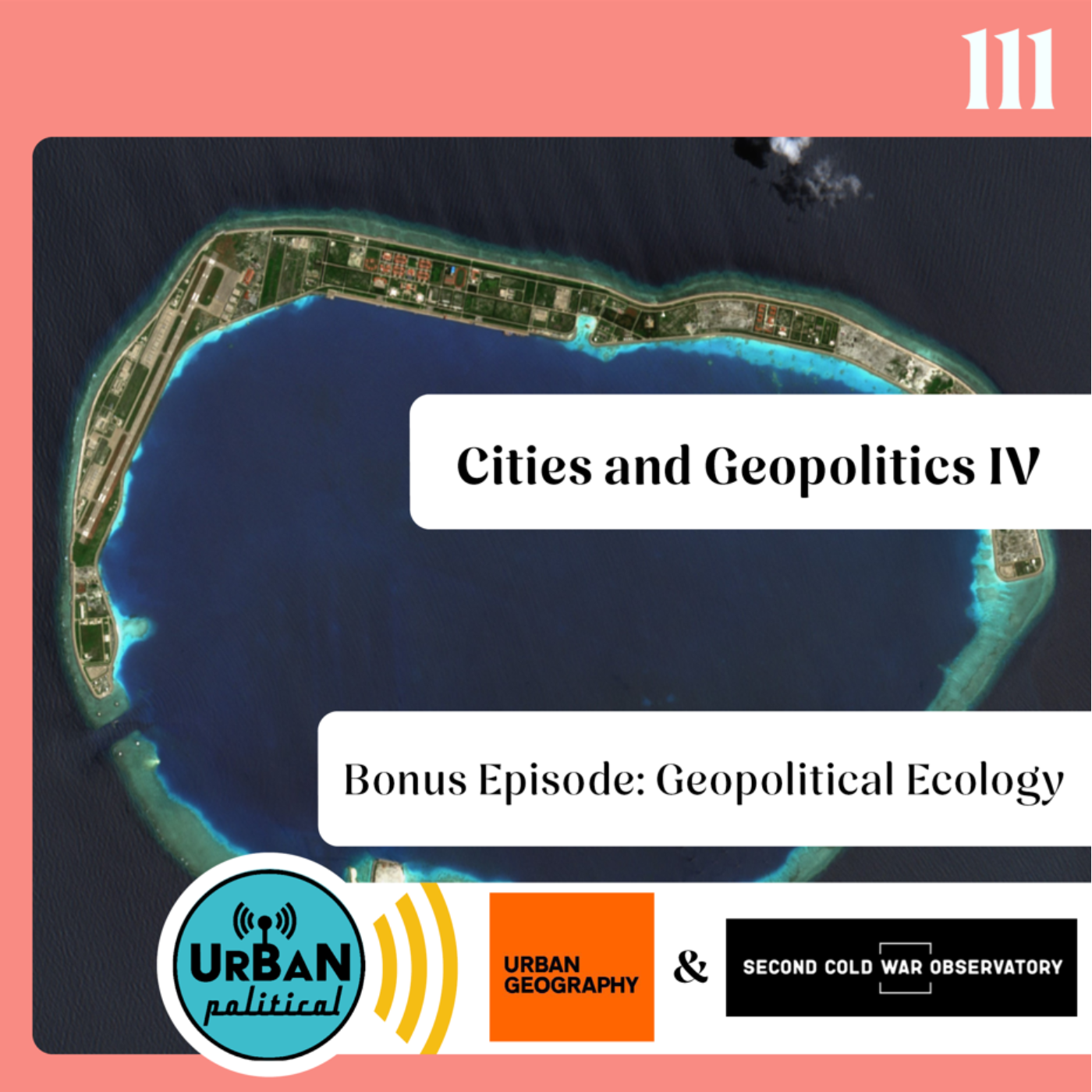
What happens when we bring questions of power, territory, infrastructure, and ecological transformation into the same conversation? In this bonus episode of the Cities and Geopolitics miniseries, Nitin Bathla is joined by Malini Ranganathan and Garrett Graddy-Lovelace to explore the emerging field of geopolitical ecology. Moving beyond conventional understandings of geopolitics as a matter of…
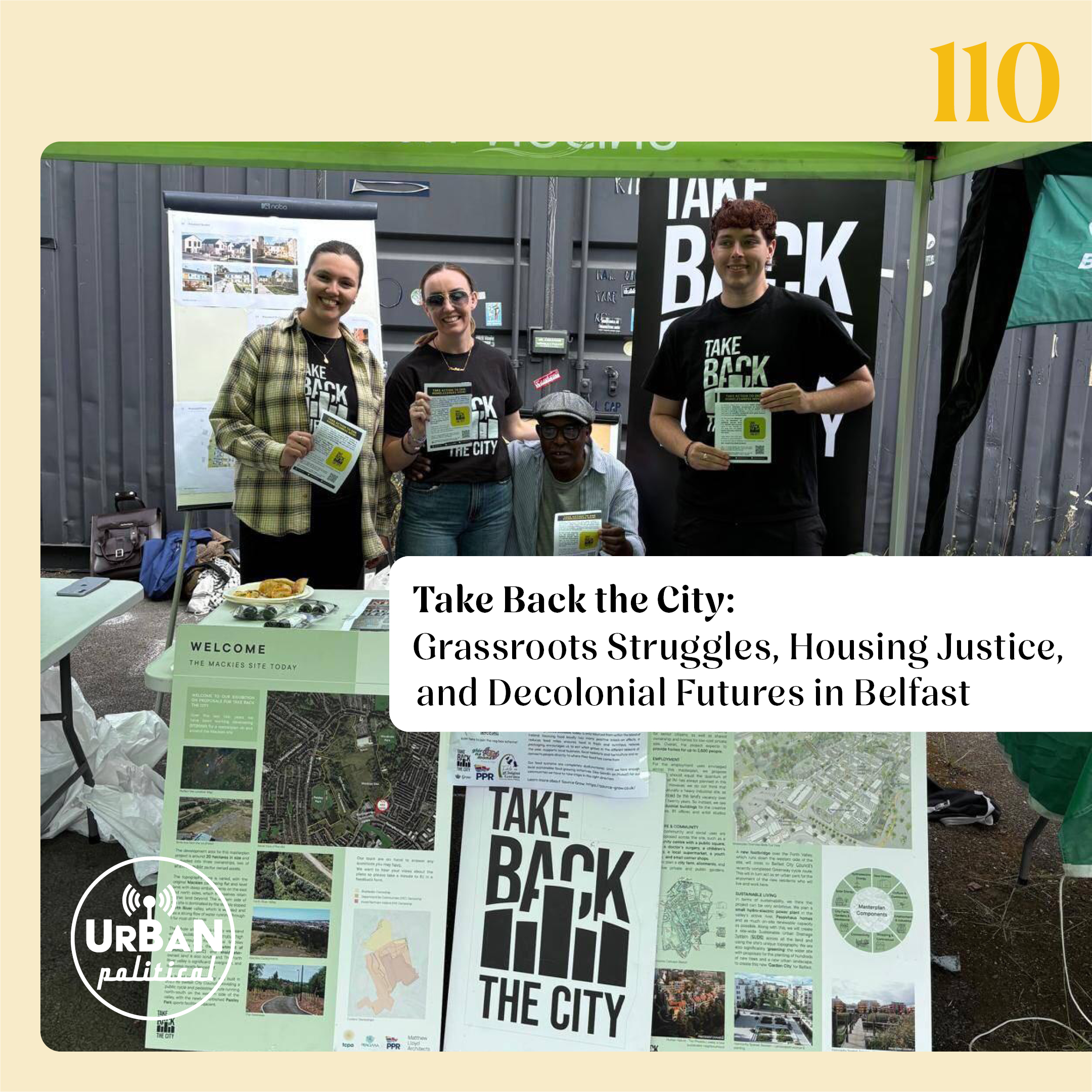
This podcast episode explores the political production of urban space in Belfast through the lenses of housing justice, grassroots organising, insurgent planning, and collective rights to the city. Developed as part of the Change Stories Project, the discussion draws on the experiences of the Take Back the City campaign and the work of Participation and the Practice of Rights (PPR), the discussion…
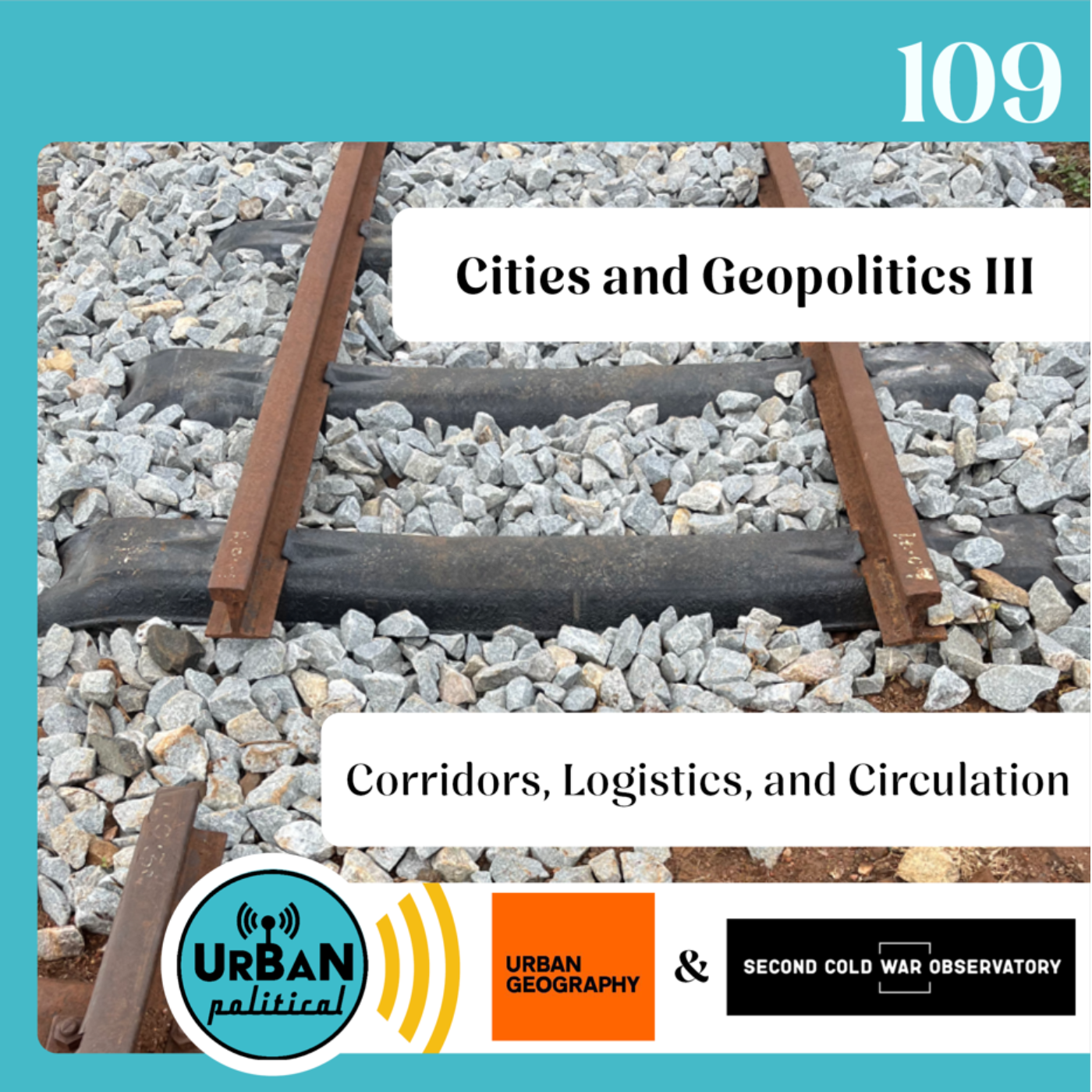
The third episode of the Cities and Geopolitics series explores the spatial and operational logics of circulation, examining how the movement of goods, capital, data, and people is organised, accelerated, and contested across urban and regional space. Our guests discuss how circulation has become a central terrain of geopolitical strategy, focusing on a range of infrastructures, from economic…
The second episode of the Cities and Geopolitics series turns to the material architectures through which geopolitical power is organised and exercised. From energy grids and digital networks to ports, logistics hubs, and semiconductor infrastructures, contemporary geopolitical rivalries are increasingly mediated through complex, often invisible, urban systems. This episode explores how…
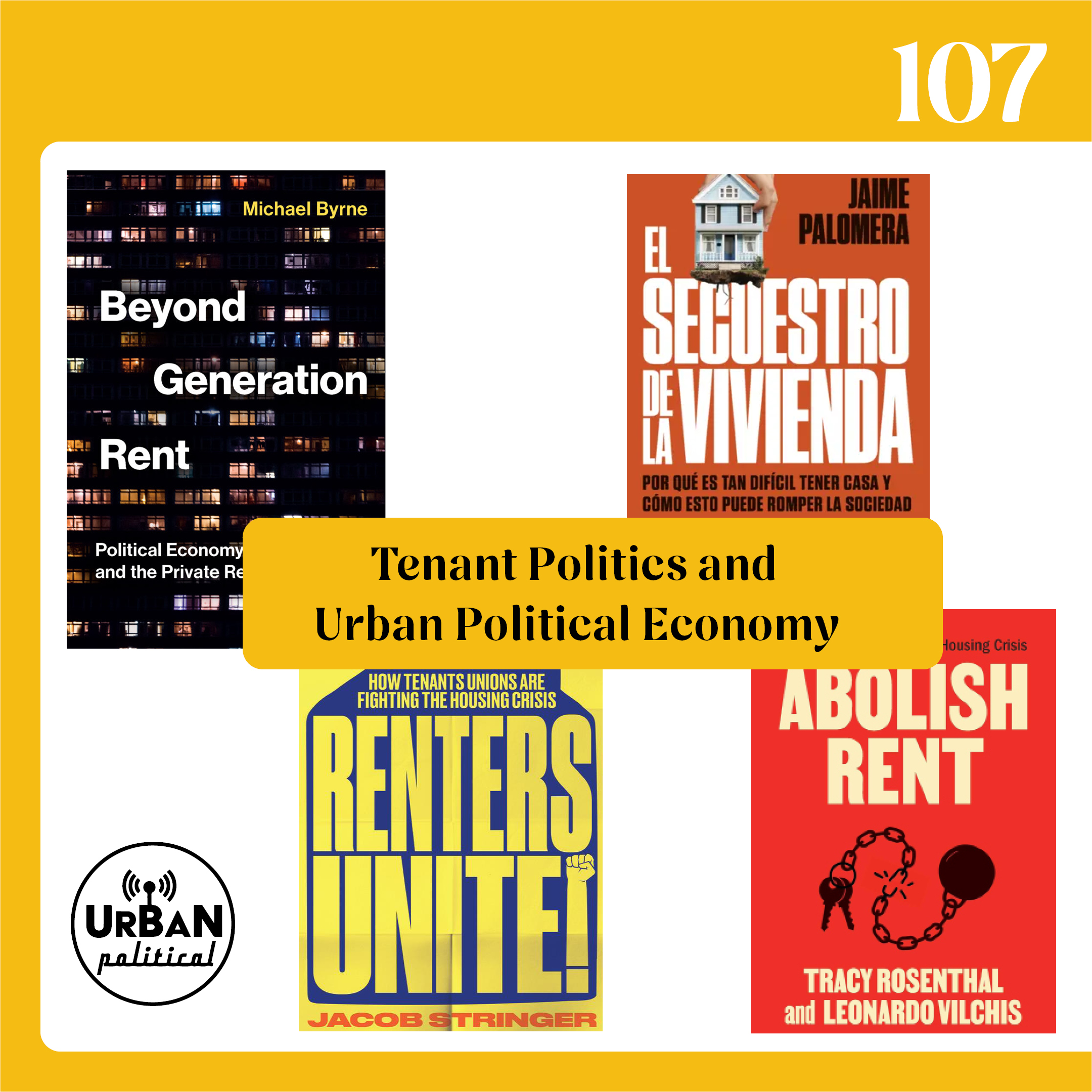
Within the last years four books have been published exploring the political economy of the private rental sector, with a focus on inequality and resistance. This episode would bring together all four authors (see below) to explore the political economy forces driving the growth of the private rental sector and associated forms of housing injustice (e.g. unaffordability, evictions), the analytical…
In an era of intensifying geopolitical rivalries, the terrains of global power are increasingly being reconfigured through the infrastructure, economies, and everyday rhythms of urbanisation. From semiconductor supply chains and energy transitions to port expansions, data centres, and housing markets, urban space has become a critical arena through which geopolitical strategies are organised,…
While the first episode on the transformations of the local state focussed on current authoritarian takeover in different European contexts, this episode will zoom into the progressive possibilities of local state transformations. The episode discusses institutional changes within the local state, the role of other political actors and geographical scales as well as the limitations of localist…
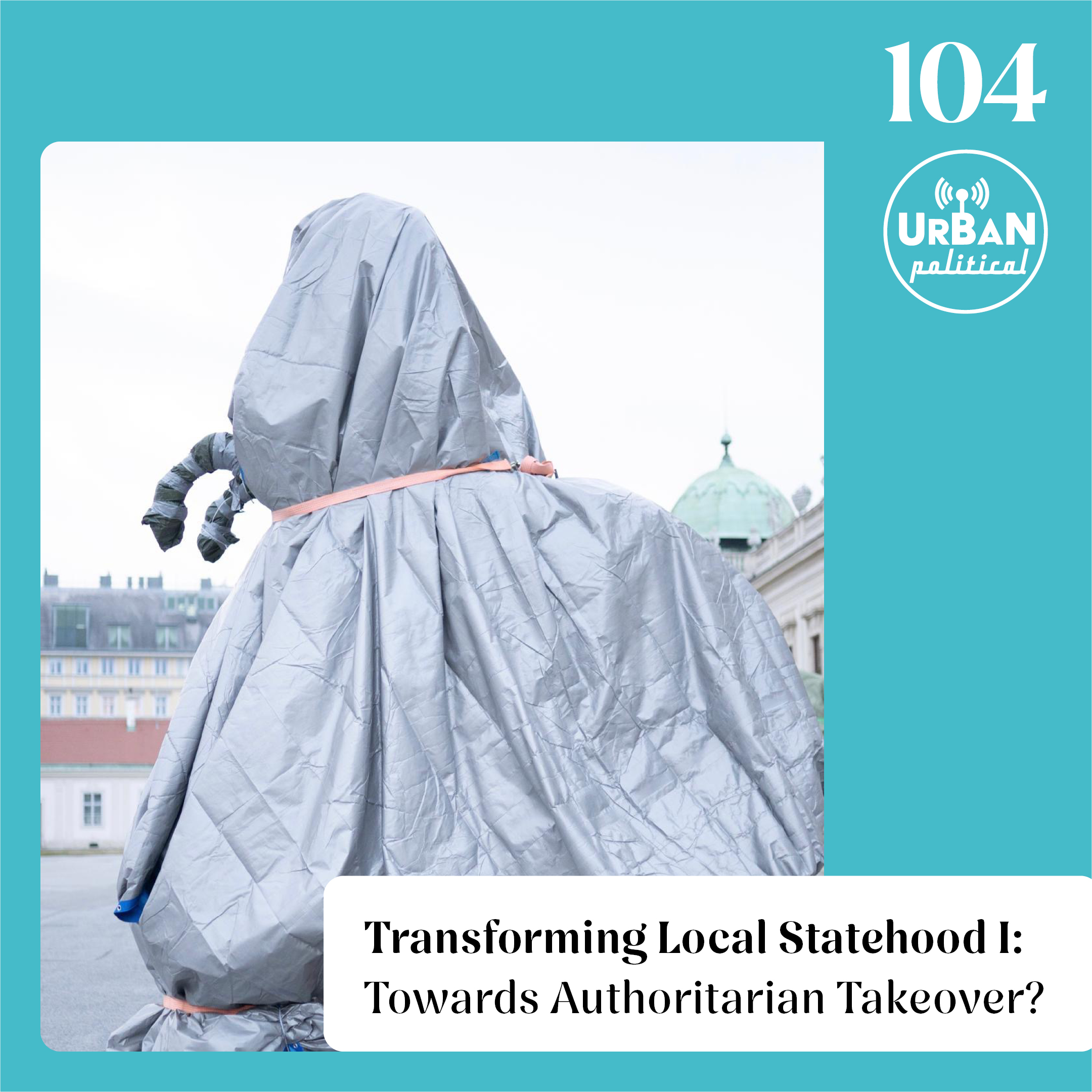
Across Europe, local states are in a dire predicament, experiencing the consequences of austerity cuts, shortage of staff as well as a lack of trust in (local) government. Overlapping crises such as climate change, military conflicts and displacement, precarious provisions of public services, the production of so-called left-behind spaces and the rise of the far right pose severe challenges to its…
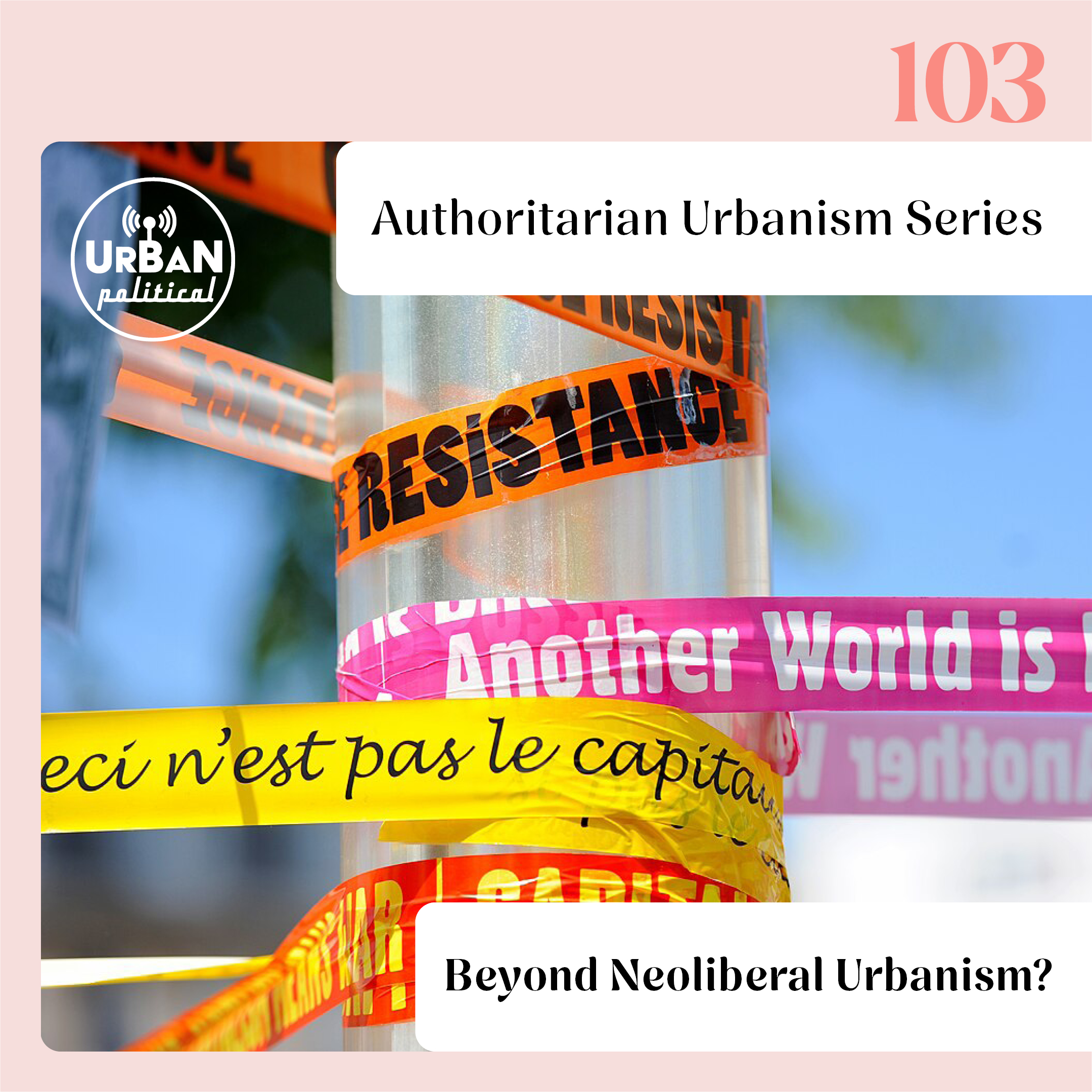
Are we seeing the emergence of a new conjuncture for urbanism? The final part of our mini series asks whether authoritarian neoliberalism has created the conditions for a more illiberal and distinct type of urban governance . Authoritarianism is not new to neoliberalism – the Pinochet regime, Thatcherism in the UK – these were evidently authoritarian and neoliberal, and given crises and stagnation…