
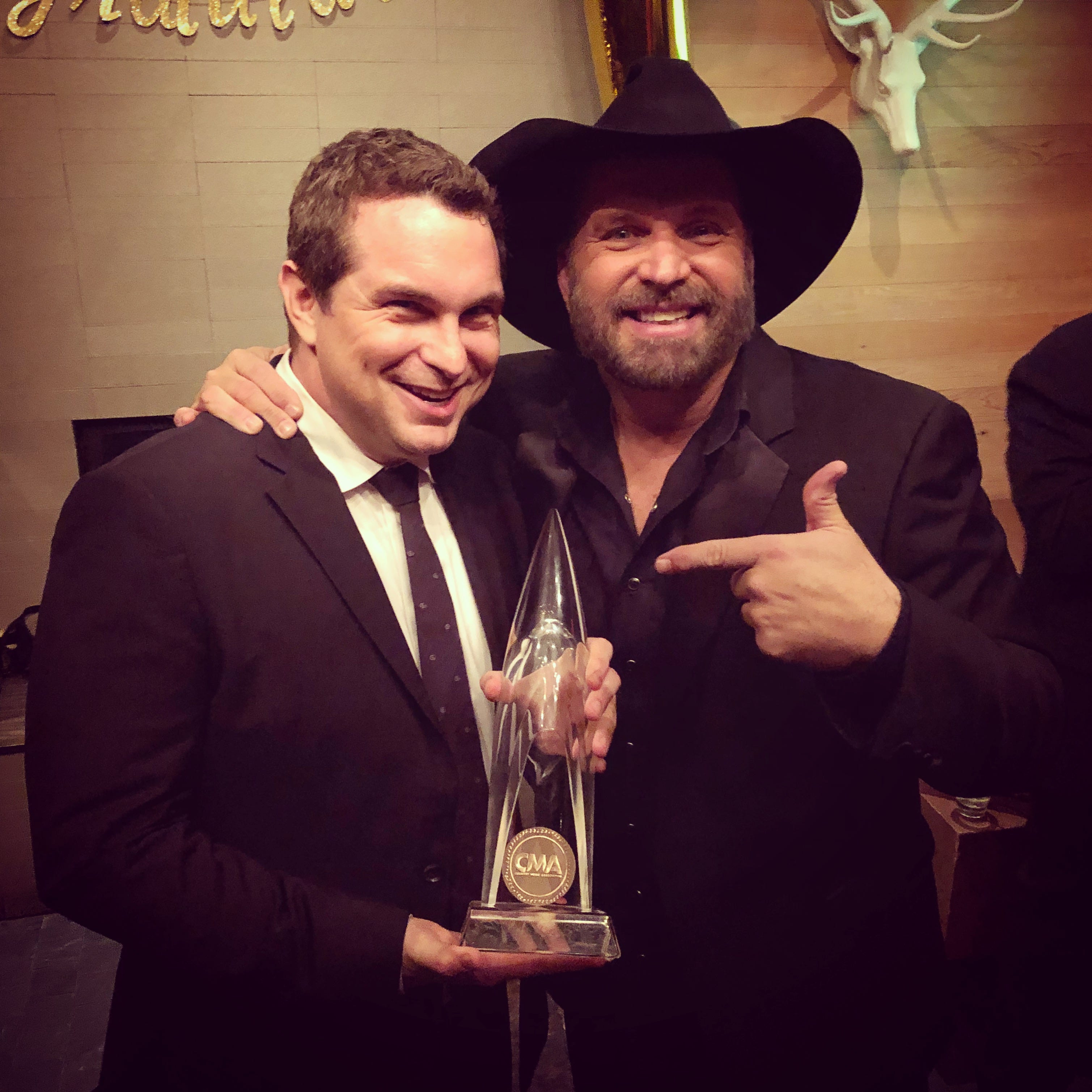
I was just 11 years old when I saw Garth Brooks for the first time live on October 9, 1992 in Birmingham, Alabama. I’d never seen anyone electrify an audience like that before. All these years and hundreds of concerts later, and only a handful of icons like Tina Turner and Bruce Springsteen and Beyoncé have come close to matching the energy at that Garth show. It was nothing short of a religious experience, and I was all in on country music from that day forward.
Garth’s kind of country was progressive, expansive, and exciting. His current single at the time of that concert was “We Shall Be Free,” which is about as woke a song as has ever been played on country airwaves to this day. In the fall of 1992, Garth had the clout to take some big chances like that. He was leading millions of people to tune in to country stations because he was THE biggest-selling artist in the music industry, and not one of his songs could be heard on the pop or AC stations. Garth made it clear that he was a country artist, and he wasn’t going to chase pop airplay. He’d passed the country loyalty test.
At this time, Garth’s impact on country radio and album sales could be measured in a way that had previously been impossible thanks to new technology. In 1990, radio airplay started being monitored digitally with Broadcast Data Systems, or BDS, meaning every play was counted by computer thanks to a song’s “audio fingerprint.” Starting in 1991, the Soundscan system began tabulating album sales based on barcode scans instead of the manual reports from record store chains and music distributors. This removed any music industry bias against country music that may have skewed the metrics before, and the hard data showed folks were buying Garth albums in extremely large quantities.
Now, country artists like Randy Travis and Alabama had scored multi-platinum albums in the ‘80s, but Garth blew right past their records with his sophomore album, No Fences, led by the mega-hit “Friends in Low Places.” Then his third album, Ropin’ the Wind, became the first country album to debut #1 on Billboard 200 thanks to those Soundscan figures.
Garth was now in the driver’s seat defining what country music sounded like and writing a brand-new playbook on how the business was run. So, what was the first single released from The Chase, the follow-up to Ropin’ the Wind? A pro-equality, anti-hunger and poverty, environmentally conscious, LGBTQ+-affirming lead single called “We Shall Be Free.”
The song was written in the aftermath of the L.A. Riots sparked by the acquittal of four police officers in the beating of Rodney King. Garth confirmed to Billboard that the line in the song, “When we’re free to love anyone we choose,” was written in support of LGBTQ+ people as well as folks in interracial relationships facing discrimination. And he wasn’t about to water down his message despite the blowback he was sure to face.
In Billboard’s September 29, 1992 issue (Just before I saw him live on October 9), Garth said, “Unfortunately, a lot of ignorant people are in the spotlight…
Comments
Nothing yet. Say the first thing.
Sign in to join the conversation.