
By 1979, the Muppets were a hit, they had conquered television, but Henson kew that for a movie to work these characters would have to exist in the real world. To accomplish this Jim Henson did many things to create that illusion including performing inside a a jet engine disguised as a swamp log and performing Kermit from underwater for three straight days and that was just the opening scene.
This week on Unspooled, Director BenDavid Grabinski (Happily, Mike & Nick & Nick and Alice) picked one of his favorites to
"The greatest thing that ever happened to television," - Orson Welles on The Muppets
The Muppets entered our world in 1955 on a show called SAM & FRIENDS It was a live-action and puppet sketch comedy show that aired from May 1955 to December 1961 on an NBC affiliate in Washington, D.C as a lead in to the TONIGHT SHOW.
The series centers around Sam, a bald headed, big eared man who escaped the harshness of everyday life with the help of abstract friends that he created based on parts of his life. His friends included Yorick, Professor Madcliffe, Chicken Liver, Harry the Hipster, and Kermit. These characters popped up in TV shows, Commercials and more over the years until they eventually got their own show, THE MUPPET SHOW
But they never had a true origin story where did these characters come from? So Jim Henson had an idea the Muppet Movie would be a road comedy how Kermit left the swamp, picked up the gang one by one, and ended up famous.
Henson went out directors of the Muppet show for the film and reached out to James Frawley an emmy award winning TV director who came out of off-Broadway improv and TV work on The Monkees as well as a large ensemble parody film THE BIG BUS which was a play on the the disaster movies of the time and was 4 years before AIRPLANE.
Henson liked that Frawley understood how to keep pace with Henson's collaborative, everybody’s opinion counts work ethic. But before committing to the shoot, Henson and Frawley ran an outdoor screen test in Frogmore, outside London to see what it would look like if the Muppets were ACTUALLY in the real world.
“We always used to kid Jim that after telling everybody that ‘simple is good,’ he would turn around and try to produce the most complicated work in the world.” - Jerry Juhl, Screenwriter
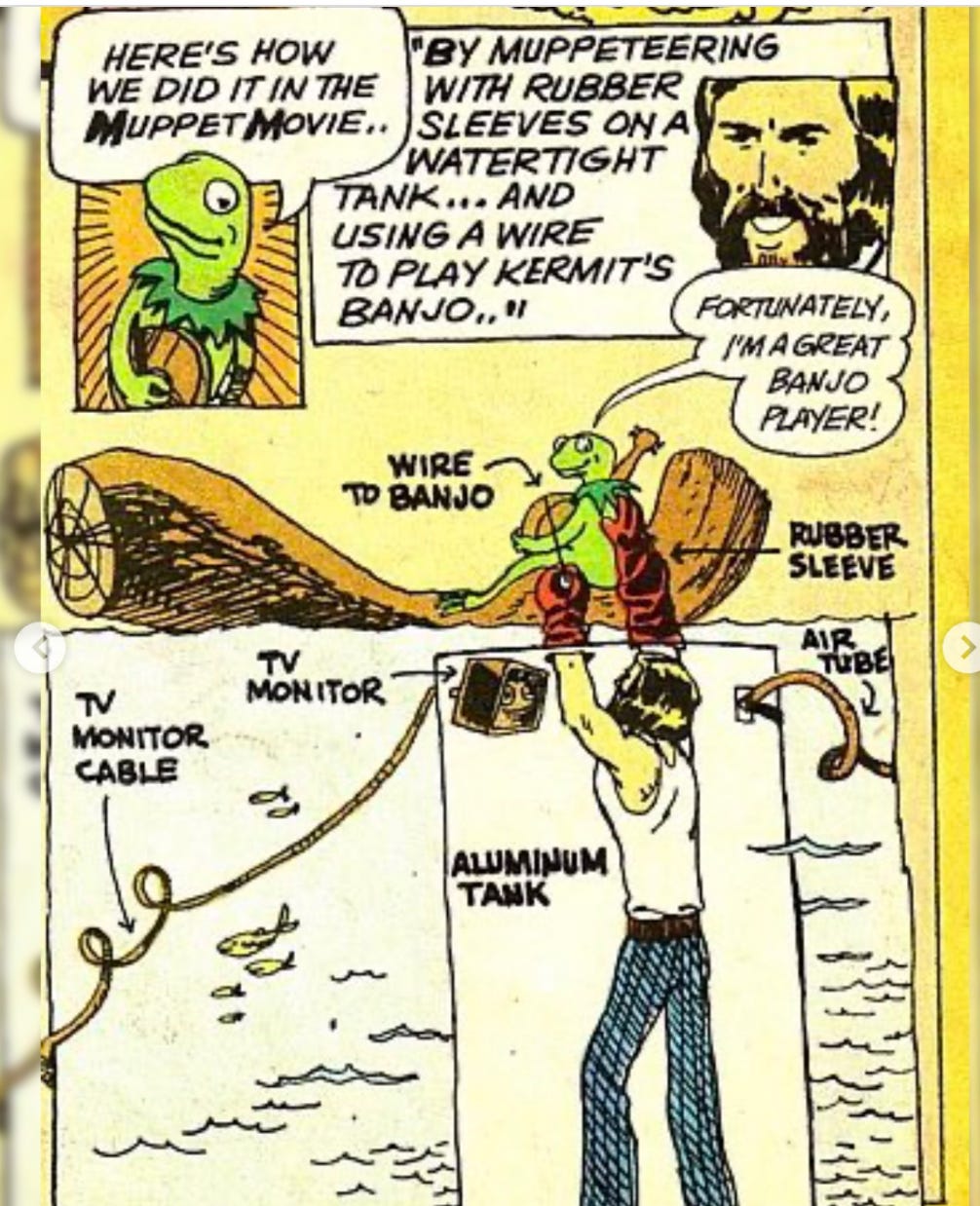
The opening “Rainbow Connection” might seem to be the simplest scene in the film, a lone frog sitting on a log playing a banjo but it truly was a engineering feat. Henson operated the puppet from inside a custom built bathysphere assembled from two jet engine containers, with rubber sleeved arms reaching out, a monitor feeding him a video and audio feed of his performance.
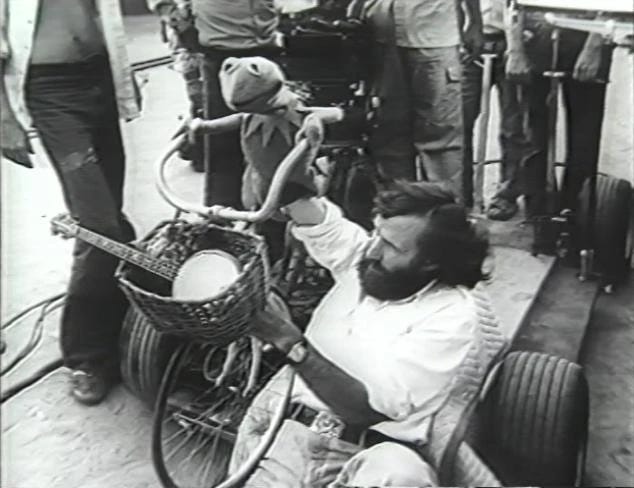
“Every time I show the film -- whether it’s to film students at USC or UCLA or I’m going to a festival -- that’s always the first question: How did Kermit ride the bicycle? And my stock answer is: I put him on a three-wheeler until he got his balance, and then I put him on the two-wheeler.” - James Frawley
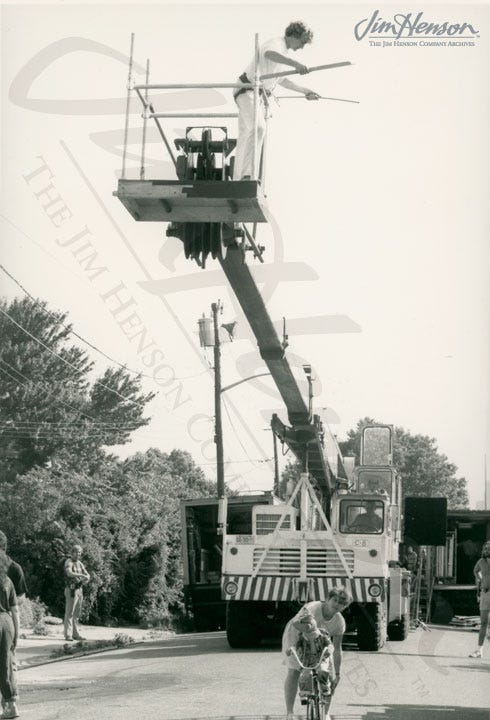
In wide shots, a Kermit marionette was operated from a crane by special effects supervisor Robbie Knott. In close-ups, Jim Henson operated a Kermit hand puppet from a low-rolling dolly.
Dave Goelz gave additional insight
“With The Muppet Movie, we had a very sophisticated bicycle rig that was a little radio-controlled car that was mounted in the bike between the front and rear wheels, and it had a mirror on it so it reflected the ground in front of the bicycle (as you saw from the camera’s point of view), but it broke just before we had to shoot the bit, and so we ended up doing that with three strings from a camera crane, and there were many many takes and we ran out of time finally and never got it to work right. He was always kind of tilted on the bike -- if you look at the final take in the movie, he’s not really riding a bike that’s straight up and down, it’s kind of tilted over to the side.”
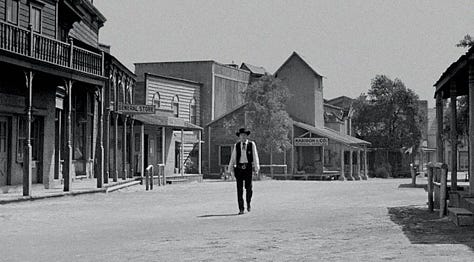
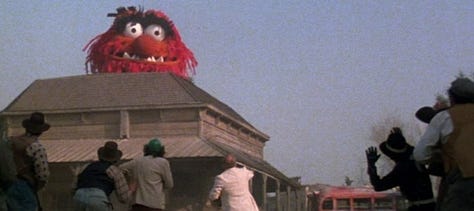
In the film’s climax which was shot in the same location as HIGH NOON Animal eats Dr. Bunsen Honeydew’s Insta-Grow pills, causing him to grow larger than a building. Jim Henson refused to use a miniature set, so his crew built a massive 60-foot-tall Animal head.
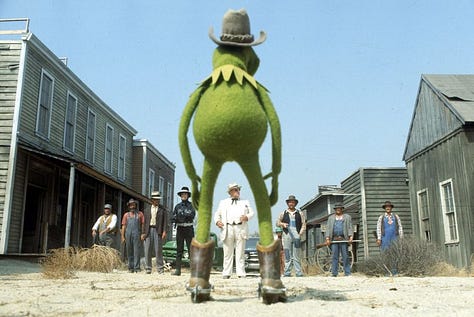
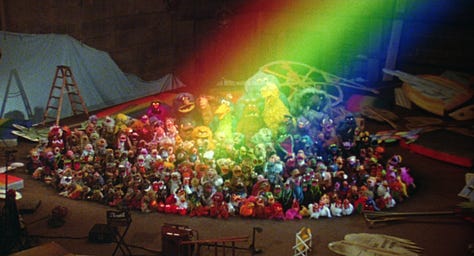
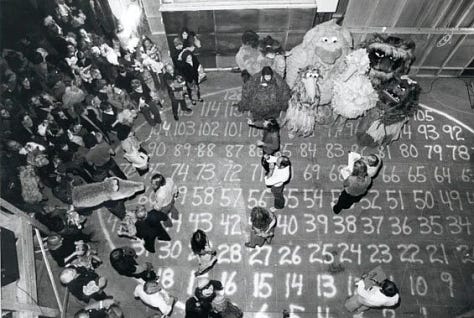
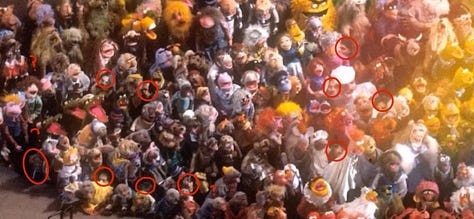
In the finale we see many of the muppets all together under a rainbow. It’s a beautiful shot but it was COMPLICATED! There are more than 250 Muppet characters on screen with 137 puppeteers hiding around them. The scene took an entire day to shoot and several of the puppeteers were called to help from the Puppeteers of America who all took a crash course from Henson and Oz in the art of cinematic puppetry. But even with the best positioning you can see a few human heads in the shot.
The cameo list is a who’s who of 70’s entertainment legends and comedy stars. Edgar Bergen, Madeline Kahn, Steve Martin, Richard Pryor, Mel Brooks, Elliott Gould as well as Orson Welles!
The Muppets had many famous supporters who all showed up for the film, Orson Welles was such a fan he even noticed the color of a Muppet’s hat had changed for the film
Steve Martin “The insolent waiter”
Martin described a genuine, almost childlike stake in the outcome. Working opposite puppets, he said, still triggers “this weird thing that you want them to like you” he remembers actively hoping Kermit approved of him.
Elliott Gould “The beauty pageant chairman”
Gould pushed producer Lew Grade directly to be cast, on the strength of already having met Henson and having worked with the Muppets on Saturday Night Live and The Electric Company. Gould has called it a credit that “pleases” him, and noted he may be the only actor to appear in more than one Muppet feature.
Richard Pryor “The Balloon Vender”
Jim Henson was famously a huge admirer of Pryor's comedic genius and also directed him in a classic Sesame Street ep where Pryor demonstrated the concept of sharing. Pryor loved the Muppets so much, he actually used puppets in his own Saturday Morning show, Pryor’s Place, but his were designed by Sid And Marty Krofft
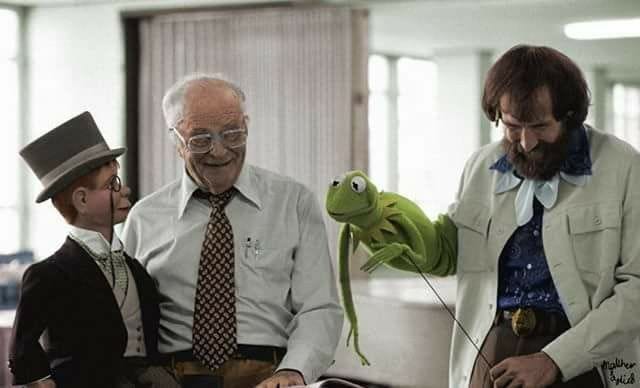
Dear Jim — Keep the Magic Alive - Edgar Bergen and Charlie McCarthy
Bergen was one of Henson's personal heroes growing up. Henson had watched him on The Chase and Sanborn Hour with Charlie McCarthy as a kid, and that early impression stuck with him and shaped a lot of his puppeteers' sense of what ventriloquism and character work could do. Casting Bergen as one of the beauty pageant judges in The Muppet Movie was as much a tribute as a cameo. Bergen died shortly after filming his scenes in September 1978, it was his final screen appearance. Henson dedicated the film to him.
Every song in the film came from the same two people: Paul Williams and Kenny Ascher. Their first task was the hardest one. Kermit needed an opening “I am” song. Williams and Ascher used “When You Wish Upon a Star” from Pinocchio as their guiding light. They finished the entire song, including the closing line about “the lovers, the dreamers, and me,” before they had a title. While discussing their titling frustration over dinner with Williams's then wife, Kate Clinton, Williams repeatedly stated they were looking for a "rainbow connection." Clinton pointed out he had said the phrase multiple times, inspiring them to name the song exactly that.
The Rainbow Connection was Kermit’s signature song and has since been covered by everyone from Willie Nelson to Weezer.
The film was a box office hit, it was actually one of the most profitable films of the decade. It was was Academy Award nominated for Best Original Song for "Rainbow Connection," In 2009, the Library of Congress selected The Muppet Movie for the National Film Registry and the rest is history as the Muppet Franchise continues to grow and change with each passing generation all while trying to retain the joy and creativity that was instilled in it by Jim Henson.
Thanks for reading Before You Watch! This post is public so feel free to share it.
See Paul in LA at LARGO on 7/22
Unspooled has a YOUTUBE, subscribe now and don’t miss a thing.

Are you following us on Facebook?
Want Paul to sign and personalize a book just for you? It can happen

No posts
Comments
Nothing yet. Say the first thing.
Sign in to join the conversation.