
History is often told through major events, court cases, and political movements. But sometimes it can also be found in the laws that governed everyday life and the people who challenged them. For more than 140 years, St. Louis enforced an ordinance that regulated how people could dress in public, shaping the experiences of generations of queer, transgender, and gender-nonconforming residents.
Join us on Thursday, June 18, at Leviathan Bookstore, 3211 S. Grand Blvd., for our next Unseen STL History Talk, Dressed to Defy: St. Louis and the History of Anti-Drag Laws. In recognition of Pride Month, local historian and archivist Miranda Rectenwald will explore a little-known chapter of St. Louis history and the people whose lives were affected by it. Doors open at 6:30 p.m., the talk begins at 7 p.m., and the cover is $5. (Note: our cover charge helps support equipment and other expenses to bring you these talks. No one who wants to attend will be turned away for lack of funds.)
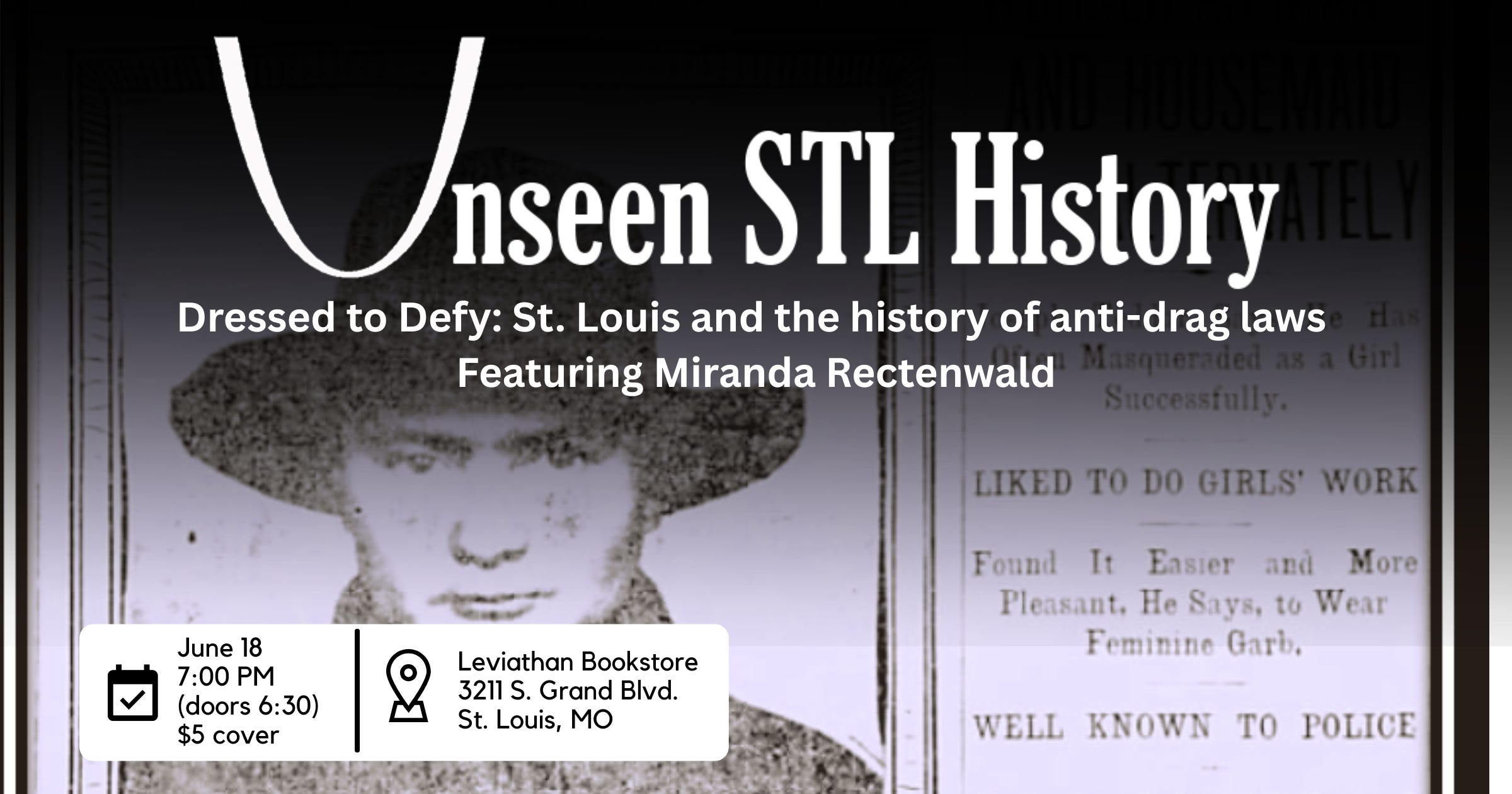
In 1843, St. Louis passed a law prohibiting people from wearing the clothing of the opposite sex. The ordinance remained on the books until 1986 (yes, just 40 years ago!) and was used for generations as a tool to harass and punish people who were queer, transgender, or gender nonconforming.
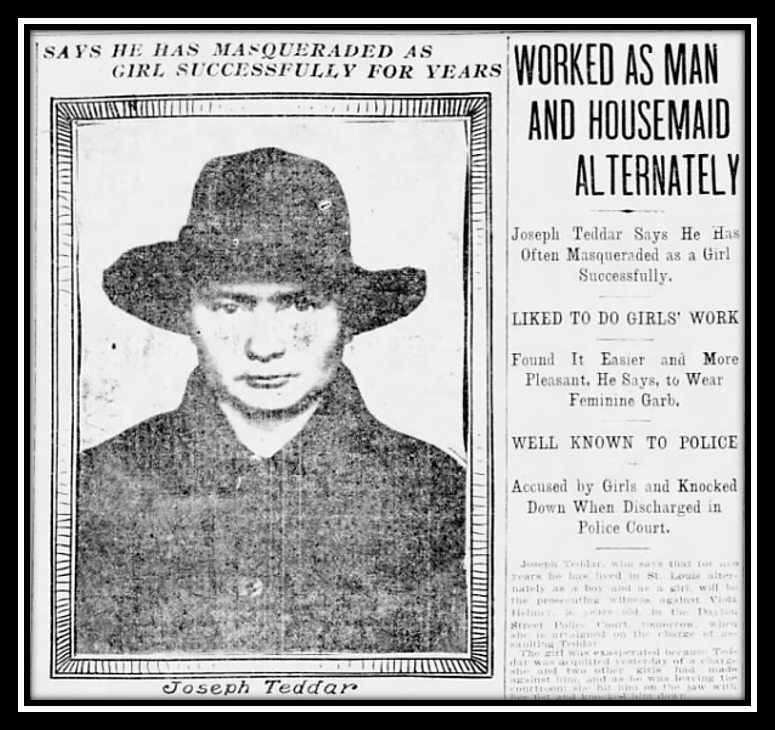
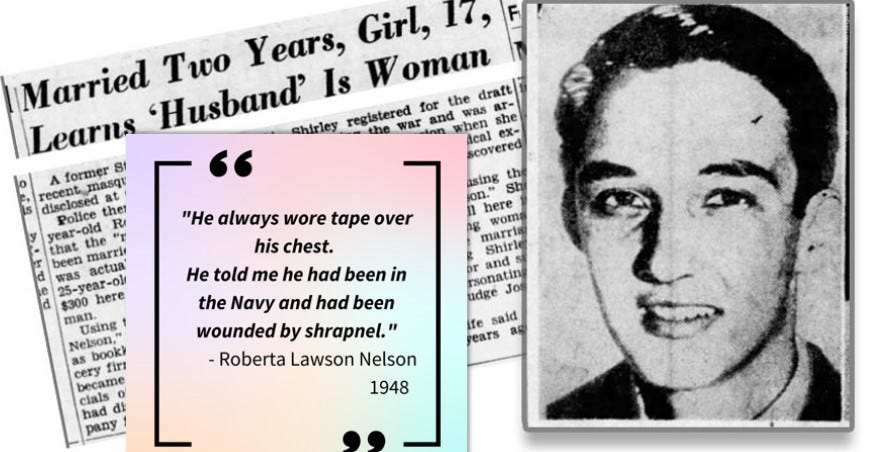
Drawing on newspaper accounts, legal records, and other surviving historical evidence, Miranda will explore how the law was enforced, how it was challenged, and its impact on the lives of ordinary St. Louisans. Along the way, we’ll explore the landmark case D.C. & M.S. v. City of St. Louis, which ultimately led to the ordinance’s downfall, and consider why this history still matters today.
Miranda Rectenwald is curator of local history collections in the Julian Edison Department of Special Collections at Washington University Libraries. A lifelong resident of the St. Louis region, she earned a BA in History from Webster University and an MA in History and Museum Studies from the University of Missouri–St. Louis.
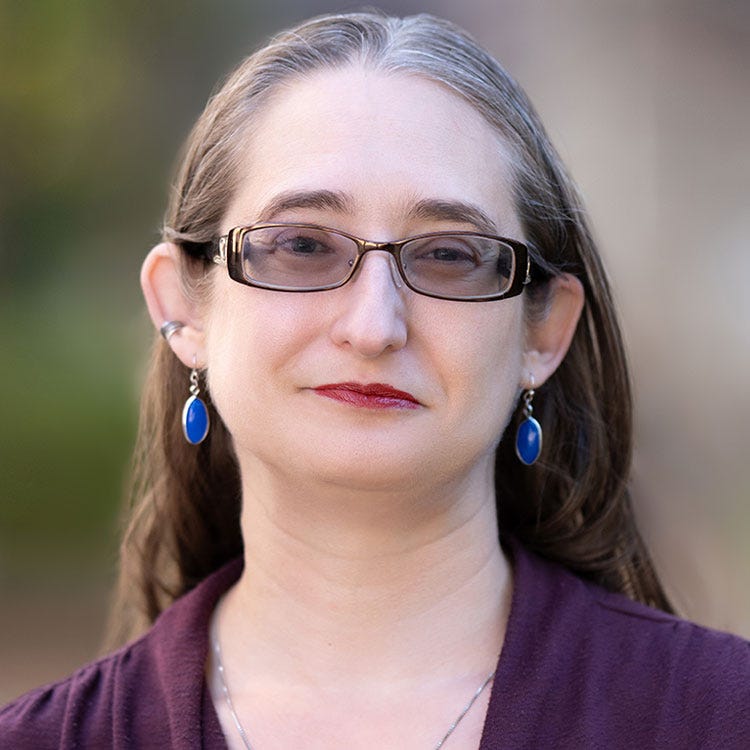
While at UMSL, she worked on the Old North St. Louis community history project, which led to the publication of From Village to Neighborhood: A History of Old North St. Louis with Dr. Andrew Hurley. Since 2016, she has also helped direct the Mapping LGBTQ St. Louis Project, a digital humanities initiative dedicated to documenting and preserving places associated with queer history throughout the St. Louis region. Follow them on Instagram to learn more about queer history initiatives and events in STL.
Through her work as an archivist, historian, and public scholar, Miranda has helped bring visibility to stories that have too often gone undocumented, unarchived, or overlooked.
This month’s talk offers a rare look at a chapter of St. Louis history that has too often been overlooked. Join us at Leviathan Bookstore as we explore the people, laws, and court battles that shaped LGBTQ+ life in our city for generations.
And don’t let your friends miss out — we’d love for you to share this post with everyone who might want to attend!
If you value this kind of programming, consider subscribing to Unseen St. Louis. Subscribers receive original history articles, event announcements, recaps, and audio recordings after the talks. Your support helps cover the real costs behind this work and keeps these conversations going.
Comments
Nothing yet. Say the first thing.
Sign in to join the conversation.