
Welcome back to Unseen St. Louis, where we uncover the people, places, and stories that shaped our city but somehow slipped through the cracks of popular history. Today I’m finally sharing an absurd story I first stumbled across several years ago, one that should be a St. Louis legend: how a judge and future mayor nearly came to blows with a lawyer right outside the Old Courthouse.
Not only is it a colorful anecdote from our city’s past, but it also opens a window into the world of the freedom suits in 1840s St. Louis.
Today, most people associate the Old Courthouse with Dred and Harriet Scott, whose freedom suit eventually reached the United States Supreme Court. By the time the Scotts filed their petitions in 1846, however, the courthouse had already spent decades hearing freedom suits brought by enslaved men and women seeking legal recognition of their freedom.
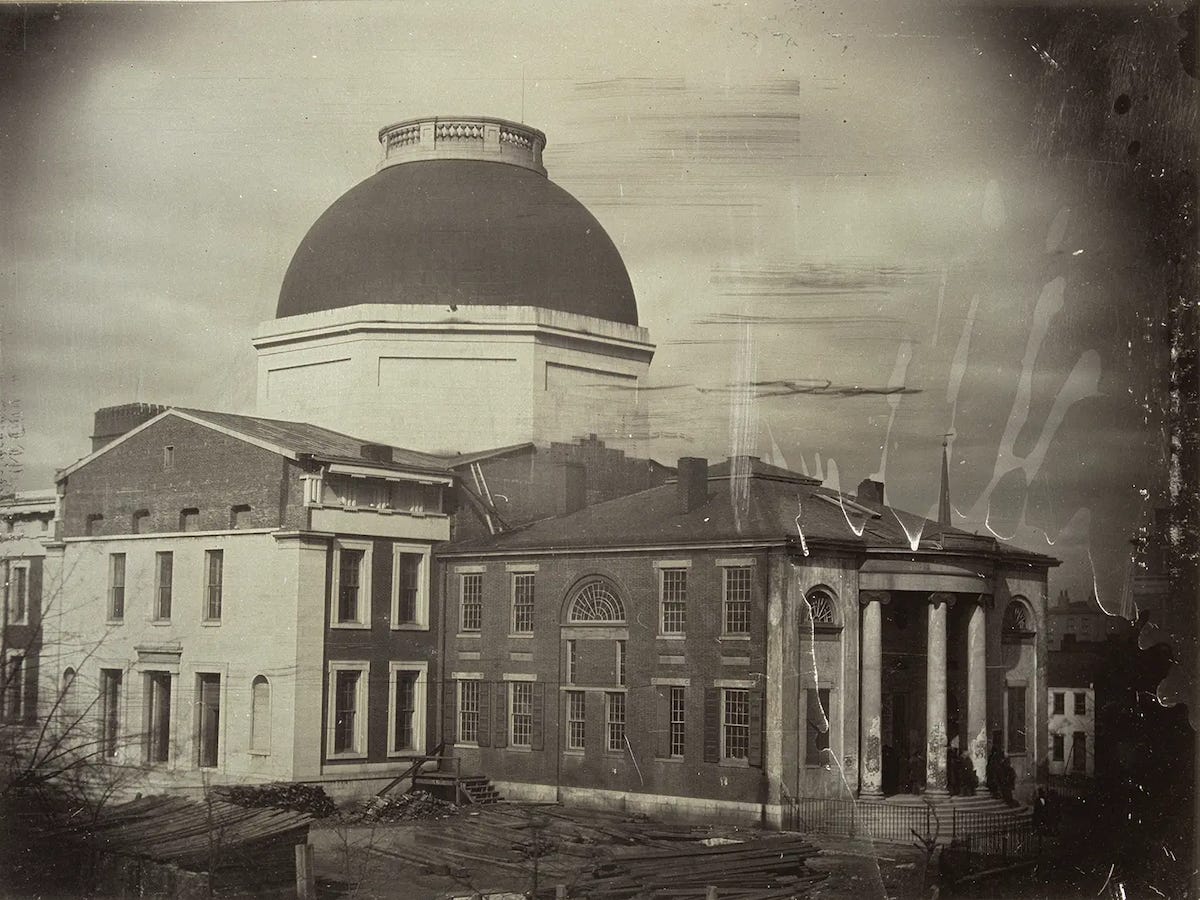
Missouri was a slave state, but for many years its courts recognized what became known as the doctrine of "once free, always free." Under an 1807 territorial law, any person held in slavery who claimed to be entitled to freedom could petition the courts, stating "the grounds on which the claim to freedom is founded." If an enslaver voluntarily took an enslaved person to live in a free state or territory, Missouri courts often held that the person could not legally be returned to slavery upon coming back to Missouri. Other plaintiffs argued that they had already been emancipated or had been promised their freedom. Each lawsuit asked the courts to determine whether someone was legally entitled to be free under existing law.
Between the 1820s and the Civil War, more than 300 freedom suits were filed in St. Louis, making the city one of the nation’s most important centers for this type of litigation.
If you’ve followed Unseen St. Louis for a while, you’ve probably encountered Bryan Mullanphy before. Philanthropist, businessman, mayor, defender of Elijah Lovejoy’s printing press, and benefactor of immigrants, he repeatedly turns up in early St. Louis history.
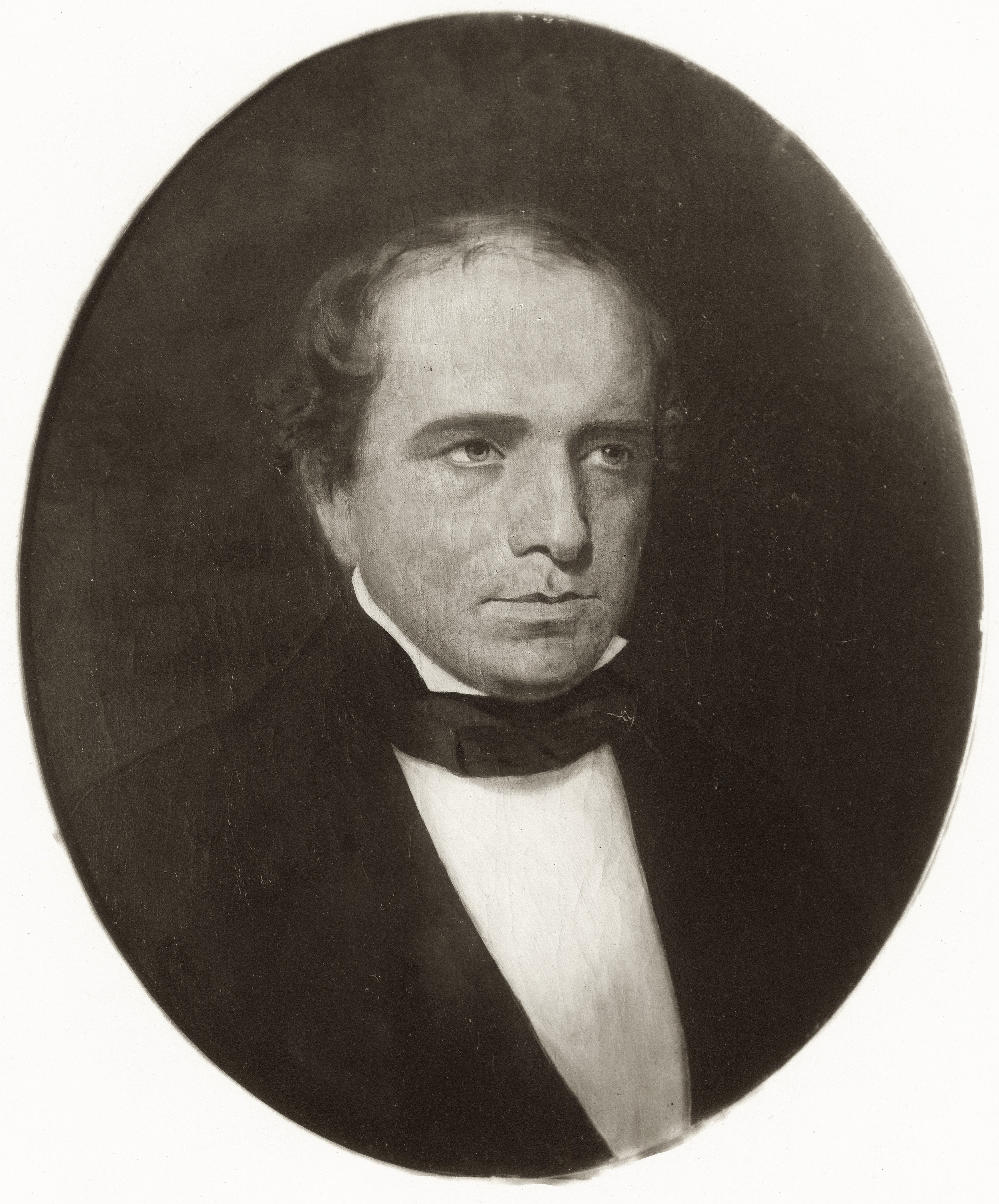
From 1841 until 1844, Mullanphy served as judge of Missouri's Eighth Judicial Circuit, presiding over cases in the St. Louis Circuit Court. He was one of only a dozen judges who presided over the hundreds of freedom suits heard in St. Louis between the territorial era and the Civil War. (Surprisingly, despite his role in those cases, he has received remarkably little attention in the modern scholarship on the topic.)
Much of Mullanphy’s circuit court docket survives through Washington University’s St. Louis Circuit Court Historical Records Project. The records include continuances, jury verdicts, deeds of emancipation, petitions, and other routine court business involving enslaved plaintiffs. Together, they make one thing clear: Mullanphy did not merely hear the occasional freedom suit. During his three years on the bench, freedom suits were a regular and recurring part of his judicial work.
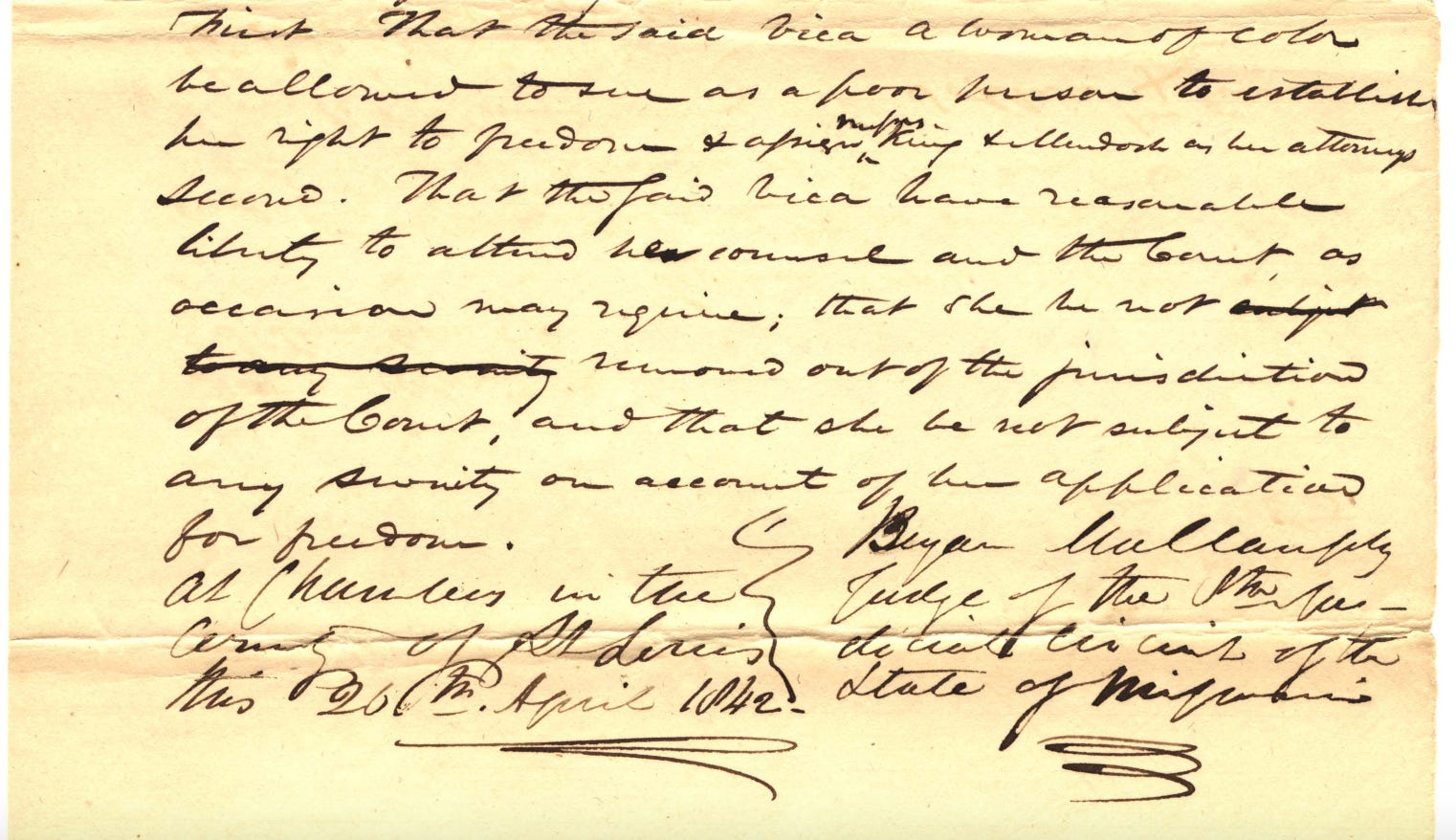
This historical record also preserves something even more remarkable. Rather than leaving every order to the clerk, Mullanphy personally drafted some of them himself. Several survive today in his own handwriting, such as the one below, offering a rare glimpse of the judge at work.
One of the people who appeared before Judge Mullanphy was Lucy Delaney, whose memoir, From the Darkness Cometh the Light, remains one of the most important firsthand accounts of slavery and freedom suits in St. Louis. Delaney remembered the moment a jury declared her free and Judge Mullanphy ordered the sheriff to release her immediately. “Thus I, a poor friendless child, was transformed into a free American citizen,” she wrote decades later.
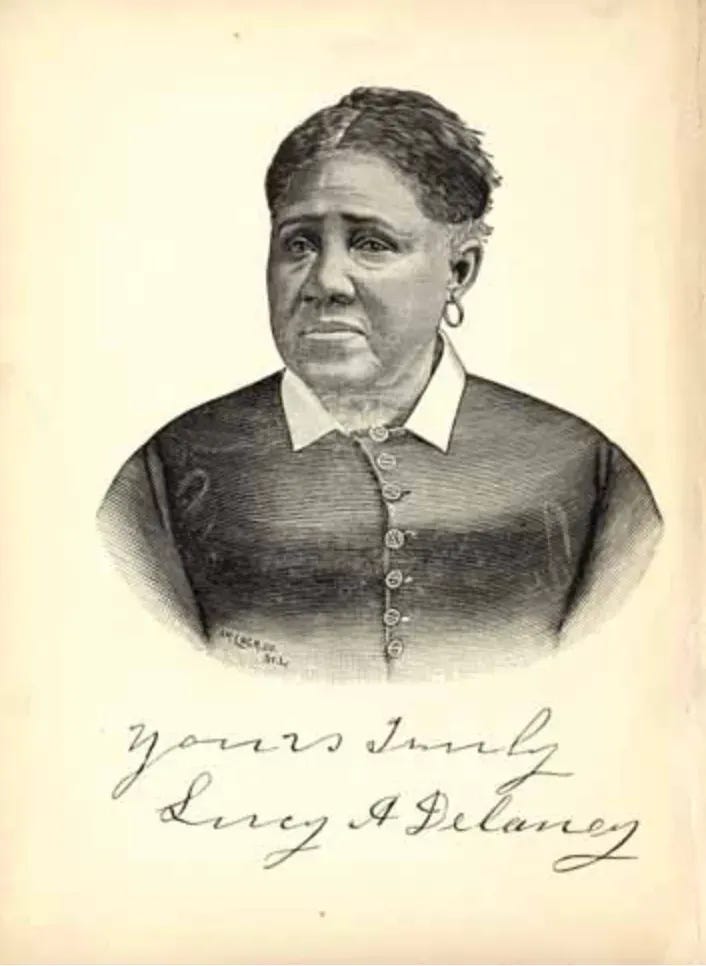
It’s one of the few surviving firsthand descriptions of Mullanphy on the bench, and a reminder that behind every freedom suit was a real person whose future depended on the court’s decision.
Three names appear in Mullanphy’s courtroom again and again: Gustavus Bird, Francis Butter Murdoch, and Ferdinand W. Risque. The three attorneys built thriving legal practices around freedom suits and became regulars in his courtroom. It is tempting to view them through the lens of modern civil rights litigation.
The historical record suggests something more complicated. Freedom suits were a significant part of their legal practice — and their income. Whatever their personal beliefs, they were lawyers whose livelihood depended on representing some of the poorest, most vulnerable, and most desperate people in St. Louis.
For at least the first several months of Mullanphy’s judgeship, nothing in the surviving record suggests there was any unusual tension between him and the three attorneys who appeared most frequently in his courtroom. By late 1841, they had likely encountered one another dozens of times in freedom suits and other court business, and there is no indication that those interactions were anything but professional.
But on December 12, 1841, something changed between Mullanphy and Risque.
The dispute began with what should have been a routine procedural matter. The court considered a motion to continue the case. Risque opposed the continuance, but Mullanphy granted it anyway. As the hearing concluded, Risque walked to the clerk’s desk and dropped a stack of court papers onto the table, an act that Mullanphy interpreted as disrespect toward the court.
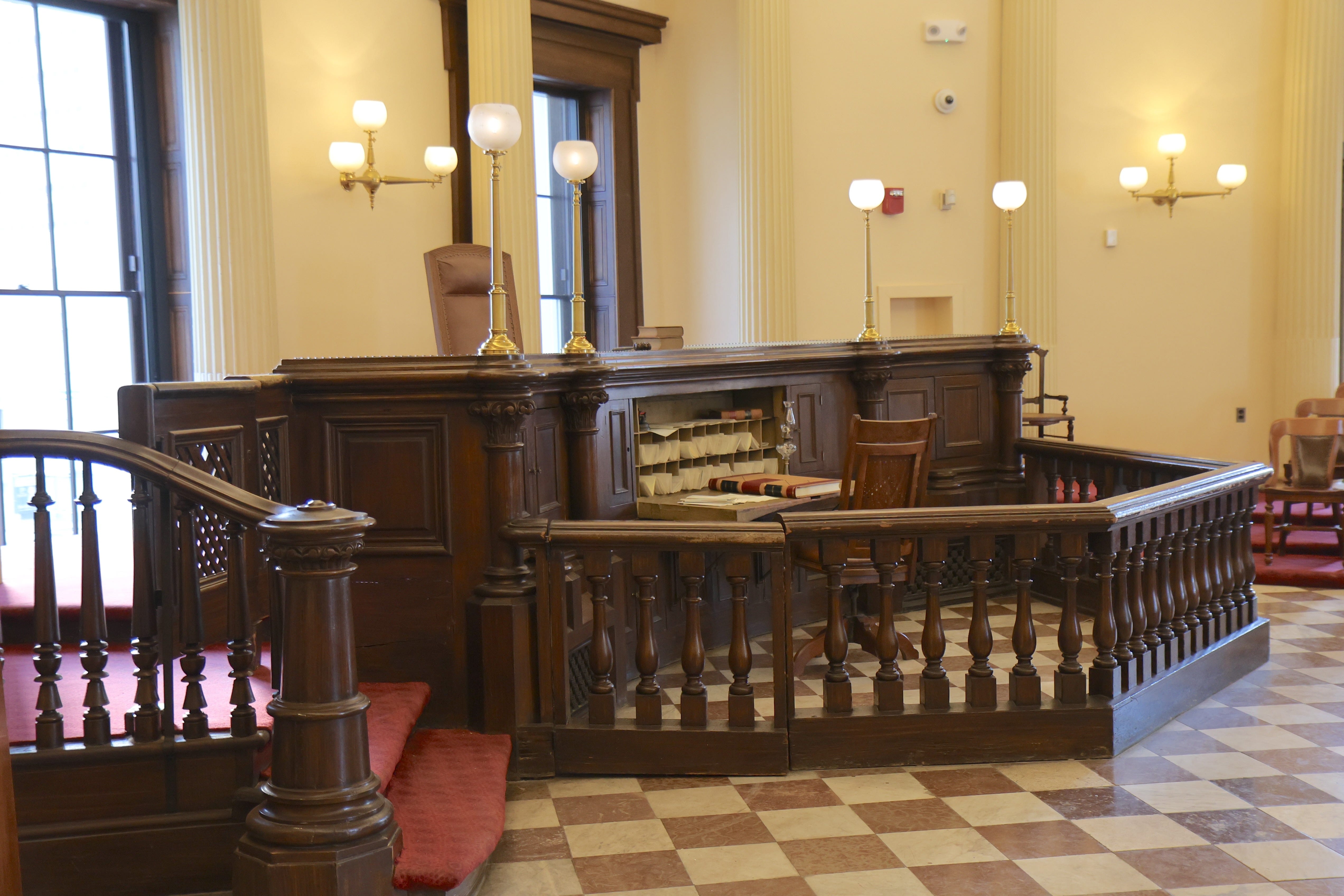
The judge immediately spoke up. “You must change your manner of handling the papers,” Mullanphy reportedly told him.
Risque showed no sign of backing down. “I handle them as is my general practice.”
Mullanphy was unmoved. “Then you must reform your general habits.”
Had either man been willing to let the matter drop, the story probably would have ended there. Instead, Mullanphy ordered Risque to take his seat. Risque refused, replying that he did not feel inclined to sit. Former St. Louis mayor John F. Darby later recalled Risque saying simply that he “would rather stand.”
In response, Mullanphy fined Risque $50 for contempt (a sizeable sum at the time) and again ordered Risque to sit.
Again, Risque refused.
Mullanphy imposed a second $50 fine, followed by a third. By this point, the courtroom had come to a standstill. Another attorney attempted to intervene, but Mullanphy refused to hear any further argument until Risque complied with the court’s order.
When Risque still refused, Mullanphy instructed the sheriff to remove him from the courtroom.
Even then, the confrontation wasn’t over.
According to newspaper accounts, Risque lingered in the doorway while the deputy sheriff repeatedly urged him outside. When he finally stepped into the hallway, he turned back toward the courtroom, shook his fist at the judge, and began making faces through the open door.
Mullanphy answered by ordering the sheriff to close the courtroom door so he would no longer “have the light of his countenance shine upon Risque.”
It must have been an extraordinary scene, and newspapers across the country delighted in reporting it.
The courtroom confrontation did not end there. According to Darby, Mullanphy later ordered Risque to appear and show cause why his name should not be struck from the roll of attorneys, a step that could have effectively ended his legal career. Although Mullanphy eventually withdrew the order, the damage had already been done. What had begun as a disagreement over courtroom decorum had become an intensely personal feud.
Only a few days later, Mullanphy and Risque crossed paths again outside the Planters’ House Hotel, directly across Chestnut Street from the Old Courthouse. Their earlier confrontation was still fresh in their minds.
The encounter quickly turned ugly. Exactly what was said has been lost to history, but newspaper accounts agree that Risque struck Mullanphy in some way. Some reported that he punched the judge. Others claimed he used his walking stick to knock off Mullanphy’s hat and spectacles.
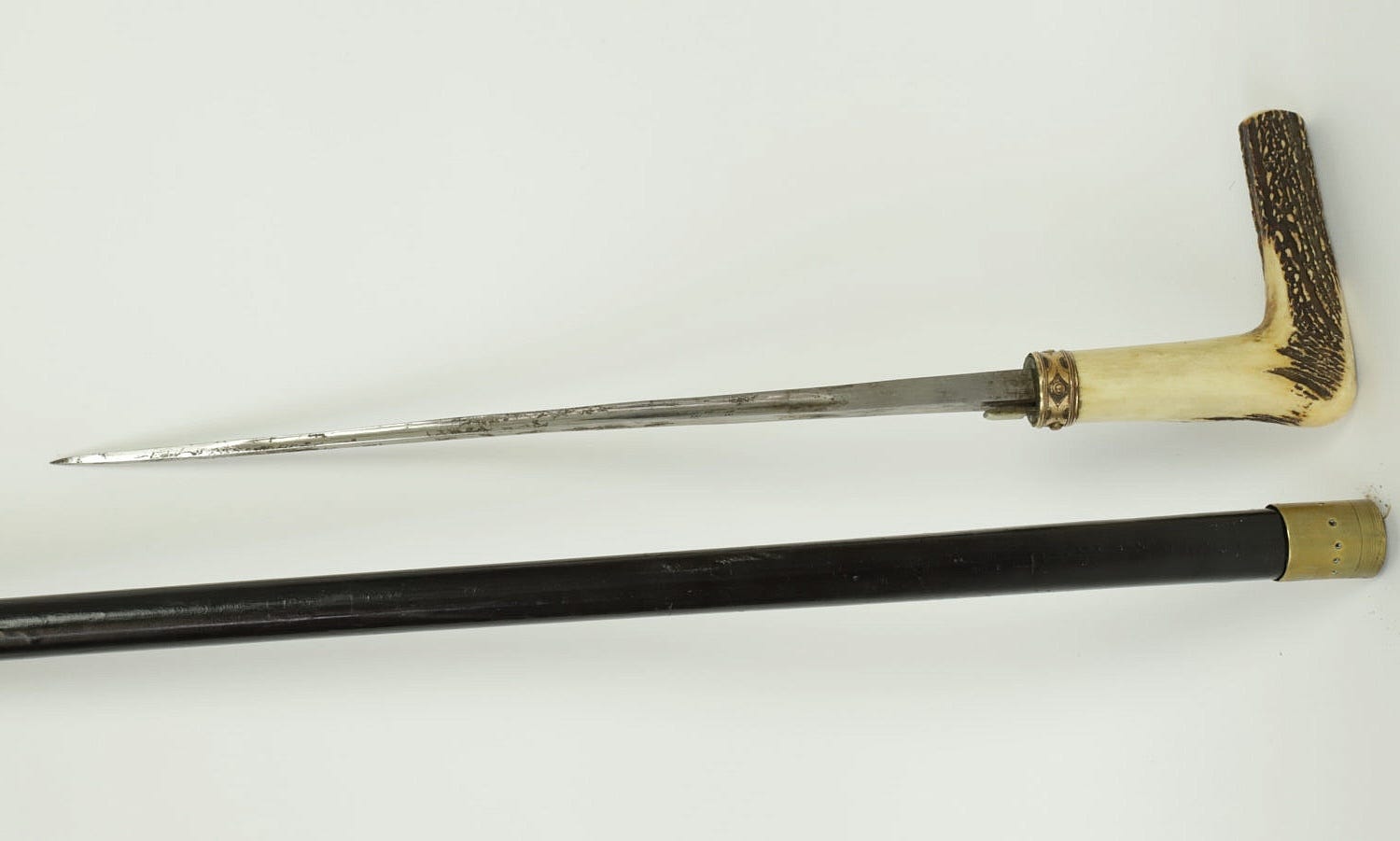
Mullanphy immediately reached for his own walking stick and drew the sword concealed inside.
Risque then drew a pistol from his pocket.
For a brief instant, one of Missouri’s circuit judges and one of St. Louis’s leading freedom suit attorneys stood armed against one another in the middle of Chestnut Street, just outside the courthouse.
It appeared the confrontation might end in bloodshed.
Fortunately, George H. Kennerly, the city marshal, had been walking with Risque. He quickly stepped between the two men and ordered them to keep the peace.
Before lowering his weapon, Mullanphy asked Kennerly, “Are you acting in your official capacity?” When Kennerly replied that he was, Mullanphy immediately sheathed his sword. “I always obey the officers of the law, sir.”
With that, the confrontation ended just as quickly as it had begun. Both men were arrested. They were later fined one dollar each for disturbing the peace.
The following month, Ferdinand Risque sought his revenge.
Rather than confronting Mullanphy in public again, he turned to the legal system itself. On January 23, 1842, a grand jury returned an indictment charging Judge Bryan Mullanphy with oppression, tyranny, and abuse of office — in other words, with unlawfully using the authority of his judicial office against Ferdinand Risque. For a sitting circuit judge, the accusations were extraordinary.
Newspapers around the country reported the controversy, with some portraying Mullanphy as a tyrannical judge who had abused his authority, while others viewed Risque as an attorney who had deliberately provoked the entire affair.
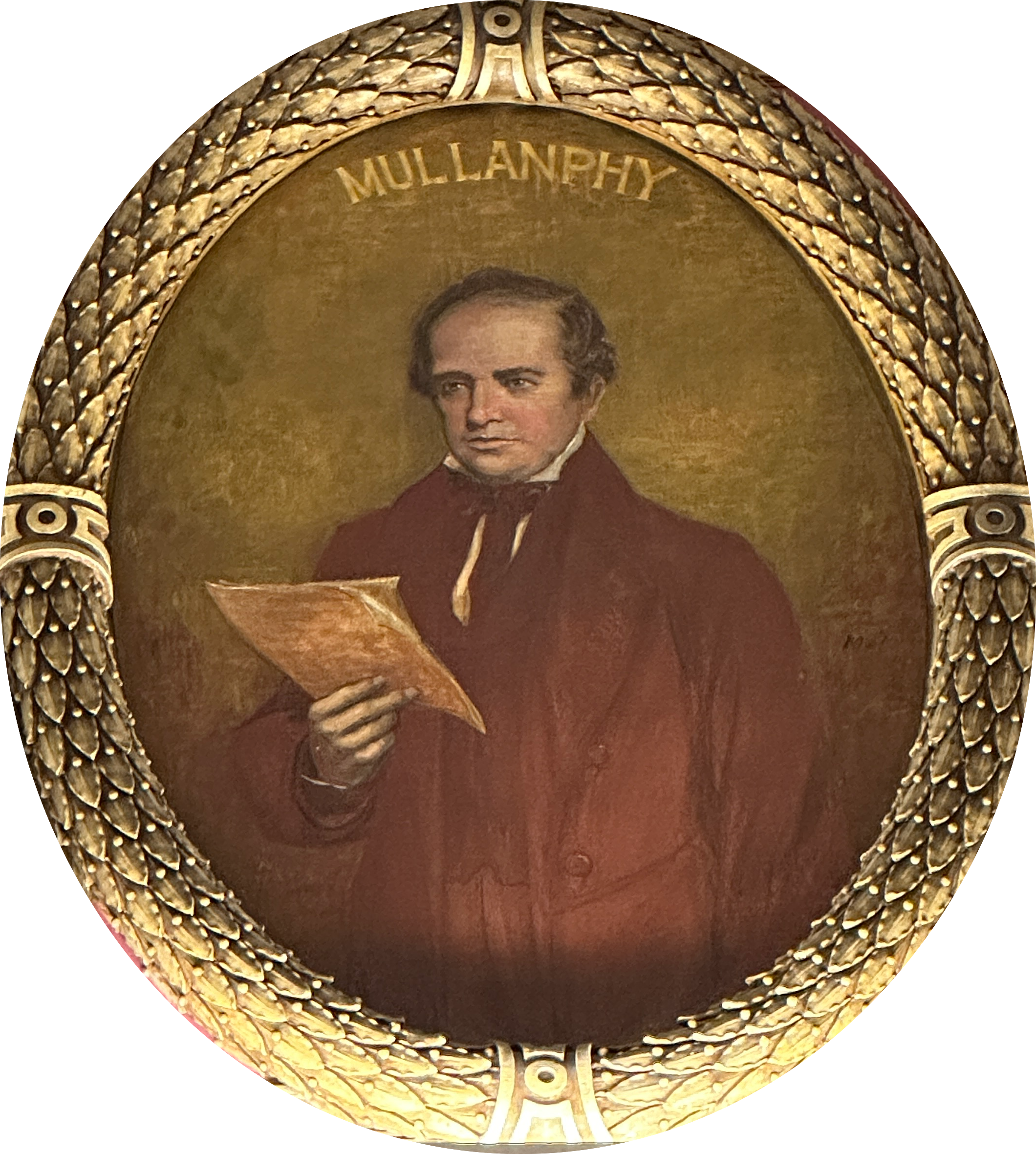
While Mullanphy was presiding over another trial, a marshal quietly approached the bench and delivered unexpected news: the judge himself had been indicted.
Mullanphy immediately halted the proceedings.
“Stop, stop!” he announced. “I can’t go any further now—the court is indicted!”
He then turned to the sheriff. “Mr. Sheriff, discharge the jury and adjourn the court. The court will not continue in session one minute after being indicted.”
When the case came to trial, Darby represented Mullanphy. After hearing the evidence, the jury acquitted him.
The courtroom battle between Mullanphy and Risque was over. But another story was only beginning. On April 6, 1846, Francis Butter Murdoch, Risque’s law partner, filed two petitions that would become among the most famous legal documents in American history.
One was on behalf of Dred Scott. The other was for Harriet Scott.
Murdoch, however, would not remain in St. Louis long enough to see where the litigation led.
Soon after filing the Scotts’ petitions, he encountered serious financial difficulties. In an ironic twist, Bryan Mullanphy held the mortgage on Murdoch’s property. In 1846, Mullanphy foreclosed. The foreclosure appears to have contributed to the collapse of Murdoch’s legal practice in St. Louis and the dissolution of the partnership that had represented so many freedom suit plaintiffs.
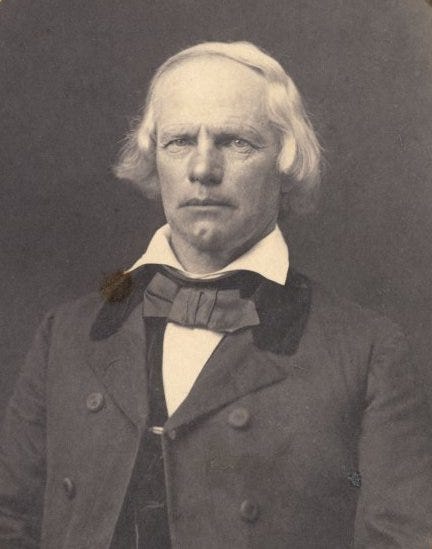
Was the foreclosure simply a business transaction, or was it connected to Mullanphy’s long-running feud with Ferdinand Risque?
The surviving evidence offers no clear answer. I have uncovered no evidence that Mullanphy acted out of revenge, and it would be too strong to say that the foreclosure alone forced Murdoch to leave St. Louis. But Murdoch did leave, leaving the Scotts’ cases behind. At the time, they appeared to be just two more freedom suits among the dozens he had already filed.
Murdoch eventually settled in California, where he became a newspaper publisher and editor of the San Jose Telegraph, which later became The Mercury News, and founded the San Jose Patriot. Other attorneys carried the Scotts’ cases forward. In 1857, the US Supreme Court handed down its infamous decision in Dred Scott v. Sandford, a ruling that denied Black citizenship and helped push the nation toward civil war.
Risque also eventually left St. Louis for good. Mullanphy stepped down as circuit court judge in 1844, possibly because of the controversy surrounding his tenure, and later served as mayor of St. Louis in 1847 before dying of cholera in 1851.
The more I research Bryan Mullanphy, the more I realize he defies easy labels. Every new discovery changes my understanding of him. Depending on which chapter of his life you examine, he can appear generous or combative, compassionate or stubborn, impulsive or deeply principled.
The feud with Ferdinand Risque doesn’t change that picture. If anything, it adds another layer to a character we know so little about. Mullanphy was a quirky and often contradictory man who possessed admirable qualities and frustrating faults, sometimes at the very same time. It’s that complexity that keeps drawing me back, wanting to learn more about an enigmatic figure whose historical paper trail is frustratingly thin.
That’s one of the reasons I enjoy researching local history. The deeper you dig, the more you discover that the people who shaped St. Louis were every bit as complicated as the city they helped build.
Research note: my work on Bryan Mullanphy is ongoing, especially on this particular topic. In time, I hope to locate the court records between Mullanphy and Risque, along with other details. As always, I welcome any guidance from archivists and historians.
Thanks for reading! If you enjoy discovering the hidden stories behind familiar places, I hope you’ll consider supporting Unseen St. Louis. Every article represents hours spent in archives, libraries, historic newspapers, and old court records, uncovering the people and events that deserve to be remembered. Your support helps make that research possible.
Sources
Circuit Court docket, 1841-1843, Washington University, University Libraries. Partially transcribed.
Darby, John F. Personal Recollections of Many Prominent People Whom I Have Known, and of Events—Especially of Those Relating to the History of St. Louis—During the First Half of the Present Century. St. Louis: G. I. Jones and Company, 1880.
Lucy Delaney, Gateway Arch National Park, National Parks Service, April 10, 2015.
Delaney, Lucy A. From the Darkness Cometh the Light, or Struggles for Freedom. St. Louis: J. T. Smith, 1891.
Dred Scott Chronology, Gateway Arch National Park, National Parks Service, June 5, 2020.
Dred Scott v. Sandford (1857), National Archives, April 21, 2025.
Freedom Suits, Gateway Arch National Park, National Parks Service, June 20, 2025.
History of Slave Freedom Suits in Missouri, Missouri State Archives, Before Dred Scott: Freedom Suits in Antebellum Missouri
Laws of the Territory of Louisiana. Chapter 35, “An Act to Enable Persons Held in Slavery to Sue for Their Freedom.” June 27, 1807. Missouri State Archives.
Ebony Jenkins, Freedom Licenses in St. Louis City and County 1835-1865, National Parks Service.
Judges, Freedom Suits Memorial Foundation.
David Thomas Konig, The Persistence Of Caste: Race, Rights, And The Legal Struggle To Expand The Boundaries Of Freedom In St. Louis, The Washington University Journal of Law & Policy, 67, no. 1 (2022): 147–186.
Laws of the Territory of Louisiana. Chapter 35, “An Act to Enable Persons Held in Slavery to Sue for Their Freedom.” June 27, 1807. Missouri State Archives.
Lawyers, Freedom Suits Memorial Foundation.
Missouri State Archives, FS-Case6853, St. Louis Circuit Court Historical Records Project.
Chris Naffziger, How St. Louis has built and rebuilt its historic courthouse over decades, St. Louis Magazine, May 27, 2025.
Anthony J. Sestric, 57 Years: A History of the Freedom Suits in the Missouri Courts. St. Louis, MO: Reedy Press, 2012.
Squire Brown, a Man of Color v. Charles Anderson (Washington University repository).
Walter Barlow Stevens. St. Louis: The Fourth City, 1764–1911. Vol. 1. St. Louis & Chicago, The S. J. Clarke Publishing Co., 1911.
Sublette Papers: Robert Campbell to Col. William L. Sublette, St. Louis, May 12, 1842. Missouri Historical Society.
Andrew Theising, ed., In the Walnut Grove: A Consideration of the People Enslaved in and Around Florissant, MO, 2020.
Lea VanderVelde. Mrs. Dred Scott: A Life on Slavery’s Frontier. Oxford University Press, 2009.
Various newspapers
Comments
Nothing yet. Say the first thing.
Sign in to join the conversation.