
I run an English learning summer program for Japanese teens, and this summer I spent four weeks in Vancouver. The weather was absolutely perfect—Vancouver makes an incredible summer escape from Japan's heat and humidity!
Vancouver is the city where I stayed for 8 months in 2006 to learn English. Now, 19 years later, I want to share my thoughts on how Canada has changed, how Japan has changed, and what the comparison reveals.
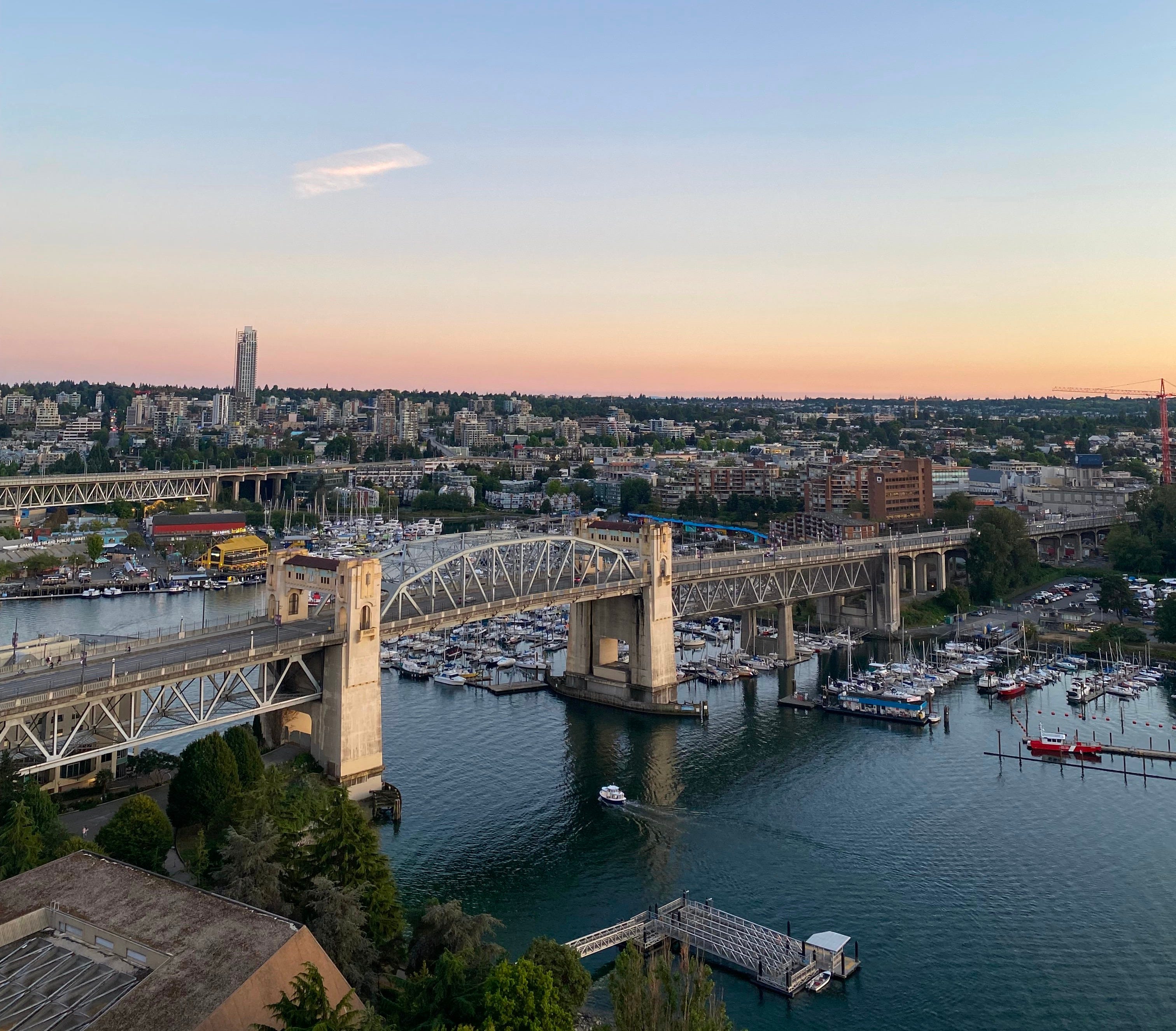
The biggest shock was how expensive Canada has become, especially housing and dining out. It's seriously expensive now.
When I studied there 19 years ago, the cost of living in Japan and Vancouver was almost the same. But this time, Vancouver's living costs have roughly doubled.
Housing costs are brutal. Downtown apartments rent for 350,000-450,000 yen per month, and even cheaper places further out cost 200,000-250,000 yen monthly. That's double what you'd pay for similar-sized places in Japan. Of course, in Japan you can find much cheaper options if you don't mind smaller spaces (and most Japanese people are used to compact living).
My homestay fee in 2006 was 750 CAD per month. What I found this time: 1,500 CAD per month (literally double!) I remember back in 2006, talking with Canadians about rent and them saying "Tokyo rent is crazy expensive!" The tables have completely turned.
And the food costs. A simple lasagna at a not-even-fancy Italian restaurant cost 3,000 yen with tip. Just the dish. No drink.

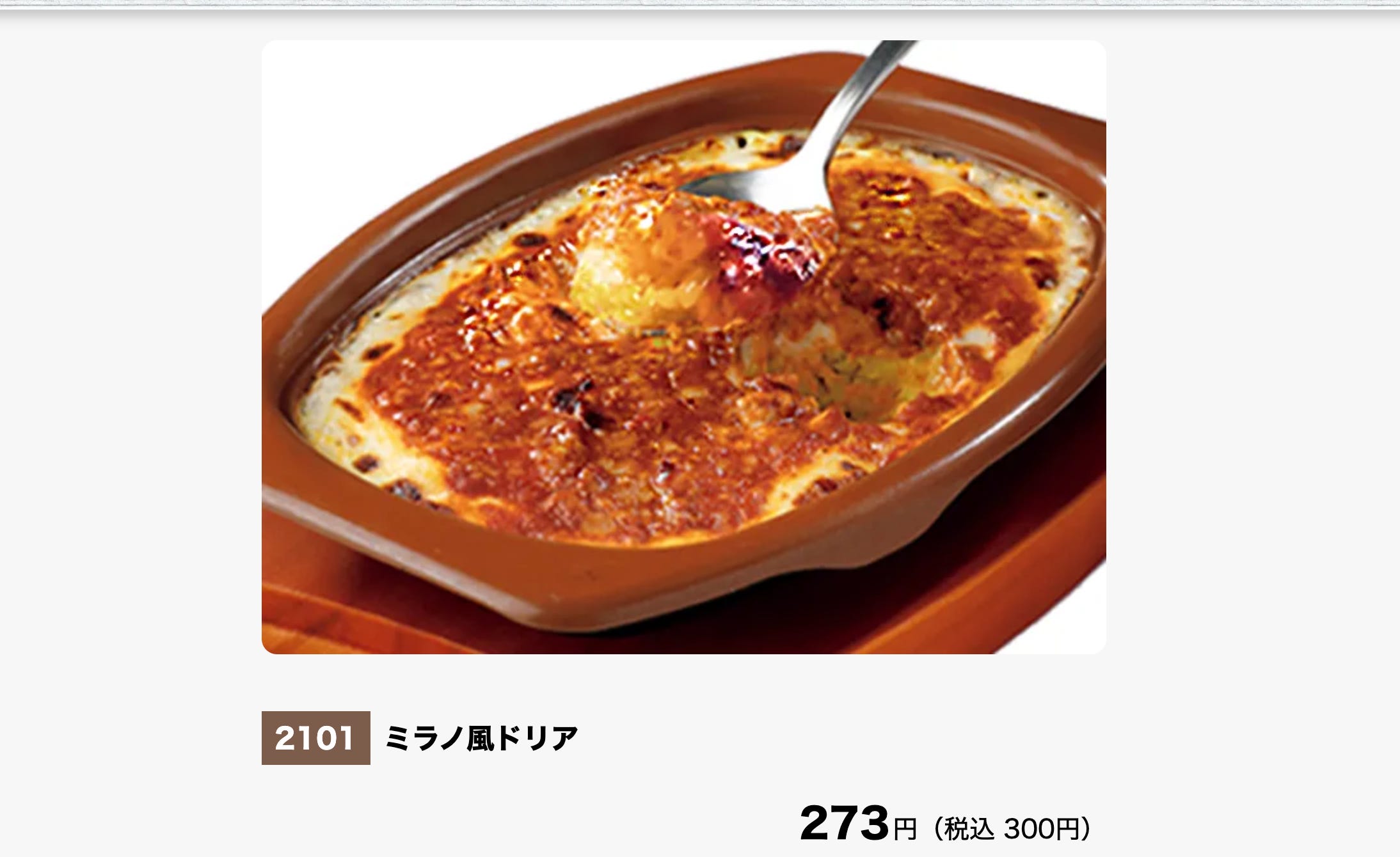
Sure, Saizeriya's Milano-style doria for 300 yen including tax is abnormally cheap, but even at regular restaurants in Japan, you can get lasagna for around 1,500 yen.
Seriously, how does everyone survive? The minimum wage is 18 CAD per hour (about 1,900 yen), which is higher than Tokyo (around 1,160 yen), but the cost of living still feels way too high. (This is followed by a discussion of "heaven and hell.")
Meanwhile, Japan? Barely changed from 19 years ago. If anything, it feels even cheaper now. Japan has become an incredibly cheap country compared to other G7 nations.
Japan's cost performance is abnormally good.
(Though I won't go into detail here, this is from the consumer's perspective. While everyone living in Japan benefits from these services, we're also the ones providing them—and from the worker's side, with Japan's intense work culture and service expectations, you definitely can't call it great value.)
Anyway, back to the point—Japan's cost performance is unbeatable. Canada is friendly, but Japan absolutely crushes it in speed, attention to detail, and accuracy. And no tipping required? That's honestly insane when you think about it.
But the problem is Japanese people can't afford to go abroad anymore.
While Japan was saying "deflation is fine, cheap stuff is great," other countries experienced inflation but also wage growth and economic expansion. Only Japan stayed completely unchanged for 30 years. Yes, this is what we would later recognize as Japan's "Lost Decades."
I ran a restaurant in Rwanda from 2015 until I sold the business in 2023, and we had to raise our prices every year as costs kept going up. But every time I returned to Japan temporarily, I was amazed that prices for everything remained exactly the same.
Another big factor was the dramatic depreciation of the yen, caused by failed policies. The Abe administration favored large export-oriented companies and encouraged a weaker yen through monetary easing. However, the promised “trickle-down” effect — the idea that if big companies and the wealthy prosper, smaller businesses and low-income people will benefit too — never really happened. (The law that lets big companies give money to politicians legally should be changed.)
The result? When Japanese people try to go abroad: "Wait, it costs THIS much?!"
When my parents came to visit Vancouver and splurged on a luxury train trip to the Rocky Mountains, I went to see them off. The bus driver mistook them for Korean. He said Japanese visitors have definitely decreased since this decade.
If it were just Japanese people finding it harder to travel overseas, or fewer Japanese participants in luxury tours, that would be one thing. But what's truly concerning is this: the barriers to overseas study and work for young people have become incredibly high. In today's connected world, maintaining international competitiveness absolutely requires people who go abroad. If fewer people go overseas, national strength will definitely decline. Innovation becomes harder to generate. The effects of this decline take time to manifest, so it will be a while before people truly understand the severity of the situation. Meanwhile, Japan continues to fall further behind.
So I believe the government should provide funding to support young people's overseas ventures.
Walking around Vancouver in 2025 versus in 2006, the biggest thing I noticed was: "Where did all the Japanese people go?"
Back then, walking down the street, you'd see quite a few Japanese people, especially young ones. This time, I saw far fewer. Instead, there are way more Chinese people. According to Canada's 2021 census, the Chinese population is about 470,000, making up roughly 20% of the Greater Vancouver area population. Meanwhile, Japanese residents number about 30,000, just 1% of the population.
In the past, you'd find Japanese working holiday participants at every Starbucks. This time, seeing a Japanese person was so rare that I felt compelled to strike up a conversation. Before, ordinary young people were coming to Canada, but now it's probably only possible for kids from relatively well-off families. As I mentioned earlier, when it becomes difficult for children from average households to participate, that's quite problematic.
When I looked up the actual data, Japanese numbers haven't actually decreased much—they've slightly increased. But the growth rate of Chinese residents is so overwhelming that it creates that impression.
This isn't just Vancouver. When I lived in Rwanda, I felt the same thing—the Asian presence is overwhelmingly Chinese. Some people even think Toyota is a Chinese company. Walk down any street and you're guaranteed to be greeted with "Ni hao." While China's population is 11 times larger than Japan's, the Chinese presence in Rwanda seems disproportionately larger—maybe 30 times Japan's presence. Even Korea—with less than half of Japan's population—had a larger community there than Japan.
As I wrote in a recent note, I want to tell those Japanese people who complain "Rich Japan is being swarmed by poor Africans!": "Don't worry. Their preferred study destination is China. Actually, Japan isn't even on their radar." And at the same time, I want to ask them: With the concept of the Global South emerging, and Africa set to represent a quarter of the world's population by 2050—54 countries meaning 54 voting blocs—aren't you concerned about Japan's almost nonexistent presence there?
Another shocking thing: the scene on Hastings Street with homeless people and drug addicts.
Living in Japan, you rarely see drug addicts or homeless people. In Tokyo, I only occasionally saw them in Shinjuku 20 years ago. According to Ministry of Health, Labour and Welfare data, this is confirmed by the numbers too. As of January 2024, there were 2,820 homeless people nationwide—the lowest number since surveys began in 2003. Compared to the initial survey of 25,296 people in 2003, this represents nearly a ten-fold decrease. (Though there's also the issue of "invisible homelessness," like people living in internet cafes, which may be increasing.)
But in Vancouver, you encounter them daily. Especially on certain sections of Hastings Street—it's a heartbreaking sight. People severely affected by drug addiction, stumbling through the city center. Even in broad daylight, it's too dangerous to approach.
This hit me as a stark contrast to Japan's relatively uniform social landscape—the visible presence of people struggling with addiction and homelessness that you simply don't encounter in Japanese cities.
"Cheap Japan" is a common phrase now. Overseas travel costs have doubled since 19 years ago, but Japan's prices and salaries have barely changed.
This is related to Japan's demographics—a large elderly population living on pensions. For them, wage growth doesn't matter; they just don't want prices to rise. And politicians have been focusing on elderly voters for decades, so this is a natural consequence. While this may satisfy the elderly, fewer young people challenging themselves abroad is bad for national strength.
But seeing Vancouver's reality, maybe Japan's "everyone getting poorer together" situation isn't entirely negative...? Japan has inequality too. But within "visible range," it's overwhelmingly less than other countries.
However, the question is: Can Japan maintain its wonderful equality and safety while also nurturing people who can compete internationally? Or will "affordable Japan" become a comfortable cage that traps us inside?
I believe we need to actively support those who venture beyond our borders. Some people want to shut Japan's doors to foreigners, but the irony is that our own struggling economy is already making it harder for Japanese people to open doors to the rest of the world. Perhaps the real question isn't only who we let in, but also whether we're trapping ourselves inside.
No posts
Comments
Nothing yet. Say the first thing.
Sign in to join the conversation.