
Dear subscribers, welcome back to Universal-Sci Weekly
This week we explore whether exercise can do more than strengthen the body by also boosting brain health and memory, with new research offering a close look at what happens in the brain after physical activity.
We also look at the Moon’s age and origins, new findings on how different kinds of sitting shape dementia risk, and a semi-autonomous robot that could help speed up the search for life beyond Earth.
Elsewhere, we cover research suggesting exercise intensity may matter more than duration, and a brain-inspired chip material that could make AI far more energy efficient.
Our Book of the Week is Black Holes: The Key to Understanding the Universe by Brian Cox and Jeff Forshaw.
As always, please enjoy the read!
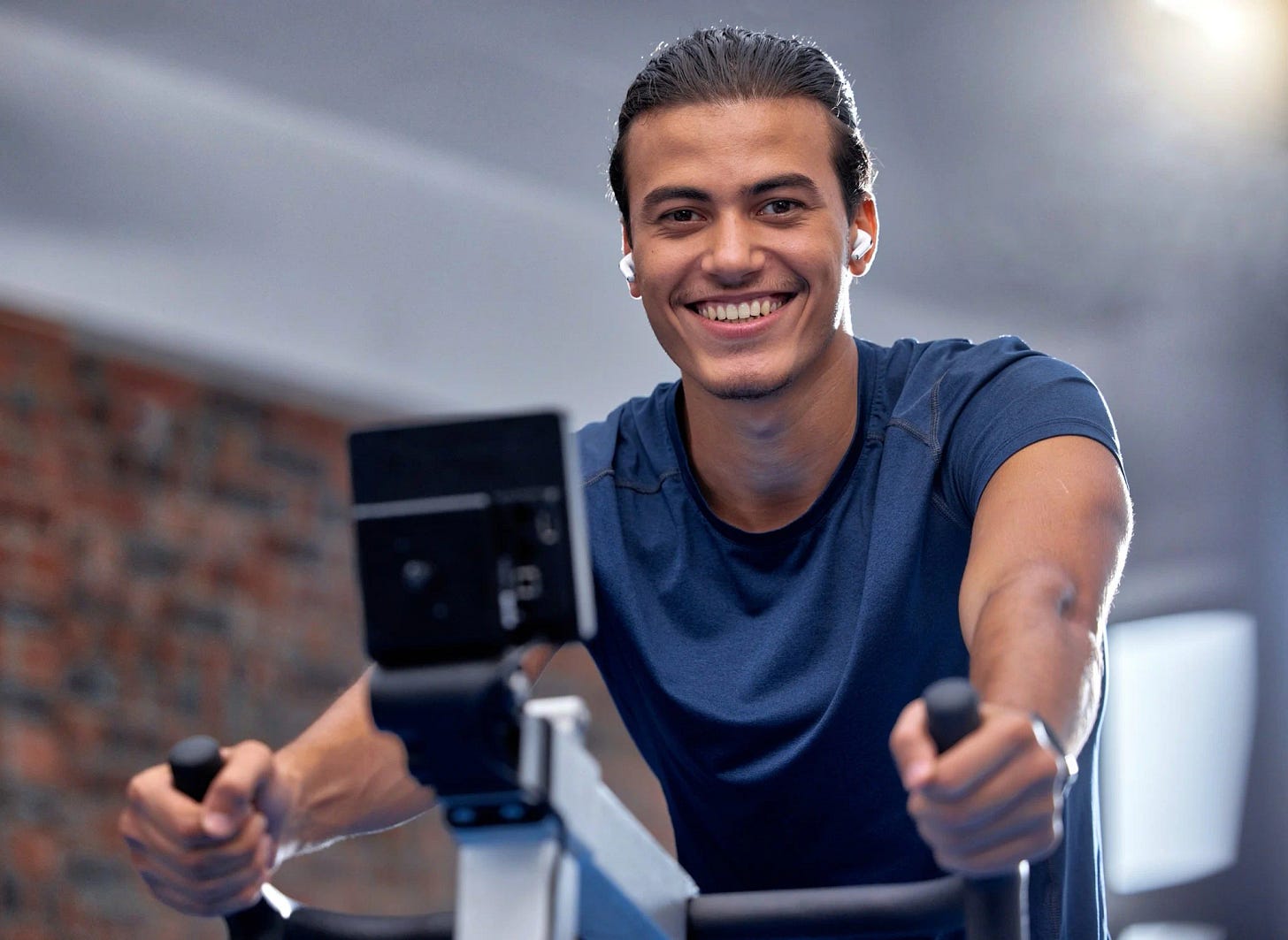
We’ve all experienced that post-workout mental clarity - that feeling of being a bit “sharper” after hitting the gym or going for a run. But what is actually happening inside our heads to cause that?
A new study from the University of Iowa gives us an unprecedented look into the brain right after physical activity, and the findings might just change how you view a quick sweat session. - (Read more)
Enjoy 76% off, backed by a 30-day money-back guarantee.
Why use a VPN?
Access online services securely. Whether it’s using social media or catching up on your favourite show while traveling abroad, a VPN helps you access all these services safely by encrypting your connection.
Securely connect to public Wi-Fi. Hackers can set up fake public hotspots to steal credit card details, passwords, and sensitive information. A VPN secures your traffic on public Wi-Fi, keeping you safe from hackers.
Save money when shopping online. Some sites offer different prices to customers from different countries. With VPN, you can change your location and hop to look for the best price.
Keep your data private. A VPN helps keep your online activity and data private and secure, which is what internet freedom is all about.
Benefit via our affiliate link!

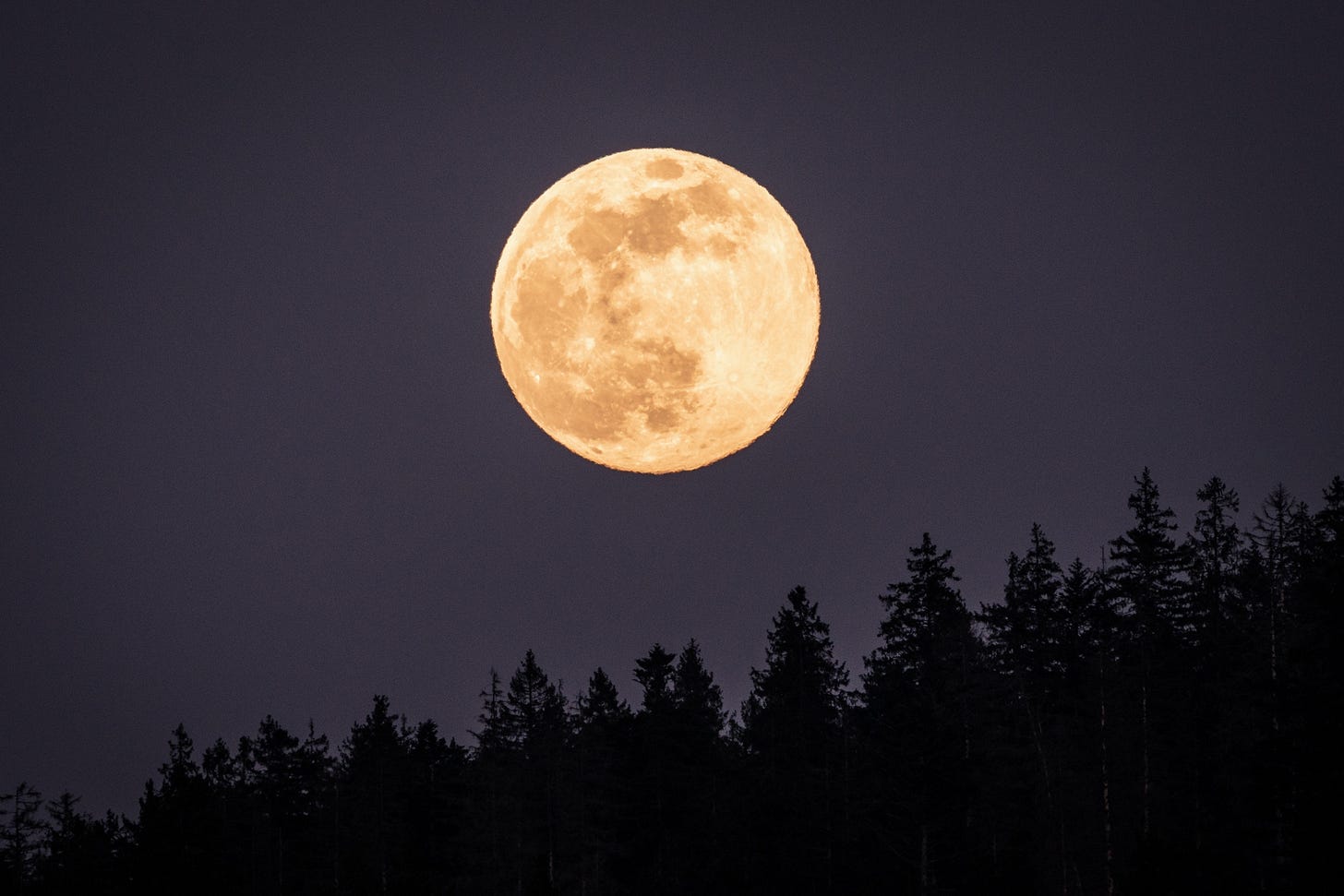
Most scientists agree that the Earth has pretty much always had its moon. Details of the moon’s composition (in particular the “isotopic mixture” of heavier and lighter versions of various elements) are too similar to the Earth’s for it to have been captured from somewhere remote. However, some compositional details differ enough to rule out the idea that the moon is simply a chunk of the Earth that broke loose.
The details of how the moon formed, and when, have long been debated. Two studies shed light on the process – even pinning down a date. - (Read more)

Many people treat sitting as one simple risk: too much is bad. But new research suggests it is more nuanced. What may matter is not just how long people sit, but what they do while sitting.
A new study in the American Journal of Preventive Medicine found that long periods of mentally passive sedentary activity were linked to higher dementia risk, while replacing that time with mentally active sedentary activity was linked to a lower risk later in life. - (Read more)
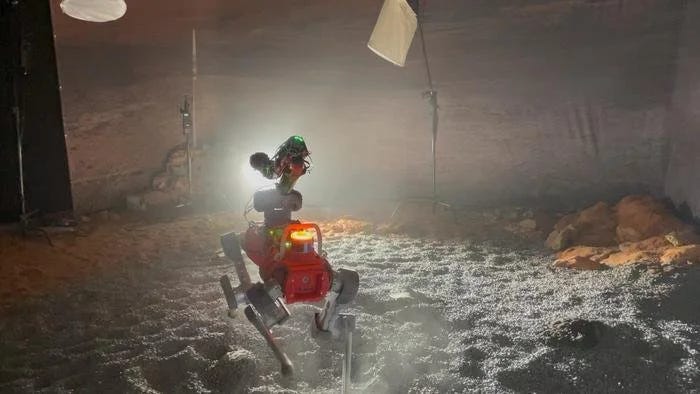
Planetary rovers may seem like fearless explorers, but in reality they operate under strict limits. On Mars, commands take minutes to arrive, so every move must be carefully planned. That keeps missions safe, but it also slows exploration.
A new test suggests a better approach. Researchers asked whether a semi-autonomous robot could move between targets, study them, and still deliver useful science with less step-by-step guidance.
Their answer was yes, a result that could shape future missions to the Moon, Mars, and beyond.. - (Read more)
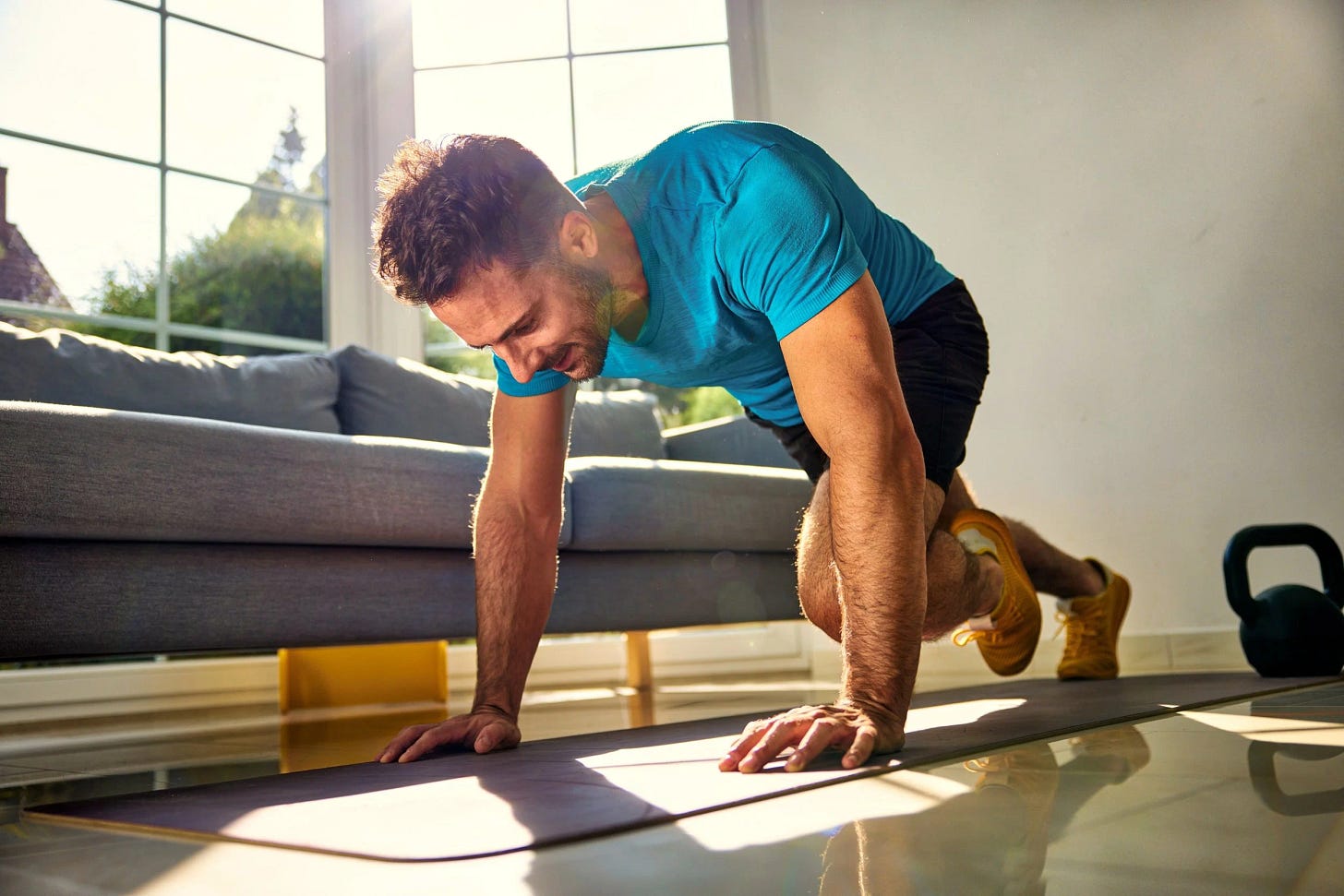
For years, exercise advice has been simple: move more. But a major new study suggests that how intensely you move may matter too, not just how much.
That is important because most people do not have hours to exercise, but they do have brief opportunities: climbing stairs, hurrying for a train, or biking into the wind. Research published in the European Heart Journal found that these short bursts of effort may be linked to a lower risk of major disease and early death. - (Read more)
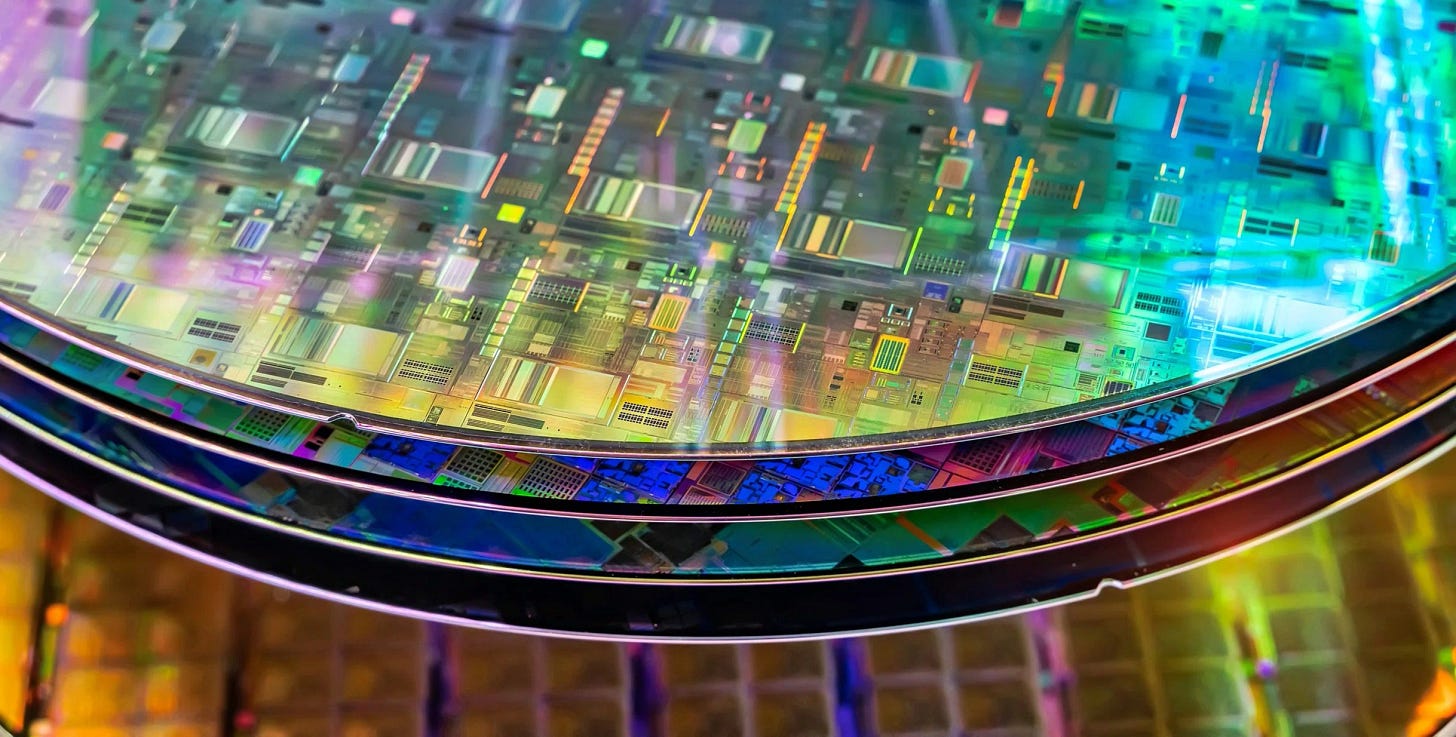
Artificial intelligence can write emails, spot patterns in medical scans, and answer questions in seconds. But behind that speed is a growing energy bill. Every new model, every extra server, and every AI feature added to daily life puts more strain on the hardware that keeps it all running.
Now, researchers at the University of Cambridge say they may have found a way to make AI hardware work much more like the human brain, and in doing so, use far less electricity. Their newly developed device is still at an early stage, but it points to a future where smarter machines do not necessarily need ever larger amounts of power. - (Read more)
Our pick this week is: Black Holes: The Key to Understanding the Universe
By star physicist Brian Cox and Jeff Forshaw, this gripping exploration of black holes reveals how these mysterious objects shape galaxies, warp space and time, and may hold the key to understanding the universe itself.
From stars torn apart at the edge of a supermassive black hole to gravitational waves from colossal black hole collisions, the book uncovers the latest discoveries and boldest ideas in modern physics. A sweeping journey into the cosmos, it shows why black holes may be central to the fate and meaning of our universe.
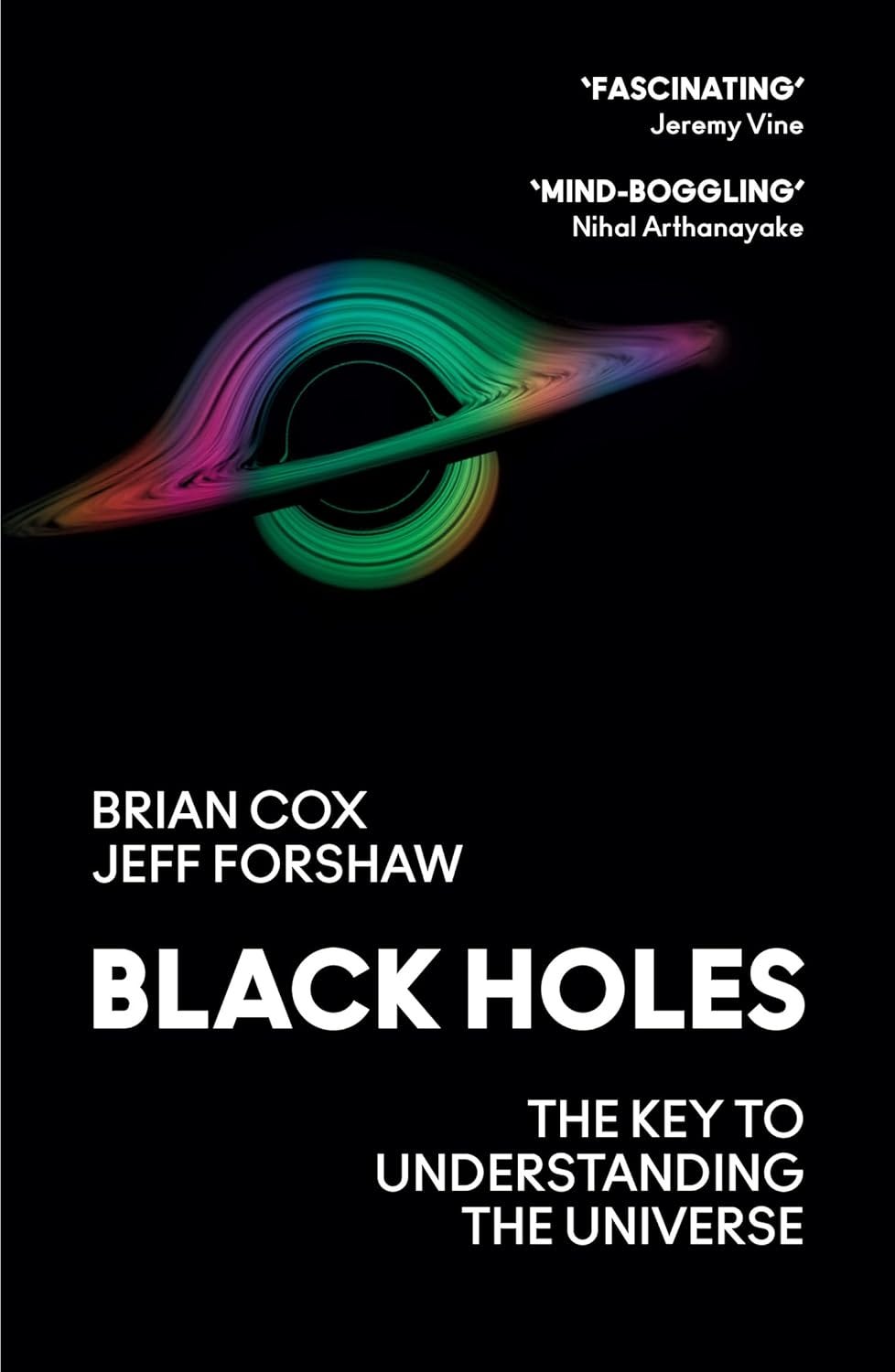
Purchasing through our affiliate link supports Universal-Sci Weekly - Thank you!
Thanks for reading, we hope to see you next time!
Comments
Nothing yet. Say the first thing.
Sign in to join the conversation.