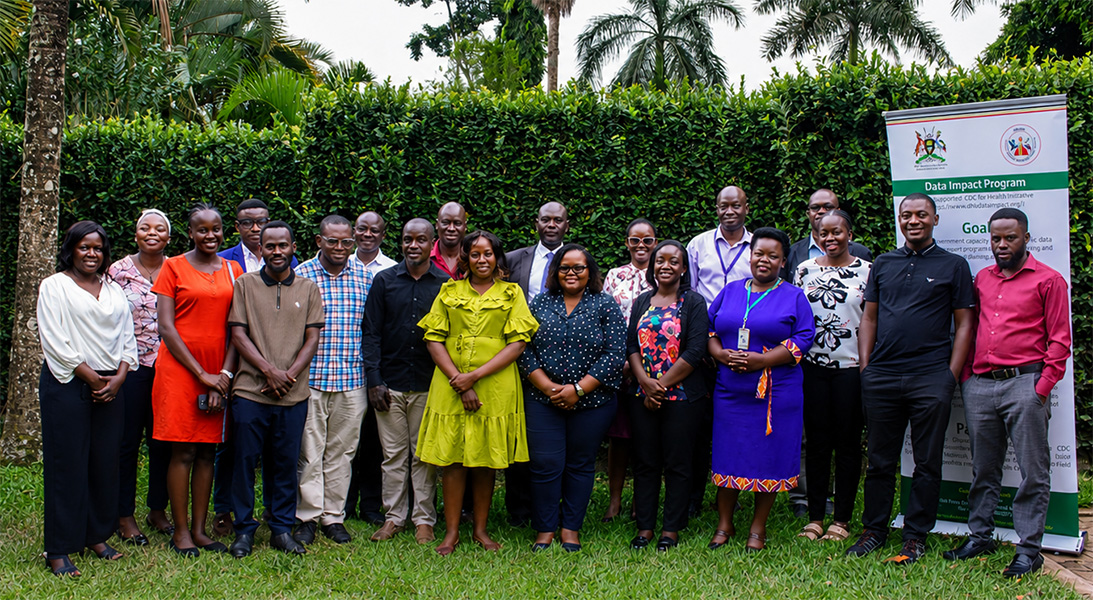
From the 13th to the 17th of July 2026, the Uganda National Institute of Public Health’s (UNIPH) Data Impact Program hosted a policy brief training workshop to equip health workers with technical skills required for Health Economics Evaluation of policy briefs. The workshop targeted a multidisciplinary group of trainees, including Advanced FETP Fellows (Cohort 2025), […] The post Health Economic…
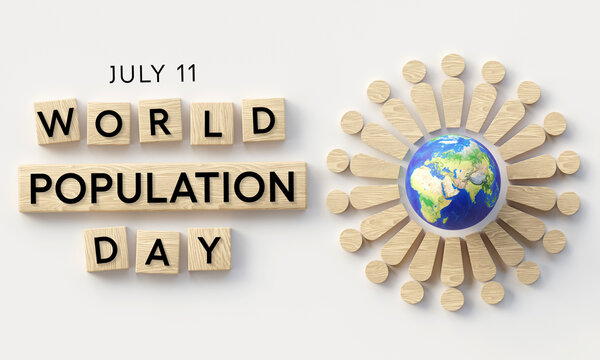
World Population Day is observed annually on 11th July to raise awareness about global population issues and their implications for health, development, and well being. The day highlights the importance of reproductive health, gender equality, family planning, youth empowerment, and equitable access to social services in promoting sustainable development. This year’s focus emphasizes investing in…
Uganda continues to strengthen its response to the Ebola Virus Disease outbreak (Bundibugyo Virus Disease) through coordinated efforts led by the Ministry of Health Incident Management System, with technical and field-level support from partners including the Uganda Public Health Fellowship Program (UPHFP). The UPHFP fellows have contributed across several response pillars, including surveillance…
Summary Background: During outbreak response, cholera rapid diagnostic tests (RDTs) are used for rapid screening, while stool culture serves as the reference method for laboratory confirmation. However, the field performance of cholera RDTs may vary by setting, specimen quality, timing of collection, circulating strains, and implementation conditions. In Uganda, limited outbreak-specific evidence…
Breastfeeding is one of the most effective ways to ensure child health and survival and yet currently, fewer than half of infants under 6 months old are exclusively breastfed. The World Breastfeeding Week will be observed from 1–7 August to promote breastfeeding as a cornerstone of child survival, nutrition, and healthy development. The commemoration highlights […] The post World Breastfeeding…
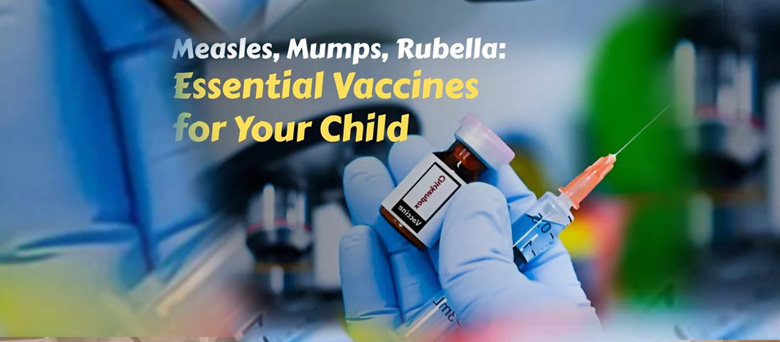
Summary Background: Uganda introduced the second dose of measles-rubella vaccine (MR2) in 2022 to strengthen protection in the second year of life, but routine coverage has remained low. A national survey was conducted to estimate MR2 coverage and identify factors associated with uptake among children aged 18–23 months in Uganda. Methods: We conducted a nationally […] The post Uptake of the second…
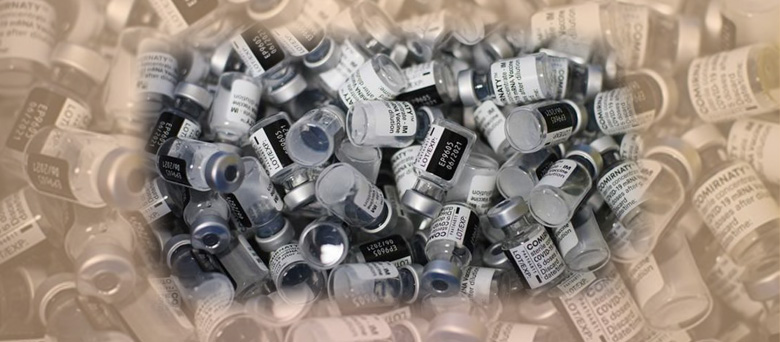
Summary Background: Vaccine wastage reduces immunisation efficiency, increases costs, and complicates supply forecasting. Uganda routinely monitors vaccine use, but national evidence comparing observed wastage with World Health Organization (WHO) and Uganda-specific planning thresholds has been limited We described national and sub-national trends for four tracer antigens between 2020–2025, to…
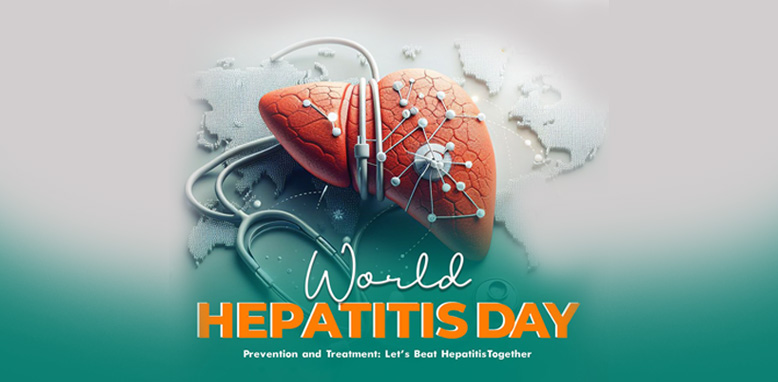
Viral hepatitis, particularly hepatitis B and C, can lead to chronic liver disease, cirrhosis, and liver cancer if left um-diagnosed and untreated. This year, the global community will commemorate the world hepatitis day on 28th July to raise awareness about viral hepatitis as a major public health concern affecting millions of people globally. This year’s […] The post World Hepatitis Day: 28…
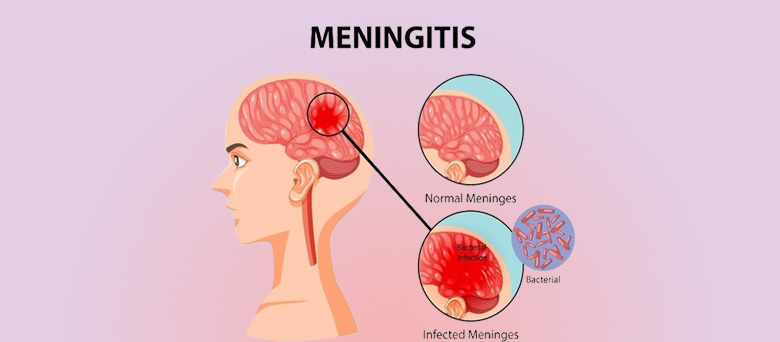
Summary Background: Meningitis is an important cause of preventable mortality in Uganda, with deaths linked to epidemic-prone bacterial pathogens and HIV-associated opportunistic infections. Mortality trend data are useful for identifying high-burden populations and guiding prevention and case management priorities. We assessed temporal trends in meningitis-related mortality in Uganda during…
Summery Background: Antimicrobial resistance (AMR) poses a major public health threat globally, with bacterial AMR contributing to millions of deaths annually, disproportionately affecting low- and middle-income countries like Uganda. Reliable antimicrobial susceptibility testing (AST) is essential for guiding therapy, supporting stewardship, and informing surveillance. However, laboratory…