Squeezed between two pricing models
At the end of June, the Dutch Financial Times (Het Financieele Dagblad) ran a front-page story headlined “Law firms blindsided by sharply rising AI prices”.

Practical insights on Legal Tech and Innovation.
Live Last read · last published · next check
At the end of June, the Dutch Financial Times (Het Financieele Dagblad) ran a front-page story headlined “Law firms blindsided by sharply rising AI prices”.
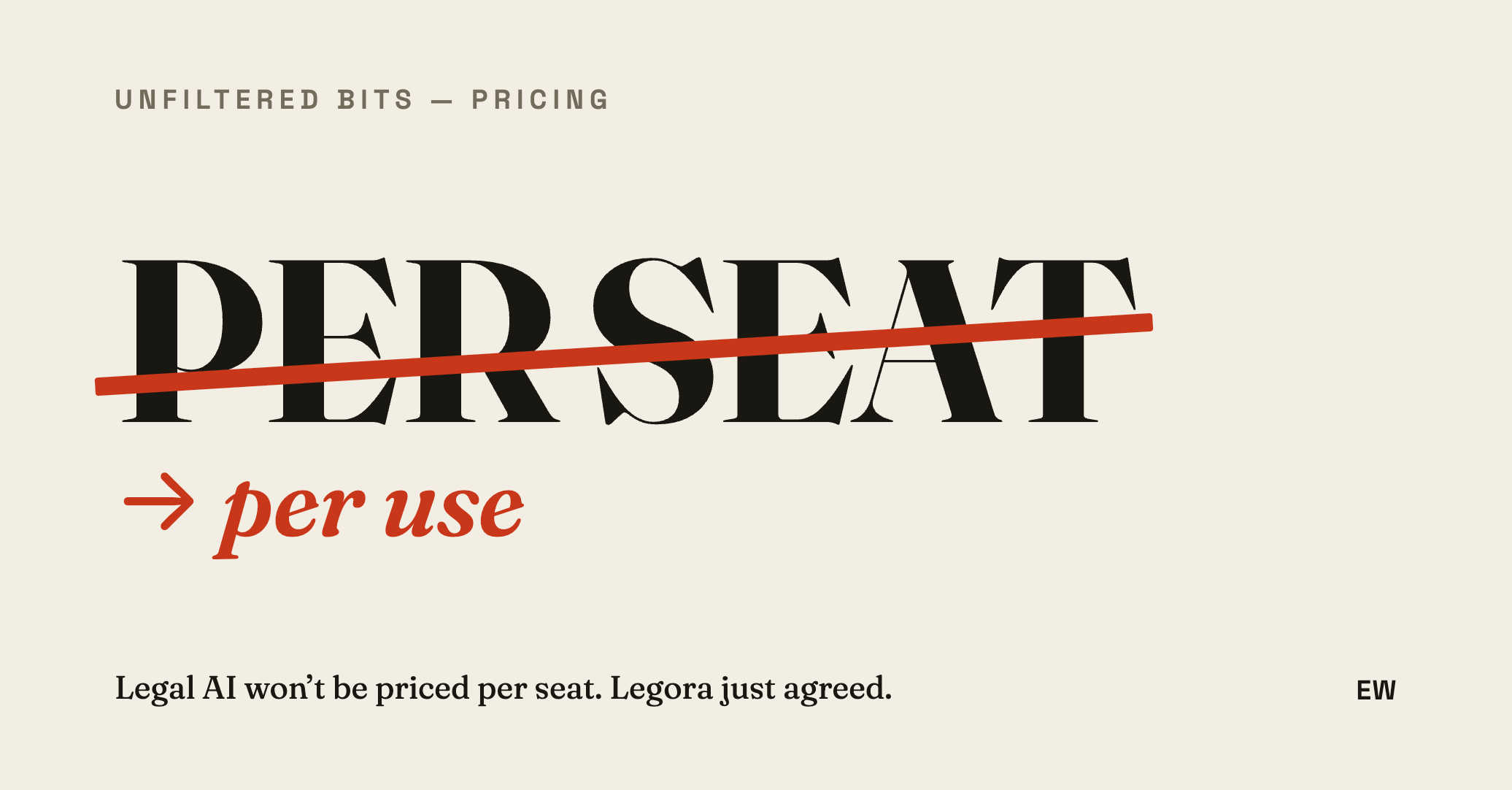
When I wrote in May that legal AI would not be priced per seat, the argument rested on a single awkward fact: the software was starting to behave nothing like the software the seat was invented to sell.
Every firm that flirts with Claude eventually hits the same wall and asks the same thing: does my client data really have to cross the Atlantic?
Last year the company that builds the most-used frontier model for law quietly walked back unlimited use on its top consumer plan. People running agents around the clock got cut off, or pushed onto pay-as-you-go. The press coverage treated it as a consumer pricing story.
A tour of the components of an AI agent, using Claude Code as an example
Let me start with a small apology: I know, yet another Claude-related post.
Anthropic released Claude Opus 4.7 yesterday.
Everyone is reinventing the wheel
Mustafa Suleyman, CEO of Microsoft AI, gave an interview to the Financial Times last week.
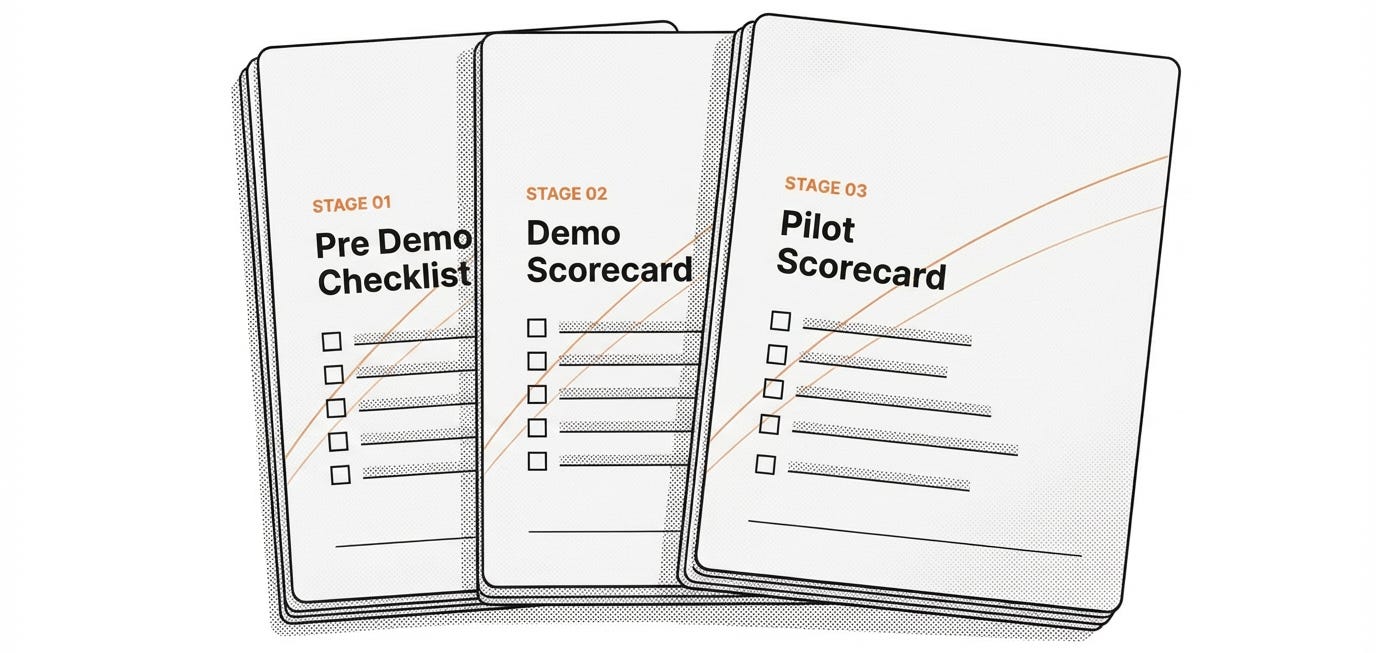
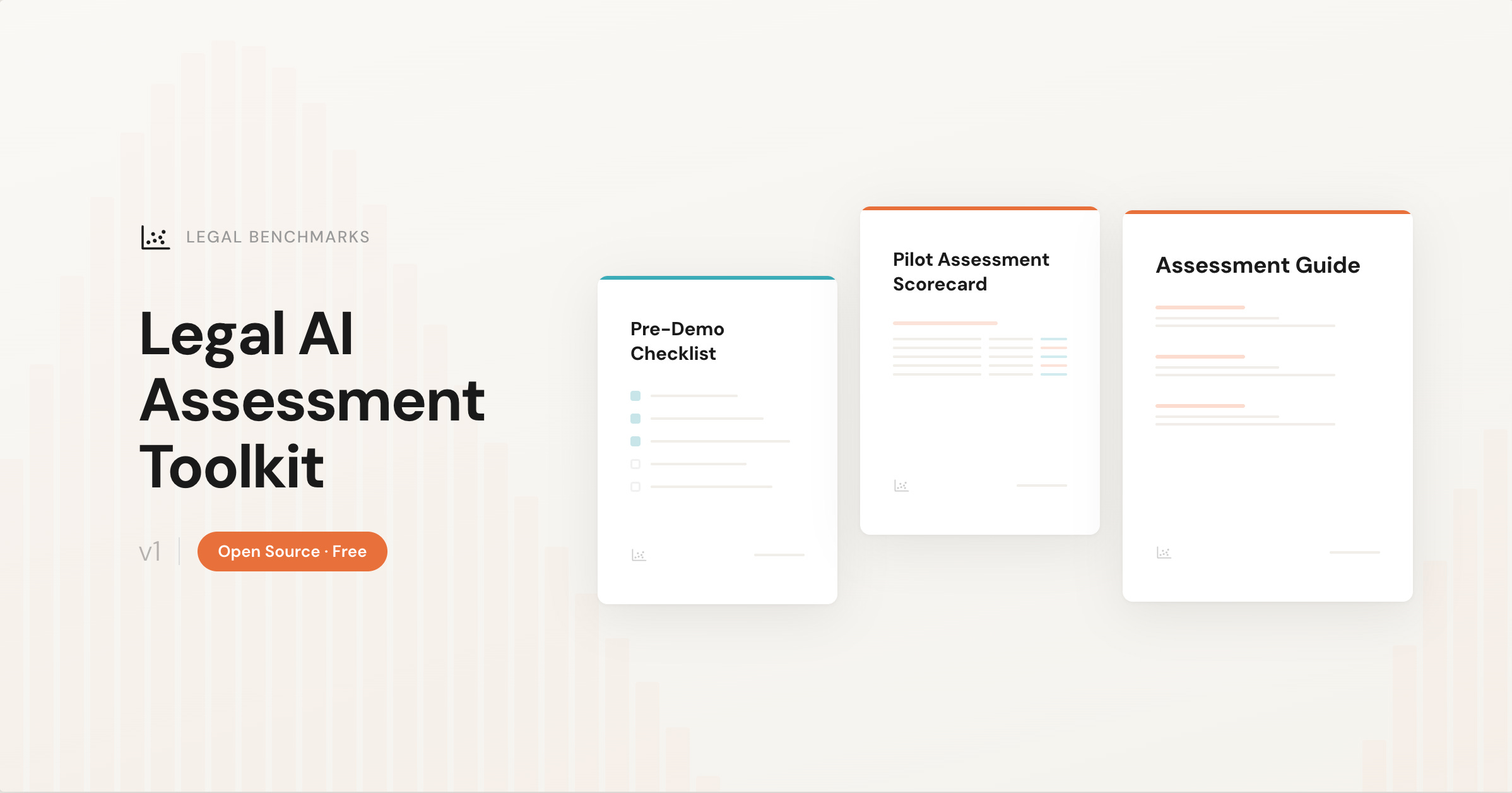
Last year we evaluated dozens of legal AI tools at HVG Law. It took months. Vendor calls, security deep-dives, pilot testing, internal alignment. The right steps, but we had to figure out the process as we went.