
If you have visited the Vatican Museums you will almost certainly have noticed a giant bronze pinecone, one can hardly miss it. Today it sits, as it has since about 1600, in a vast niche designed by Pirro Ligorio.
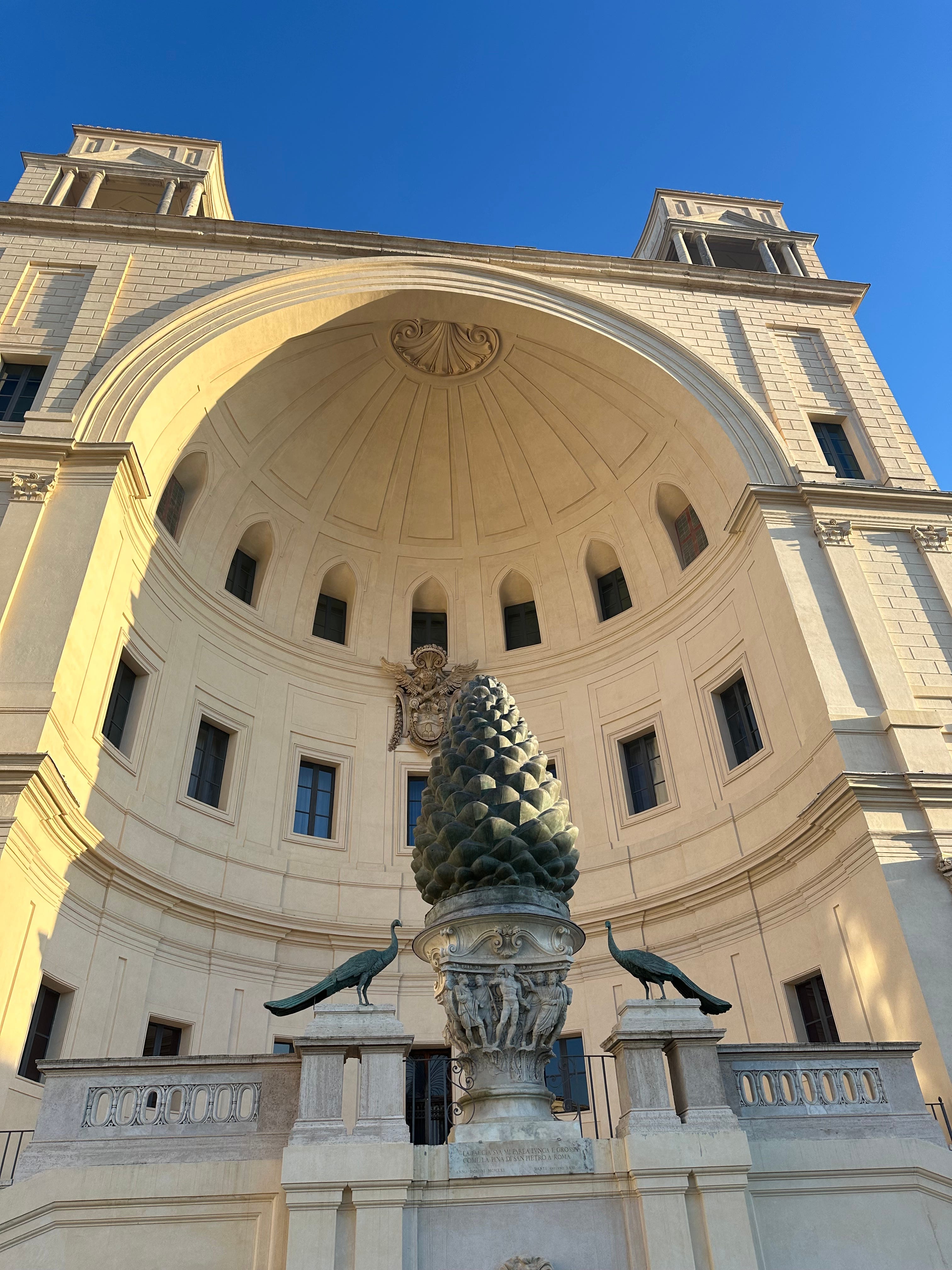
Below there is an inscription from Dante:
La faccia sua mi parea lunga e grossa
come la pina di San Pietro a RomaDivine Comedy, Inferno, Canto XXXI
“His face seemed to me as long and as fat as the pinecone of Saint Peter’s in Rome” it reads. The vast visage Dante alludes to belongs to Nimrod, the giant who guards the ninth circle of hell; that reserved for traitors. If we look beyond the simultaneously anachronistic and wildly unflattering description, it tells us that when Dante (probably) visited Rome during the first Jubilee year in 1300 the pinecone was still in front of Old St Peter’s.
It had been there since the eighth century when it was moved from the place it had languished near the Pantheon.
The bronze pinecone was originally gilded and is almost four metres in height (about thirteen feet). It dates to the second century (when things were going well and the statue output of Rome was at its peak; without meaning to be overly facetious, if in doubt the second century is always a good bet). It was cast by a certain Publius Cincius Salvius who is otherwise unknown but was a clearly celebrated enough sculptor to have signed it.
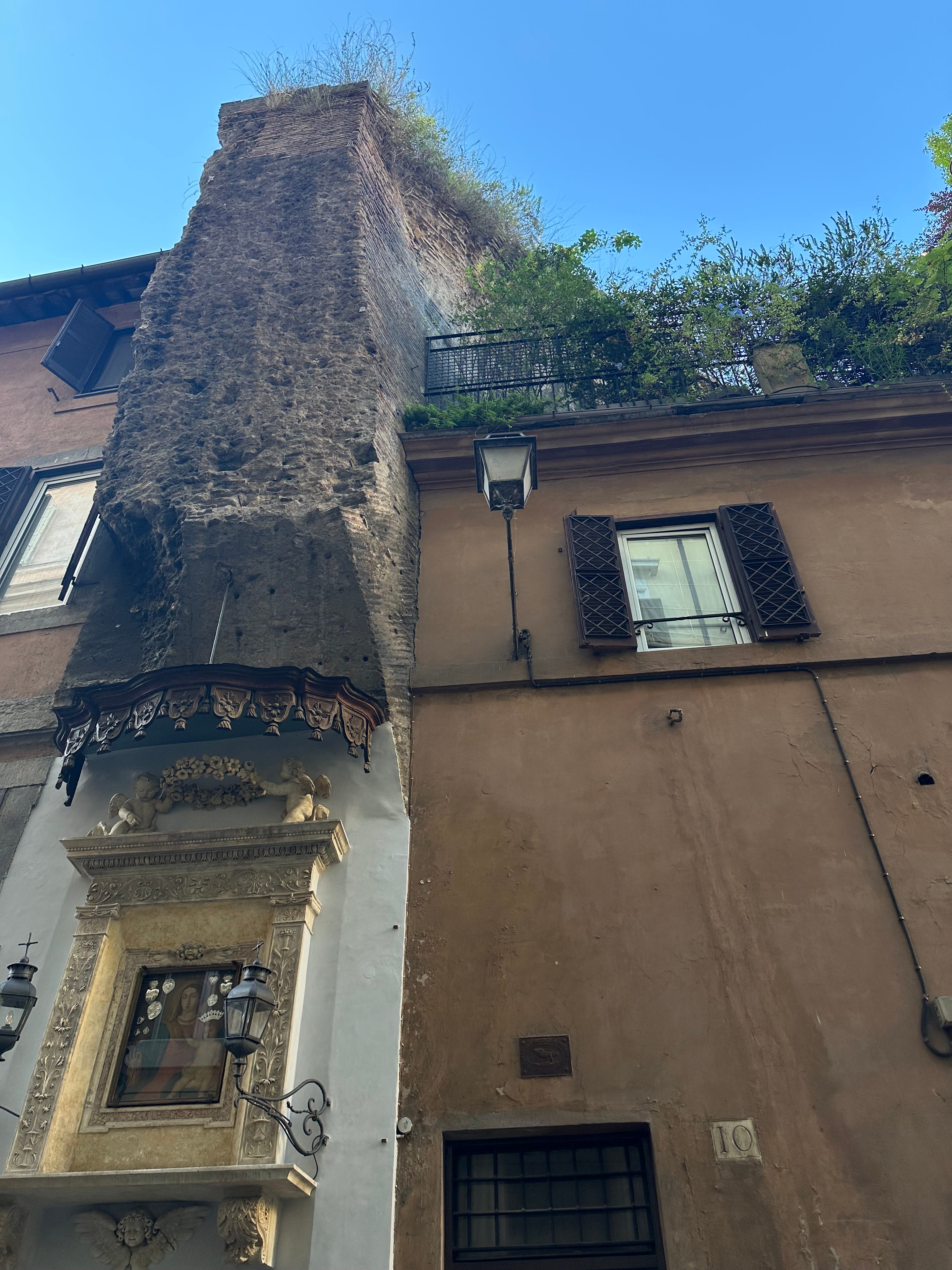
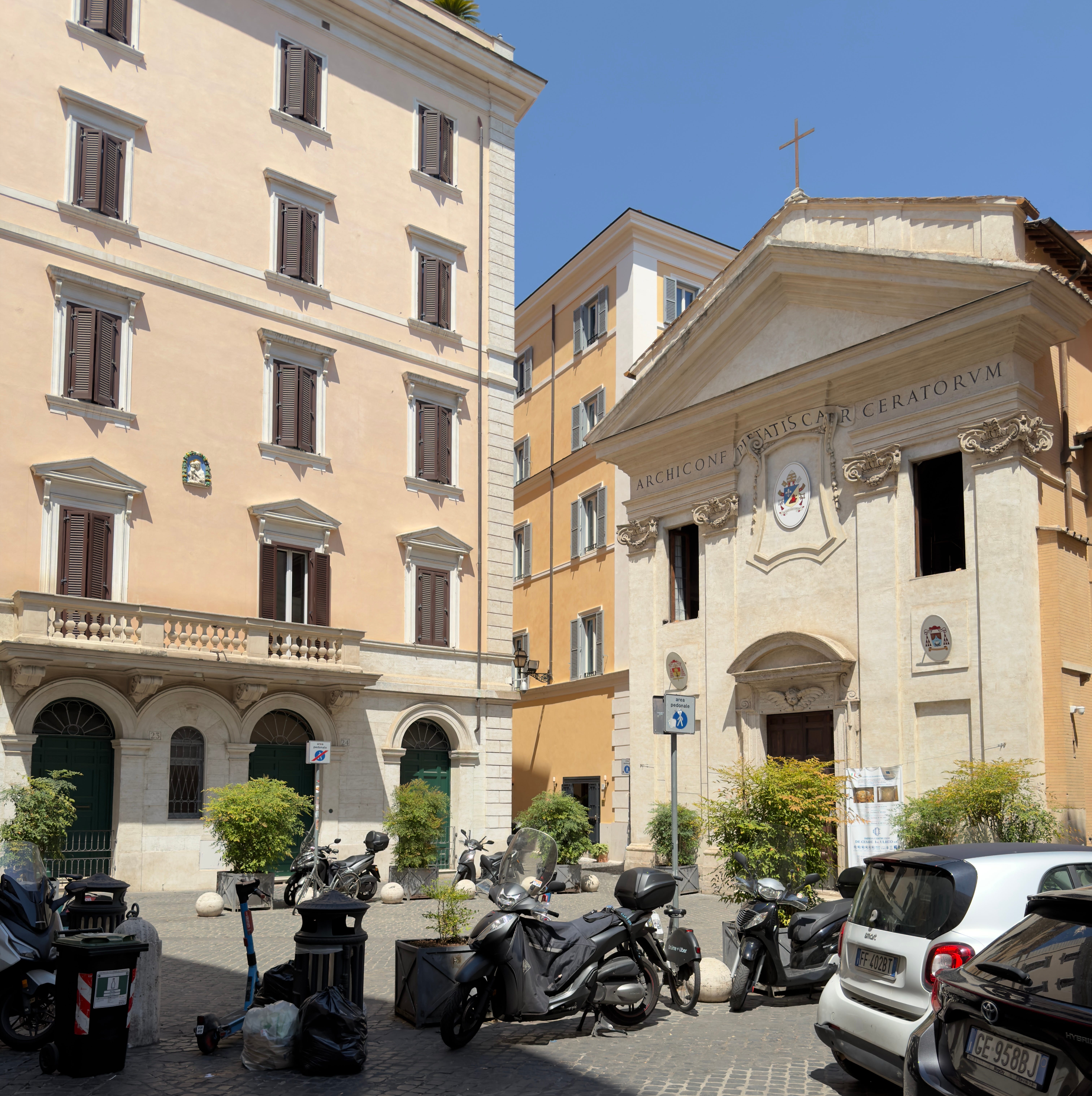
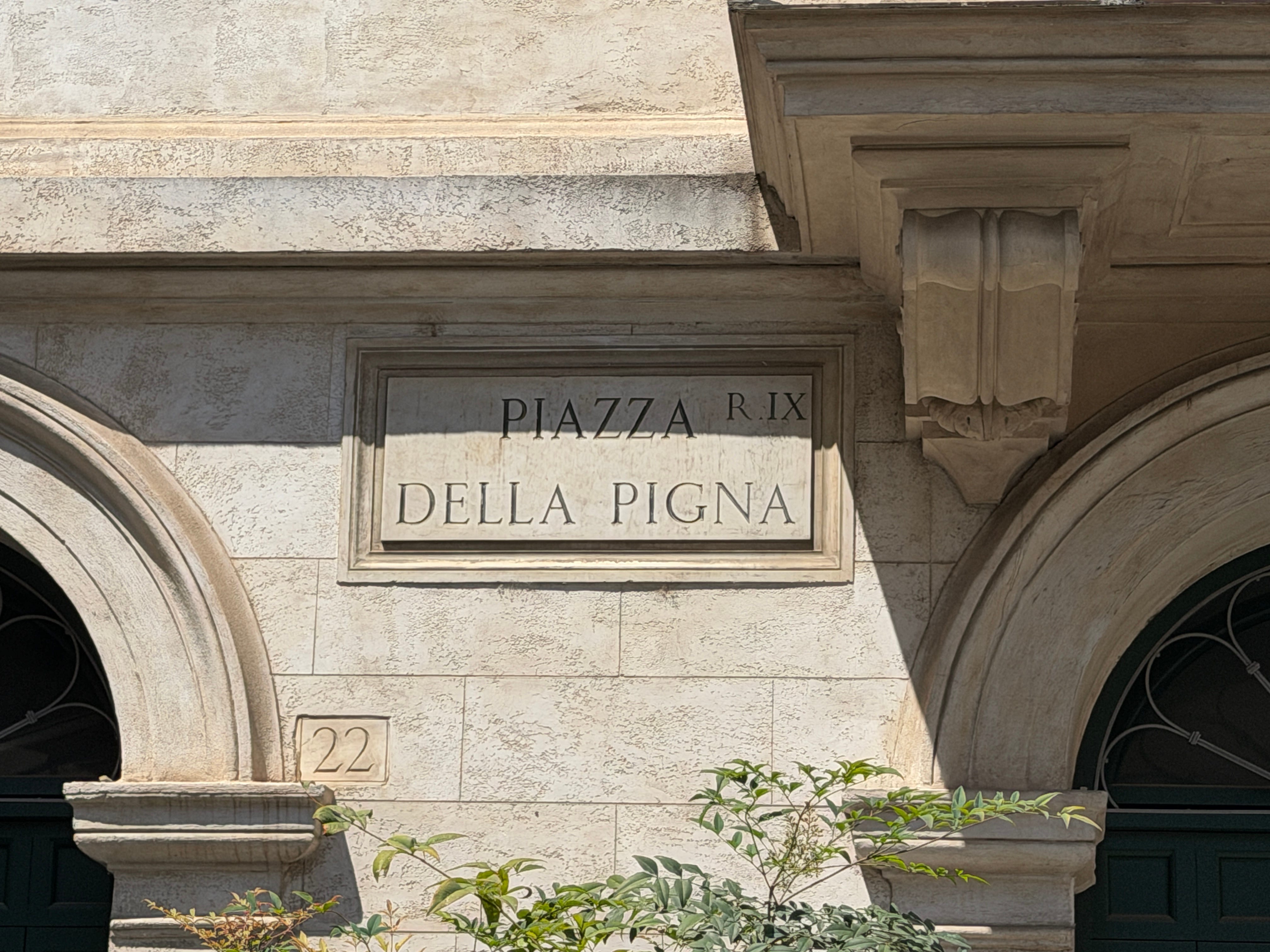
For the Romans pinecones spoke of fertility and prosperity, and this one originally functioned as a fountain. It originally perhaps perhaps decorated the Iseum, the great temple of Isis in the Field of Mars and came to light in the eighth century in what had once been part of the Baths of Agrippa and which is now the piazza della Pigna in its honour.
Comments
Nothing yet. Say the first thing.
Sign in to join the conversation.