
Hello friends,
It feels as if (and it is in fact true that) all of my October was spent somewhere else. I was in Japan, first Tokyo, Kyoto, Osaka, then a string of small villages in Wakayama while walking a short section of the Kumano Kodo, then Berkeley to demo a reasoning scaffold at the closing event for the Future of Life Foundation’s AI for Human Reasoning fellowship.
I came up with the term reasoning scaffold because they’re the visible structures of human subjective reasoning. More accurately, they are structures that have been made visible. Reasoning scaffolds are vital pieces of epistemic infrastructure, and we don’t know much about them at all. The two pieces of my writing I’ll link to this issue are both about reasoning scaffolds: inadvertently building one and realising its value, and outlining a research programme about them.

But first, walking in forests.
The Kumano Kodo is an ancient network of forested pilgrimage routes between old Shinto and Buddhist shrines and temples—it was a major site of practice for syncretic nature worship blending Shinto, esoteric Buddhism, and animism, and focused on enlightenment through mountain asceticism.
These days, the ancient way is no longer especially arduous. It is cleared, abundantly signed, well-maintained, and in many places even paved. There are stairs in some of the steep parts, and an active tourist economy along the way. For a fee, a Kumano Kodo luggage service will take your impedimenta from town to town, leaving you lightweight on the trail.
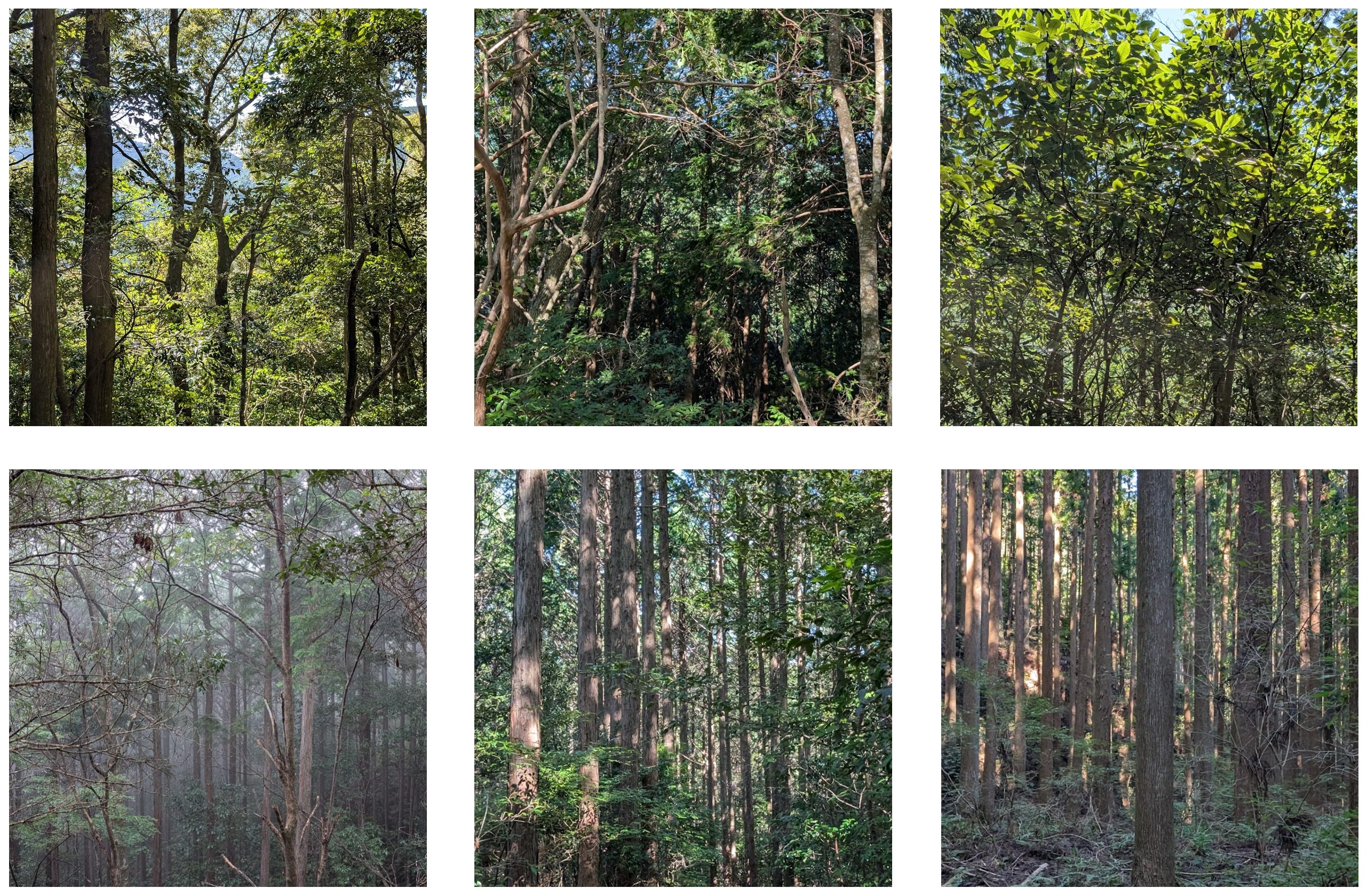
In the Auvergne during the lockdowns, I went on long walks nearly every day — sometimes 4-5 hours on- and off-trail winding up, down, and around the volcanic mountains of the massif, deserted other than for the distant sounds of hounds and hunters.
Conifer forests smell and look different from deciduous forests, and the underbrush is open enough to see through. The mountain forests through which the Kumano Kodo runs are cedar and cypress; those of the Auvergne are plantations of pines and Douglas fir.
The feeling, though, was much the same.
Prototyping a reasoning scaffold. I’ve been prototyping an AI tool that uses Socratic mirroring to build a reasoning scaffold that helps users develop stronger arguments. Testing a fully functioning prototype across universities, corporations, startups, and government shows that the method generalises: Users doing real work with real stakes find it useful enough to want their institutions to provide it. Theoretical innovation in meaningmaking translates directly into practically useful meaningmaking tools. 6 October, 2025.
Reasoning scaffolds: An infrastructure for human subjective reasoning. Every important decision requires subjective reasoning about objective facts—deciding what matters and why. Yet we have almost no explicit frameworks for this work, which is a source of civilisational fragility in an age of AI and accelerating political and social fragmentation. Reasoning scaffolds fill this gap: they’re an explicit structure to make subjective reasoning visible and learnable. When tested with university students, they were able to use it to generate dramatically better arguments in 75% less time. But we still lack a robust theoretical foundation for reasoning scaffolds—understanding what scaffolds share across domains, how to annotate the artifacts of subjective reasoning to show their structure, and how to make this machine-legible for human and AI training. A research programme addressing these questions would create infrastructure for both better human subjective reasoning and AI systems that support human judgment rather than displace it. 22 October, 2025.
“‘This is a problem everybody has been attacking as a STEM problem,’ Mr. Kobek said in an interview, referring to the fields of science, technology, engineering and mathematics that underlie cryptography. Cryptographic science, he argued, could not solve Kryptos—‘but library science could.’” (Previously, about Kryptos.)
See you next week,
VT
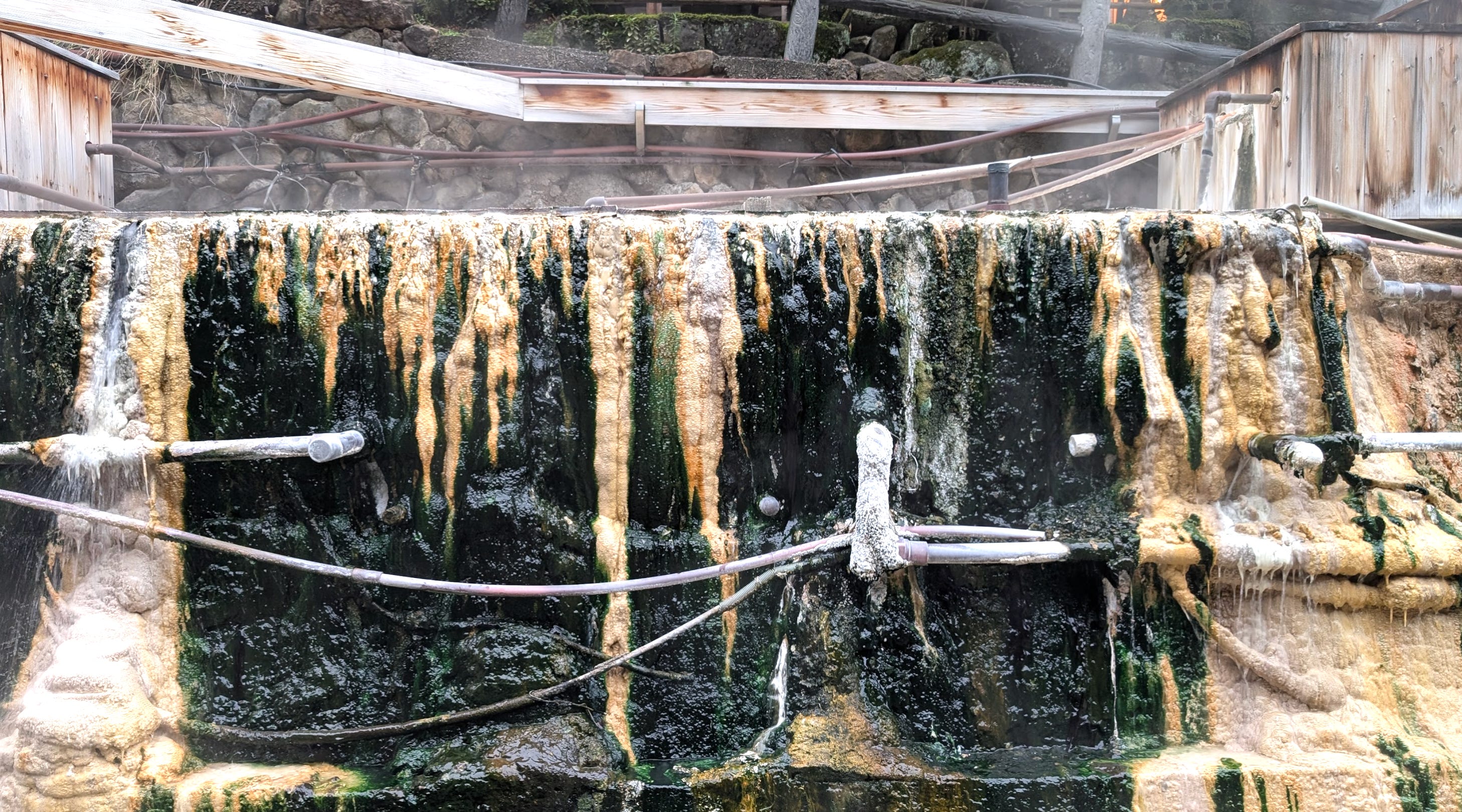
Yunomine Onsen: “Water quality: Effective against when drunk: Digestive disorders, diabetes, gout, women’s diseases, etc.; Effective against by bathing: rheumatism, nervous disorders, skin diseases, diabetes … commonly called Japan’s oldest spa … It is also said that the water changes color seven times a day.”
No posts
Comments
Nothing yet. Say the first thing.
Sign in to join the conversation.