
Letters on self-abandonment, identity, and finding your way back.
I used to think trusting myself would arrive in some obvious way. Like I’d get there and know straightaway that this is what trusting myself is.
I imagined there would be a moment when the doubts disappeared, my confidence became unshakeable, and I would walk into every room knowing exactly what to say and believing wholeheartedly in what I had to offer.
Instead, it arrived so subtly that I almost missed it.
Last week I hosted another Rest & Restore evening. As always, I felt nervous beforehand, but something about those nerves was different. They weren’t asking, Will this resonate? or Will people think I’m good enough? They were wonderfully practical instead.
Had I packed everything?
Would the room be cool enough?
Had I remembered the candles, the water and the reflection sheets?
My heartbeat was slower than it had been at previous events.
And when the first participant turned up fifteen minutes early, I didn’t get annoyed that I’d lost my grounding time. I simply said they were welcome to settle in (because that’s the whole point) and that I’d still be starting at 6.15 pm — which I did.
I took a few moments outside in the blistering heat to quietly check in with myself. I took a few breaths, reminded myself that I knew what I was doing and asked for a lovely evening for everyone.
Somewhere between loading my car and welcoming everyone through the door, I realised that my nervous system had stopped questioning whether I was capable of doing the work itself.
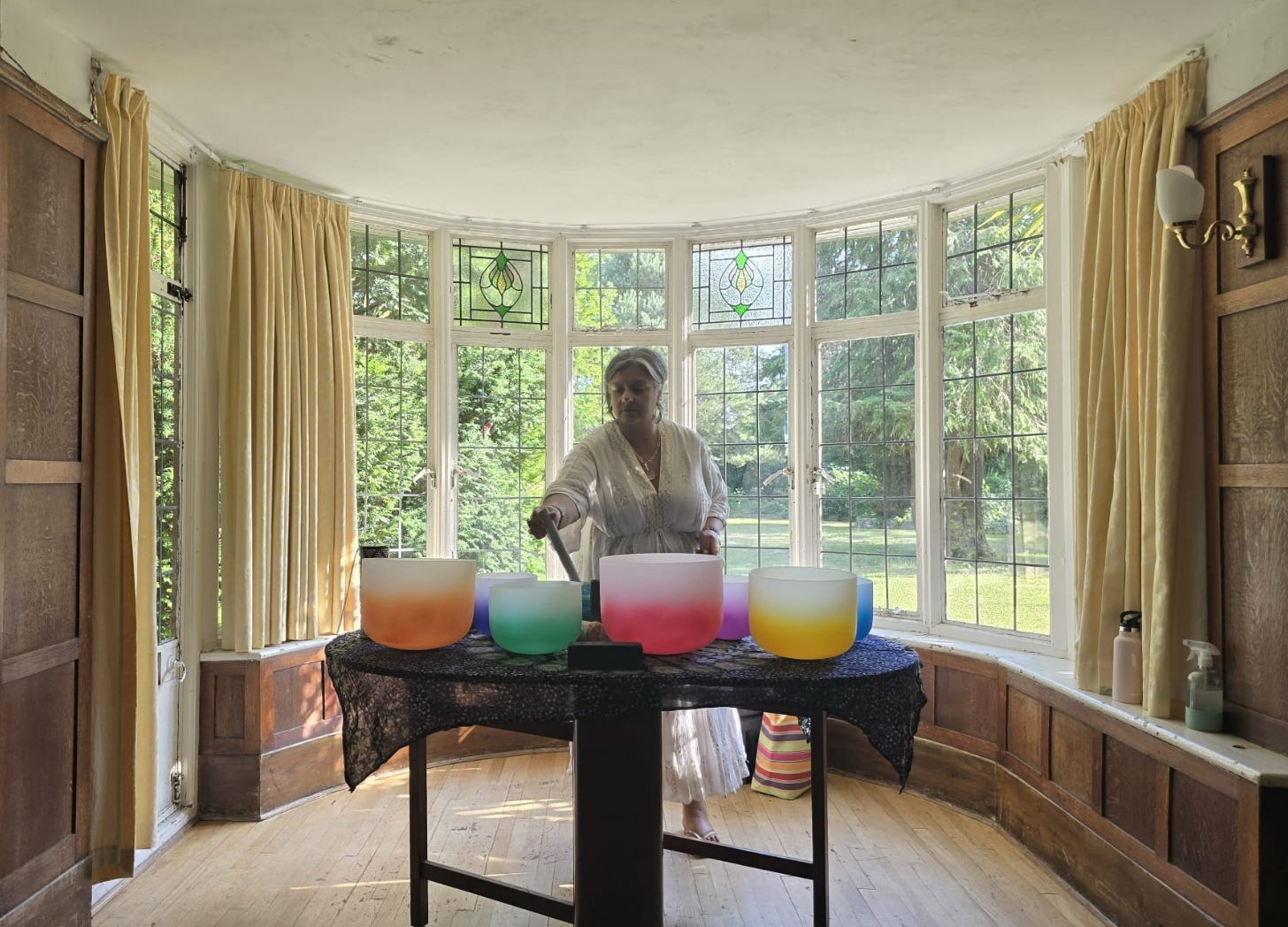
For years, that question had sat beneath almost everything I created. Every workshop, every retreat, every conversation carried the weight of wondering whether I was enough. Would people connect? Would they leave disappointed? Would they understand what I was trying to offer?
This time, those questions simply weren’t there.
The work had become familiar. Not because I had mastered every situation or because I no longer cared what people experienced, but because I had finally stopped auditioning for my own life.
One of the women attending had never met me before. Throughout the evening she was quiet and difficult to read. In the past, I would have spent much of the session trying to interpret her silence, searching for clues about whether she was enjoying herself or wishing I’d done something differently.
Instead, I found myself returning to something much steadier.
My role wasn’t to convince her of anything.
My role was simply to hold the space well.
Towards the end of the session, everyone spent time reflecting privately on some paper I had given them. As I brought the evening to a close, I shared a few observations with each person individually, speaking to what I sensed without revealing anything they had written. When I spoke to her, I noticed her eyes fill with tears.
Later that evening she sent me a message asking me to let her know when I’d be hosting my next retreat.
The other two women had equally meaningful experiences. One has supported my work ever since I met her and has always seen something in me that I sometimes struggled to see in myself. The other and I had barely spoken before that evening, yet she left saying she had been deeply moved by the experience.
A few years ago, I would have treated those moments as evidence that I was finally good enough.
This time they felt different.
They weren’t proof.
They were confirmation.
The knowing had already arrived.
I’ve realised this is what self-trust actually feels like.
It isn’t loud.
It doesn’t demand certainty.
It doesn’t eliminate nerves.
It simply changes the questions you’re asking yourself.
People often ask me what I actually do.
I could talk about meditation, sound healing, coaching or reflective practice, but none of those things is really the work.
The work is helping people hear themselves again.
Not my voice.
Theirs.
The quiet voice that sits beneath the noise of responsibility, comparison, pressure and other people’s expectations.
The voice that usually knows what we need long before our minds catch up.
Looking back, I can see that this is exactly what has been happening to me too.
Over the past few years, I’ve spent countless hours writing, reflecting, sitting in silence, questioning old beliefs and allowing uncomfortable truths to surface. Slowly, almost imperceptibly, the voice of my inner critic has become quieter while another voice has become easier to recognise.
It doesn’t shout.
It doesn’t panic.
It rarely insists that I have all the answers.
It simply offers the next honest step.
I’ve stopped confusing peace with certainty.
I’ve stopped believing that confidence should feel exciting.
More often than not, trust feels remarkably ordinary.
It feels like moving through the day without rushing.
It feels like your body softening instead of bracing.
It feels like finishing something meaningful without replaying every conversation afterwards.
That evening, I drove home, ate dinner, watched a little television, reflected on the session and went to bed. I didn’t need to analyse every word I’d spoken or search for reassurance that I’d done enough.
My nervous system already knew.
Perhaps this is why so many of us struggle to recognise self-trust when it arrives. We’ve been taught to expect fireworks when, in reality, it often feels more like coming home. There is a steadiness to it that is difficult to describe until you’ve experienced it yourself.
It’s the quiet confidence of no longer needing permission to be who you already are.
Maybe trusting yourself isn’t about becoming fearless after all.
Maybe it’s about becoming so familiar with your own inner wisdom that, when life becomes noisy, you know which voice is yours.
When was the last time you noticed the quiet voice within you before someone else permitted you to believe it? And if you trusted that voice just a little more this week, what might you do differently?
With love,

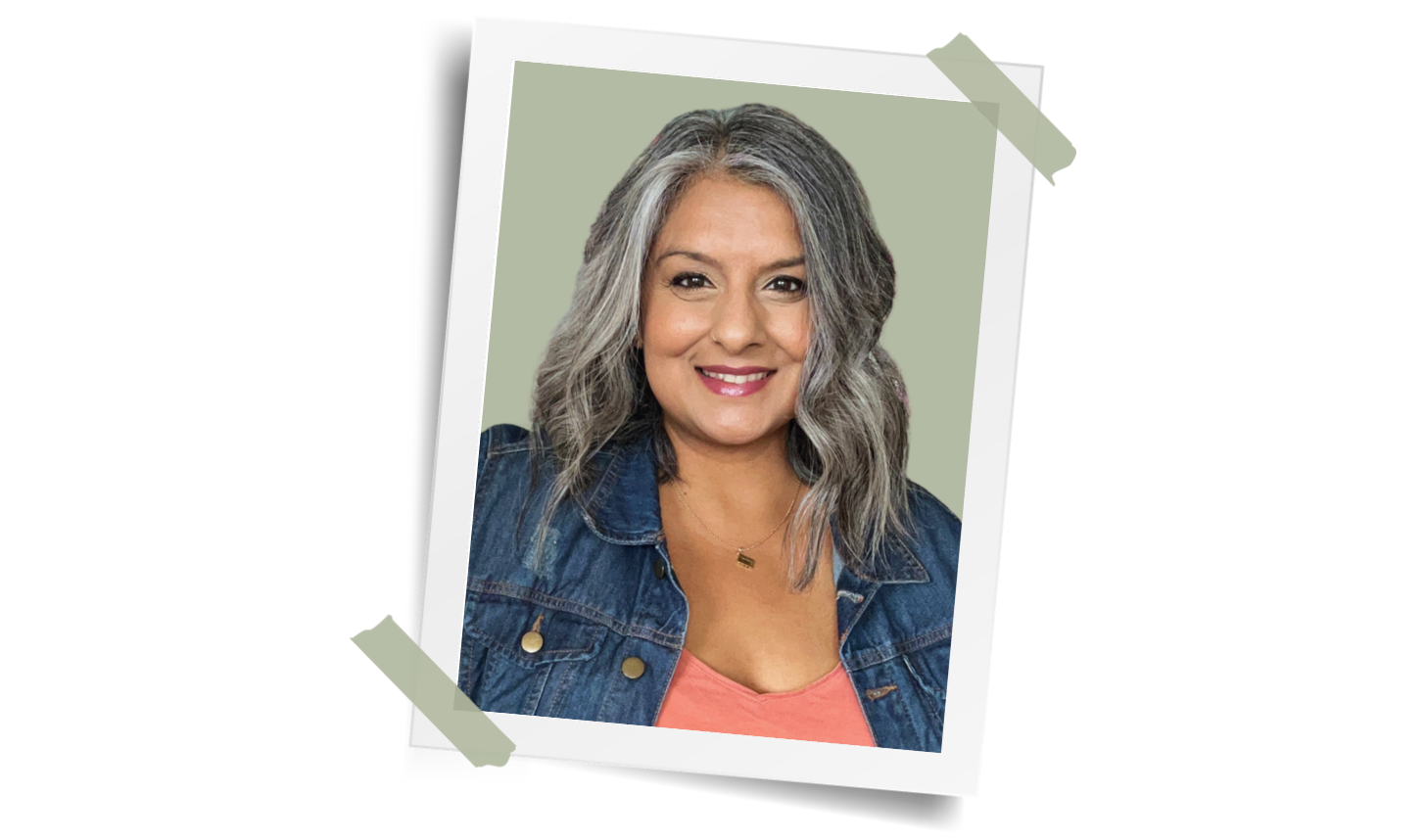
I'm Puja McClymont, a wellbeing educator, speaker, and author helping people build their lives around wellbeing because everything else depends on it.
Through speaking, restorative wellbeing sessions and 1:1 support, I help people reconnect with themselves to create lives that feel more fulfilling and sustainable.
You can find out more or work with me at pujamcclymont.com
Comments
Nothing yet. Say the first thing.
Sign in to join the conversation.