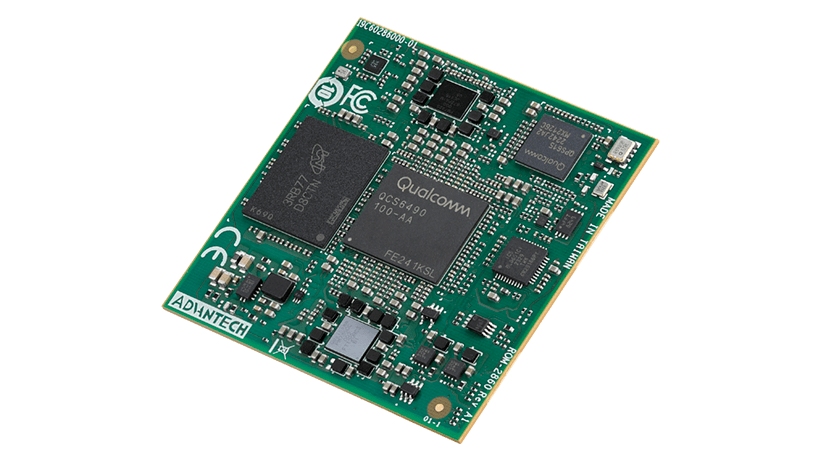
Canonical is pleased to announce that NVIDIA’s newly introduced NVIDIA Nemotron 3.5 Lightning, an open, customizable model built for always-on AI agents, is now available on Ubuntu with single-command installation. NVIDIA Nemotron 3.5 Lightning is an open 30B hybrid Mixture-of-Experts (MoE) model with 3B active parameters, designed for high-throughput agentic workloads. It is fully customizable,…
Confidential computing is moving quickly. The foundation is already here: AMD SEV-SNP and Intel TDX have made it possible to run confidential virtual machines (VMs) with stronger protection for data in use. Ubuntu 26.04 Long Term Support (LTS) brings integrated host and guest support for both of these technologies, making confidential computing a native part […]
Most organizations already understand encryption at rest and encryption in transit. These controls are mature, widely deployed, and often explicitly referenced in security frameworks. However, runtime is different: when an application processes sensitive information, that data is typically available in memory. In a traditional infrastructure model, the workload owner may need to trust a large […]
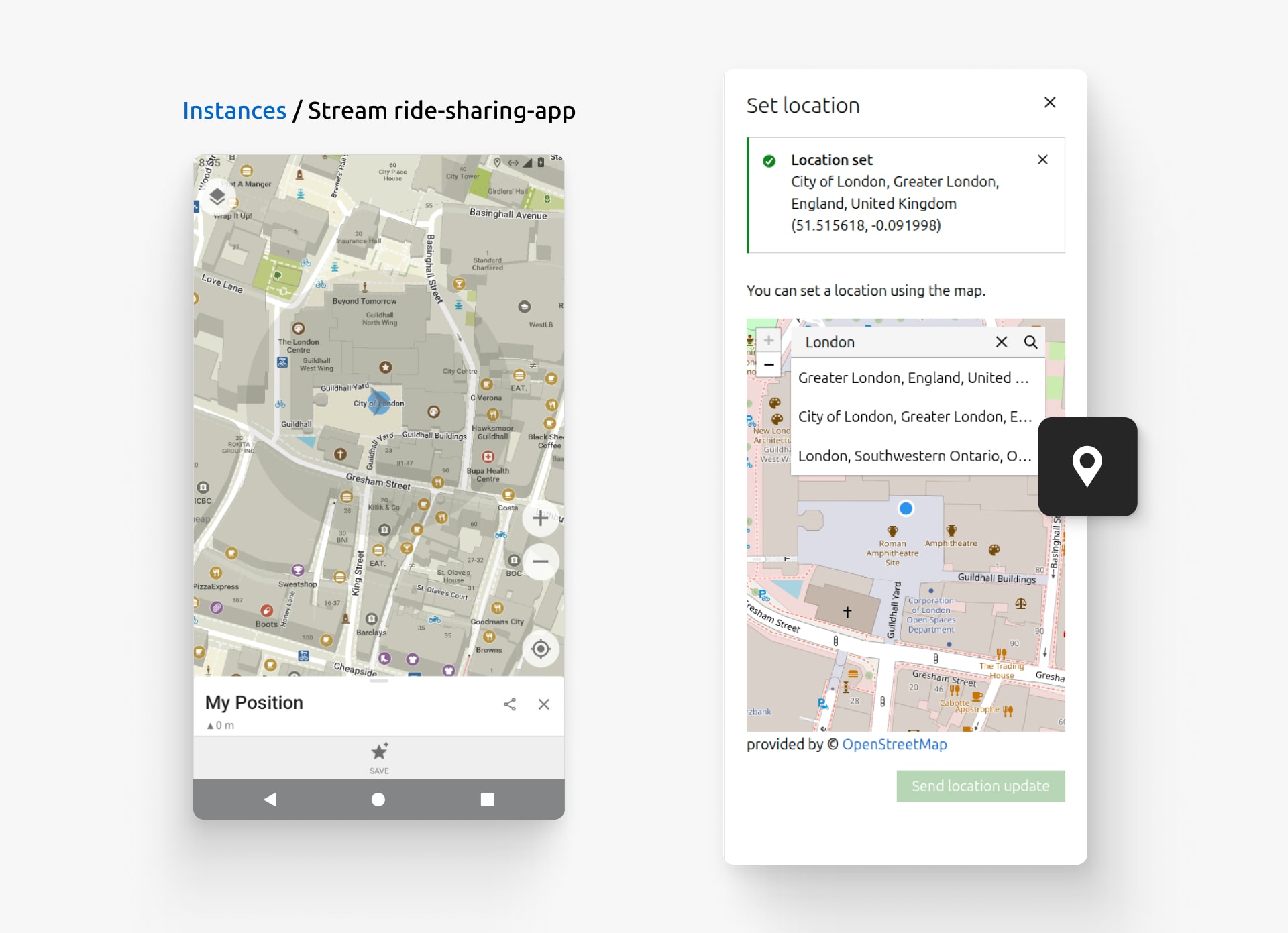
Meet Alex, an Android developer. In this article, we’ll follow Alex through their day to show you how Anbox Cloud supports Alex from feature development to release. Alex’s focus for today is building a ride-tracking feature for their ride-sharing app.
Canonical introduces a new way to manage software behind firewalls and in air-gapped environments with the Enterprise Store. The Enterprise Store makes software distribution manageable and scalable behind firewalls or in air-gapped environments. Available with an Ubuntu Pro subscription, the Enterprise Store respects the security protocols of strict environments, in a way that is controllable, […]
How Canonical Support helped a global retail organization trace the cause for an unusual memory leak originating in PID 1. By investigating the issue across three separate system layers our team was able to identify the source and fast-track a patch.
MAAS brings cloud-like automation to physical servers. It helps teams discover, commission, deploy, and repurpose machines from a central control plane, turning bare metal into a programmable resource. But to experience that value, users first need to get MAAS up and running. That path is now cleaner and easier to follow. We’ve created new documentation […]
Introduction A local privilege escalation (LPE) vulnerability affecting the Linux kernel was publicly disclosed on July 6, 2026. The vulnerability was assigned CVE ID CVE-2026-53359 and is referred to as Januscape. This vulnerability affects all Ubuntu releases. Neither NVD nor Kernel.org have published their own CVSS scores for this issue; we calculated it as CVSS […]
Modern infrastructure teams are expected to deliver cloud-like speed, consistency, and reliability, even when their workloads run on physical servers. Bare metal remains essential for many environments: private clouds, Kubernetes clusters, AI infrastructure, edge sites, regulated platforms, and large Ubuntu estates. But operating physical infrastructure at scale is difficult when provisioning,…
A platform is an environment that allows software to run smoothly across the infrastructure, runtime, and application layers. The key word there is “smoothly”: a good platform connects those layers so well that you don’t notice it. That’s what Ubuntu Server has become: the essential layer between bare metal and the apps running on top, […]
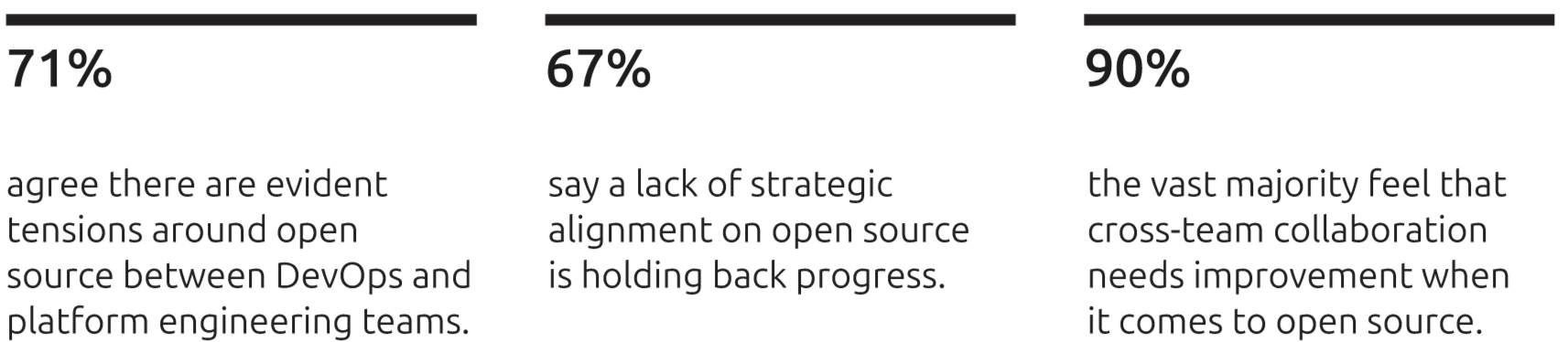
Canonical is pleased to share its latest research report, “The open source chain of trust.” Based on a survey of 500 DevOps professionals, the report highlights how organizations approach their open source software supply chains. While many companies are moving toward verifiable provenance and automated security workflows, internal misalignment and disjointed approaches remain serious challenges…