
Welcome to The Type 2 Traveler’s guide files. I believe guides are unsung heroes. They’re perpetual students and teachers. When I go through my digital rolodex, these are the people who have shepherded me through the outdoors over the years. Whether you’re looking for a backcountry ski guide or someone to lead you on a hike in Hawaii, these are the folks to call.
A lot of people choose a safari based on the lodge. But really, the memories you take home happen out in the bush. And that experience is orchestrated by your guide. When you stay at Royale Malewane, part of the Royal Portfolio, you don’t have to choose between style and substance. The collection of four lodges in South Africa’s Greater Kruger National Park is designed by owner Liz Biden in her signature maximalist style. And the guiding team is considered the most qualified in Africa and includes two of just five CyberTracker-qualified Master Trackers in the world.
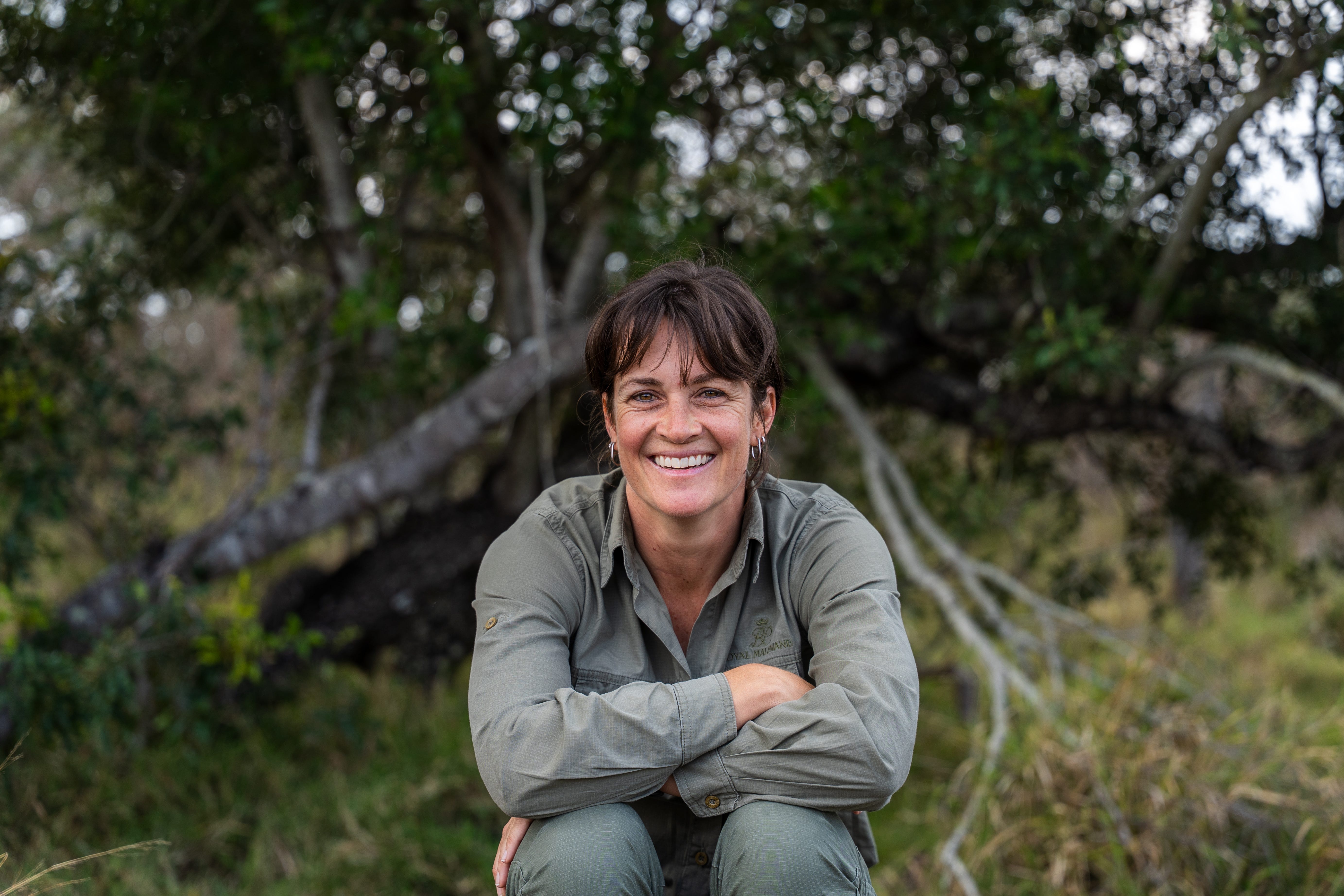
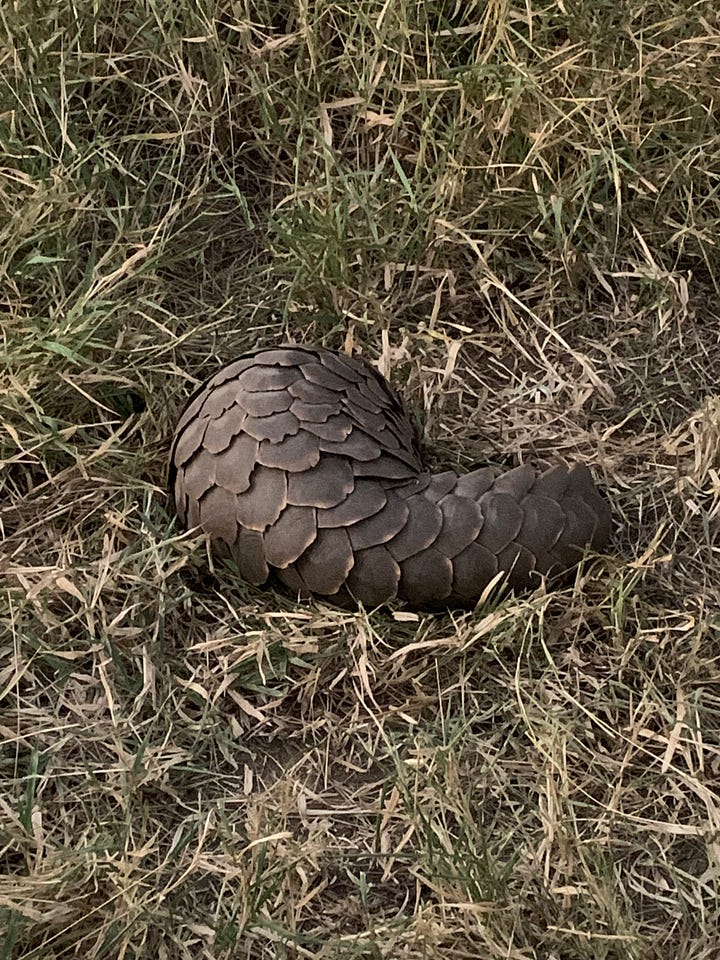
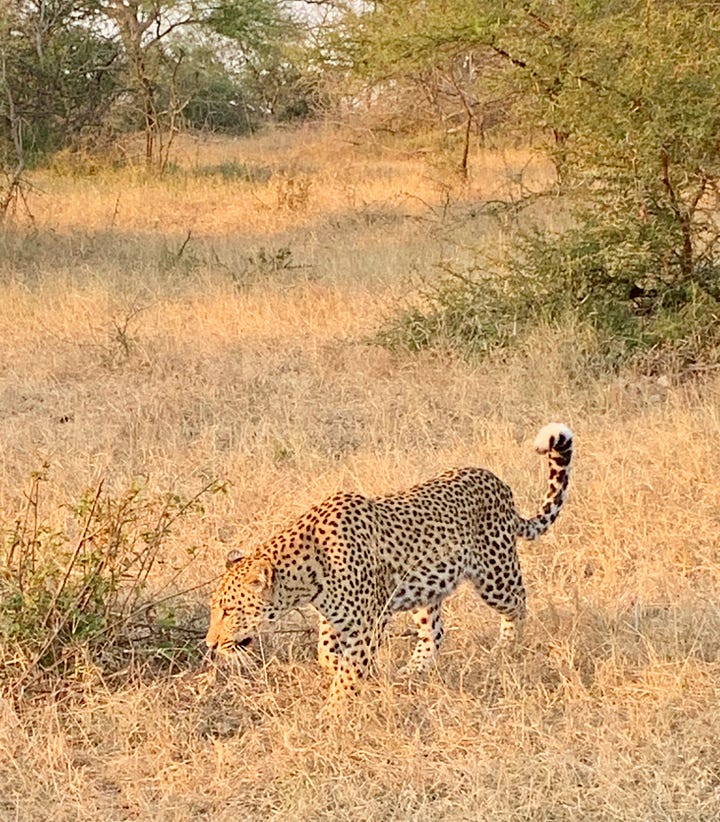
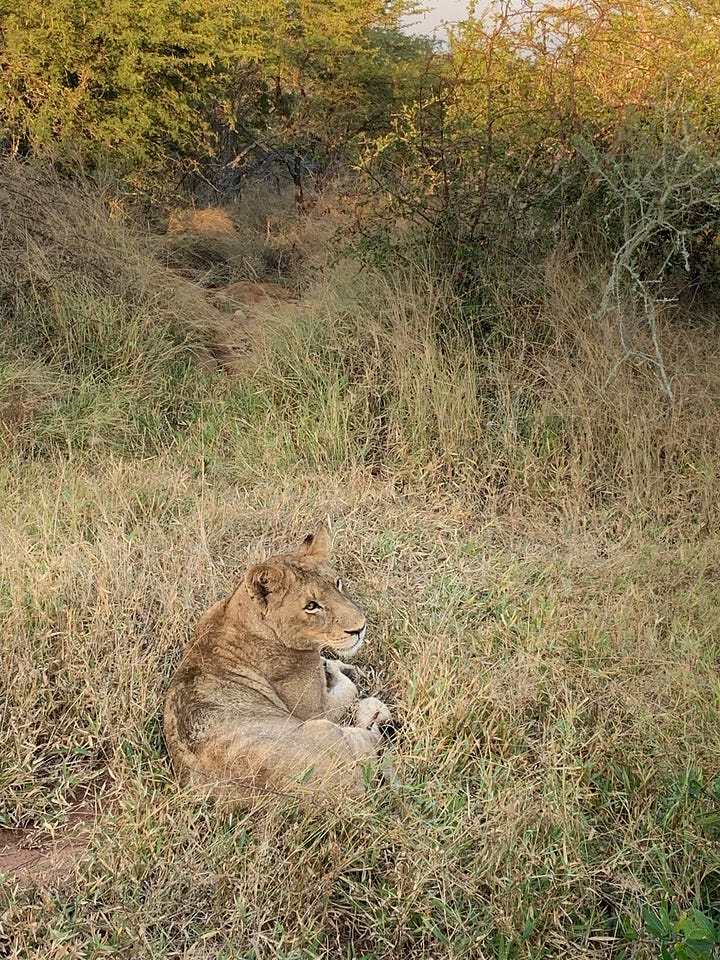
Royale Malewane also employs one of South Africa’s very few female guides, Nicola Bargiacchi. I was lucky enough to be paired with her a few years ago and she ruined me for safaris. Within hours she and her tracker, Bennett Nyathi, led us to a snoozing lioness, a herd of buffaloes, a white rhino, a leopard stalking its prey, and even the highly elusive, prehistoric-looking pangolin. I thought that was what every safari experience after would be like. This set a bar that has yet to be surpassed.
During my time with Nicola, she shared her journey to Royal Malewane, where she has now worked for more than 15 years. As an apprentice, she was required to live two years in a tent in the bush. I don’t know if I’d last a week. She was mentored by Master Tracker and Scout, Juan Pinto, who serves as head of Royal Malewane’s guiding team. They logged 400 hours together exploring the bush in a Jeep and she estimates they sat together 1,000 hours in the bush just observing. Even with her credentials, it took her two years to find a tracker willing to work with a woman. She and Nyathi have now been working together for over a decade. They are the ultimate dynamic duo.
Here, the mother of two young girls talks about what she misses from her time living in a tent in the bush, why female guides have special superpowers, and what sets the Royal Malewane safari experience apart from any other.
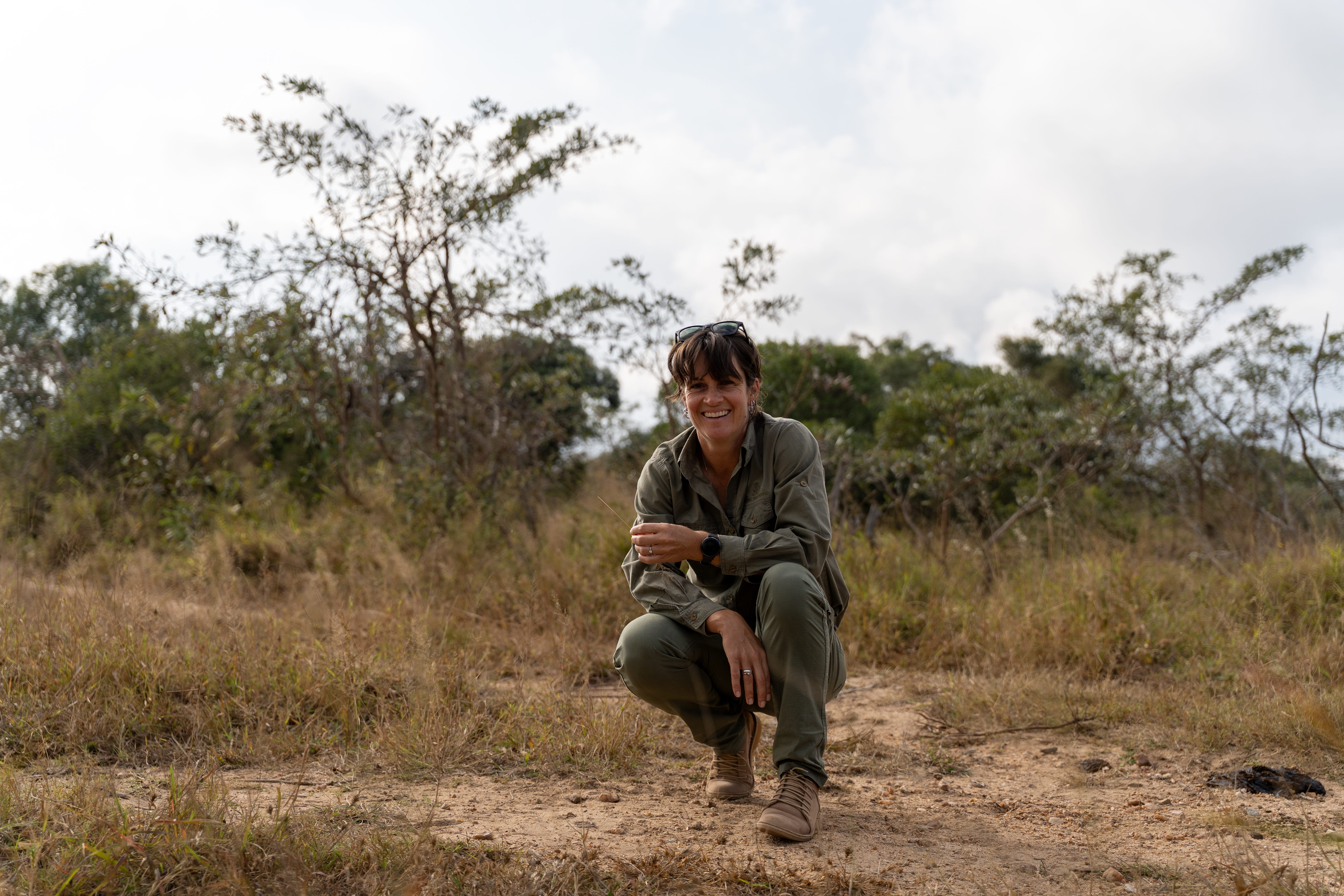
What was your path to a life in the bush and becoming a guide? Did one particular childhood experience plant the seed?
“I had the privilege of spending holidays with my family in the Kruger and also had the bonus of having a grandfather that shared his passion and love for wildlife with me from a very young age. I still have memories and photos of being in his arms as a baby whilst walking around in the bush. His career, as a land surveyor for the Sabi Sands, ignited a real love in me for wildlife and every other aspect that falls into the ecosystem. I felt I was born with that love in me, and I was 7 years old when I knew I was going to end up in this area one day.
But if I had to put it down to one moment, it one evening on the Paul Kruger Bridge at the main entrance of the Kruger National Park. As we left the park to head home, there was this massive 12-meter truck parked on the bridge and I could hear the animals, or whatever was in there, breathing very loudly. I think the people waiting outside that truck noticed my curiosity and the veterinarian approached me and asked if I wanted to climb to the top and peak inside. I still remember like it was yesterday. I got up and finally got a peak of a rhino sleeping soundly in its crate, ready for its journey to its new home. I knew this was it; this is what I’m going to do when I’m big one day. Twelve years later, I was working for the exact same unit—Veterinarian Services and the Game Capture Unit—for South African National Parks.”
What’s the process of becoming a guide in South Africa? What was your path?
“There are several ways of becoming a guide but only one body that governs the qualifications of a guide: Field Guide Association of Southern Africa (FGASA). But I wanted a broader foundation, so I obtained a degree in nature conservation at a university in Pretoria. Stepping into guiding only came later in life, after I spent a couple of years in Europe, traveling and growing up. I have however, spent the last 16 years building on my career as a guide and the beauty of this industry is that it is a never-ending learning pit. You can only gain qualifications by the amount of work, time, and effort you put in. It’s not like a degree at uni when that’s all you’re doing, but it’s ticking away at theoretical exams, practical assessments before you can even think about the next qualification.”
Comments
Nothing yet. Say the first thing.
Sign in to join the conversation.