
Reposted from original author Pixels & Properties

He bought his first turnkey property in 2017.
Now he’s a full-time real estate investor in large apartment deals alongside his investors and other partnered operators.
He began his investment journey as a business development executive at Zillow.
Let’s dive into his story.
Tyler’s journey began as a business and corporate development executive at Zillow living in Seattle. In the mid-2010s, he and his wife had made good money after selling their first home, which was in stark contrast to the dismal performance they were seeing from their financial advisor who was only delivering a 4% annual return.
They trusted much of their savings with this advisor who invested into stock and bond portfolios and they knew a 4% return was barely keeping up with inflation, even in the mid-2010s. No bueno.
The windfall from the first home sale made things quite clear to Tyler: he needed to invest in real estate.
However, Tyler did not have any prior investing experience aside from working with a financial advisor. He didn’t know anything about rehabbing properties. He also didn’t know much about real estate markets outside of Seattle.
He needed to shore up his foundational knowledge of real estate investing and he set out with a goal to find a first rental property in his home market.
First, Tyler dove into books and podcasts. Below are the specific resources he used:
Books
Retire Early with RE - Tyler’s favorite
Rich Dad Poor Dad and Cashflow Quadrant for motivation
Big Shifts Ahead - to understand demographic trends for RE
Loopholes of RE - Legal advice + general
Building Wealth One House at a Time - General classic
Long Distance Real Estate Investing - Self explanatory
Tax Free Wealth - Self explanatory
Podcasts
Surely with this level of focus and information absorbing he was going to be off to the races in no time. No. The next two years were spent evaluating properties within Seattle and being unable to find anything that would pencil. He relied on Zillow data to rank areas and properties based on rent-to-price ratios (monthly rent / home price), targeting a 1% figure. This eventually became a family affair. His eight year old daughter joined the mission by helping color code his map based on rent-to-price ratios.
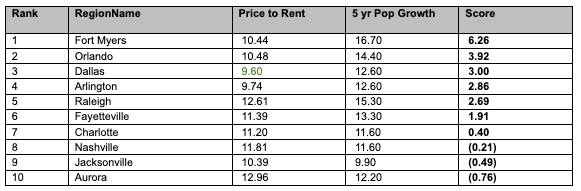
His next step was to find team members in each market, and he focused on finding turn-key operators given he did not want to manage any rehabs. For those unfamiliar with turn key operators, they essentially build or fix up homes and resell them to investors. Generally, the turn key operator will also help with initial underwriting to help their clientele.
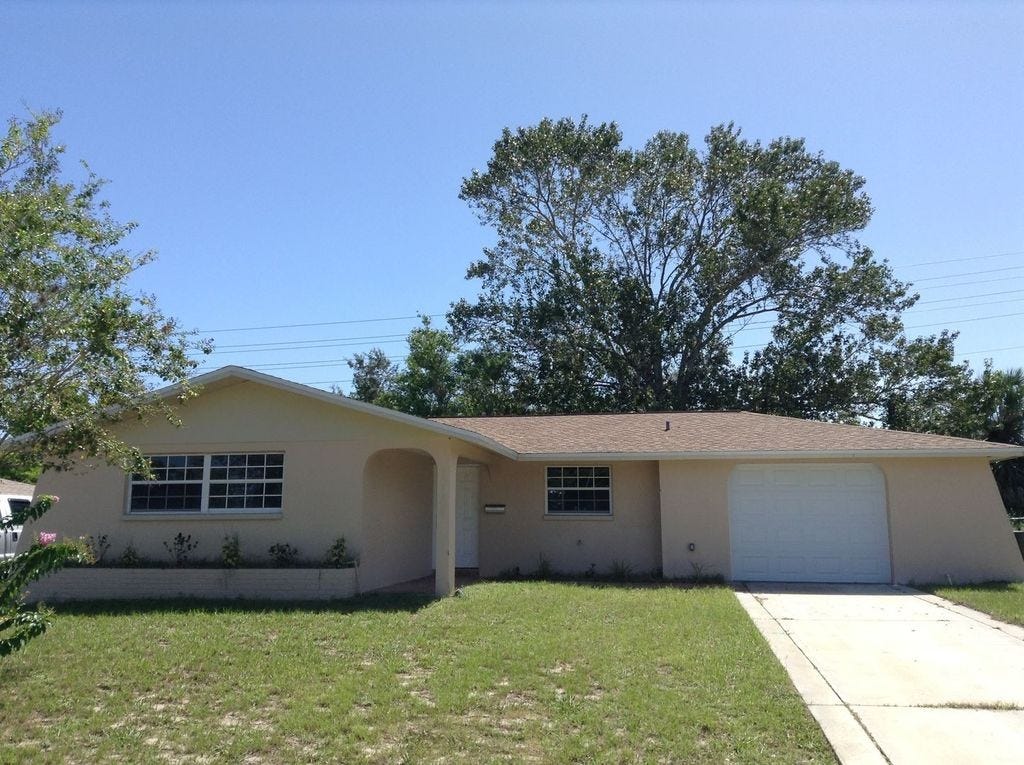
After repeating this process over the next 2 years the Moynihan’s had seven single family homes across Florida and Texas. However, two insights led to a change in strategy. While these homes cash flowed $300-$400 per month, that wasn’t enough to really move the needle. Second, the maintenance costs from properties bought in the 70s and 80s were chipping away at the returns. They decided to shift to duplexes and quads to boost cash flow and to buy new construction to minimize maintenance costs.
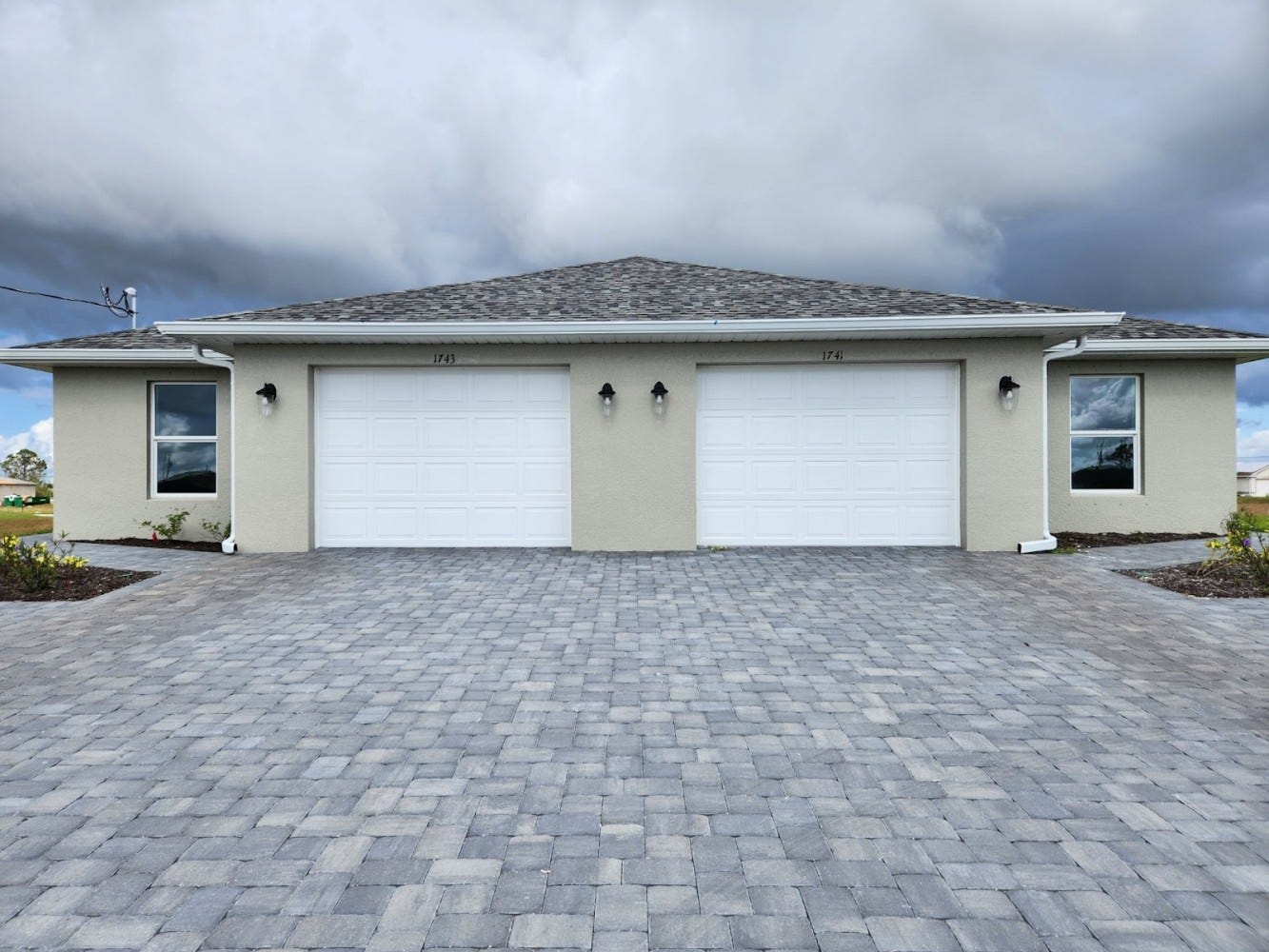
Eventually Tyler’s portfolio scaled to 13 properties with 23 units. Not bad for a few short years!
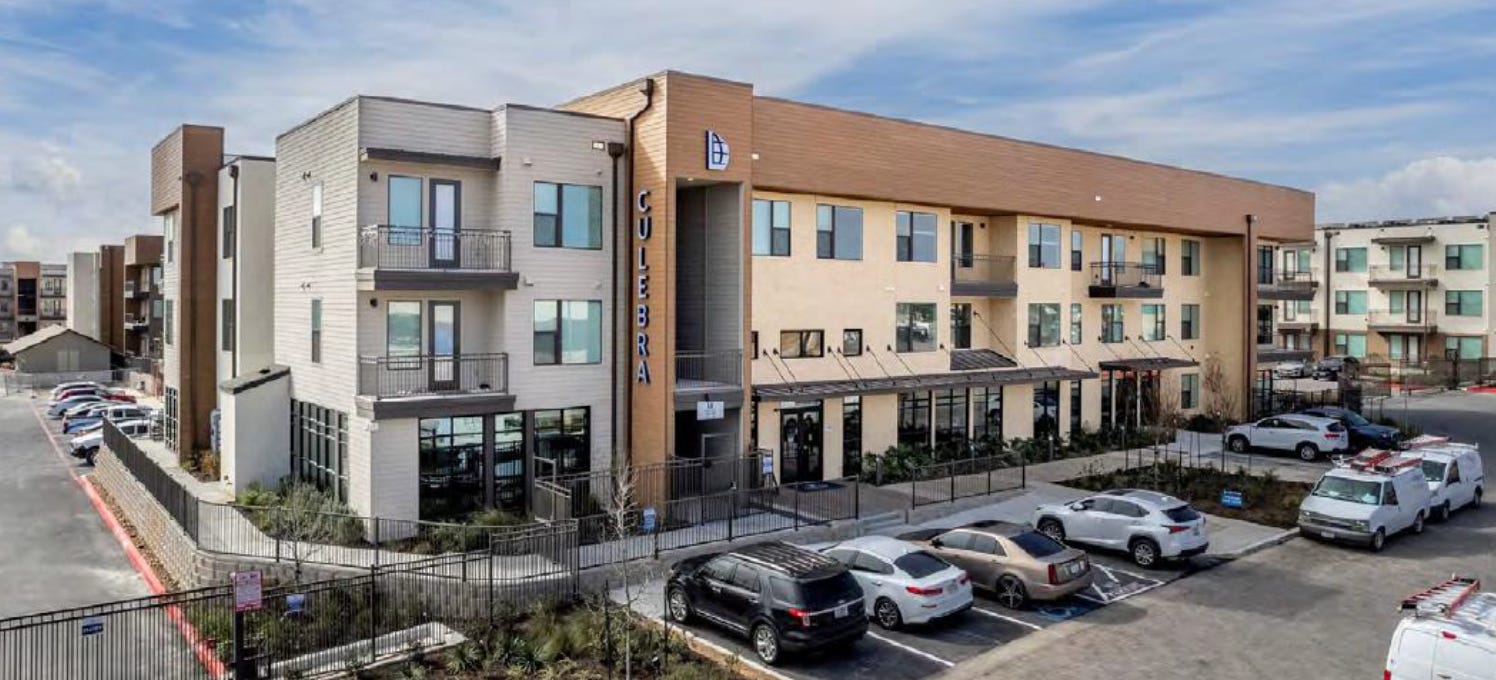
Flash forward to 2024 and Tyler is now a full-time real estate investor and founder of Clara Investment Group. He has moved on from single family homes and turn-key, small multi-families and toward large, passive apartment syndications.
He and his wife have benefitted from great equity growth across their portfolio and have achieved a 27% annual rate of return. MUCH better than the 4% they were getting from their financial advisor in 2015!
The Moynihans realized that once their portfolio got to about 20 units, the time commitment was too much. If they wanted to scale it would be better to own a small part of a 100 + unit apartment, for example, and reap many of the same financial and tax benefits of owing 100% of small properties. They had found a more passive way to grow.
Tyler and his wife now focusing on partnering with established multi-family operators with a proven track record and strong acquisition and operating know-how. They spend their time evaluating operators and their business plans rather than managing the properties directly.
They target deals with a 100% return over a 5 to 6 year holding period, with annual cash-on-cash returns exceeding 6% and IRR ranging from 12% to 18%. They have also branched out into debt and other asset classes.
They established the Clara Investment Group to help other investors who want to diversify their own portfolios and co-invest passively alongside them.
Once Tyler became a full time investor he found he had a LOT more free time than before. He enjoys spending time growing his new business, but also has much more flexibility than before to travel, attend his kids' sports events, and generally hang out with his family.
Tyler has learned a range of valuable lessons, which he has embedded into the philosophies that drive the Clara Investment Group. He also shares his insights in his own publication on LinkedIn:
Never wait too long to fire an underperforming property manager.
Beyond just looking at rent-to-price ratios and population growth, Tyler now incorporates other qualitative measures such as those shown on niche.com, school ratings on greatschools.com, crime ratings, median income, proximity to highways or commercial areas, and whether the property is in a flood zone. He has also learned the power of trusting local, boots-on-the-ground property managers. He has also found that optimizing strictly for cash flow would come at a cost of neighborhood and tenant quality; this is a common mistake of newer investors.
Tyler has observed that once home prices reach $200K, rents struggle to keep up, so he targets properties below $200K generally.
In general, Tyler targets 3 bed / 2 bath buildings or 4 bed / 2 bath. 2 bed / 1 baths or 3 bed / 1 baths are not as desirable to tenant populations and are harder to resell.
His target sweet spot for unit sizes is 1,200 - 1,600 square feet; any larger and maintenance expenses get higher, any smaller and there is less room for bedrooms, which is what drives rent.
When assessing deals from turn-key operators, Tyler will always get the perspectives of someone local that is independent from the providers to confirm whether their story tracks with the story and proforma match reality.
Many investors ignore return on equity; they may have adequate cash flow but if they have a lot of equity in the building their money can work harder for them if reinvested elsewhere with a higher yield.
They were happy with their single family and small multi-investments, particularly the huge equity growth over the last 5 years. But owning property directly was not passive, even when they used property managers. So they’ve been selling off their small properties to put more capital in syndications.
I’ve captured many of my learnings in my free eBook: Apartment Investor’s Guide:

Thanks for reading Real Estate Investing Strategy. Click below to get every new issue sent directly to your inbox.
P.S.
Comments
Nothing yet. Say the first thing.
Sign in to join the conversation.