
In 2009 I really wanted to become someone in the coffee world. I’d finally found something that captured my attention and wasn’t letting go. And there was more than enough to pay attention to. The world of coffee exists only in nuance: the many details of agriculture, like diurnal temperature shifts; arguments over how to best dry coffee cherries (in the sun vs a raised bed or by mechanical means), the fact that roasting coffee eight seconds longer will change the expression; and the brewing of espresso, which is the nexus of art and science. I wanted to know all there was about all of it. The business mostly attracted nerds, also, so I knew that even if I couldn’t be good, I at least had a head start on being cool.
It was this obsession with becoming a coffee celebutante that led me to improv, by way of the World Barista Championship. Forgive me for what you’re about to learn, but this is a real event where baristas present three drinks each to a panel of four judges. The competing baristas have chosen a coffee and worked with it for months ahead of time, learning each nuance and manipulating roast profiles and brew ratios to arrive at exactly what they’d like it to taste like. I’m realizing now how much this sounds like group sketch fodder. Using a headset in front of a crowd, each barista narrates the experience, talking at length about the coffee, the farmer who grew it, the tasting notes, the story of how it came to be. Judging is based on quality and taste, accuracy of the tasting notes, technical prowess, and—in my day—vintage-ness of suspenders.
Now you can’t just turn up at the World Barista Competition. There were regional qualifying events where the top few baristas were invited to the national competition, where it got a little real. The event was in a bigger venue and held in conjunction with the National Specialty Coffee trade show. It was a place where coffee pros from across the country and beyond would gather. Each competing country has its own version of this competition and only if you are crowned national champion do you get to move on and compete in the world championship.
I was fine at making coffee and getting better every day. The showmanship was what I wanted to master. I’ve always been outgoing enough and comfortable in front of people but this was different. This was performative and I wanted to don the headset and captivate my audience. So naturally I signed up for classes at Chris and Tammie’s 12th Street Improv Theatre and soul food kitchen.
The very first thing I learned is that improv is all about learning to be comfortable being uncomfortable. Making performance art with strangers on a stage with no script and no plan is hard.
That was the beginning of a journey that took me around the world, planted me in the middle of the greatest community of now lifelong friends that anyone could dream of, and got my name in the paper a few times. Imagine my life if I had won instead of placing 13th in the US.
The point is not that I’m an international coffee sensation, true as it may be. Those 4 weekends with Chris and Tammie (I don’t think Chris ever showed up) set in motion something that I could only articulate recently.
The entire premise of improv is “Yes and.” The job of each member is to build on the previous action and shape the story in the right direction. The instant someone says “no,” it’s over. The momentum is lost, the fun is gone, the show has ended.
I’ve done a lot of things since then. Owned some coffee companies, consulted all over the globe for coffee brands, helped open loads of restaurants and cafes, and these days find myself monogamously in love with the restaurant business. While my restaurant is closed as a result of the fires in Altadena, I’ve had some time to pursue some passions related to cooking and agriculture.
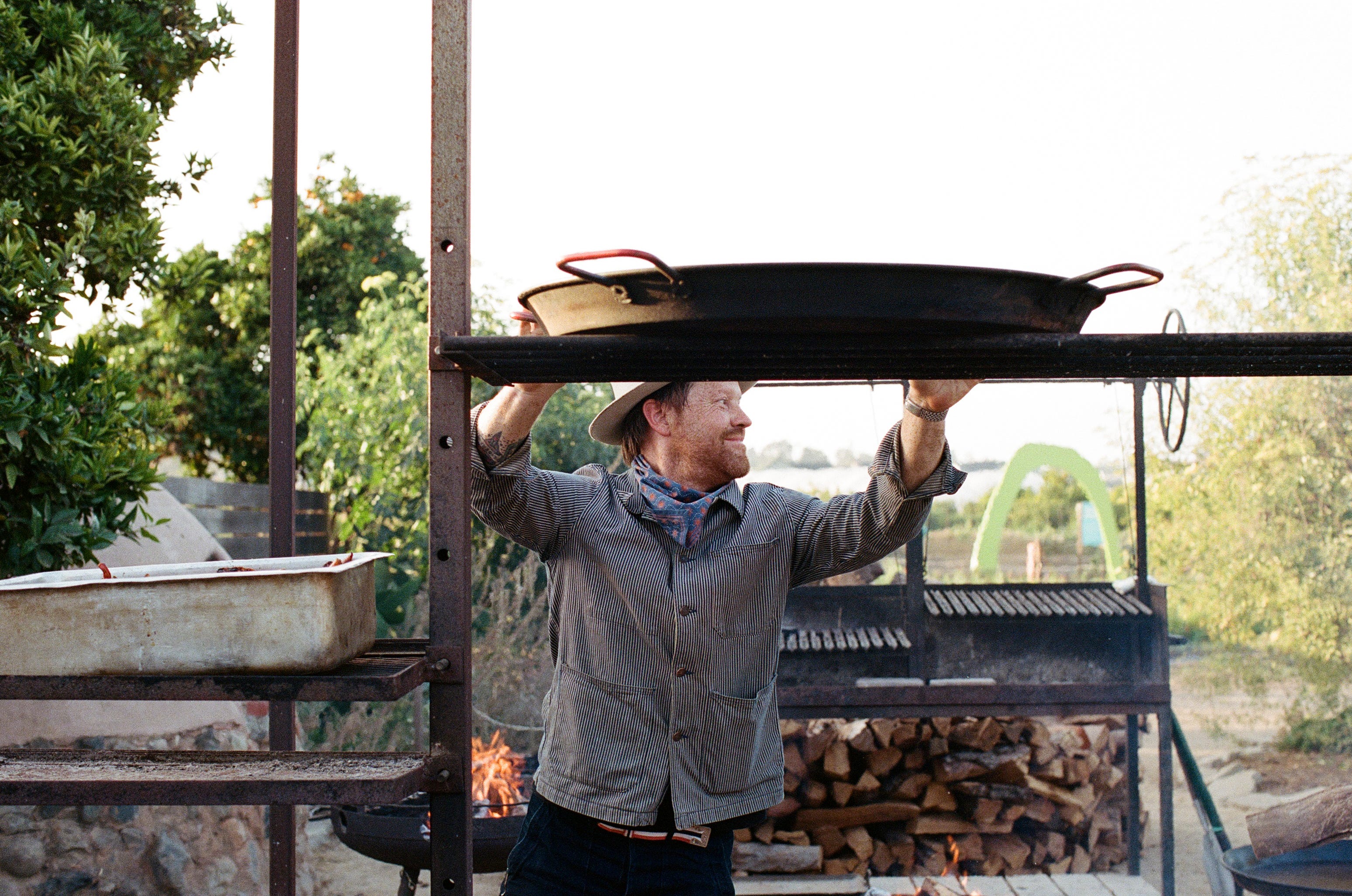
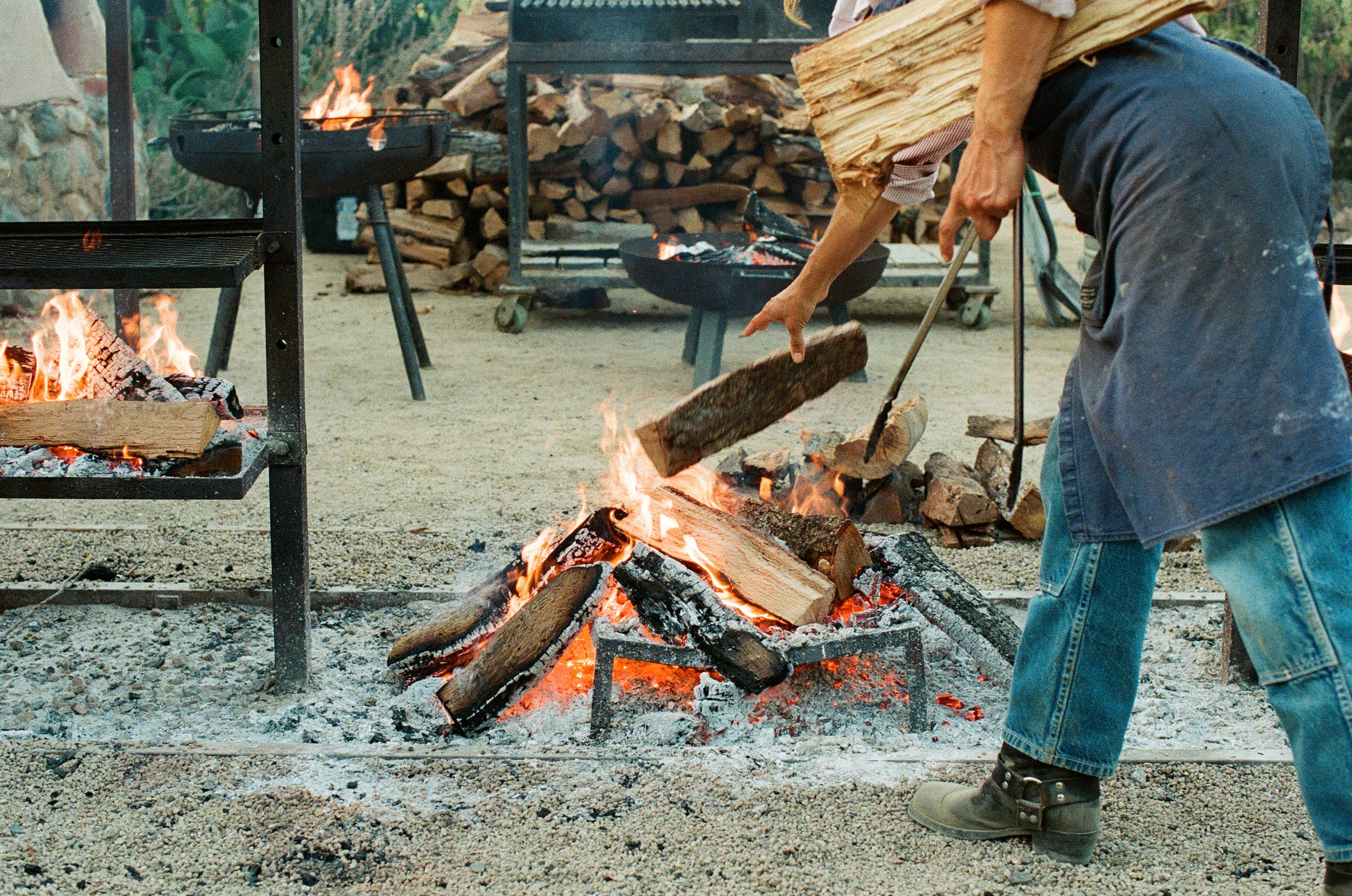
A few weeks back I cooked a dinner on a farm where I’ve been staying after the fires. It’s a magical place and I’m humbled to have my feet in the dirt there at all, let alone every day.
I wanted to bring our team from my currently closed restaurant Altadena back together, try to raise a little money for them, and tell our story with an evening of food.
The entire team from the restaurant couldn’t say yes fast enough. The story from that night is another book, although the lesson that crystallized is the most important thing I’ve learned about how I do what I do. Articulating that in a meaningful, understandable way has changed my life and restaurants beyond anything else I have done.
Normally our capacity for these farm dinners is about 80 people. I wanted a party. We capped the tickets at 100 and I continued inviting people in typical me fashion. I didn’t remember who I invited and had no idea how many would turn up.
If you’re planning a wedding, this could be a problem. The Poindexters who treat dinner on a farm like the Oscars were worried. The people who aren’t good at this were worried. But I had my crew. We weren’t worried. We were in a karate stance.
That team that night, and every night, put on a masterclass in hospitality as improv. We set the dining room for 120 people. We staged tables just out of sight to drag over and set up as each party beyond that arrived. We prepped enough food for 150. We burned the seating chart and shepherded people through a beautiful experience of moving down a seat to make room, thereby creating a community feeling of everyone welcoming everyone.
It was the greatest day of my life. The best dinner I’ve ever been a part of. It was a perfect show. And it will never happen that way again because it shouldn’t.
If you aren’t good at what you do yet, it’s not time for improv. Stick to your lines. Improv is learned only once it’s earned. It’s why working for free at NOMA for two weeks doesn’t give you license to open a locally foraged fermentation restaurant. It’s a note in a song, but not the album.
No posts
Comments
Nothing yet. Say the first thing.
Sign in to join the conversation.