
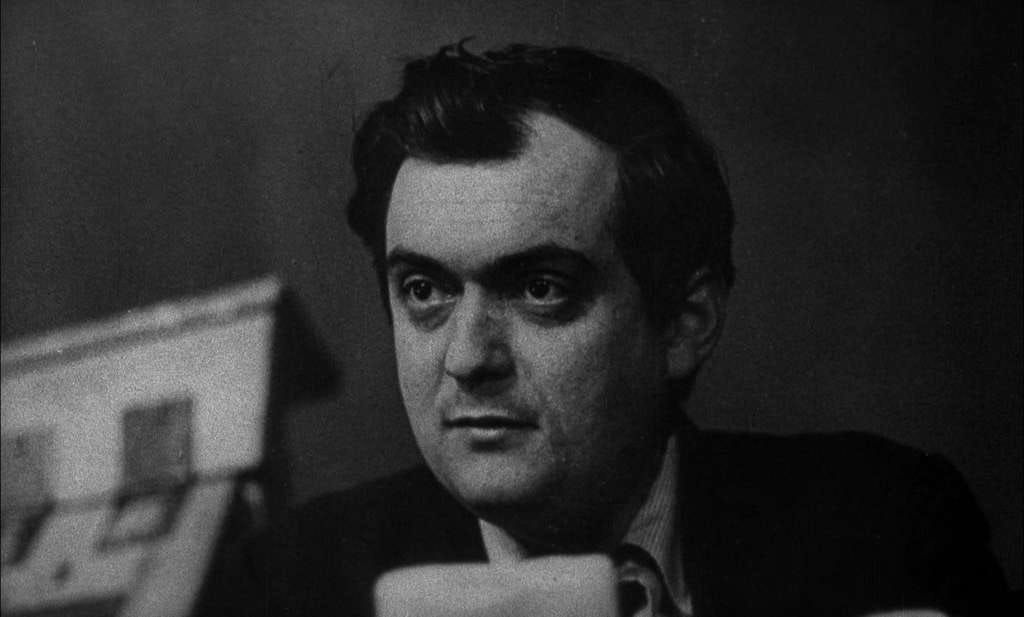
Why he made Barry Lyndon (1975), “a novel without a hero”.
What you've described is the way Barry’s actions and his ambitions and so forth do leave you feeling ambivalent. I don’t see how you can have no sympathy for him—the weakness of his character, the trap that he places himself in as a result of his ambitions, and the limitation of his personality that arises from the cynicism which develops from his early relationships with people.
He then becomes a very limited person. He certainly is not a conventional hero, or even a conventional villain. I mean – most people are like that.
It is tragic. But then melodrama uses all the problems of the world, all the disasters which befall the main characters [to say] the world is benevolent and fair. All the tests and trials and seeming misfortunes, in the end, reinforce that belief. But honesty, or an attempt at presenting life, can leave you with a feeling of desolation.
How disappointing you make the end of a film is a matter of, I suppose, taste or artistic balance. But you always are faced with the problem of: are you going to try to reinforce this illusion which melodrama fosters, or are you going to reflect what one sees about life?
I wouldn’t say that it’s nihilistic, no. I think it’s realistic.
Does the world seem to you a benevolent and fair place? The solution may only be that it's possible to carry on, despite all these things that one observes. Certainly, the solution doesn't have to pretend that the world is a different place than it appears to be. The fact the world is that way doesn't mean that everything is going to come to a stop or that people don’t get pleasure from their lives.
The formula approach, which presents the world in a way other than it is, doesn't seem to have a great deal of merit unless you’re making, er, entertainment.
How many happy marriages are there, and how many stepfathers love their stepsons? How many stepsons love their stepfathers? How often do people who have ambitions which only involve money find it satisfying—especially in this case, where it virtually paralyses all of his activity?
From a psychological pattern, you could say that while he is struggling and out in the world—which he doesn’t like—at least his life is vital. From the time he gets married and he accomplishes what he thinks he’s going to get, everything just becomes grey and dismal and wears away at him.
He’s completely unsuited for the life, and so he puts himself into a gilded cage—and from then on everything goes sour.
He’s talking to Michel Ciment, his future biographer, sometime between 1975 and 1987.
Comments
Nothing yet. Say the first thing.
Sign in to join the conversation.