
On the streets, survival matters more than ideology. Race, politics, gender, sexuality, religion, social status, and all the other labels people obsess over online tend to matter far less when everyone is fighting the same cold, hunger, addiction, fear, loneliness, and desperation. When you are outside, the person next to you might be
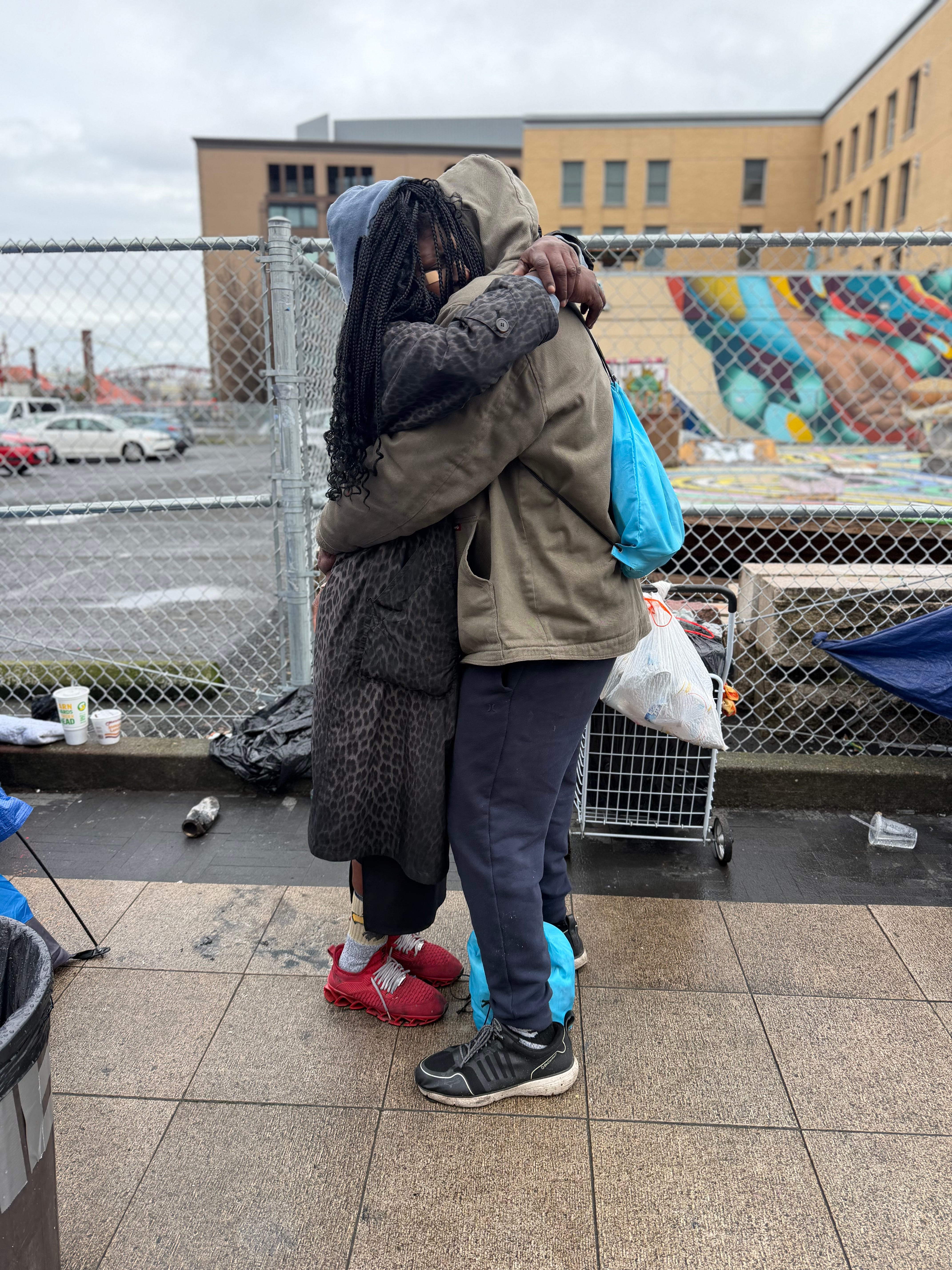
Black, white, gay, straight, trans, conservative, liberal, religious, atheist, mentally ill, addicted, sober, angry, kind, broken, or brilliant. But at the end of the day, what matters most is not what box they fit into. What matters is whether they are safe, whether they are honest, whether they will steal from you, whether they will help you, whether they will watch your stuff, whether they will share food, whether they will call 911 if you overdose, and whether they have character and can be trusted.
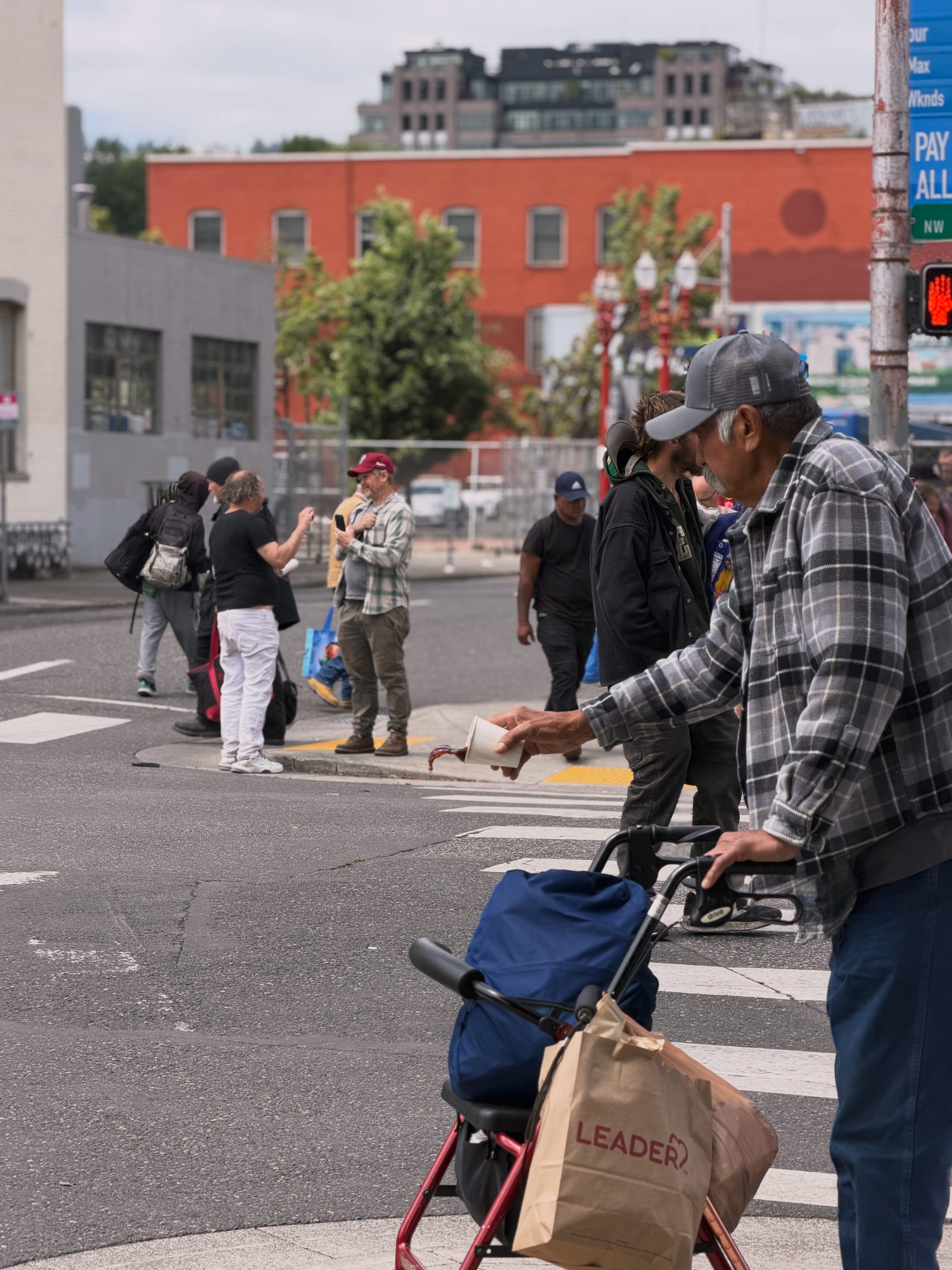
That is why, in my experience, many homeless people are far less racist, sexist, bigoted, or judgmental than the people arguing about them online. The homeless do not have the luxury of pretending people are political categories. They are forced to deal with people as human beings. When you are living in a tent, under a bridge, in a
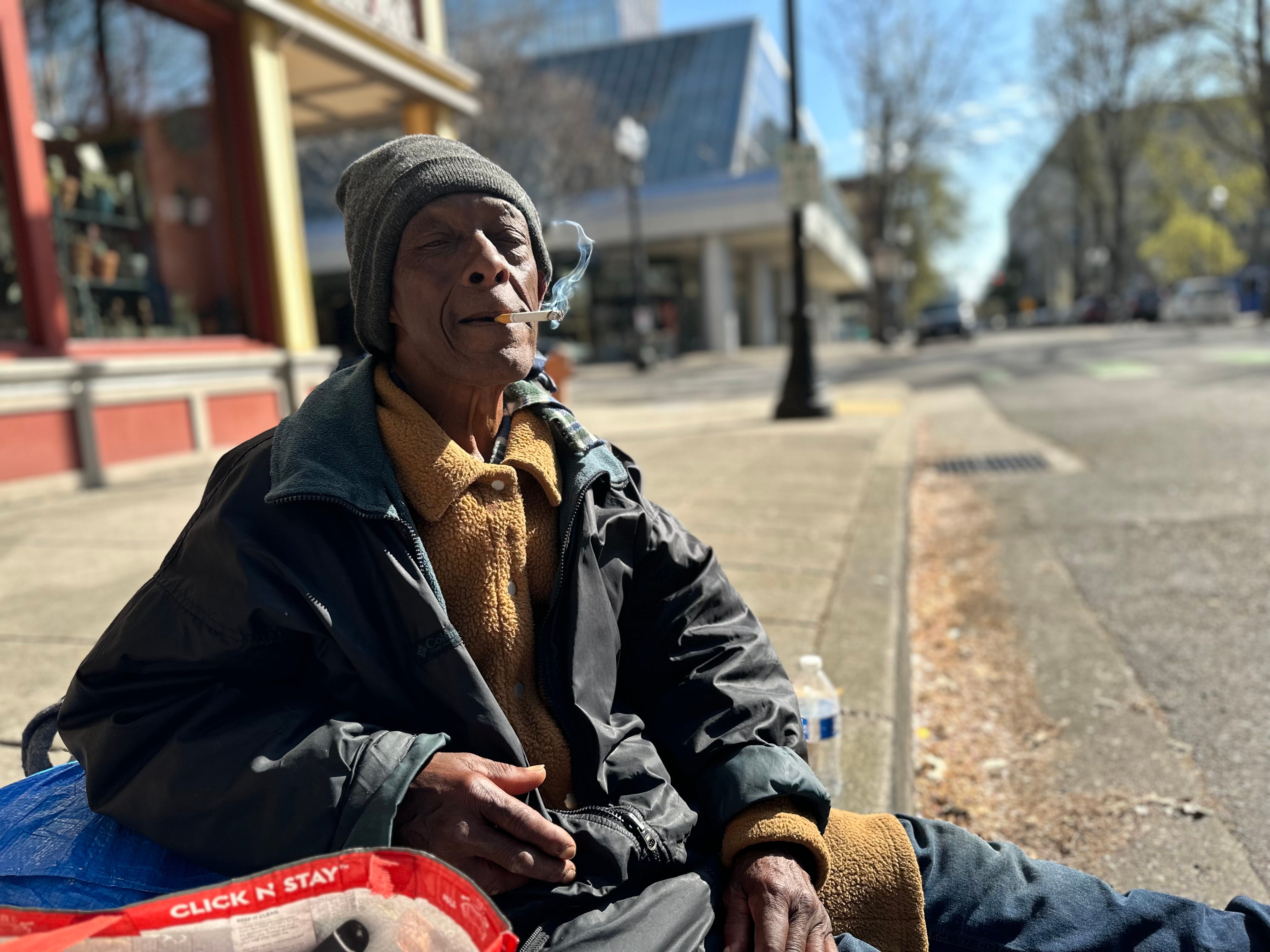
doorway, or in an RV that barely runs, you quickly learn that someone’s ideology does not matter nearly as much as their actions. The street strips away a lot of the fake social status people cling to. Nobody cares what college you went to. Nobody cares what your job title used to be. Nobody cares how many followers you have. Nobody cares what political tribe you belong to if you are dangerous, selfish, dishonest, or cruel. Out there, people are judged by actions and character, not beliefs.
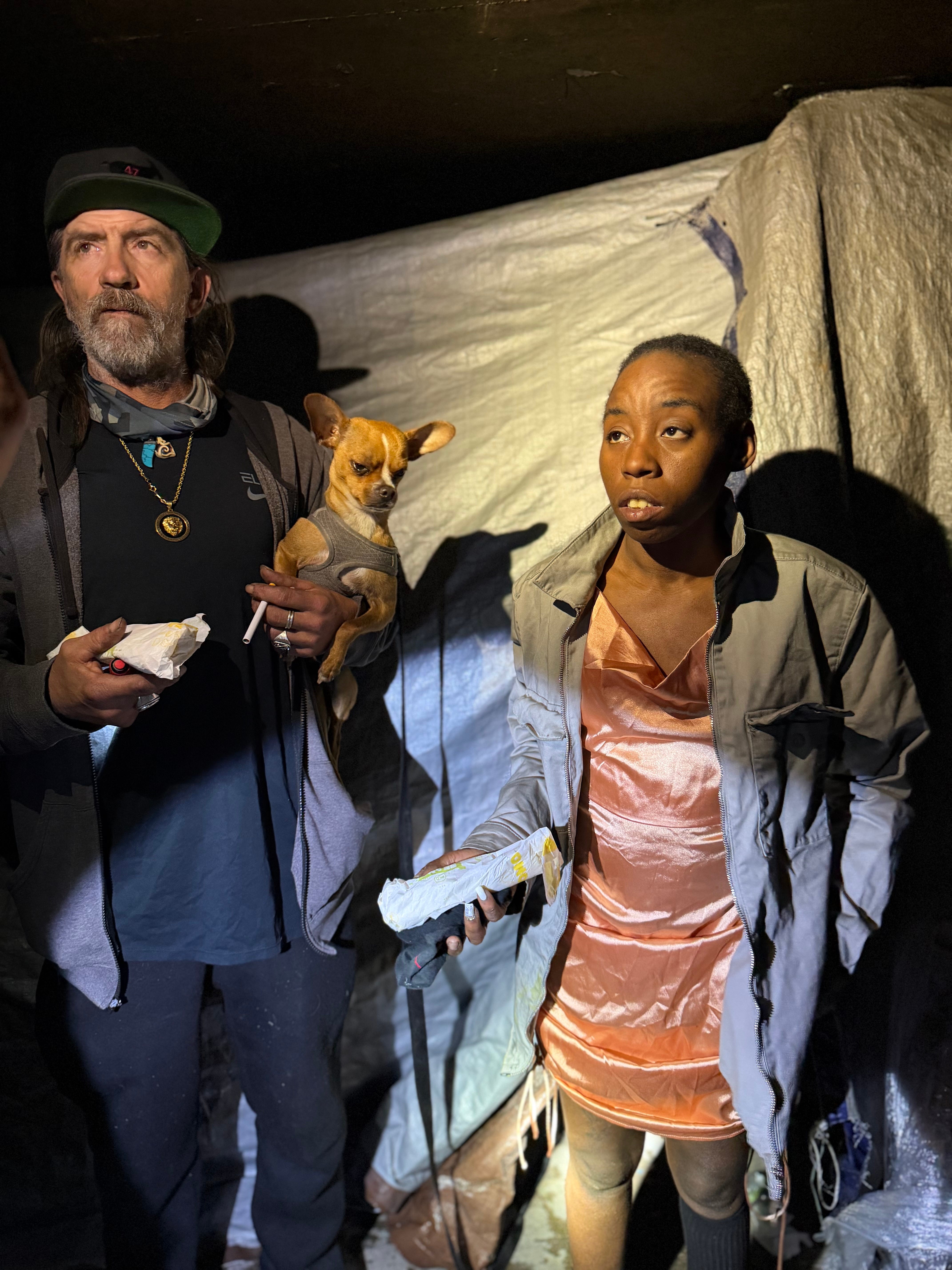
I have seen homeless people protect strangers they barely knew. I have seen addicts stop what they were doing to help someone overdosing. I have seen people with almost nothing give away food, blankets, socks, cigarettes, and Narcan because someone else needed it more. I have watched people who would be written off by society show more humanity in five minutes than some activists, politicians, and
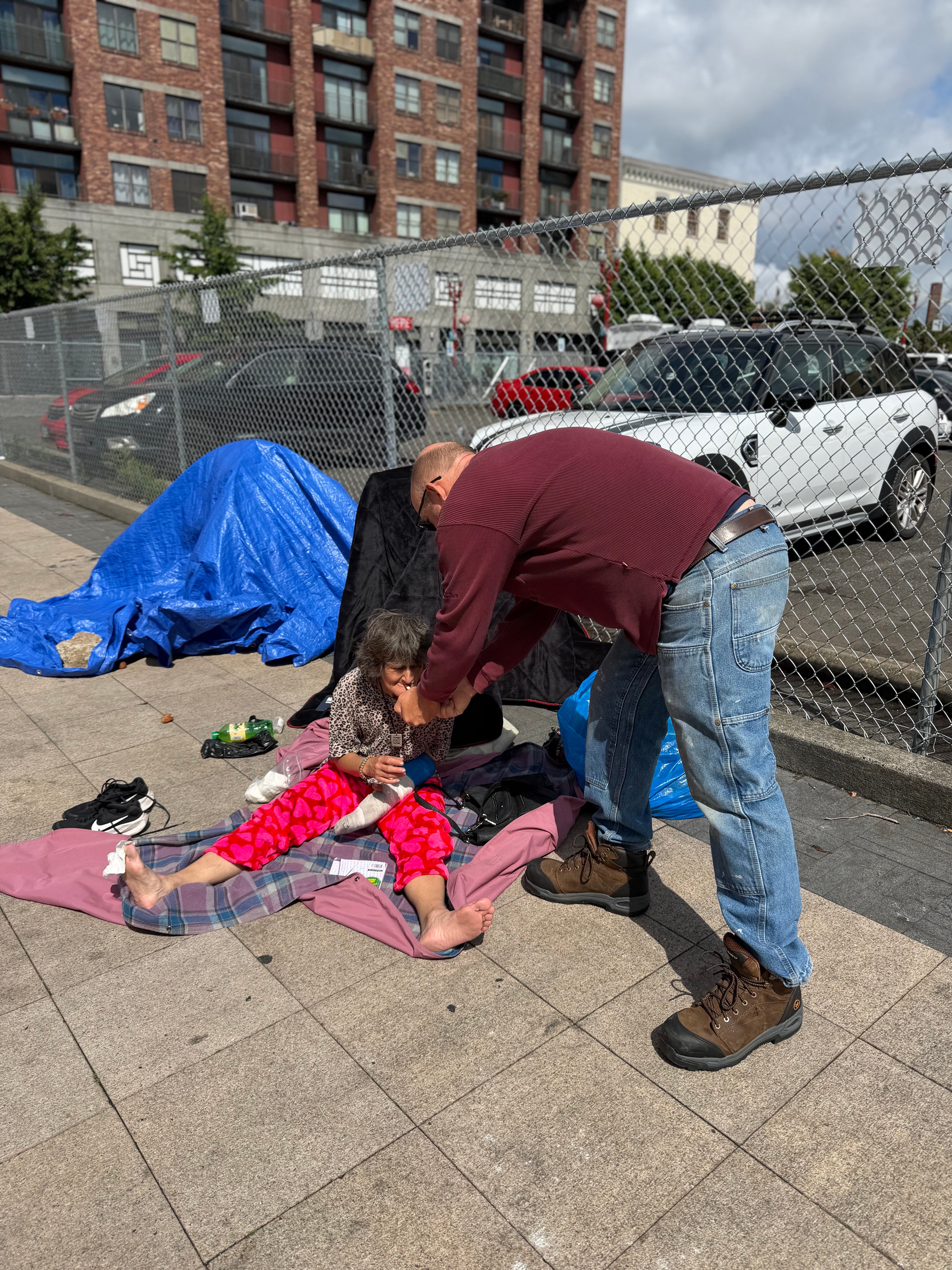
online commentators show in an entire year. The homeless are not sitting around obsessing over the culture war issues that dominate social media. They are trying to survive the next hour. They are trying to stay warm. They are trying to avoid being assaulted. They are trying to find food. They are trying to protect what little they have. They are trying to get through withdrawals. They are trying to make it to tomorrow. When life becomes that raw, ideology becomes secondary.
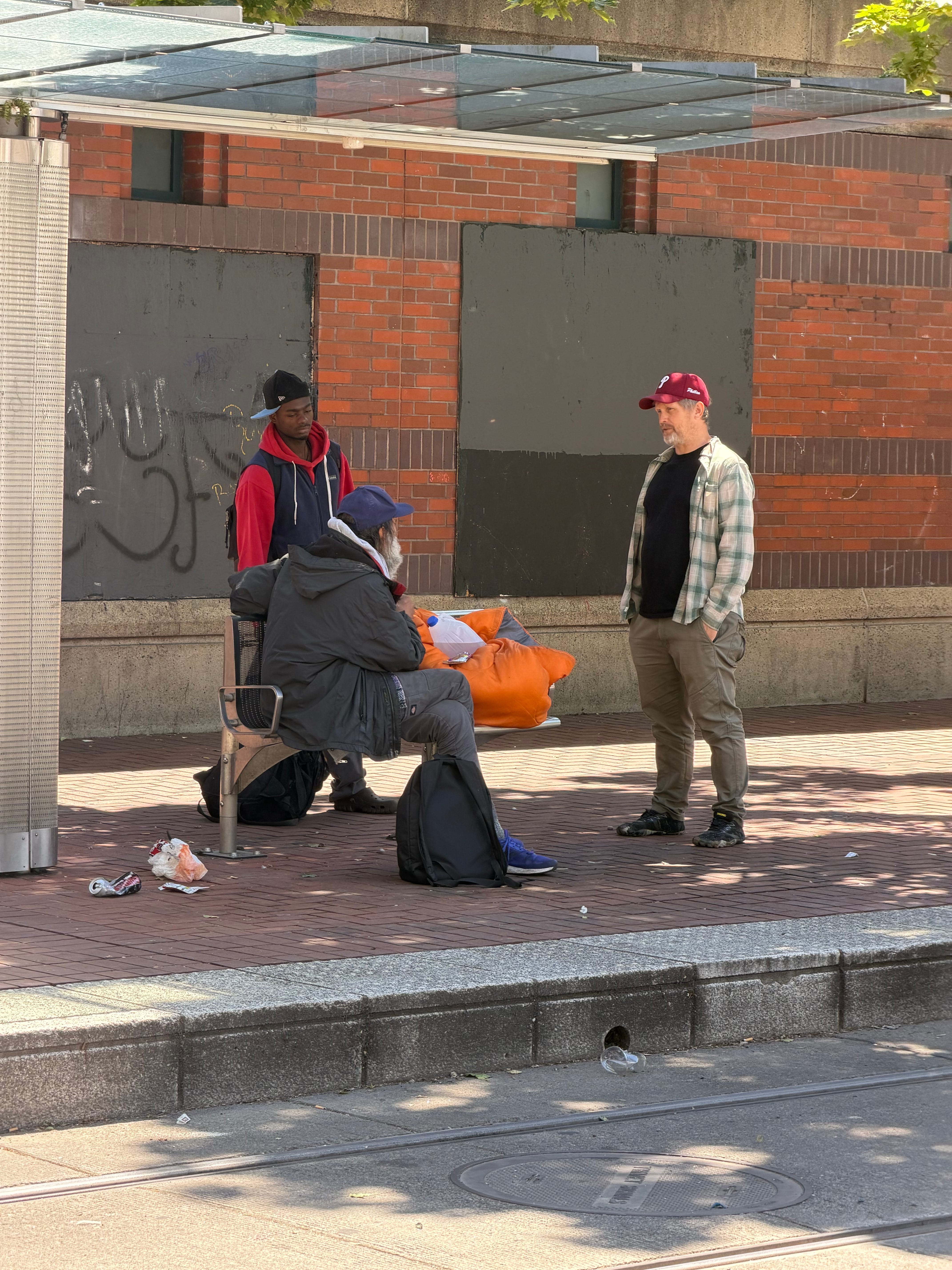
The people arguing about homelessness from comfortable homes often see the homeless as symbols. To the left, they can become victims of capitalism who must never be held accountable. To the right, they can become examples of moral failure who should simply be removed from sight. Both sides often make the same mistake. They stop seeing the individual person. That is why I get frustrated when people
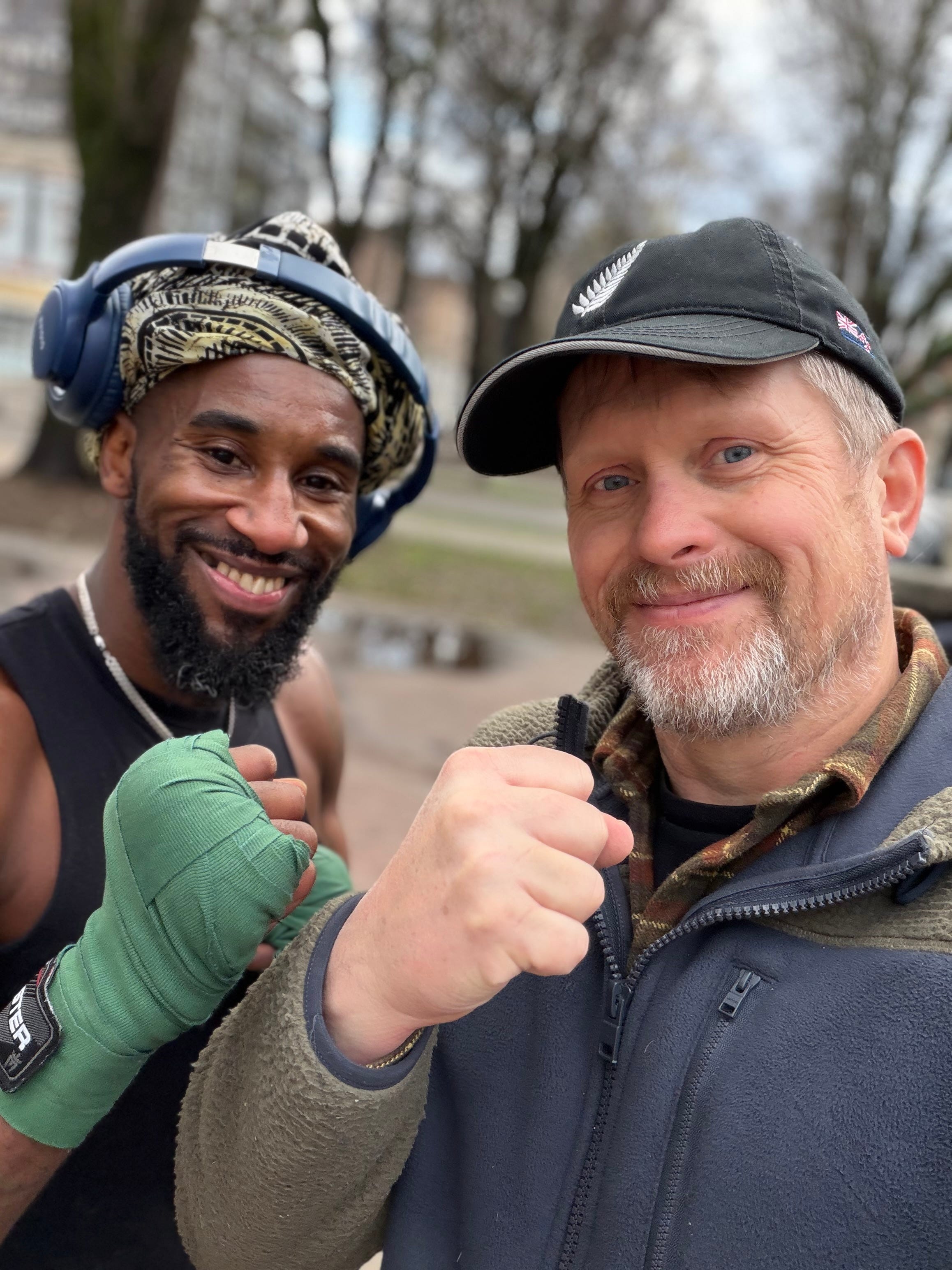
online act like they understand the homeless better than the people who actually spend time with them. Many of these same people claim to be tolerant, compassionate, or enlightened, but the second someone disagrees with them, they become cruel. They insult. They dehumanize. They mock addiction. They celebrate suffering. They talk about people on the streets like props in their ideological war. Meanwhile, the people actually living outside are often more open-minded because they cannot afford not to be.
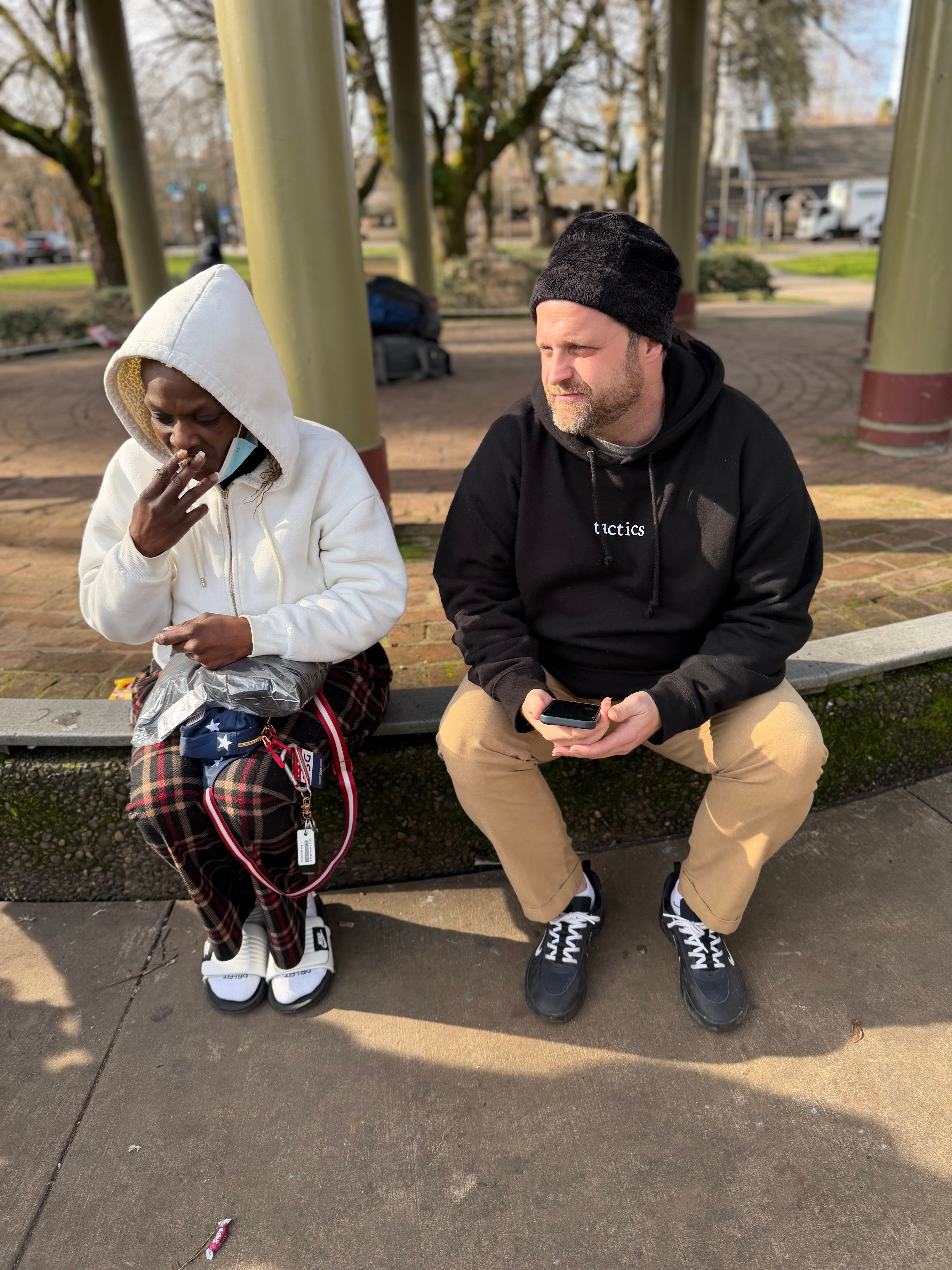
If you are homeless and someone offers you help, you probably are not asking who they voted for first. If someone shares a meal with you, you probably are not asking if they agree with your politics. If someone gives you a blanket when you are freezing, you are not running a purity test on their beliefs. You judge them by what they do. That is a lesson the rest of society badly needs to relearn. We have created a culture
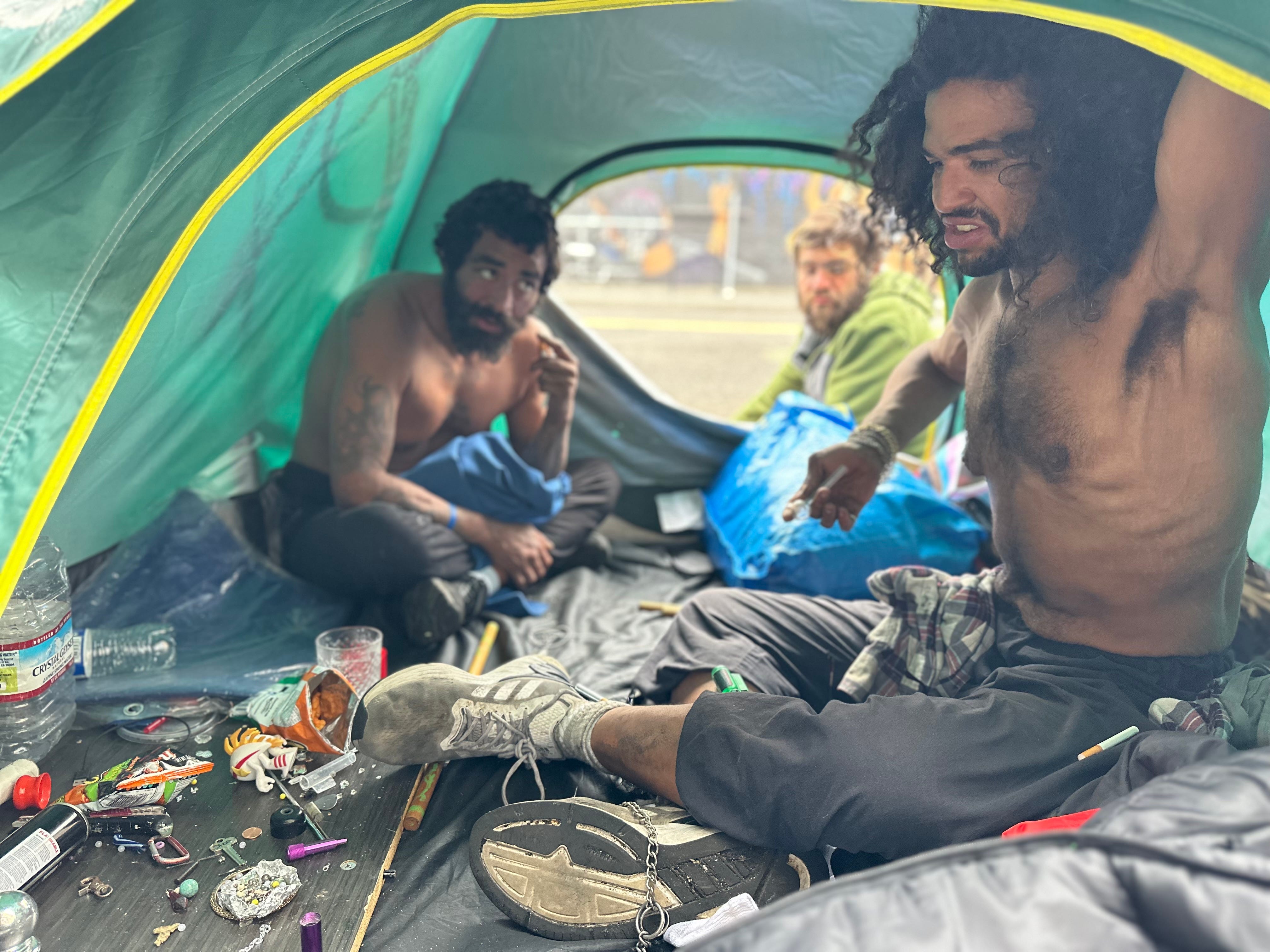
where beliefs are often treated as more important than behavior. People can say all the right things, use all the right slogans, post all the right hashtags, and still treat people terribly. Others can have unpopular opinions, rough edges, or no interest in political language at all, yet show up when it actually matters. The streets understand that difference.
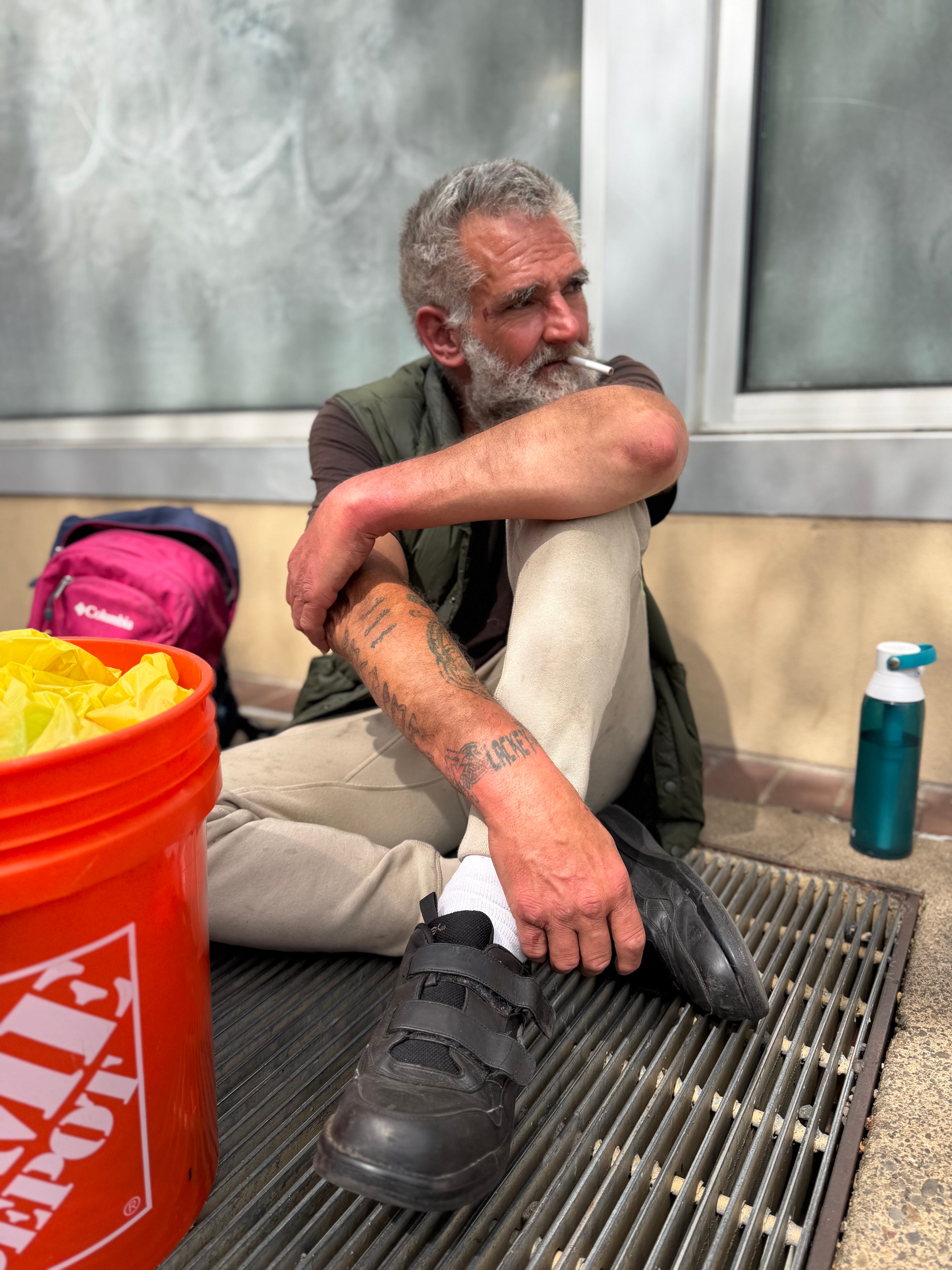
The streets are brutal, but they are also honest in a way the rest of society often is not. They strip people down. They expose the truth. And one of those truths is this: survival has a way of making people see past the nonsense. On the streets, nobody survives alone for long. And when you truly understand that, you begin to see people differently.
Comments
Nothing yet. Say the first thing.
Sign in to join the conversation.