
Houston, Texas, 1970–1973 a candy factory worker who murdered at least twenty-nine boys and young men with the help of two teenage accomplices, whose crimes were hidden in plain sight by a police department that kept writing “runaway” on missing persons reports while a community’s children disappeared
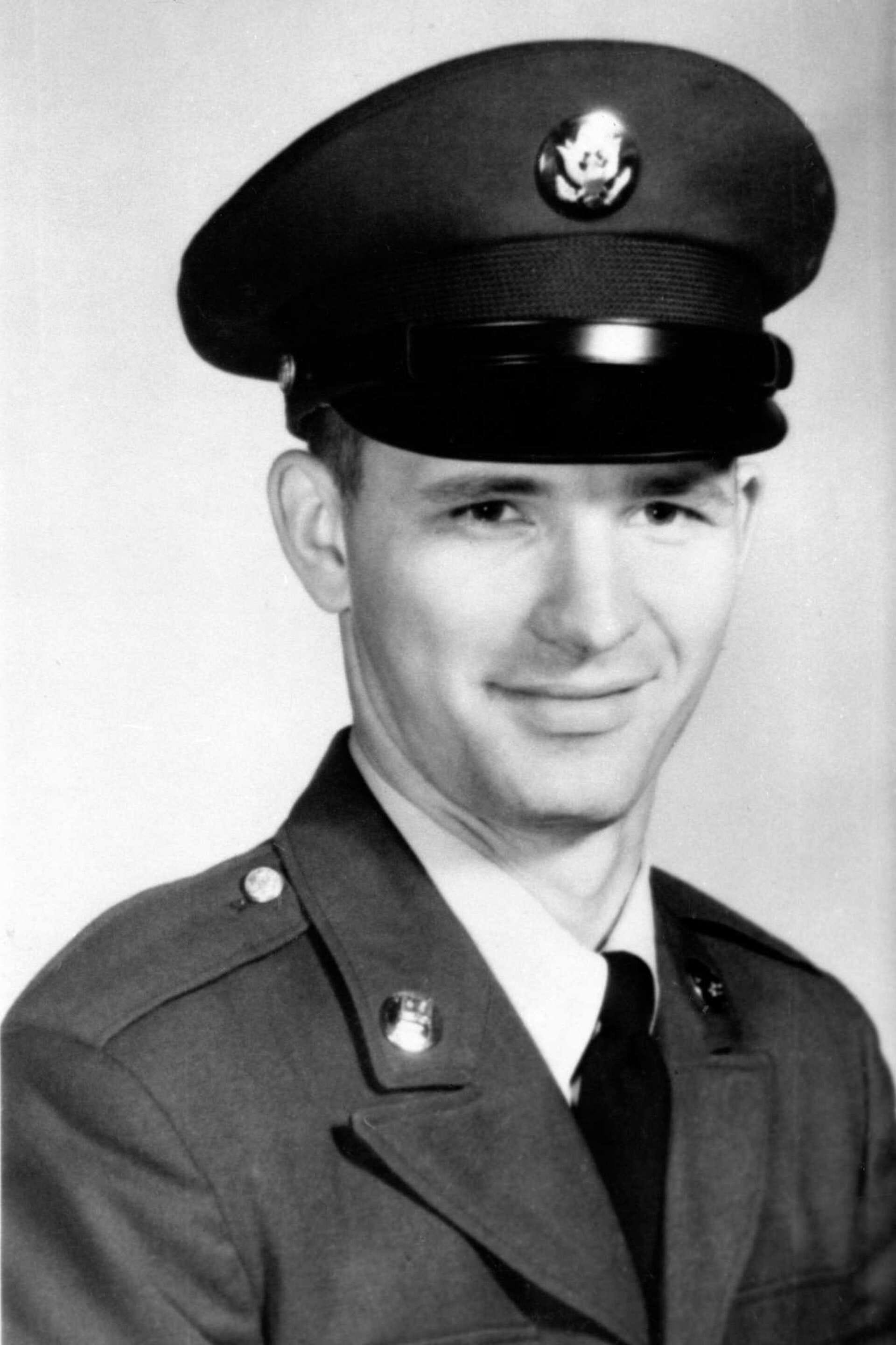
Houston Heights was a working-class neighborhood on the near northwest side of Houston a community of modest houses and small yards and families who had been there for generations. It had the quality of neighborhoods that take care of their own, where people knew each other’s business and looked out for each other’s children and where, in 1970, things were supposed to be safe.
If you enjoy my true crime coverage, please help me continue my newsletter by upgrading here for only $5 a month:
The Corll Candy Company had operated in the neighbourhood for years. Dean Arnold Corll’s mother, Mary, ran the business with the energy and focus of a woman who had built something from nothing, and Dean her eldest son, born December 24, 1939, in Fort Wayne, Indiana, a Christmas Eve child had grown up in and around the candy operation. When the family relocated the business to a facility near Houston Heights in the 1960s, Dean came with it.
He was, by every account available from the period, a likeable young man. He had served in the Army. He worked hard. He was known in the neighborhood as a generous figure the man at the candy company who gave free samples to the local children, who let kids come into the factory and watch the candy being made, who remembered names and faces and had a smile for everyone.
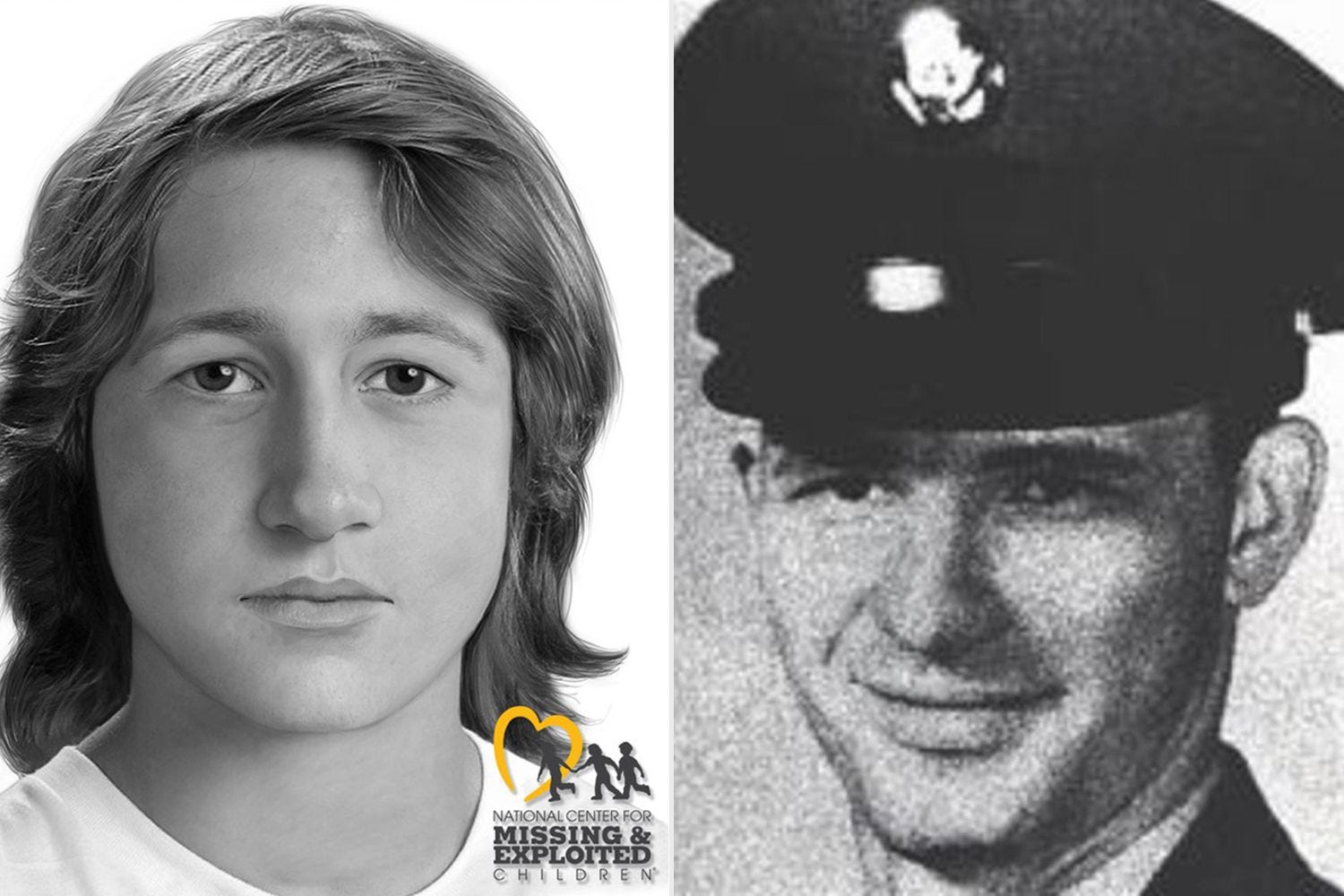
The neighborhood children called him the Candy Man. He encouraged it.
What nobody in Houston Heights knew what nobody who encountered Dean Corll between 1970 and 1973 knew, including the parents of the boys who went missing was that the generosity and the candy and the friendly manner were infrastructure. They were the architecture of access to children that Corll had been constructing, methodically and patiently, for years before the first confirmed murder.
Comments
Nothing yet. Say the first thing.
Sign in to join the conversation.