The Pressing Need Within Supply Chains to Measure and Reduce Its Carbon Footprint
Supply chain stakeholders are increasingly wary of seeing demand, legislation, and capital tied to how they deal with their emissions.

A weekly newsletter discussing complexities surrounding the logistics of everything
Dormant Last read · last published · next check
Read 1 day ago and current, but nothing has been published for 3 years.
Supply chain stakeholders are increasingly wary of seeing demand, legislation, and capital tied to how they deal with their emissions.
Supply chains are fragmented, involve many stakeholders, and are riddled with traceability challenges.
Indecipherable addresses have plagued the last mile for ages, resulting in lengthy undelivered lists and unwelcome challenges for delivery agents.
Staying on top of fuel expenses can be crucial for businesses struggling with high operational costs in a plateauing retail economy. But fuel price forecasting can be pretty challenging.
Calls for transparency into proprietary contracts and transactions between brokers and shippers are increasing at a time when the industry is plagued with several larger challenges.
As returns volumes continue to rise every year, impressing consumers isn’t just about a great order fulfillment experience anymore.
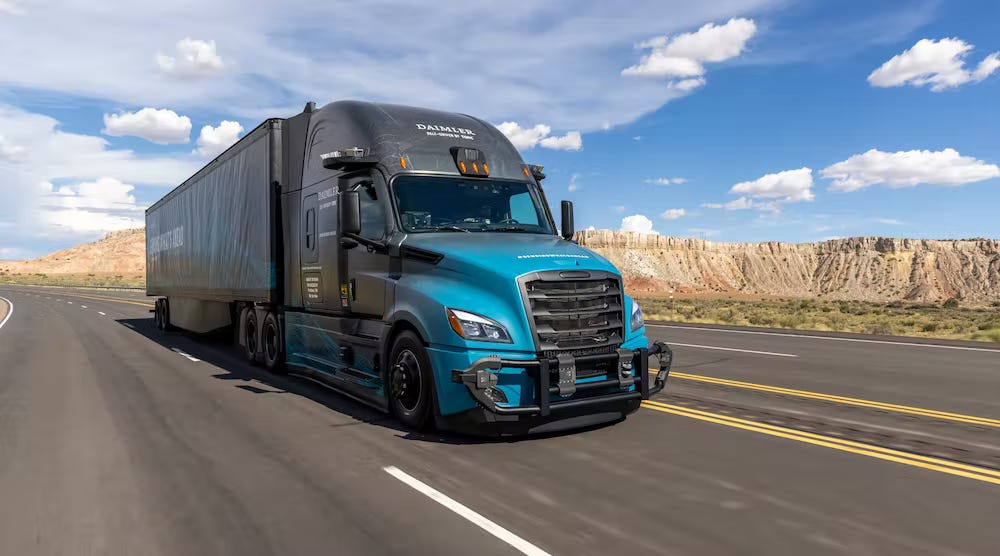
Autonomous driving technology was the talk of town way back in 2010. How much longer until it's commercialized?
While freight volumes stagnating and freight rates seeking a floor is a cause for concern, gaining broader perspective would douse any fears of an all-out freight recession.
Many companies struggle to manage payment processing and reconcile transactions, clinging to traditional payment methods that can be both inefficient and error-prone.
Fleet maintenance cannot remain a passive, scheduled exercise that companies throw money at and hope for minimal disruptions to daily operations