
When you’ve been making comics for 20 years, you start to notice patterns—not just in storytelling, but in the people creating them. You see waves of new creators come in with big ideas and a lot of energy, and for a moment it feels like anything is possible. Some launch strong, some fade out, and many never make it past their first book. Over time, that contrast becomes impossible to ignore.
What becomes clear is that making comics isn’t about one big moment or a single successful launch. It’s about whether you can keep building, improving, and showing up. Longevity is what separates hobby from craft.
Early on, one of the biggest lessons I learned was about printing strategy. There’s always a temptation to print more copies to bring the cost per unit down, and on paper that seems sound.
But comics don’t always follow clean math. Scarcity plays a real role in perceived value, and demand rarely shows up as quickly as you hope it will. If you overprint, you can end up sitting on inventory for far longer than expected. Over time, you learn that there’s a balance between efficiency and reality—and in this business, reality often wins.
There’s a common belief that traditional marketing can carry a project if you push hard enough. The idea is that with enough ads, exposure, or a well-timed Kickstarter, the sales will follow. While those tools are important, they aren’t the foundation of success.
Marketing can amplify something that’s already strong, but it can’t fix something that doesn’t connect. That’s why I always focus on making high-quality content first, with characters I care about and stories that actually matter.
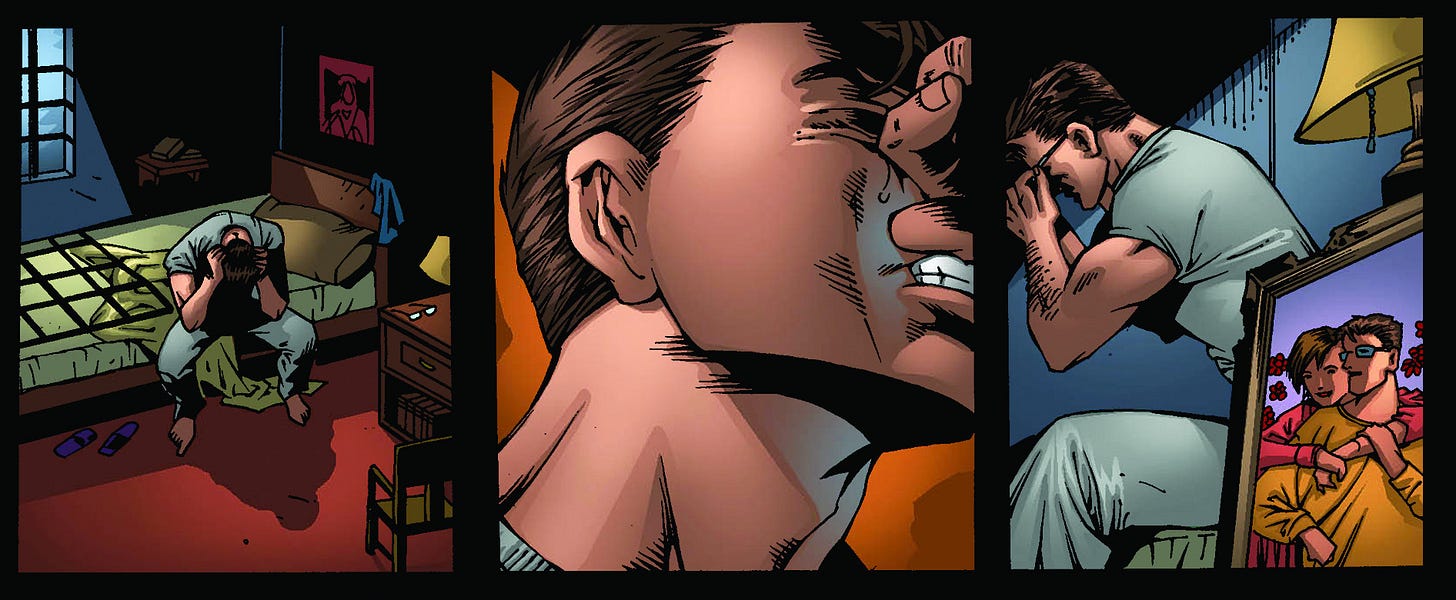
The goal is to create something that still holds up years later, not just during a launch window. In the long run, that’s what people remember and come back for.
Another misconception is that success in comics comes from one big break. People look for a viral moment, a huge campaign, or something that suddenly changes everything overnight. That kind of thinking overlooks how most real progress actually happens.
In my experience, everything is built one person at a time. One reader, one supporter, one conversation that turns into trust. You have to treat every single person like they matter, because they do. Being personable, relatable, and authentic is what builds that connection, and that connection is what turns interest into long-term support.
If you don’t genuinely love comics, this process will wear you down over time. There are delays, setbacks, and long stretches where things take far longer than planned. That’s not the exception—it’s part of the reality of creating comics.
The grind is what separates the people who stay from the people who disappear. It forces you to decide whether you’re in this for the long haul or just the initial excitement. That’s why the most important advice I can give is simple: don’t get into comics unless you truly love it. That passion is what carries you through everything else.
When we released our first book, Codename: Black Death, we sold over 3,000 copies. At the time, I didn’t fully understand how strong that result actually was. It felt like a solid outcome, but not something extraordinary.
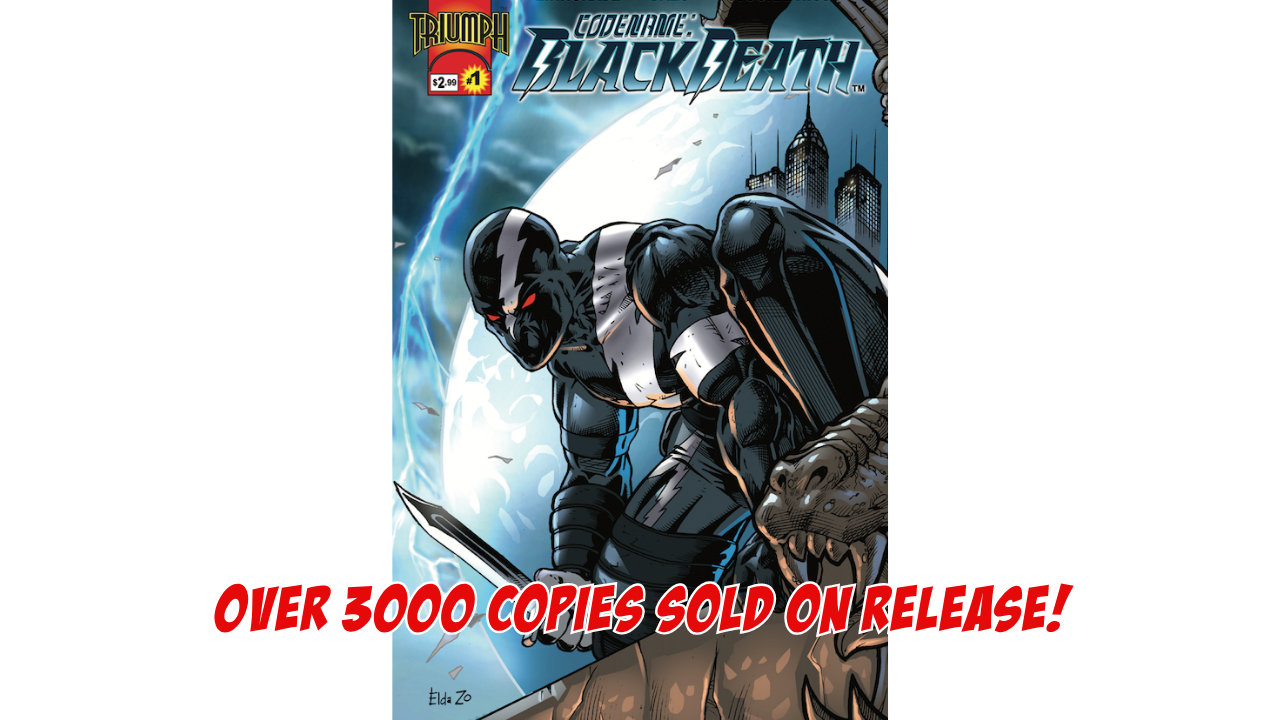
Later, a comic veteran told me we had hit a grand slam, and that completely reframed it for me. Sometimes when you’re in the middle of building something, you don’t have the perspective to see it clearly. You’re focused on the next step, the next improvement, the next release. It takes time and outside perspective to recognize how significant certain moments really are.
One of the biggest ways I’ve changed over time is learning to be more patient with the process. I take more time with projects now and focus on getting them right instead of just getting them done. If something takes longer, that’s not a failure—unless you try to sell it before it is done.
One rule I’ve always followed is not soliciting a book until the art is complete. That approach isn’t without risk, because it means investing real money before you know how a book will perform. But for me that’s a calculated decision in the name of building trust.
Delays are inevitable, and those delays can damage trust. I try to eliminate the biggest causes upfront. For example, I have a project that’s been in development for over a year, and while it could have launched earlier, rushing it would have created more problems than it solved.
There’s a project called The Dusk that raised over $40,000 but took two years to deliver, and while they ultimately delivered, that’s not a position I want to be in. Preparation and patience aren’t just creative decisions—they’re business decisions that directly impact trust.
Even after two decades, I’m still focused on growing and evolving what we’re building. All Triumph Comics titles are connected in some way, sometimes ever so subtly -forming a larger universe that continues to expand over time.
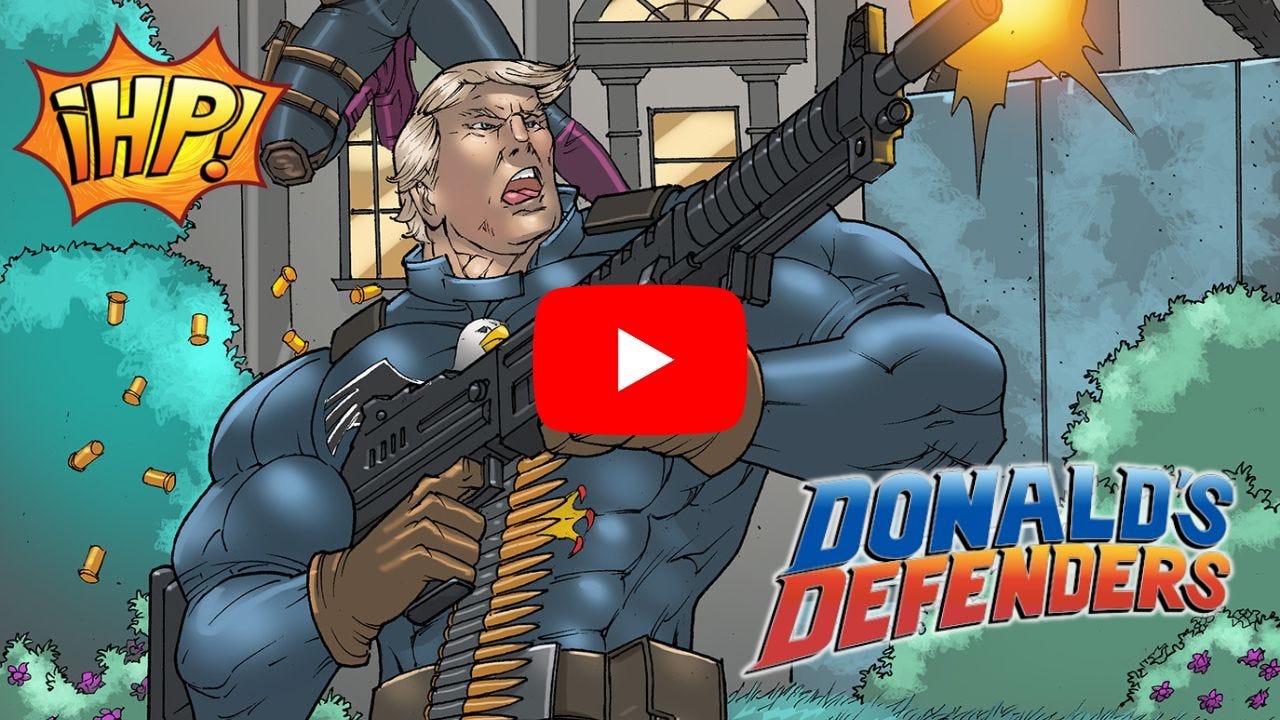
This year, we’ve pushed into new territory by launching a separate imprint, IHP! (Irreverent Humor Publications), which leans heavily into humor and satire. Why? Because we believe people love to laugh, and there’s just not enough of that in comics. And what wilder way to start the imprint than political humor with Donald’s Defenders!
After 20 years, evolution isn’t optional—it’s necessary.
After 20 years, the biggest lesson comes down to something simple but easy to overlook. There’s no shortcut, no single platform, and no one moment that guarantees success. Everything is built through consistency, patience, and a genuine love for the craft over time.
That combination is what allows something to last beyond a single release or trend. It’s what turns individual projects into something bigger over time. And that’s what I’m still focused on building today.
— Mark Z
No posts
Comments
Nothing yet. Say the first thing.
Sign in to join the conversation.